
 Save 15% on your 1st Autoship learn more

 Email us
 Live Chat
 FAQs
FAQs





Introduction
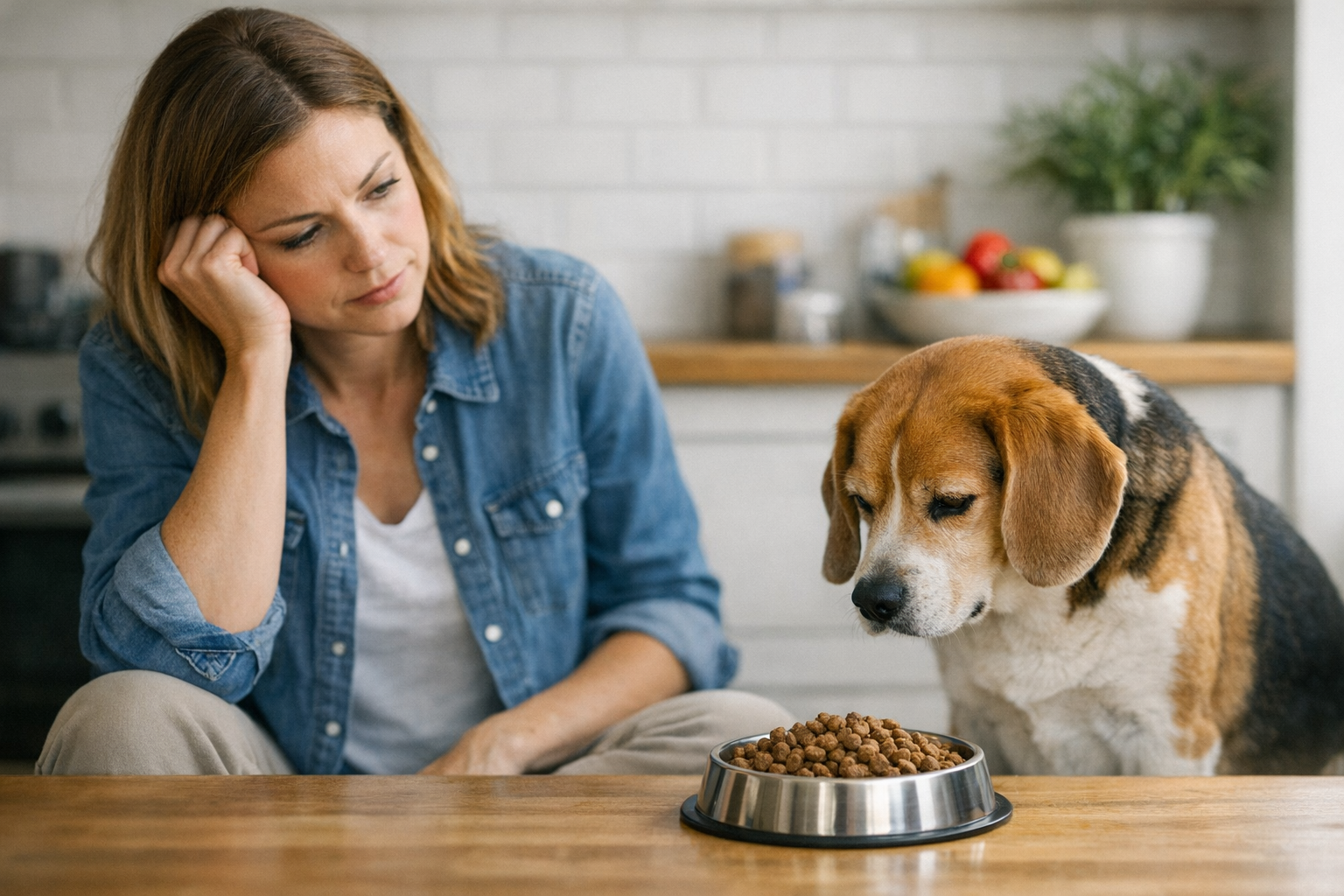
You set the bowl down and hear the familiar clatter of kibble hitting the ceramic. Usually, this sound brings your dog running from the other room. Today, however, there is only silence. Your dog walks over, takes a single sniff, and turns away with a sigh. It is a moment of immediate concern for any pet owner. At BaxterBoo, we have talked to thousands of owners facing this exact frustration. Whether it is a sudden strike or a gradual decline in interest, a dog refusing dry food is trying to tell you something. This post covers the medical, behavioral, and environmental reasons behind a suppressed appetite. We will explore practical strategies to get your dog back to their bowl. Understanding the root cause is the first step toward restoring a healthy mealtime routine.
Identifying the Primary Cause
The first thing to determine is whether your dog is refusing all food or just their dry kibble. If they still beg for treats or eat bits of chicken from your plate, the issue might be behavioral or related to the food quality. If they refuse everything, including high-value rewards, the situation is more likely medical. Pay close attention to their body language. A dog that wants to eat but cannot will often look at the bowl with interest before backing away. This often suggests physical discomfort rather than a lack of hunger.
Quick Answer: A dog may stop eating dry food due to dental pain, digestive upset, boredom, or food spoilage. Identifying whether they refuse all food or just kibble helps determine if the cause is medical or behavioral.
Possible Medical Reasons for a Lack of Appetite
Health issues are the most common reason for a sudden change in eating habits. Even a mild ailment can make a dog lose interest in a crunchy meal. Dry food requires more effort to chew and digest than wet food. If your dog is not feeling their best, that extra effort might be too much.
Dental and Oral Discomfort
Dental problems are a leading cause of kibble refusal. Dry food is hard and abrasive. If a dog has a cracked tooth, an abscess, or inflamed gums, biting down on a piece of kibble can cause sharp pain. Look for signs like dropping food from the mouth, chewing on only one side, or excessive drooling. Some dogs might even paw at their face after trying to eat.
We recommend checking your dog’s mouth regularly for redness or bleeding. Brands like our selection of Greenies products are great for maintenance, but they cannot fix an active infection. If you suspect oral pain, a veterinary visit is necessary to address the underlying issue.
Gastrointestinal and Internal Issues
An upset stomach can make any food look unappealing. Nausea, bloating, or gas can cause a dog to skip meals. This could be a temporary reaction to something they ate on a walk. However, it can also signal chronic issues like food sensitivities or inflammatory conditions.
If the refusal is accompanied by vomiting, diarrhea, or lethargy, do not wait to see if it passes. These symptoms can lead to dehydration quickly. Our pet pharmacy offers prescription options for chronic conditions and allergies. If your vet prescribes a specific therapeutic diet, such as our Royal Canin selection or other vet-directed foods, we can help fulfill those needs to support your dog's internal health.
Side Effects of Medications
If your dog recently started a new medication, their appetite might take a hit. Antibiotics and pain relievers can sometimes cause nausea. Always observe your dog’s behavior after a new prescription. If the lack of appetite persists for more than 24 hours after starting a drug, call your veterinarian to discuss potential alternatives or appetite stimulants.
Vet Tip: Always consult your veterinarian if your dog refuses food for more than 48 hours. If the lack of appetite is paired with vomiting, lethargy, or a refusal to drink water, seek medical attention immediately.
Behavioral and Environmental Factors
Sometimes the problem is not with the dog’s body but with their mind or their surroundings. Dogs are creatures of habit and sensitive to change.
Stress and Anxiety
Major life changes can disrupt a dog's eating schedule. Moving to a new home, the arrival of a new baby, or even a change in your work hours can cause stress. Some dogs experience separation anxiety and will refuse to eat until their primary owner is home. If your dog is anxious, they may find the sensory experience of eating overwhelming.
Check if there have been any changes to where the bowl is located. A high-traffic area might be too loud for a nervous eater. Using calming aids from brands like Honest Paws or Zesty Paws can sometimes help settle a dog’s nerves enough to return to their routine.
The Picky Eater Syndrome
Dogs are smart. They can learn that if they hold out long enough, you might give them something better. If you have been adding table scraps or extra treats to the bowl to "bribe" them, you might be accidentally training them to be picky. They are waiting for the high-value reward instead of the balanced nutrition of their kibble.
For more on food preferences, our guide to picky dry dog food is a helpful next step.
Key Takeaway: Consistently offering table scraps when a dog refuses kibble reinforces picky behavior. Stick to a strict feeding schedule to encourage them to value their regular meals.
Issues with the Food Itself
The problem might be the bag of food rather than the dog. Dry food does not stay fresh forever.
Stale or Spoiled Kibble
Once a bag of dry food is opened, the fats inside begin to oxidize. This process makes the food smell and taste "off" to a dog’s sensitive nose. Most kibble stays fresh for about two to three weeks after opening if stored properly. If you buy giant bags for a small dog, the food might go stale before you reach the bottom.
Always store food in its original bag inside an airtight container. This keeps moisture and pests out while preserving the aroma. If the food smells like old paint or chemicals, it has likely gone rancid. Throw it out and start with a fresh, smaller bag.
Recipe Changes
Manufacturers sometimes update their formulas. Even a small change in an ingredient can alter the taste or texture. If you recently started a new bag and your dog is suddenly uninterested, check the packaging for a "new and improved" label. You may need to transition them slowly by mixing the old formula with the new one over 10 days.
Practical Strategies to Entice Your Dog
If health issues are ruled out, you can use these methods to make the dry food more appealing.
Add Moisture and Aroma
Dry food has very little scent compared to wet food. You can unlock the aroma by adding warm water or bone broth to the bowl. The heat helps release the fats and makes the food smell more inviting.
- Step 1: Add liquid. Pour a quarter cup of warm water or dog-safe broth over the kibble.
- Step 2: Let it soak. Wait about five minutes for the kibble to soften and the scent to build.
- Step 3: Stir and serve. Ensure there are no hot spots before giving it to your dog.
If you want a fuller walkthrough, our post on mixing dry dog food with water breaks down the method in more detail.
Use High-Quality Toppers
Toppers are a great way to add interest without completely changing the diet. Brands like Stella and Chewy’s or The Honest Kitchen offer freeze-dried raw pieces and pourable stews. These are designed to be mixed directly with dry kibble. They provide a boost of protein and a different texture that can jumpstart a stubborn appetite.
Change the Feeding Method
Sometimes a bowl is boring. Dogs have a natural instinct to forage and work for their food. If your dog ignores their bowl, try putting the kibble inside a Kong toy or a puzzle feeder. The mental stimulation of "hunting" for the food can make the meal more rewarding. It turns a chore into a game.
Our dog treats category can also help you find softer options for training or meal encouragement.
Bottom line: Increasing the sensory appeal of dry food through warmth, moisture, or toppers is often the most effective way to reverse mealtime boredom.
Managing Senior Dogs and Their Changing Needs
As dogs age, their nutritional and physical needs shift. A senior dog might stop eating dry food because their senses are fading. Their sense of smell and taste is not as sharp as it once was, making bland kibble uninteresting.
Cognitive and Sensory Support
Senior dogs may also experience cognitive decline. This can lead to confusion during mealtimes. Supplements like Senilife are designed to support brain function in aging pets. If a senior dog is also dealing with joint pain from arthritis, standing over a bowl on a slippery floor might be uncomfortable. Using an elevated feeder and a non-slip mat can make a big difference.
Joint Health and Mobility
Pain from hip and joint issues can make the act of standing to eat a burden. We carry a wide range of mobility aids and supplements like Cosequin to help keep senior dogs comfortable. If your senior dog is on a prescription diet for kidney or heart health, such as those from Royal Canin, it is vital they stay consistent with their meals. Talk to your vet about adding a splash of salmon oil to boost both the flavor and the omega-3 content for their joints.
Our dog healthcare category is a good place to explore more support options for aging pets.
Transitioning to a New Brand
If your dog has a genuine dislike for their current food, it might be time for a change. Not all kibble is the same. Some brands use higher meat concentrations, while others focus on limited ingredients for sensitive stomachs.
Selecting the Right Formula
Consider the protein source. If your dog is tired of chicken, they might enjoy a lamb, salmon, or beef-based formula. High-quality brands like our selection of NutriSource products and our Orijen selection offer diverse flavor profiles that can appeal to different palates.
- Check the first three ingredients. They should be recognizable animal proteins.
- Avoid heavy fillers. Too much corn or soy can make the food less palatable.
- Consider kibble size. Small dogs often prefer tiny, easy-to-crunch pieces, while large breeds might like bigger chunks.
The Slow Transition Method
Never switch foods overnight. This is a recipe for a stomach upset, which will only make your dog more likely to refuse the new food.
- Days 1-3: Mix 25% new food with 75% old food.
- Days 4-6: Move to a 50/50 split.
- Days 7-9: Increase to 75% new food and 25% old food.
- Day 10: Serve 100% of the new food.
Observe their stool and energy levels throughout this process. If they pick out the new kibble and leave the old, you know you have found a winner.
When to Contact the BaxterBoo Pharmacy
If your dog's refusal to eat is linked to a diagnosed medical condition, their nutrition becomes a part of their treatment plan. We understand that managing a pet's health can be expensive and complicated. Our MVP Rewards programme and pharmacy resources can help you make the most of eligible purchases.
Whether your dog needs a hydrolyzed protein diet for severe allergies or medication for a sensitive GI tract, our pharmacy is a reliable resource. We make it easy to get the specific products your veterinarian recommends delivered right to your door. This ensures your dog gets exactly what they need to feel better and regain their appetite.
Maintaining Long-Term Success
Once you have identified why your dog was not eating and have them back on a routine, consistency is key. Avoid the temptation to go back to heavy treat-giving or table scraps. Keep mealtimes focused and calm.
- Stick to a schedule. Feed at the same time every day to regulate their internal clock.
- Limit treats. Rewards should never exceed 10% of their daily calories.
- Monitor weight. Even if they eat less, they should maintain a healthy body condition.
- Regular vet checks. Annual exams can catch dental or internal issues before they stop your dog from eating.
By staying observant and proactive, you can ensure that the sound of the food bowl remains the best part of your dog's day.
Key Takeaway: A successful feeding routine relies on high-quality food, proper storage, and clear boundaries regarding treats and scraps.
Conclusion
A dog refusing their dry food can be a complex puzzle to solve. From dental pain and medical issues to simple boredom or stale kibble, the reasons vary widely. Start by ruling out health concerns with your veterinarian, then look at environmental factors and food quality. Using toppers, adding warmth, and maintaining a strict schedule are effective ways to rebuild their interest. At BaxterBoo, we are committed to helping you navigate every stage of pet ownership with expert-curated products and pharmacy services. If your dog needs a specific diet to thrive, check out our dog food category. Setting your dog up for mealtime success is one of the best ways to ensure a long, healthy life together. Consider signing up for our Autoship programme to ensure your dog's favorite fresh food always arrives right on time.
FAQ
How long can a dog go without eating dry food?
Most healthy adult dogs can go 24 to 48 hours without food as long as they are still drinking water. However, you should contact your vet if the fast lasts longer than 24 hours, especially if they are a puppy or a senior. Small breeds are also more susceptible to blood sugar drops when they skip meals.
Can I mix wet food with dry food permanently?
Yes, mixing wet and dry food is a great way to provide variety and extra hydration. This is often called "combination feeding." Just be sure to calculate the total calories from both sources so you do not accidentally overfeed your dog.
Why does my dog eat treats but not their kibble?
Treats are usually higher in fat and salt, making them much more appealing than standard dry food. If your dog eats treats but refuses kibble, they may be holding out for the "better" option. It could also mean they have mild mouth pain that makes soft treats easier to chew than hard kibble.
Will my dog eventually eat if they get hungry enough?
In many cases, a healthy, picky dog will eventually eat their kibble once they realize no other options are coming. However, you should never try to "starve out" a dog if there is a chance they are sick or in pain. If they haven't eaten for two days, it is a medical issue, not just stubbornness.






