Save 15% on your 1st Autoship learn more

 Email us
 Live Chat
 FAQs
FAQs





Introduction
It is a rainy Tuesday afternoon and your high-energy dog is pacing the hallway with a tennis ball. You have already played three rounds of indoor fetch, but the restless energy remains. Or perhaps your dog is the type who treats every meal like a race, inhaling their kibble in under thirty seconds. These common moments are exactly why we at BaxterBoo recommend the snuffle mat. This simple tool uses a dog's most powerful sense to provide mental exercise and physical calm. In this post, we will explore how these fabric puzzles work and why they are a vital addition to your pet care routine. We will also cover how to choose the right one and the best ways to keep it clean. Finding the right balance between physical and mental activity is the key to a happy, well-adjusted pet.
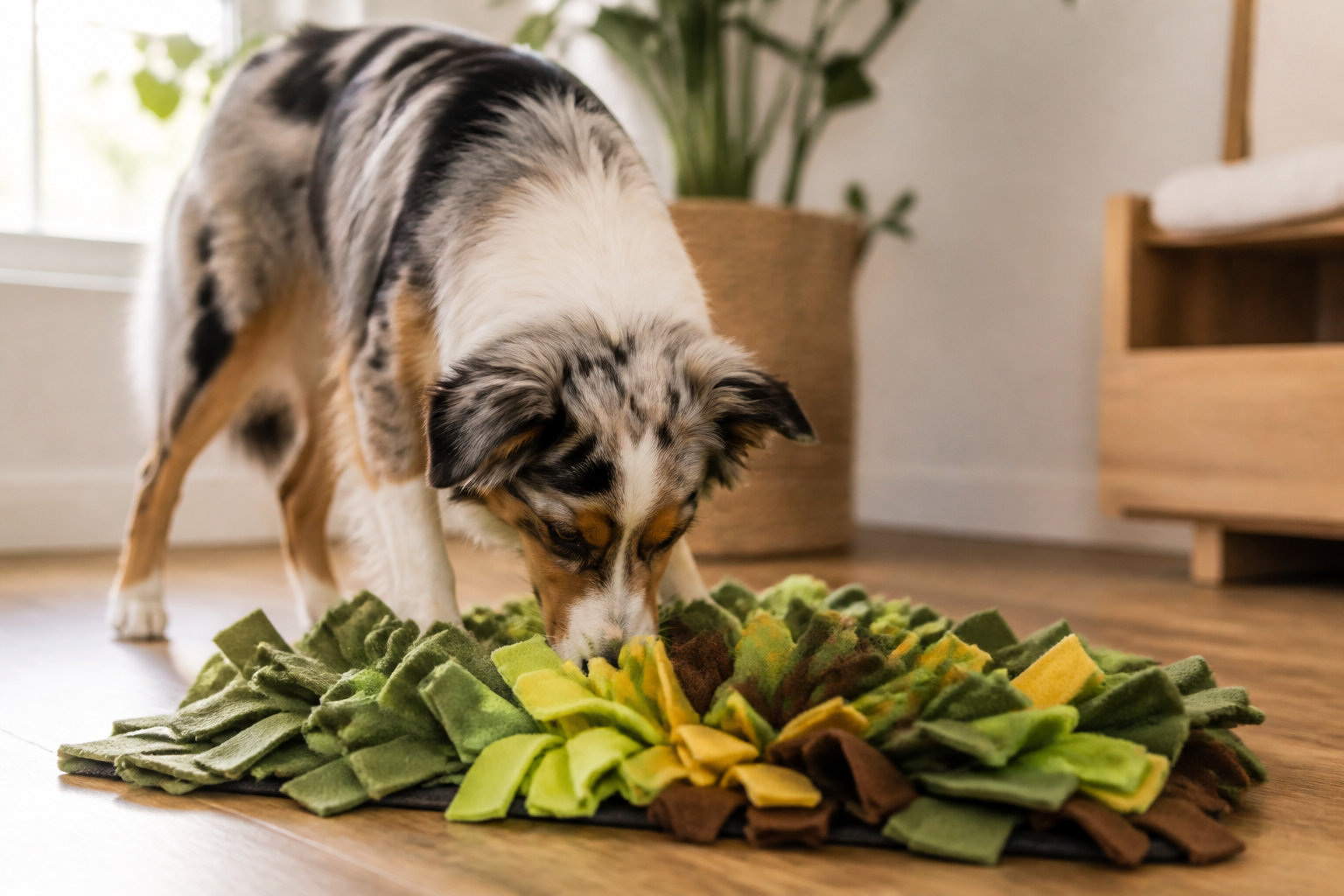
Quick Answer: A snuffle mat is a fabric enrichment toy with felt or fleece strips that hide dry food or treats. It encourages natural foraging behaviors, slows down fast eaters, and provides mental stimulation that can tire a dog out more effectively than a short walk.
The Mechanics of the Snuffle Mat
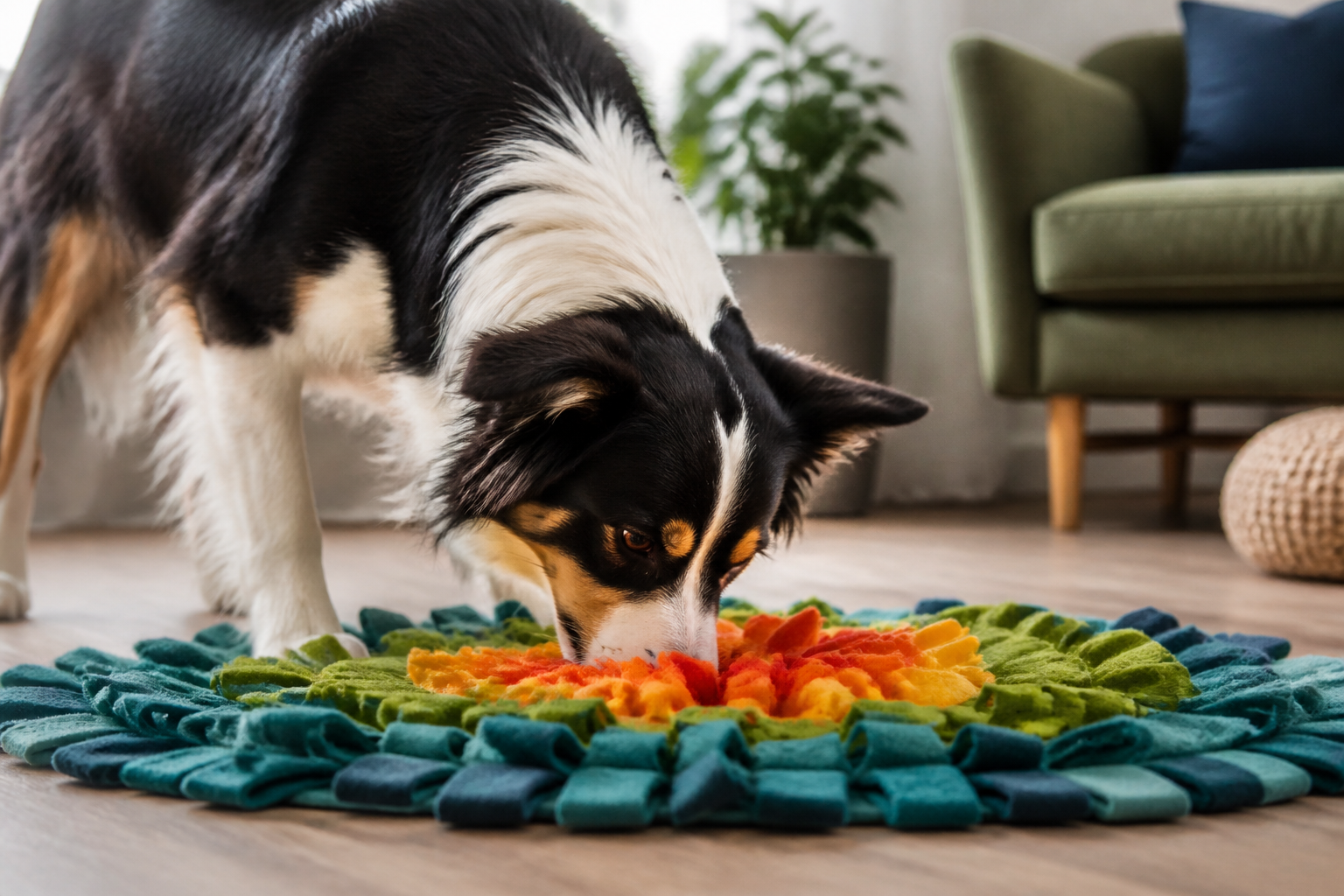
A snuffle mat is a relatively simple invention that yields complex results for a dog’s brain. Most designs consist of a sturdy plastic or fabric base with hundreds of fabric strips woven through it. These strips create a dense, shaggy surface that mimics tall grass or forest floor debris. When you tuck kibble or small treats deep into these folds, you are creating a scent-based scavenger hunt.
Dogs perceive the world primarily through their noses. While humans rely on sight, a dog’s olfactory system is roughly 40 times larger than ours. When a dog uses their nose to solve a puzzle, they are engaging a massive portion of their brain. This type of "nose work" is naturally rewarding and intrinsically calming for canines. For additional ideas, explore these dog brain games and scent-based activities.
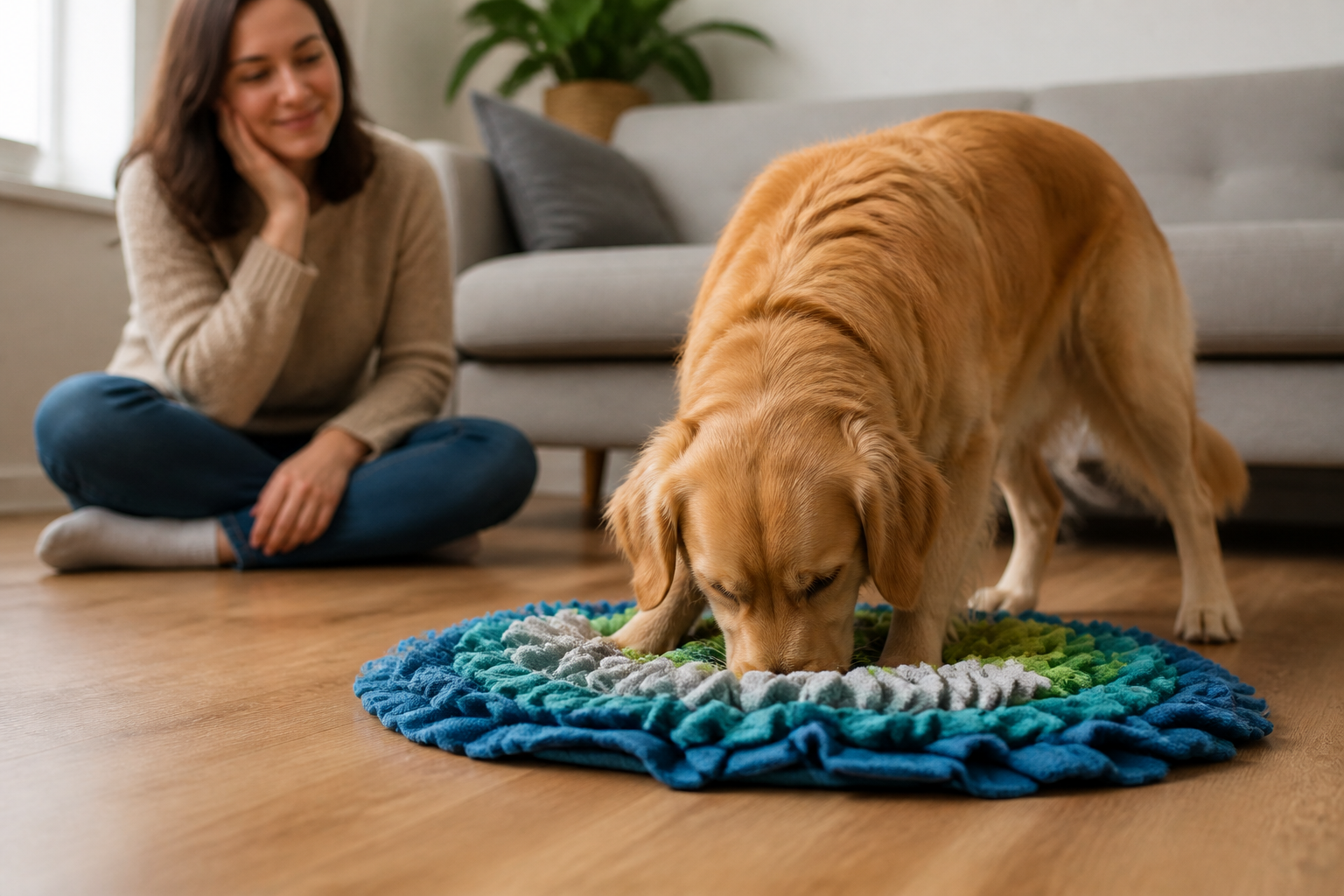
The physical act of snuffling involves deep, rhythmic sniffing. This behavior has been shown to lower a dog's heart rate and reduce cortisol levels. It is a productive way for them to process energy without the high-impact stress of running or jumping. For apartment dwellers or those living in regions with extreme weather, this indoor activity is a lifesaver.
Slowing Down the Speed Eater
One of the most practical uses for these mats is managing mealtime. Many dogs suffer from "scarfing," which is the habit of eating food so quickly that they swallow excessive amounts of air. This can lead to digestive upset, regurgitation, and a dangerous condition called bloat.
Using a snuffle mat for daily meals forces a dog to find every individual piece of kibble. This turns a thirty-second meal into a ten or fifteen-minute activity. By slowing down the ingestion process, the dog's body has more time to signal that it is full. This can help with weight management and overall digestive health. Our slow-feed bowls and enrichment feeders offer additional options for dogs who eat too quickly.
If your dog struggles with chronic digestive issues or severe anxiety during meals, it is important to look at their health holistically. Our pharmacy offers a wide range of FDA-approved medications and prescription diets through our partnership with Pet's Choice. If your veterinarian recommends a specific prescription food for weight loss or sensitive stomachs, you can often use those dry formulas directly in a mat to combine medical care with enrichment.
Vet Tip: If your dog frequently gulps food and then vomits or appears distressed, consult your veterinarian to rule out underlying medical conditions or the risk of bloat. A snuffle mat is a great tool, but some digestive issues require prescription diets or medical management from a professional.
Mental Enrichment and Anxiety Relief
Mental fatigue is just as important as physical fatigue. Many owners find that their dogs are still "revved up" even after a long walk. This is often because the dog's body is tired, but their mind is still searching for a task.
A snuffle mat provides that missing "job." It is particularly effective for:
- High-intelligence breeds like Border Collies or Poodles who need constant tasks.
- Puppies who are still learning how to settle down in the house.
- Rescue dogs who may feel anxious in new environments and need a calming distraction.
- Senior dogs who can no longer go for long runs but still need cognitive engagement.
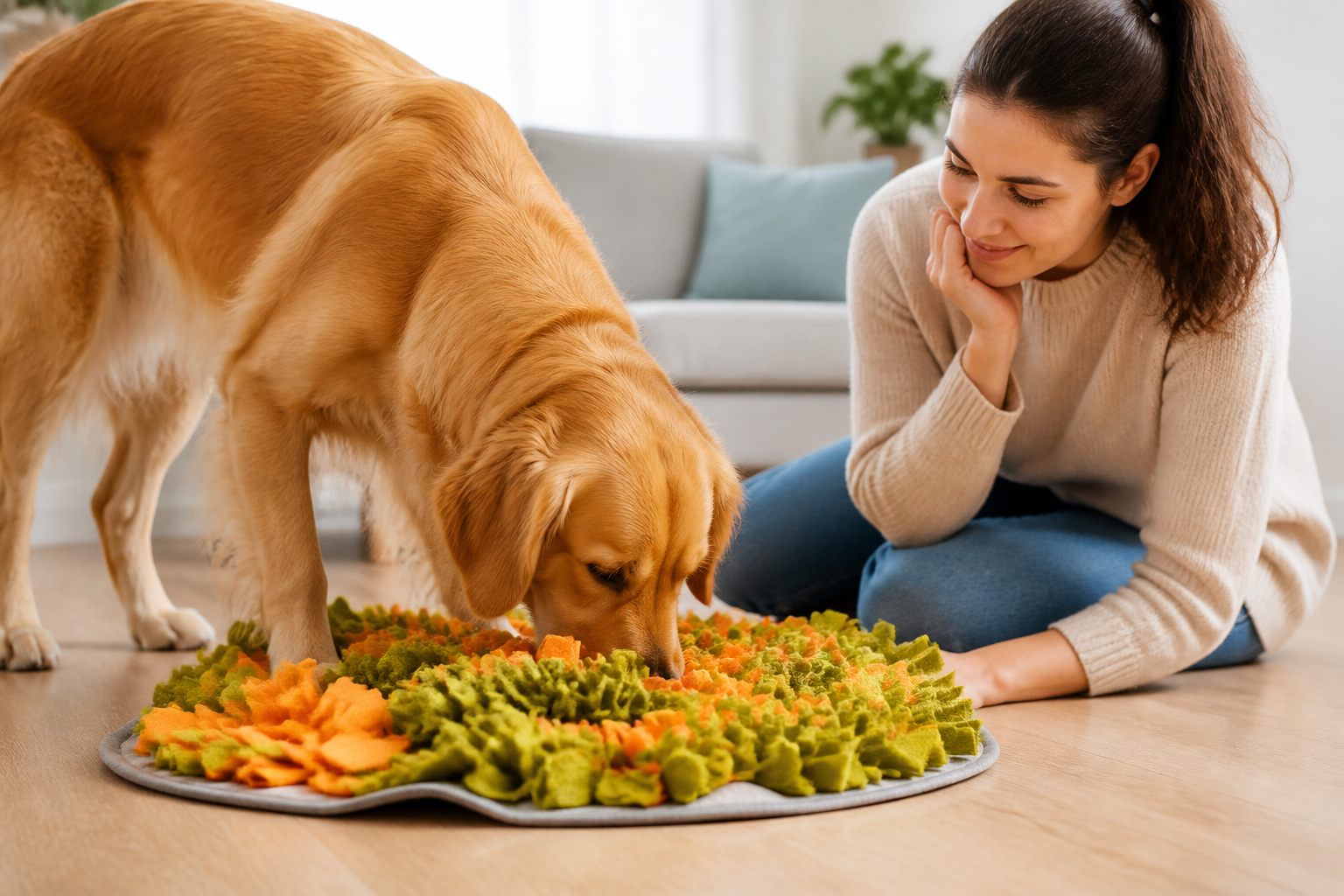
When a dog successfully finds a treat in the mat, their brain releases dopamine. This creates a positive feedback loop. Over time, the mat becomes a signal to the dog that it is time to focus and calm down. It is an excellent tool to use when you have guests over or when you are preparing to leave the house, as it keeps the dog occupied during high-stress moments. More indoor activity ideas are available in this guide to creating enrichment for dogs at home.
Key Takeaway: Fifteen minutes of concentrated sniffing is often as tiring for a dog as an hour-long walk. It burns mental energy, lowers stress, and helps build confidence through successful foraging.
Choosing the Right Design for Your Dog
Not all mats are created equal. When shopping for your pet, consider their size, their chewing habits, and how you plan to use the tool. We carry various brands that focus on different aspects of durability and engagement. You can compare options such as the PetDreamHouse SPIN Snuffle Mat Dog Slow Feeder.
Material and Safety
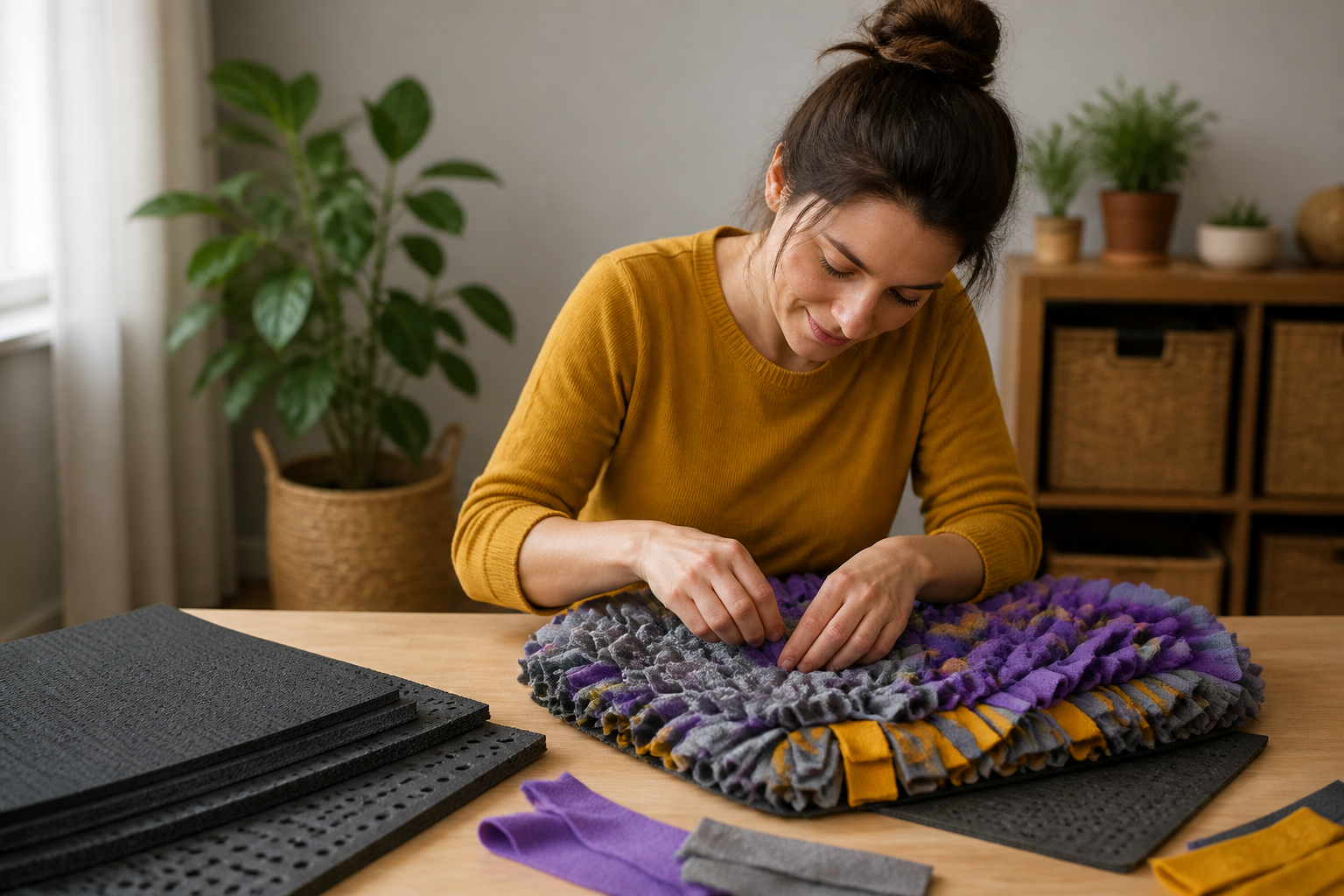
Most high-quality mats are made from heavy-duty felt or polar fleece. These materials are soft on a dog’s nose and mouth, which is important since they will be pushing their snout deep into the fabric. Avoid mats with loose threads or cheap plastic parts that could be easily chewed off and swallowed.
Base Construction
The base of the mat should be heavy or have an anti-slip coating. If the mat is too light, an enthusiastic dog might simply pick it up and shake it to get the treats out. A weighted base or a silicone backing keeps the mat in place on hardwood or tile floors, ensuring the dog actually has to use their nose to find the food.
Size and Complexity
Smaller dogs or beginners may do best with a simple, standard shag design. For advanced foragers or larger breeds, look for mats that include "bonus" obstacles like fabric pockets, cups, or folded "flowers" that hide the treats more effectively. The foufou Dog fouFIT Hide n' Seek Snuffle Dog Toy Mat is one example of a more interactive design.
Step-by-Step Introduction to Snuffling
Do not expect your dog to know exactly how to use the mat immediately. Some dogs might get frustrated if the treats are too hard to find at first. Following a gradual introduction will ensure they enjoy the process.
Step 1: Start simple. / Place the mat on the floor and sprinkle a few high-value treats right on top of the fabric strips where they are clearly visible.
Step 2: Use a cue word. / As your dog approaches, use a consistent command like "Find it" or "Search." This helps them associate the mat with a specific activity.
Step 3: Increase the depth. / Once your dog understands the game, start tucking the treats slightly under the first layer of fabric. Watch them use their nose to move the strips aside.
Step 4: Hide the treats deep. / Eventually, you can bury the kibble at the very bottom of the mat. You can even ruffle the fabric with your hand after loading it to make the scavenger hunt more challenging.
Step 5: End the session. / When the food is gone, pick the mat up and put it away. This prevents your dog from turning the fabric into a chew toy once the "game" is over.
Bottom line: Controlled introduction prevents frustration and ensures the dog views the mat as a rewarding puzzle rather than a frustration.
Safety and Supervision Guidelines
While snuffle mats are generally safe, they are not chew toys. It is vital to supervise your dog during their sniffing sessions. Some dogs, particularly those with high prey drives or a history of destructive chewing, may try to rip the strips out of the base.
If you see your dog starting to paw at the mat aggressively or attempting to tear the fabric, gently interrupt them. Direct them back to sniffing. If they continue to chew, remove the mat and try again later when they are in a calmer state.
Ingesting fabric can cause serious intestinal blockages. If you suspect your dog has eaten a portion of their mat, contact your veterinarian immediately. For those with dogs that have a history of swallowing non-food items, you might want to look into the medical and mobility section of our website for safer, hard-rubber puzzle alternatives like those from KONG. You can also consider a KONG Licks Dog Mat as an alternative enrichment format.
Monitoring for Multi-Pet Households
If you have more than one dog, it is best to let them use their snuffle mats in separate rooms or behind a gate. Even the friendliest dogs can become "resource guardy" when high-value treats are involved in a game. Giving each pet their own space ensures the activity remains a stress-relief exercise rather than a source of conflict.
Cleaning and Maintenance Tips
Because these mats are used with food and come into frequent contact with dog saliva, they can become a breeding ground for bacteria if not cleaned regularly. A dirty mat can also lose its "scent appeal" if it starts to smell like old, stale grease.
- Shake it out: After every use, take the mat outside and give it a vigorous shake to remove any leftover crumbs or saliva-soaked debris.
- Machine wash: Most fleece and felt mats are machine washable. Use a fragrance-free, pet-safe detergent. We recommend placing the mat inside a laundry bag or pillowcase to prevent the fabric strips from getting caught in the machine's agitator.
- Air dry: Avoid the dryer if possible, as high heat can damage the anti-slip backing or shrink the fabric strips. Hang the mat to air dry completely before using it again.
- Check for wear: Inspect the mat after every wash. If you notice loose strips or a fraying base, it is time to replace it.
Regular cleaning keeps the mat hygienic and ensures your dog is only smelling the fresh treats you have just hidden.
Snuffle Mats for Senior Dogs and Special Needs
Senior dogs often face a decline in physical mobility, but their minds remain sharp. As dogs age, they may develop signs of cognitive dysfunction, similar to dementia in humans. Keeping their brains active is one of the best ways to support their long-term health.
A snuffle mat is a perfect "low-impact" sport for a senior dog with arthritis or joint stiffness. They can stand, sit, or even lie down while they forage. It provides a sense of accomplishment and keeps them engaged with their environment without taxing their joints.
For dogs managing significant health shifts or cognitive decline, we often suggest looking into supplements like Senilife or Cosequin. Our pharmacy can also assist with prescription medications that support brain health in aging pets. Combining these medical supports with regular mental stimulation like snuffling can significantly improve a senior dog's quality of life.
Vet Tip: For senior pets, mental stimulation is a form of physical therapy for the brain. Always consult your vet before starting a new supplement or medication to ensure it fits with your dog's current health plan.
Integrating Enrichment into Your Routine
A snuffle mat does not have to be a special occasion item. It works best when it is part of a predictable daily routine. Many owners find success using it during the "witching hour"—that time in the early evening when dogs often get a burst of restless energy while the humans are trying to relax or cook dinner.
You can also use the mat as a reward for successful training sessions. After a dog has worked hard on "sit," "stay," or "heel," ten minutes of free-form foraging is a great way to let them decompress. For more ideas, read about puzzles, play, and other dog boredom busters.
At BaxterBoo, we have been helping pet owners find the right gear since 2006. We have seen firsthand how simple tools like these can transform a household. Whether you are dealing with a puppy who cannot sit still or an older dog who needs a bit of extra joy in their day, the right enrichment makes all the difference.
Conclusion
The snuffle mat is more than just a toy. It is a bridge between a dog's natural instincts and their life in a modern human home. By encouraging foraging, you are giving your dog a healthy outlet for their energy, slowing down their eating habits, and reducing their overall stress levels.
To get the most out of this tool:
- Supervise every session to prevent chewing.
- Use dry, smelly treats or kibble to keep them engaged.
- Wash the mat frequently to maintain hygiene.
- Consult your vet if you are using the mat to manage a specific health condition like obesity or anxiety.
If you are ready to start your dog on a journey of mental enrichment, check out our interactive dog toys and slow feeders. You can also save on your favorite treats and health supplies by joining the MVP Rewards program or setting up an Autoship order for recurring deliveries.
FAQ
Can I use wet food in a snuffle mat?
It is generally not recommended to use wet food or raw diets in a fabric snuffle mat. The moisture will soak into the felt or fleece, making it very difficult to clean and potentially leading to mold or bacterial growth. If you use wet food, a silicone lick mat is a much better and more hygienic alternative.
How often should I wash my dog's snuffle mat?
You should wash the mat at least once a week if it is being used daily. If your dog is a heavy drooler or if you are using particularly oily treats, you may need to wash it more frequently. Always check the mat for crumbs and odors after each use to determine if it needs a deep clean.
Will a snuffle mat stop my dog from chewing furniture?
While a snuffle mat provides mental stimulation that can reduce boredom-based chewing, it is not a cure-all for destructive behavior. It helps redirect a dog’s energy, but if your dog is chewing furniture due to teething or severe separation anxiety, you should consult a professional trainer or your veterinarian. Our pharmacy also carries calming aids that can assist with behavioral management.
Is a snuffle mat safe for puppies?
Yes, snuffle mats are excellent for puppies as they help develop their scenting skills and provide a calm activity during the high-energy puppy stages. However, puppies are also prone to chewing on fabric during the teething phase. You must supervise them closely to ensure they are sniffing for treats rather than trying to eat the mat itself.