
 Save 15% on your 1st Autoship learn more

 Email us
 Live Chat
 FAQs





Introduction
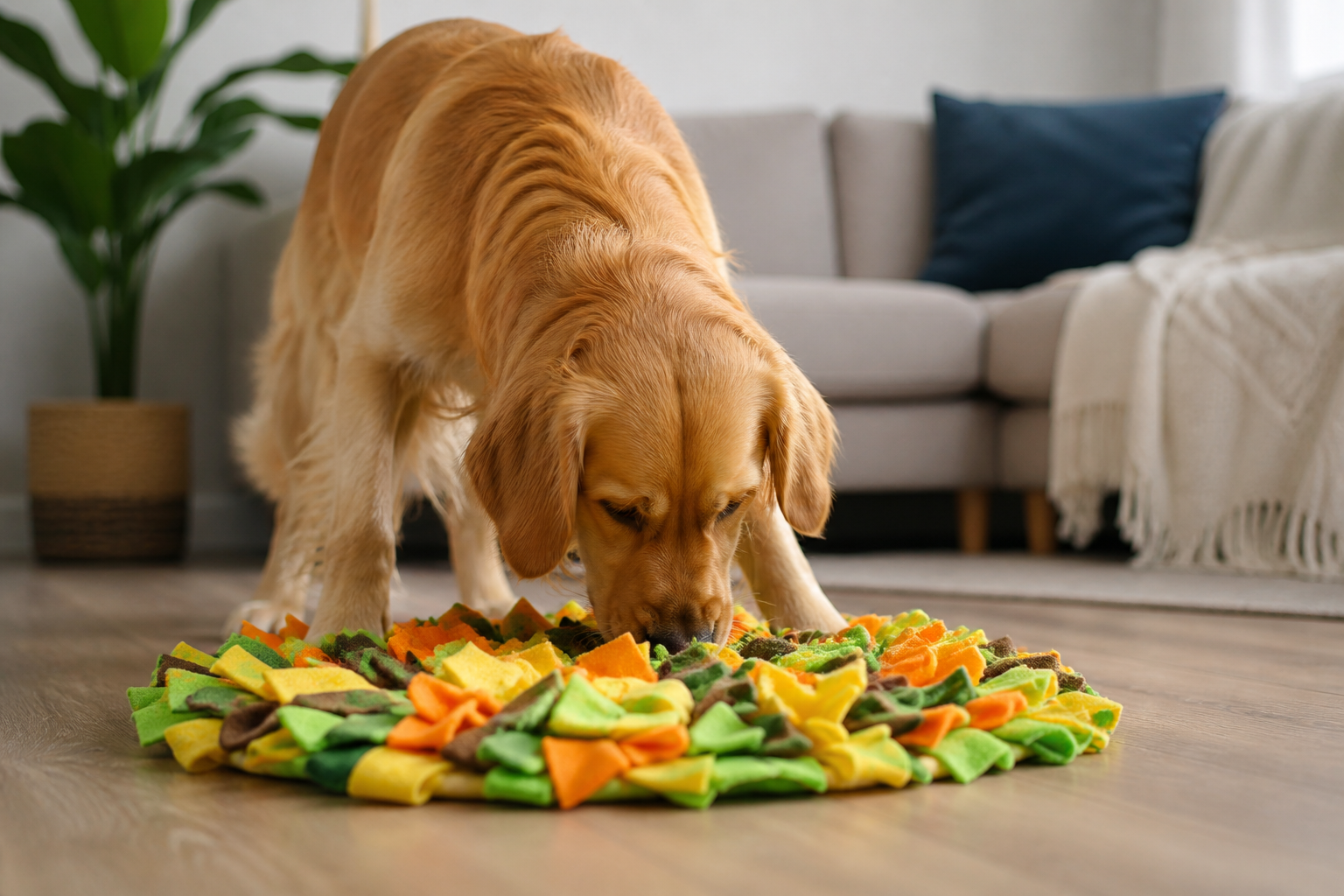
It is a rainy Tuesday afternoon and your high-energy dog is pacing the living room floor. You have already played three rounds of indoor fetch. You have practiced sitting and staying until both of you are bored. Yet, your pup still has that restless glint in their eye. This is the exact moment many pet owners reach for a dog activity snuffle mat. These simple fabric puzzles are designed to channel a dog’s natural foraging instincts into a productive, calming activity. At BaxterBoo, we have watched these tools become a staple for owners of everything from rambunctious puppies to aging seniors. This post covers the science behind sniffing, how to choose the right mat, and the best ways to keep the game safe and clean. Learning to use a snuffle mat effectively can transform your indoor routine and provide the mental workout your dog craves.
Quick Answer: A snuffle mat is a fabric puzzle that hides dry food or treats within folds of material. It engages a dog's sense of smell to provide mental stimulation, reduce anxiety, and slow down fast eaters.
The Science of Sniffing and Enrichment
A dog does not see the world the way humans do. While we rely heavily on our eyes, a dog uses their nose to interpret their surroundings. Research shows that the parts of a dog’s brain dedicated to scent are much larger than ours. In fact, their sense of smell is thousands of times more sensitive. When a dog sniffs, they are not just catching a scent. They are processing data about who was there, what they ate, and how they were feeling.
Using a dog activity snuffle mat taps directly into this biological superpower. Foraging is a natural behavior for canines. In the wild, they would spend a large portion of their day searching for food. Modern life often removes this challenge. We put a bowl of kibble on the floor, and the "hunt" is over in thirty seconds. By hiding food in a mat, you reintroduce the puzzle. This mental effort is exhausting in a good way. Experts often say that fifteen minutes of intense sniffing can tire a dog as much as a one-hour walk. For more ideas, explore brain games for dogs.
This type of enrichment is also linked to emotional health. The act of sniffing triggers the release of dopamine in a dog’s brain. This is a feel-good hormone that promotes relaxation. If you have a dog that struggles with storm anxiety or general restlessness, a snuffle session can help them decompress. It gives them a job to focus on, which naturally lowers their heart rate and settles their mind.
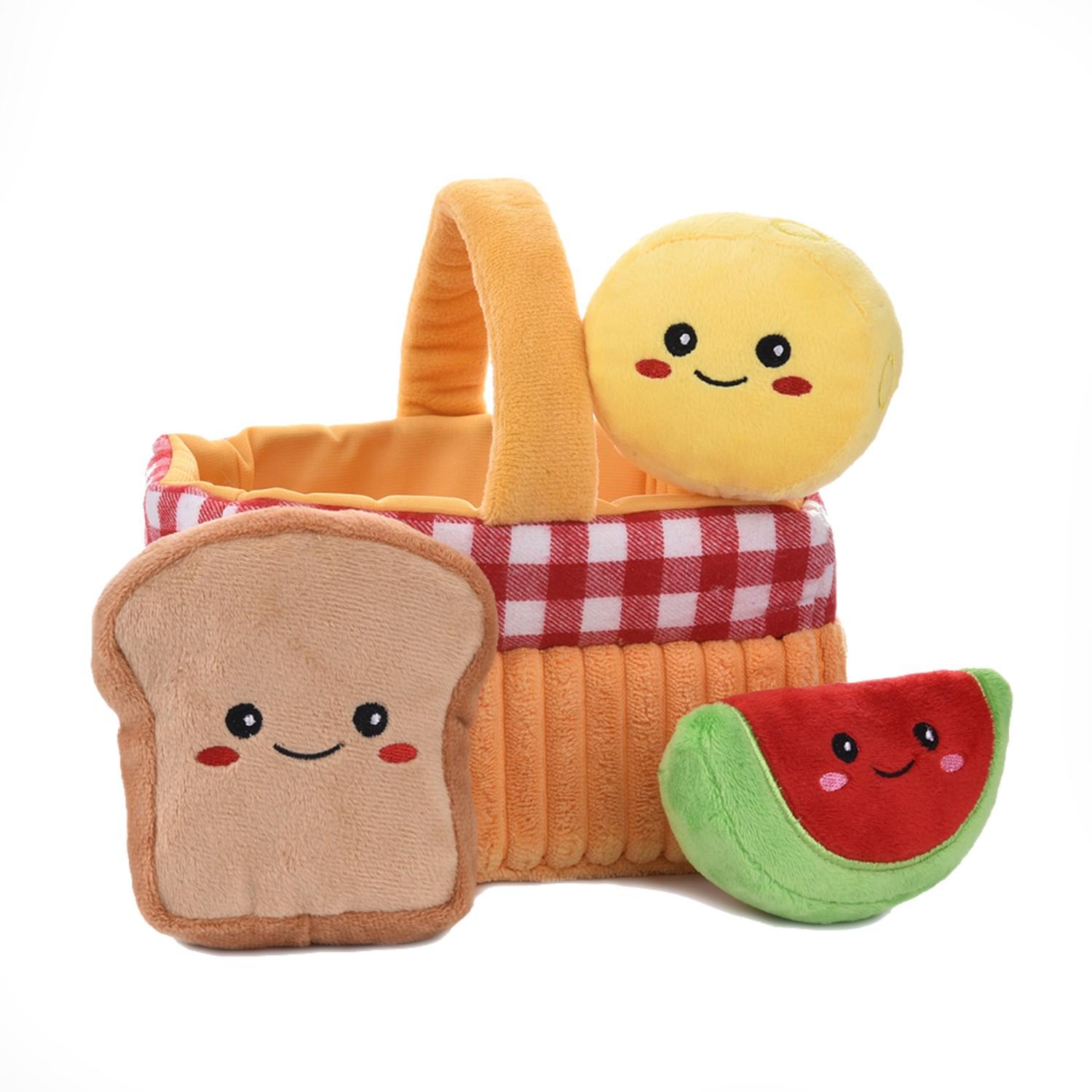
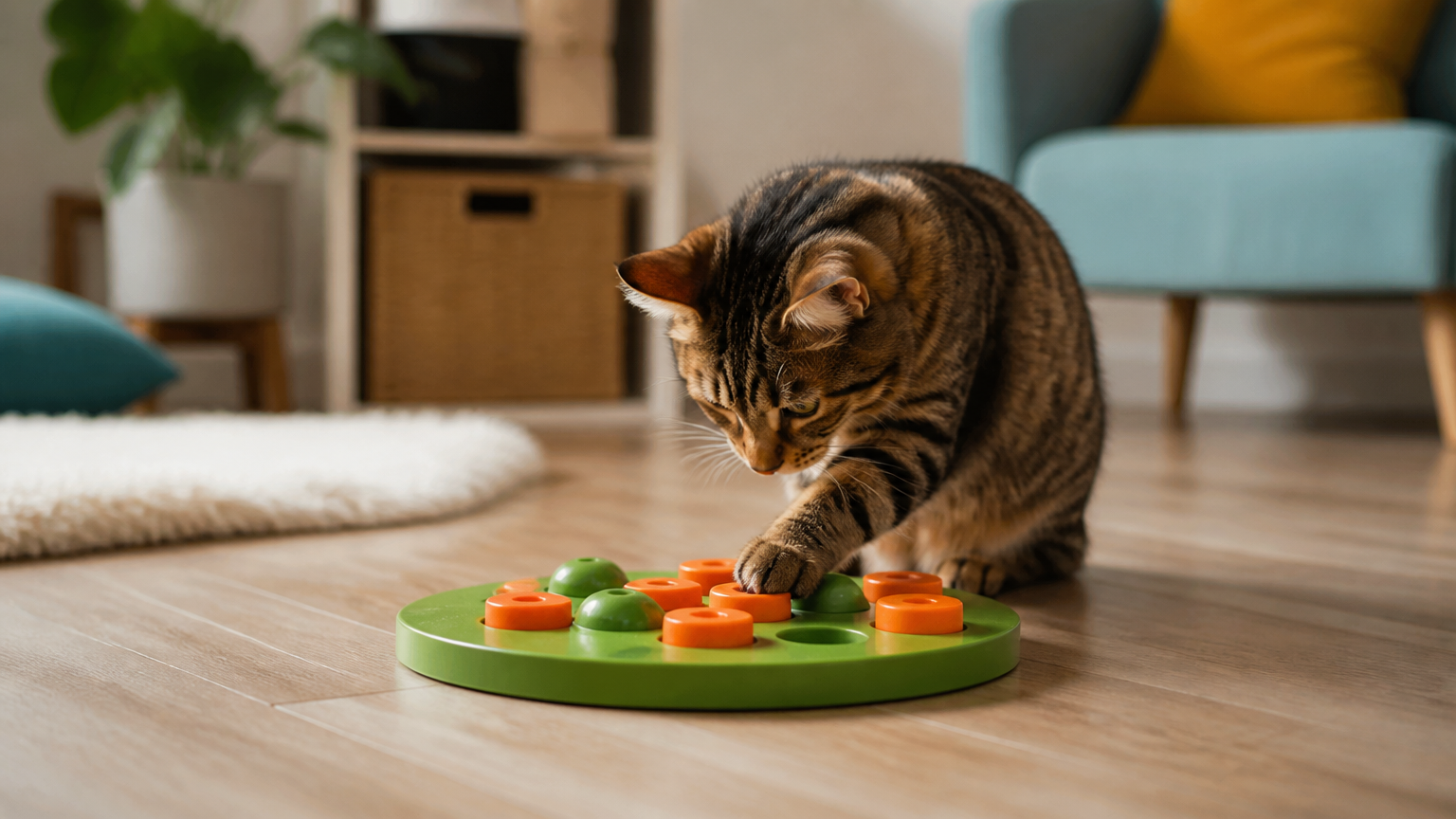
Interactive and Treat Dog Toys








Solving Mealtime Problems with a Snuffle Mat
One of the most practical uses for a snuffle mat is managing a "scarfer." Some dogs eat their meals so fast that they barely chew. This is more than just a bad habit. Eating too quickly can lead to digestive upset, choking, or a life-threatening condition called bloat. Traditional slow-feeder bowls work well, but a dog activity snuffle mat takes it a step further.
When you sprinkle kibble into the deep fabric "grass" of a mat, your dog has to work for every single piece. They cannot take a giant mouthful. Instead, they must use their nose to find a piece and their tongue to retrieve it. This turns a thirty-second meal into a fifteen-minute event. This extra time allows their stomach to send signals to their brain that they are full, which is helpful for weight management. You can also compare other options in our interactive and treat dog toy category.
Key Takeaway: Snuffle mats act as a biological "reset" button. They provide a healthy outlet for energy by mimicking natural foraging behaviors that tire the brain more effectively than physical exercise alone.
Choosing the Right Design for Your Pup
Not all snuffle mats are created equal. When you are looking through our collection at BaxterBoo, you will notice different textures, sizes, and difficulty levels. Choosing the right one depends on your dog’s size and their experience with puzzles.
Material and Durability
Most mats are made from felt or fleece. These materials are soft enough to be gentle on a dog’s nose and mouth. However, they vary in thickness. A beginner dog might do best with a mat that has long, loose strips of fabric. This makes the food relatively easy to find. For a "pro" sniffler, look for a mat with varied textures like cups, pockets, and overlapping petals. These designs require more manipulation to reach the treats.
Stability and Safety
Look for a mat with a non-slip backing. As dogs get excited about their treats, they tend to push the mat across the floor. A rubberized or weighted bottom keeps the mat in place so your dog can focus on the scent rather than chasing the toy. You should also consider the base material. Some mats use a plastic grid base, while others are entirely fabric. If your dog is a known chewer, a full fabric mat is usually safer to prevent them from gnawing on hard plastic.
Portability and Storage
If you travel with your pet, look for a mat that rolls up or cinches into a bowl shape. These are much easier to pack in a suitcase or store in a kitchen drawer. Some designs even include a drawstring that turns the mat into a carrying bag for toys.
Vet Tip: If your dog is a frantic eater or has a history of digestive issues, talk to your veterinarian about using a snuffle mat as their primary feeding method. They may also suggest prescription diets for sensitive stomachs. Our pharmacy carries FDA-approved prescription pet foods through our partnership with Pet's Choice for dogs needing specific nutritional support.
How to Introduce the Mat to Your Dog
If you just drop a fully loaded mat in front of a dog who has never seen one, they might get frustrated. They might try to pick the whole thing up and shake it to get the food out. To prevent this, you should introduce the mat in stages.
Step 1: Start with high-value treats.
Place a few smelly treats on the very top of the fabric. Do not hide them yet. Let your dog see the treats and eat them easily. This creates a positive association with the mat.
Step 2: Increase the difficulty slowly.
Once your dog understands that the mat holds food, start tucking the treats just slightly under the first layer of fabric. They should be able to see part of the treat but need to use their nose to nudge the fabric aside.
Step 3: Hide the "jackpot."
When your dog is confidently sniffing, hide treats deep inside the pockets or folds. Use a release command like "find it" or "go work" to tell them the game has started.
Step 4: Supervise the session.
Always watch your dog while they use the mat. If they start to paw at it or try to chew the fabric, gently redirect them back to sniffing. If they continue to chew, pick the mat up and try again later. For additional indoor activity ideas, read our guide to indoor enrichment.
Bottom line: Success with a snuffle mat depends on building confidence, so start with easy wins before making the puzzles more complex.
Best Foods and Treats for Snuffling
The choice of food is just as important as the mat itself. You want something that smells strong enough to be enticing but is small enough to fit in the folds.
- Dry Kibble: This is the easiest option for daily mealtime. It does not leave a mess and is easy to shake out of the mat.
- Freeze-Dried Treats: Brands like Stella & Chewy's offer freeze-dried raw bites that have a very strong scent. These are perfect for training sessions. You can browse our selection of Stella & Chewy's products.
- Crunchy Biscuits: Small pieces of broken-up biscuits or training treats like those from Kong or Greenies work well. You can also explore our dog food selection for dry food options.
- Avoid Wet Food: Never put canned food, peanut butter, or fresh meat in a snuffle mat. These will soak into the fabric, create a bacterial breeding ground, and are very difficult to clean out.
If you are concerned about your dog's calorie intake, remember to subtract the treats used in the mat from their daily meal portion. You can also join the MVP Rewards program to earn points on your favorite treats and food, which helps keep the "rewards" budget in check while you keep your pup entertained.
Maintaining Hygiene and Cleaning
Because snuffle mats are regularly covered in food and dog saliva, they can get dirty quickly. A dirty mat is not just smelly. It can grow mold or harbor bacteria that could make your dog sick. Most high-quality mats are machine washable, but you should always check the manufacturer's label.
To keep your mat in good shape, shake it out over a trash can after every single use. This removes any leftover crumbs that might go stale or attract pests. Once a week, or whenever the fabric starts to feel damp or stiff, give it a deep clean.
- Washing: Use a pet-safe, unscented detergent. Fragrant detergents can be overwhelming for a dog’s sensitive nose and might even discourage them from using the mat.
- Drying: Air drying is usually the safest bet to prevent the fabric from shrinking or the non-slip backing from melting. If you must use a dryer, use the lowest heat setting possible.
- Inspection: While the mat is clean, check for loose threads or frayed edges. If a piece of fabric is hanging loose, trim it off so your dog does not swallow it.
Safety Precautions for Aggressive Chewers
While most dogs love a dog activity snuffle mat, they are not suitable for every single pet. If your dog is an aggressive chewer who views every soft object as a "seek and destroy" mission, you must be extra cautious. The strips of fleece or felt can be swallowed if a dog rips them off the base. This can lead to intestinal blockages, which are serious medical emergencies.
If you know your dog has a habit of eating fabric, a snuffle mat should only be used under 100 percent supervision. The moment the food is gone, pick the mat up and put it away in a closed cupboard. Do not leave it on the floor as a toy. If your dog is more interested in eating the mat than the treats inside, a hard plastic puzzle toy might be a better choice for their enrichment needs. For more toy-selection guidance, see our definitive guide to the best dog toys.
Why Snuffle Mats Are Great for Senior Dogs
As dogs age, their physical abilities often decline. They might have arthritis or vision loss that prevents them from going on long hikes or playing intense games of fetch. However, their brain and their nose usually stay sharp much longer.
A dog activity snuffle mat is one of the best ways to keep a senior dog engaged without putting stress on their joints. It allows them to "hunt" while standing still or even lying down. This mental stimulation is vital for preventing cognitive dysfunction, which is similar to dementia in humans. Keeping an older dog’s brain active can improve their overall quality of life and help them stay more alert and happy in their golden years. You can find more ideas in our guide to choosing toys for senior dogs.
Key Takeaway: Snuffle mats are an inclusive enrichment tool. They are just as valuable for a senior dog with limited mobility as they are for a high-energy puppy.
Using Snuffle Mats for Training and Behavior
Beyond simple fun, these mats are excellent tools for behavioral training. You can use a mat to practice "stay" and "wait" commands. Make your dog sit and stay while you load the mat with treats. They must wait for your permission before they are allowed to start sniffing. This builds impulse control, which is a vital skill for every dog to have.
You can also use the mat as a distraction in stressful situations. If your dog gets nervous when guests arrive or when you are trying to fold laundry, give them the mat. It provides an "alternate behavior" that is more rewarding than jumping on people or barking at the vacuum. Because sniffing is naturally calming, it helps shift their brain from a state of arousal to a state of focus.
Summary of Best Practices
To get the most out of your dog activity snuffle mat, consistency is key. Make it a regular part of your pup's routine rather than something you only pull out when it rains. By integrating it into their daily life, you provide a predictable outlet for their energy.
- Choose a mat based on your dog's size and chewing habits.
- Start with easy-to-find treats on the surface.
- Transition to hiding kibble deep in the folds for longer sessions.
- Supervise every session to prevent chewing or ingestion of fabric.
- Wash the mat regularly with pet-safe detergent.
- Store the mat out of reach when it is not in use.
We have seen firsthand how much joy these simple tools bring to pets. Whether you are trying to slow down a fast eater or just want to give your best friend something fun to do, a snuffle mat is a fantastic investment.
Conclusion
A dog activity snuffle mat is more than just a toy. It is a bridge back to your dog’s natural instincts. By encouraging them to use their nose, you are supporting their mental health, physical safety, and emotional well-being. From slowing down mealtime to providing a quiet activity for a senior pet, the benefits are clear. We invite you to explore our selection of enrichment toys and gear to find the perfect fit for your pup's personality.
Bottom line: Adding a snuffle mat to your dog’s routine is one of the simplest and most effective ways to improve their daily life through mental enrichment.
To start your dog's foraging journey, check out our full collection of interactive toys and puzzles. You can also sign up for our Autoship programme to ensure you never run out of the smelly treats your dog loves to find in their mat.
FAQ
Can I leave my dog alone with a snuffle mat?
No, you should always supervise your dog while they use a snuffle mat. Some dogs may try to chew or swallow the fabric strips once the treats are gone, which can cause a choking hazard or an intestinal blockage. Always pick the mat up and store it out of reach as soon as the sniffing session is over.
How often should I wash my dog's snuffle mat?
You should wash the mat at least once a week if you use it daily. If your dog drools heavily or if you use treats that leave a crumbly residue, you may need to wash it more often. Regular cleaning prevents the buildup of bacteria, mold, and stale food smells that can be unpleasant for both you and your dog.
What if my dog just tries to flip the mat over to get the food?
If your dog flips the mat, it usually means they are frustrated or do not yet understand the game. Go back a step and place high-value treats on top of the fabric so they can get a quick reward without flipping it. You can also try using a mat with a heavier base or securing the mat to a piece of furniture if it has built-in loops or ties.
Are snuffle mats good for puppies?
Yes, snuffle mats are excellent for puppies because they provide a safe, low-impact way to burn off energy. They are particularly helpful during the teething phase or when a puppy is learning basic commands like "sit" and "wait." Just ensure the puppy is not chewing on the fabric, as their sharp teeth can easily tear the material.


- Site & Contents BaxterBoo.com. BaxterBoo is located in the United States.
- Privacy & Security
- Terms of Use
- Accessibility Statement
