Save 15% on your 1st Autoship learn more

 Email us
 Live Chat
 FAQs
FAQs





Introduction
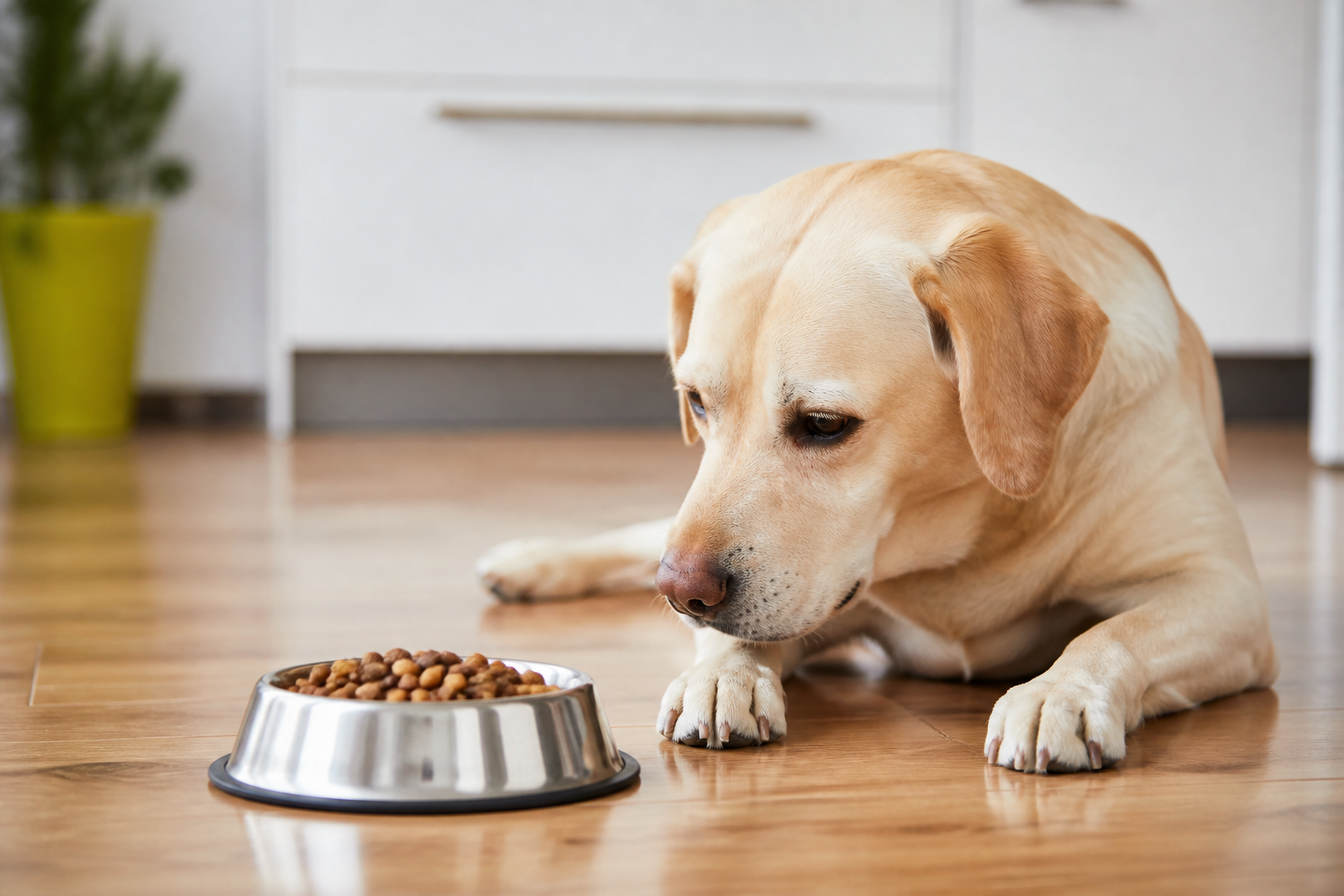
You walk into the kitchen and find your dog vacuuming up the last bits of kibble from the cat's bowl. It is a scene played out in multi-pet households across the country every single day. Dogs often find the rich, meaty scent of cat food far more enticing than their own dinner. You might wonder if this sneaky snacking is a harmless habit or a reason to call the emergency vet. At BaxterBoo, we know that managing a household with both dogs and cats requires a bit of strategy. While a few stray kibbles are usually not an emergency, feeding cat food to your dog regularly can lead to serious health complications. This post covers the nutritional differences between the species, the immediate risks of "stolen" meals, and how to protect your dog’s long term wellness. Understanding why these foods are different is the first step in keeping both your pets healthy.
Quick Answer: For most healthy dogs, a small amount of dry cat food will not cause immediate harm. However, the high fat and protein levels can cause stomach upset, and long term use leads to nutritional imbalances or conditions like pancreatitis.
The Main Differences Between Dog and Cat Food
It is easy to assume that all pet kibble is roughly the same. After all, they often look and smell similar to the human nose. However, dogs and cats have fundamentally different biological requirements. Cats are obligate carnivores, which means their bodies require nutrients found only in animal tissue to survive. Dogs are omnivores, meaning they can thrive on a diet that includes both animal and plant based ingredients.
Because of these biological needs, cat food is much more calorie dense. It contains significantly higher levels of protein and fat than standard dog food. The Association of American Feed Control Officials (AAFCO) sets different minimum standards for each. For example, adult cat food must have at least 26 percent protein, while dog food only requires 18 percent.
The vitamin and mineral profiles are also quite different. Cats cannot produce certain essential nutrients on their own, so their food is heavily supplemented. This includes taurine, an amino acid vital for heart and eye health. Cats also need preformed Vitamin A and arachidonic acid, which dogs can often produce within their own bodies. When a dog eats cat food, they are getting a "megadose" of these nutrients that they do not actually need.
Key Takeaway: Cat food is designed for a strict carnivore's metabolism, making it too rich and nutritionally unbalanced for a dog's long term health.
Why Dogs Find Cat Food Irresistible
If your dog constantly tries to break into the cat's bowl, they are not just being naughty. They are following their nose. Manufacturers design cat food to be highly palatable for a species that can be notoriously finicky. This usually means higher fat content and more intense meat flavorings.
To a dog, cat food tastes like a "premium" version of their own food. It is essentially the pet world's version of junk food. It is rich, salty, and packed with fat. This is why many dogs will ignore a bowl of high quality dog food if they think they can get a few bites of the cat's dinner instead.
We see this often with picky eaters. Owners might be tempted to mix in some cat kibble just to get their dog to eat. While this works in the short term, it creates a difficult cycle. The dog learns to hold out for the "better" food, and their nutritional health begins to slide. For additional ideas, see our guide to dry dog food for picky eaters.
Immediate Risks: The "One-Time" Snack
If your dog manages to eat a significant amount of cat food in one sitting, the first thing you will likely notice is digestive upset. Because the fat content is so much higher than what they are used to, it can be a shock to their system. You might see symptoms like:
- Loose stools or diarrhea
- Vomiting
- Abdominal bloating or gas
- General lethargy
Most of the time, these symptoms are mild and pass within 24 hours. However, for dogs with sensitive stomachs, even one large meal of cat food can be problematic. If the vomiting is persistent or if you see blood in the stool, a vet visit is necessary.
Our pet pharmacy carries several options for managing mild digestive upset through our partnership with Pet's Choice. If your vet recommends a specific supplement or medication to settle your dog's stomach, we can help you fulfill that need. It is always better to be proactive when your dog is showing signs of discomfort.
Vet Tip: If your dog eats a large amount of cat food, monitor them closely for 24 to 48 hours. If they stop eating their regular food or seem to be in pain, consult your vet to rule out more serious complications.
Long Term Health Complications
The real danger of dry cat food for dogs is not the occasional stolen bite. The danger lies in habit. If cat food becomes a regular part of a dog's diet, several chronic issues can develop.
Weight Gain and Obesity
Because cat food is so calorie dense, even small portions can lead to rapid weight gain in dogs. Canine obesity is a leading cause of joint pain, heart disease, and decreased lifespan. A dog eating cat food is essentially consuming a "super-sized" meal every time they eat.
Kidney and Liver Strain
The high protein levels in cat food are appropriate for a cat’s metabolism but can be hard on a dog’s organs. The kidneys and liver have to work harder to process and filter the excess protein and minerals. Over time, this extra work can contribute to organ damage, especially in senior dogs or those with underlying health conditions.
Pancreatitis
This is perhaps the most serious acute risk. Pancreatitis is an inflammation of the pancreas, often triggered by a meal that is too high in fat. It is incredibly painful and can be life threatening. Symptoms include hunched back, severe vomiting, and a painful abdomen. Certain breeds, like Miniature Schnauzers, are genetically more prone to this condition and should never have access to high fat cat food.
Bottom line: Feeding cat food to dogs consistently replaces balanced nutrition with excessive fats and proteins that can damage vital organs.
Managing a Multi-Pet Household
Preventing your dog from eating cat food is usually a matter of logistics rather than training. Dogs are scavengers by nature, and the temptation of a bowl of cat food is often too high for "leave it" commands to work when you are out of the room. Here are several practical ways to keep the bowls separate.
Step 1: Use elevated feeding stations. / Most cats are excellent climbers while many dogs are not. Placing the cat's bowl on a sturdy counter, a cat tree, or a dedicated wall shelf keeps the food well out of your dog's reach.
Step 2: Install a pet gate with a small door. / You can use a baby gate or a pet gate to block off a specific room for the cat. Many gates come with a small "cat door" built in that allows the feline through but stops even medium sized dogs.
Step 3: Consider microchip activated feeders. / These are a fantastic technological solution. The feeder only opens when it senses the specific microchip or collar tag of your cat. This completely prevents the dog from accessing the food even if it is sitting on the floor.
Step 4: Set a strict feeding schedule. / Instead of free feeding your cat, move to scheduled mealtimes. Put the food down for 20 minutes and then pick up whatever is left. This removes the opportunity for your dog to scavenge throughout the day.
We carry a variety of gates and feeding solutions at BaxterBoo to help you manage these household hurdles. Sometimes a simple physical barrier is all it takes to keep your dog's diet on track.
When to Seek Professional Guidance
If your dog has made a habit of eating cat food, they may need a professional "reset." This is especially true if you notice changes in their thirst, coat quality, or energy levels. A veterinarian can run blood work to ensure their kidney and liver values are within the normal range.
If your dog has developed a health condition like pancreatitis or kidney disease because of their diet, your vet might prescribe a therapeutic food. These are specially formulated to manage specific illnesses. Our pharmacy offers FDA approved prescription pet foods and medications through Pet's Choice. This makes it easy to get exactly what your vet ordered delivered right to your door.
Vet Tip: Never switch your dog to a prescription diet without a veterinarian's diagnosis. These foods are formulated with specific nutrient restrictions that are only beneficial for dogs with confirmed medical needs.
Training Tips to Discourage Scavenging
While physical barriers are the most effective, training can help reduce your dog's obsession with the cat's bowl. Teaching a strong "leave it" command is essential for every dog owner. Start by practicing with low value items and work your way up to kibble.
You should also ensure your dog is genuinely satisfied with their own food. If your dog is constantly hunting for scraps, they might not be getting enough fiber or calories from their own meals. Check the feeding guidelines on your dog food bag or talk to your vet about their ideal caloric intake. Our guide to choosing the right dry dog food offers additional nutrition considerations.
Providing your dog with their own high value treats can also help. When you feed the cat, give your dog a long lasting chew or a stuffed toy in a different room. This creates a positive association with being away from the cat's food and gives them something appropriate to focus on.
Nutritional Deficiencies in Reverse
It is worth noting that while cat food is "too much" for dogs, dog food is "not enough" for cats. If your pets are swapping bowls, your cat is also at risk. A cat eating dog food will quickly become deficient in taurine, which can lead to blindness and heart failure.
In a multi-pet home, the goal is "species specific nutrition." Each animal's bowl should be a "no fly zone" for the other. This ensures that everyone gets exactly what they need to thrive without the risks of excess or deficiency.
Bottom line: Maintaining strict feeding boundaries protects both the dog from "over-nutrition" and the cat from "under-nutrition."
Summary of Risks by Dog Life Stage
The impact of eating dry cat food can vary depending on how old your dog is.
- Puppies: Growth requires very specific calcium and phosphorus ratios. The high mineral content in cat food can interfere with proper bone and joint development.
- Adult Dogs: The main risks are weight gain and the occasional bout of diarrhea. However, the risk of pancreatitis is always present with high fat meals.
- Senior Dogs: This group is at the highest risk. Aging kidneys and livers are less able to process the high protein and sodium levels found in cat food.
No matter the age, your dog will always be better off sticking to a high quality dog food formulated for their specific life stage. Our adult dog food selection makes it easier to compare age-appropriate options.
Conclusion
Finding your dog in the cat food is a common headache for pet owners, but it does not have to be a health crisis. While a few bites of dry cat food generally will not hurt your dog, it is important to prevent it from becoming a regular occurrence. The high fat and protein levels are simply too much for the canine system to handle over time. By using elevated feeders, pet gates, or scheduled mealtimes, you can keep your dog’s diet balanced and their health on track. If your dog has managed to eat a large amount of cat food and seems unwell, always consult your veterinarian for advice. For those managing long term health needs or looking for prescription diets, our BaxterBoo pharmacy partnership with Pet's Choice is a reliable resource for your pet's wellness journey. Staying consistent with species specific food is the best way to ensure your dog lives a long, healthy, and happy life.
- Check for signs of GI upset after any stolen meals.
- Use physical barriers like gates or high counters to separate feeding areas.
- Monitor your dog's weight to ensure "stealth calories" aren't adding up.
- Talk to your vet if your dog seems obsessed with cat food or has a sensitive stomach.
Key Takeaway: Proper nutrition is the foundation of pet health. Keep the cat food for the cats and find a high quality dog food that your pup loves just as much.
FAQ
Why is my dog so obsessed with eating the cat's dry food?
Dogs are attracted to cat food because it is much higher in fat and protein than their own kibble. This gives it a stronger, meatier aroma and flavor that dogs find nearly irresistible. To your dog, the cat's food smells like a concentrated treat rather than a standard meal.
Can a dog get pancreatitis from eating cat food just once?
Yes, it is possible for a single high fat meal to trigger a bout of pancreatitis in sensitive dogs. This is more common in certain breeds or dogs who already have sensitive digestive systems. If your dog shows signs of severe abdominal pain or persistent vomiting after eating cat food, seek veterinary care immediately.
What should I do if my dog eats a whole bowl of cat food?
If your dog eats a large amount of cat food, monitor them for vomiting, diarrhea, or lethargy. You may want to skip their next scheduled meal to give their digestive system time to process the excess fat and protein. Ensure they have plenty of fresh water and contact your vet if they seem to be in significant discomfort.
Is wet cat food more dangerous for dogs than dry cat food?
Both wet and dry cat food pose similar risks because they both contain high levels of protein and fat. However, wet cat food is often even more rich and aromatic, which can lead to more severe stomach upset in some dogs. Neither should be a regular part of a dog's diet.