
 Save 15% on your 1st Autoship learn more

 Email us
 Live Chat
 FAQs
FAQs





Introduction
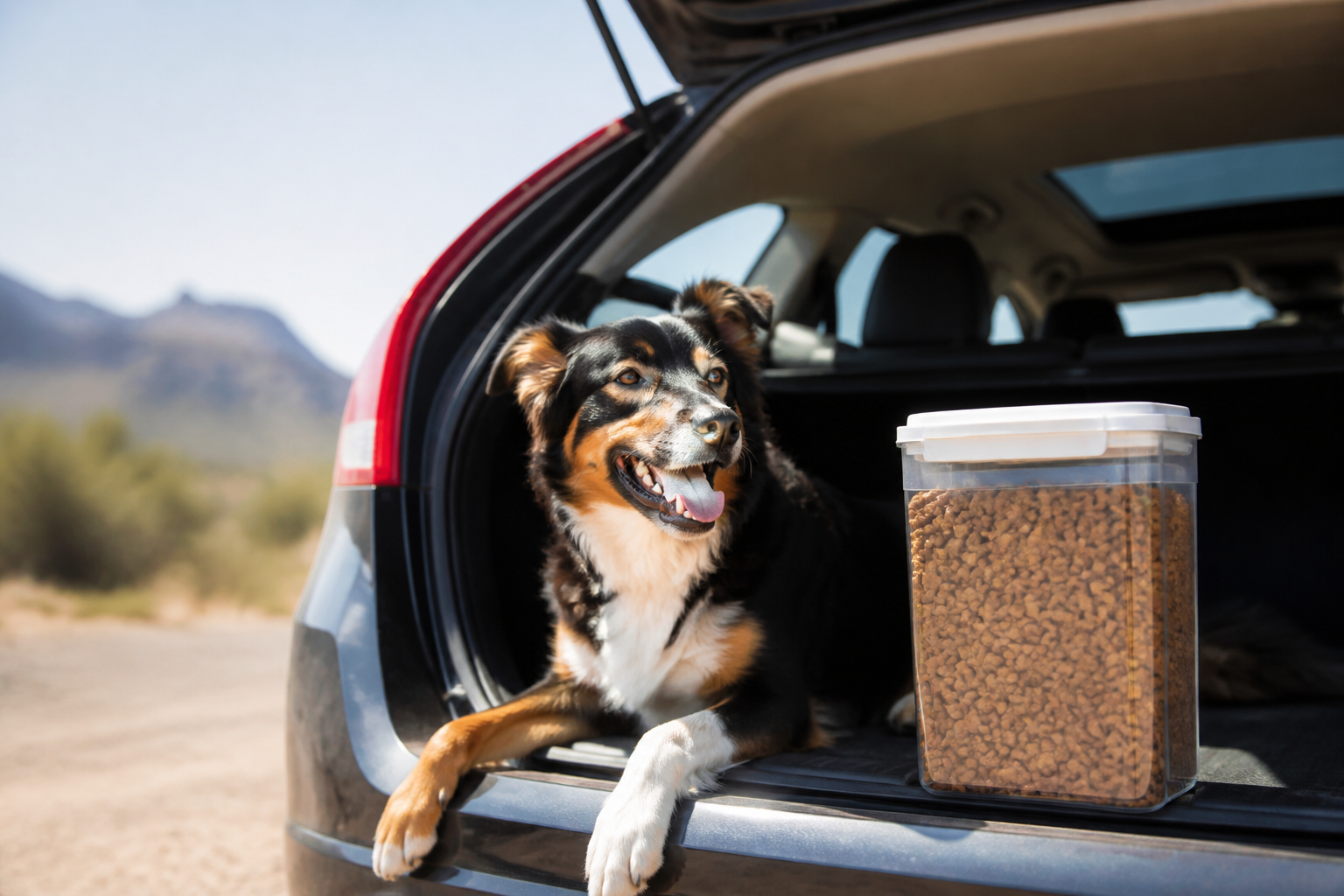
It is a common Saturday routine for many pet owners. You pick up a fresh bag of kibble at the store and then realize you have three more errands to run. As you head into the grocery store or a hardware shop, your car sits in the sun. The interior temperature begins to climb, turning your vehicle into a makeshift oven. You might wonder if that sturdy bag of dry food can handle the heat for an hour or two.
At BaxterBoo, we know that your dog's nutrition is your top priority. While dry food looks shelf-stable and tough, it is actually quite sensitive to extreme temperature changes. Leaving a bag of kibble in a hot car for even a short period can trigger chemical changes that ruin the quality of the meal. This post covers why heat is so dangerous for pet food, how to spot spoilage, and how to transport food safely. Protecting your dog’s health starts with understanding how environmental factors impact their daily diet.
Quick Answer: Dry dog food should not stay in a hot car for more than 30 to 60 minutes. High temperatures cause fats to turn rancid and destroy essential vitamins, which can lead to digestive upset or long-term nutritional deficiencies.
The Greenhouse Effect in Your Vehicle
Most people realize that cars get hot, but the speed of the temperature spike is often surprising. On a day that feels like a pleasant 70 degrees Fahrenheit, the inside of a car can reach 100 degrees in just twenty minutes. When the outdoor temperature hits 90 degrees, the interior can soar to over 140 degrees. This creates a high-heat environment that far exceeds the storage recommendations of pet food manufacturers.
Most premium brands suggest storing kibble in a cool, dry place below 75 degrees. When a bag sits in a trunk or on a backseat at 120 degrees, the structural integrity of the food begins to fail. Heat acts as a catalyst for chemical reactions. It moves through the packaging easily, even if the bag is made of thick plastic or foil. The air inside the bag expands, and the ingredients begin to react to the thermal energy.
Direct sunlight adds another layer of risk if the bag is sitting on a seat. UV rays can penetrate some types of packaging. This creates a double hit of heat and light. While the food might not look different at first glance, the molecules inside are already changing.
The Science of Rancidity and Fat Oxidation
To understand why heat is a problem, we have to look at the ingredients. High-quality dry dog foods are packed with healthy fats. These include animal fats, fish oils, and plant-based oils like flaxseed. These fats provide essential fatty acids that support your dog's skin, coat, and brain health. However, fats are the most unstable component of the kibble.
Oxidation is the process where oxygen reacts with fat molecules. Heat significantly accelerates this process. When fats oxidize, they become rancid. This is not just a matter of the food tasting bad. Rancid fats can produce toxic compounds. Feeding your dog rancid food can lead to immediate stomach issues or more serious health problems over time.
Natural preservatives are another factor. Many of the brands we carry at BaxterBoo, such as Stella and Chewy’s or Open Farm, use natural preservatives like tocopherols (Vitamin E). These natural options are great for your dog's health, but they have a shorter shelf life than synthetic chemicals. They also break down faster when exposed to high heat. Once the preservatives are exhausted by the heat, the fats have no protection against spoilage.
How Heat Destroys Essential Nutrients
Vitamins are delicate. Many of the essential vitamins added to dog food are heat-labile. This means they lose their potency or completely break down when they get too hot. Vitamin A, Vitamin E, and several B-vitamins are particularly vulnerable to temperature spikes.
When a bag of food cooks in a car for a few hours, the nutritional profile changes. The label might say the food contains a specific amount of Vitamin A, but after a heat event, that number may drop significantly. If you continue to feed this heat-damaged food, your dog might not be getting the nutrients they need for a strong immune system and healthy eyes.
The protein in the food can also be affected. While it takes much higher heat to denature protein, the combination of moisture and heat can sometimes alter the palatability of the kibble. Your dog might suddenly refuse to eat a brand they usually love. This is often their instinct telling them that the food is no longer nutritionally sound.
Key Takeaway: Heat does more than just make food old. It chemically alters the fats and strips away the vitamins, leaving your dog with a meal that is potentially toxic or nutritionally empty.
The Hidden Danger of Moisture and Mold
Dry dog food is not actually 100% dry. It usually contains about 10% moisture. This moisture is normally stable at room temperature. However, when the bag is trapped in a hot car, the moisture inside the bag begins to move. This is called moisture migration.
As the air inside the bag heats up, the moisture turns into vapor. When the car eventually cools down or the bag is moved into a cool house, that vapor condenses. It often settles on the surface of the kibble or against the walls of the bag. This creates tiny "hot spots" of dampness.
Warmth and moisture are the two things mold needs to thrive. Even if you cannot see fuzzy green growth, mycotoxins can begin to develop. Mycotoxins are toxic substances produced by fungi. They are invisible and odorless, but they are extremely dangerous for dogs. Symptoms of mycotoxin poisoning include:
- Sudden vomiting or diarrhea
- Tremors or stumbling
- Loss of appetite
- Extreme lethargy
If your dog shows these signs after eating from a bag that was left in the car, you should contact your veterinarian immediately. Our dog pharmacy can provide support for prescription diets if your vet determines your dog needs a specialized recovery plan after a digestive crisis.
Signs Your Dog Food Has Gone Bad
You should always inspect a bag of food if it has been left in a vehicle for more than an hour on a warm day. Use your senses to check for signs of spoilage. Dogs have a much better sense of smell than humans, but some dogs will eat anything even if it is bad for them. It is your job to be the first line of defense.
The Smell Test
Open the bag and take a deep breath. Fresh kibble should smell like grain, meat, or nuts. If you smell something sour, metallic, or similar to old paint or wet cardboard, the fats are rancid. Any off-putting or pungent odor is a sign that the food should be discarded.
The Texture Test
Kibble should feel dry and slightly crunchy. If the pieces feel sticky, "sweaty," or unusually oily, heat has likely drawn the fats and moisture to the surface. This is a primary indicator that the food has been compromised.
The Visual Check
Look for any signs of clumping. If the kibble is sticking together in the corners of the bag, moisture has been present. You should also look for a fine white or grey dust that looks different from the usual "fines" or crumbs at the bottom of the bag. This can sometimes be early mold growth.
Vet Tip: If your dog accidentally consumes spoiled food, monitor them closely for signs of distress. Always consult your veterinarian if you notice persistent vomiting or neurological signs like tremors. They can help determine if your pet needs supportive care or a temporary prescription diet for gastrointestinal recovery.
How to Transport Pet Food Safely
You can prevent food spoilage by changing how you handle your pet store trips. A little planning goes a long way in ensuring the food stays fresh from the warehouse to the bowl.
Step 1: Make the pet store your last stop. / Do not pick up the food at the start of your errands. Plan your route so that the very last thing you do is grab the kibble before driving straight home.
Step 2: Keep it in the cabin. / Avoid putting the dog food in the trunk. The trunk lacks ventilation and acts like an insulator for heat. Place the bag on the floor of the backseat and keep the air conditioning running.
Step 3: Use a thermal barrier. / If you have a long drive home, consider wrapping the bag in a heavy moving blanket or a thermal grocery bag. This provides a buffer against the rising interior temperature of the car.
Step 4: Check the seal. / Before leaving the store, ensure the bag has no rips or tears. An airtight seal is your best defense against moisture and oxygen during the trip.
Proper Storage Once You Get Home
Once the food is safely inside, the goal is to keep it at a consistent temperature. Many people make the mistake of storing dog food in the garage or a laundry room. These areas often have high humidity and temperature fluctuations that can be just as damaging as a hot car over time.
Keep the food in its original bag if possible. Most high-quality bags are designed to keep oxygen out and maintain freshness. If you prefer using a plastic bin, place the entire bag inside the bin rather than pouring the kibble out. This prevents fats from seeping into the plastic, which can go rancid and contaminate future batches of food.
For more storage guidance, read how long dry dog food stays fresh once opened.
If you are managing a dog with specific health needs, such as a senior dog on a prescription diet from our pharmacy, storage is even more critical. These specialized formulas often contain delicate ingredients that require strict climate control to remain effective.
What to Do If the Food Is Ruined
If you realize a bag has been sitting in a 120-degree car for four hours, the safest choice is to throw it out. It can be frustrating to lose the money spent on a large bag of premium food. However, the cost of a veterinary emergency visit far outweighs the price of a new bag.
Some retailers may offer an exchange if the bag is unopened and you explain the situation, but this depends on their specific return policy. At BaxterBoo, we emphasize quality and safety above all else. If you are unsure about the safety of a product, we always recommend err on the side of caution.
Key Takeaway: When in doubt, throw it out. The health risks of feeding heat-damaged kibble are too high to justify saving a few dollars.
Supporting Your Dog's Health Beyond the Bowl
Managing your dog's nutrition involves more than just buying the right brand. It includes how you handle, store, and serve that food. When food is compromised by heat, it affects everything from your dog's energy levels to their digestive comfort.
For dogs with sensitive stomachs or chronic health conditions, the quality of every meal is vital. Our partnership with Pet's Choice allows us to offer a full range of FDA-approved medications and prescription foods through our pharmacy. If your dog has a reaction to spoiled food or needs a specific diet to manage allergies or weight, we can help you get the exact products your vet recommends.
Operating since 2006, we have seen how much pet owners care about the details. We carry over 500 brands to ensure you have access to the best nutrition possible. Whether you are looking for a grain-free option like Zesty Paws or a raw-coated kibble from Stella and Chewy’s, keeping those products cool is the key to their success.
Maximizing Value and Freshness
To avoid the stress of running errands with pet food in the car, many of our customers use our Autoship program. This allows you to have your favorite brands delivered directly to your door on a schedule that works for you. Not only do you save on your first order, but you also receive a free MVP Gold membership.
The MVP Rewards program is another way to get value without compromising on quality. You can earn up to 5% back on your purchases. This makes it easier to replace a bag if an accident happens and your food gets overheated in the car. We also offer a Frequent Buyer Program on many participating brands, helping you earn free products faster.
For additional storage ideas, see how to keep dog food dry for freshness and safety.
Bottom line: Protecting your dog's food from heat is an essential part of responsible pet ownership that ensures your dog gets the full nutritional benefit of every bite.
FAQ
How long can dry dog food stay in a car on a 80 degree day?
Even on an 80-degree day, the interior of a car can reach 100 degrees within 20 minutes and 120 degrees within an hour. It is best to limit the food's time in the car to under 30 minutes. Any longer than an hour puts the food at significant risk for fat oxidation and nutrient loss.
Does an unopened bag of dog food protect it from the heat?
An unopened bag provides a barrier against outside moisture and pests, but it does not insulate against heat. Thermal energy moves through plastic, paper, and foil packaging easily. The internal temperature of the food will eventually match the temperature of the car, regardless of whether the seal is broken.
Can I still feed my dog food if it smells slightly different?
If you notice any change in the smell of the kibble, it is safest to discard it. A sour or metallic scent usually indicates that the fats have turned rancid. Dogs may still eat rancid food, but it can cause digestive distress and long-term health issues due to the presence of free radicals and toxic compounds.
What are the symptoms of a dog eating heat-spoiled food?
The most common symptoms include vomiting, diarrhea, and a refusal to eat. In cases where mold has developed due to condensation, you might see more severe signs like muscle tremors, lack of coordination, or lethargy. If your dog shows any of these signs after a meal, contact your veterinarian immediately for guidance.






