
 Save 15% on your 1st Autoship learn more

 Email us
 Live Chat
 FAQs
FAQs





Introduction
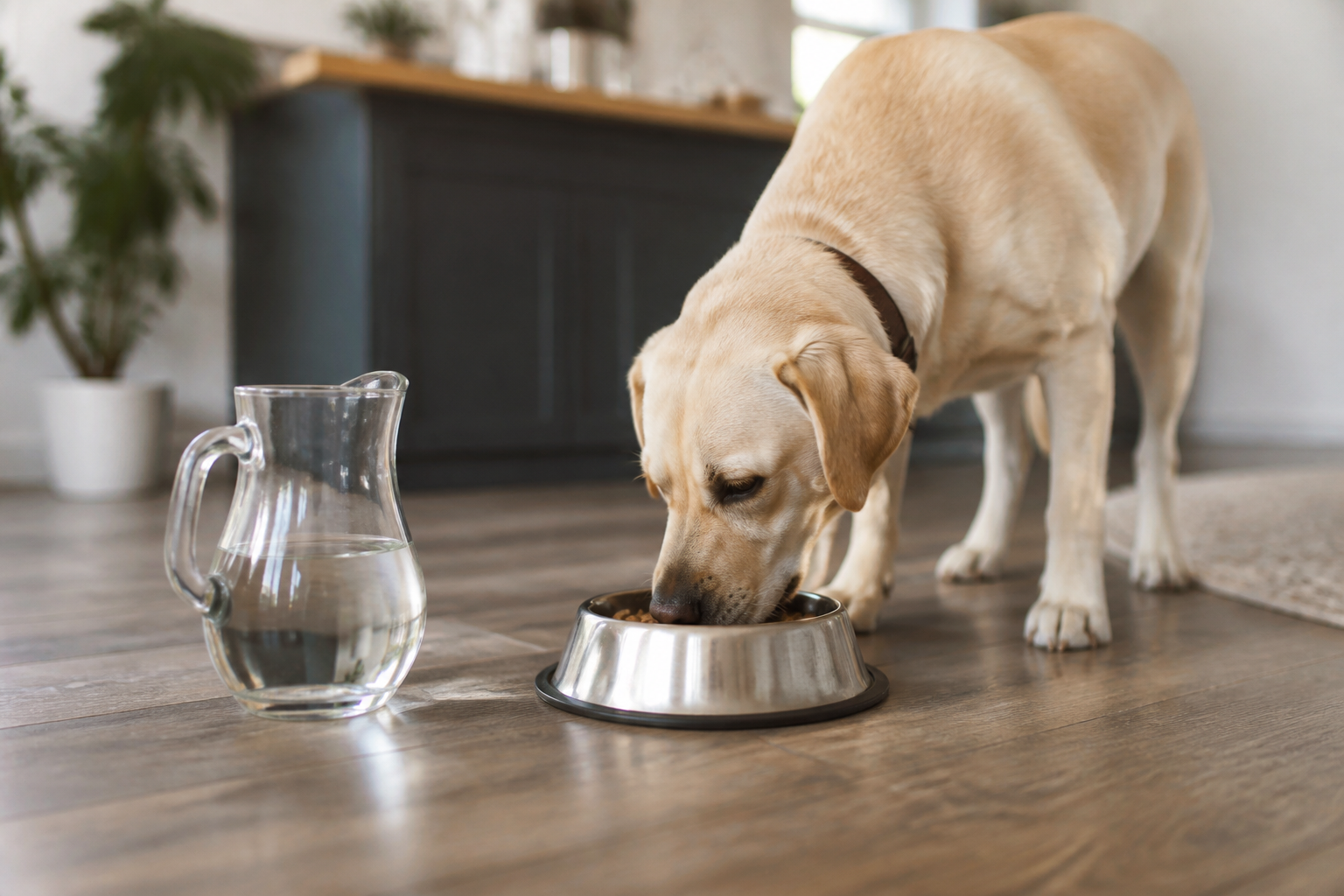
You are standing over your dog’s bowl, scoop in hand, wondering if those hard brown nuggets are actually providing enough moisture. It is a common scene for many pet owners who want to ensure their companions are getting the best nutrition possible. While dry kibble is convenient and shelf-stable, many of us at BaxterBoo have noticed that adding a little liquid can transform a standard meal into a hydrating, aromatic experience. This post will cover the benefits of adding moisture to your dog's diet, the best liquids to use, and the safety precautions you need to take. We will also look at how hydration affects different life stages, from energetic puppies to aging seniors. Adding liquid to kibble is generally a great idea for hydration and palatability, but it requires a careful approach to hygiene.
Quick Answer: Adding water or broth to dry dog food is an excellent way to improve hydration, boost aroma for picky eaters, and aid digestion. It is particularly helpful for puppies and seniors, provided you serve the meal immediately to prevent bacterial growth.
Why Dog Owners Consider Hydrating Kibble
Dry dog food usually contains only about 10 percent moisture. In contrast, a dog’s ancestral diet or a raw diet consists of roughly 70 percent moisture. This gap is one of the primary reasons owners look for ways to bridge the nutrition divide. When you add liquid to the bowl, you are not just changing the texture. You are fundamentally changing how the food interacts with your dog’s digestive system.
Many pet owners find that their dogs do not drink enough water from a standalone bowl. This can be especially true during hot summer months or for dogs that are highly active. By incorporating water directly into the meal, you ensure that your dog receives a baseline of hydration twice a day. It is a simple habit that can have long-term benefits for their overall well-being.
The Health Benefits of Moisture
Adding moisture to kibble does more than just quench thirst. It can significantly impact how your dog feels after they eat. Many dogs tend to "inhale" their food, which can lead to digestive upset or even dangerous conditions like bloat.
Boosting Hydration and Kidney Function
Water is the most critical nutrient for any living creature. It helps transport nutrients into cells and flushes toxins out of the body. For dogs, consistent hydration is vital for maintaining healthy kidney and bladder function. When a dog consumes mostly dry food, their kidneys have to work harder to process the concentrated nutrients. Adding a splash of water or bone broth can ease this burden.
Improving Digestion and Preventing Bloat
When dry kibble hits a dog's stomach, it begins to expand as it absorbs stomach acid and water. If a dog eats too quickly, this expansion happens rapidly inside the stomach. This can lead to Gastric Dilatation-Volvulus (GDV), commonly known as bloat. By hydrating the food for ten to fifteen minutes before serving, you allow that expansion to happen in the bowl instead of the stomach.
For another perspective on safely moistening kibble, read our guide to wetting dry dog food for better digestion and hydration.
Enhancing Palatability for Picky Eaters
Dogs rely heavily on their sense of smell to determine if something is worth eating. Dry kibble often has a muted scent because the fats and proteins are locked inside a hard structure. Adding warm water or a flavorful broth releases these aromas. If your dog has recently lost interest in their meals, a little moisture might be all it takes to get them excited again.
Key Takeaway: Hydrating dry food mimics a more natural moisture content, which supports kidney health and can help prevent the rapid stomach expansion that leads to digestive discomfort.
Addressing Dental Health and the Crunch Factor
A common argument against hydrating kibble is the concern over dental health. Many people believe that the hard texture of dry food helps "scrape" plaque and tartar off a dog’s teeth. While there is some truth to the abrasive nature of kibble, it is rarely enough to replace a proper dental routine.
Most dogs swallow kibble whole or only crack it once. This means the contact time between the tooth and the food is minimal. If you are worried about your dog's teeth, it is better to rely on regular brushing or dental chews from brands like Greenies. Do not let the "crunch" prevent you from adding water if your dog needs the extra hydration.
Who Should Hydrate Their Dog's Food?
While almost any dog can benefit from a little extra water, certain groups stand to gain the most. Life stage and physical health play a big role in how a dog handles their food.
Puppies and Teething
Puppies have small, sensitive teeth and developing digestive systems. During the weaning process, hydrating kibble is essential to help them transition to solid food. Even after they move to adult food, puppies may find softened kibble easier to manage while they are losing their baby teeth. It can soothe sore gums and make mealtime less of a chore.
For age-appropriate essentials, explore our puppy supplies section.
Seniors and Dental Sensitivity
As dogs age, they often develop dental issues such as broken teeth or gum disease. Chewing on hard, rock-like kibble can be painful for a senior dog. If you notice your older dog dropping food or hesitating to eat, try softening the meal. Additionally, older dogs are more prone to dehydration and kidney issues, making the extra moisture even more critical.
Dogs with Health Conditions
If your dog is managing a chronic condition like urinary crystals or kidney disease, hydration is a top priority. Your veterinarian might even prescribe a specific diet to manage these issues. Our pharmacy partnership with Pet's Choice provides access to many of these prescription diets, which can often be softened to encourage your dog to eat during treatment.
For prescription medications and specialized veterinary products, visit our pharmacy for dogs.
Vet Tip: Always consult your veterinarian before making major changes to your dog’s diet, especially if they have underlying health issues like kidney disease or chronic allergies. A vet can help you determine the right amount of moisture and the best liquid for your dog’s specific needs.
Choosing the Right Liquid for Hydration
You are not limited to just plain tap water when it comes to hydrating your dog's food. There are several options that can add both flavor and nutrition.
Warm Water
This is the easiest and most cost-effective option. Use warm water rather than cold to help release the fats and aromas in the food. Never use boiling water, as this can destroy some of the heat-sensitive vitamins added to the kibble during manufacturing. It can also burn your dog’s mouth.
Bone Broth
Bone broth is a powerhouse of nutrition. It contains collagen, glucosamine, and amino acids that support joint health and digestion. We carry specialized pet-safe broths from brands like Caru and The Honest Kitchen. These are formulated without the high sodium, onions, or garlic found in human-grade broths, which can be toxic to dogs.
For more ideas about broths, goat milk, and other additions, see our guide to what you can add to dry dog food.
Goat Milk
For dogs that need a little extra caloric boost or digestive support, goat milk is an excellent choice. Brands like Zesty Paws or The Honest Kitchen offer dehydrated or shelf-stable versions. Goat milk is often easier for dogs to digest than cow milk and contains natural probiotics.
| Liquid Type | Key Benefit | Best For |
|---|---|---|
| Warm Water | Simple and free | Every dog for daily hydration |
| Bone Broth | Joint and gut support | Picky eaters and seniors |
| Goat Milk | Probiotics and calories | Puppies and sensitive stomachs |
Step-by-Step: How to Properly Hydrate Kibble
Doing this correctly ensures your dog gets the benefits without any of the risks associated with spoilage. Follow these steps for a perfect meal.
Step 1: Measure the food. / Place the usual amount of dry kibble into a clean stainless steel or ceramic bowl.
Step 2: Add your chosen liquid. / Use a ratio of roughly one part liquid to two parts kibble. You do not need to submerge the food completely unless your dog prefers a soup-like consistency.
Step 3: Wait and soak. / Let the bowl sit for about 10 to 15 minutes. This allows the kibble to absorb the moisture and expand fully.
Step 4: Stir and serve. / Give the mixture a quick stir to distribute any remaining liquid and serve it to your dog immediately.
Step 5: Clean the bowl. / Once your dog is finished, wash the bowl with hot, soapy water to remove any lingering residue that could grow bacteria.
For additional serving guidance, read how to mix dry dog food with water.
Safety and Hygiene: Avoiding Bacteria Growth
This is the most important part of the process. Once you add water to dry food, the clock starts ticking. Dry kibble is processed to be shelf-stable, but moisture creates an environment where bacteria like Salmonella and Listeria can thrive.
- Never leave hydrated food out for more than 30 to 60 minutes.
- If your dog is a "grazer" who eats small amounts throughout the day, do not hydrate their food.
- Avoid using plastic bowls, as they can develop tiny scratches that harbor bacteria even after washing.
- Discard any uneaten portion of hydrated food immediately.
Many people try to prep meals in advance by soaking them in the fridge. While this is safer than leaving it on the counter, it is still better to prep fresh for every meal. The risk of spoilage increases the longer the moisture sits with the starches in the kibble.
Key Takeaway: Treat hydrated kibble like fresh food. Serve it immediately and clean the bowl thoroughly after every use to prevent the growth of harmful bacteria.
Managing Picky Eaters and Transitions
If your dog is used to the crunch of dry food, they might be confused by the new texture of hydrated kibble. Some dogs take to it instantly, while others may turn their noses up at the "mush."
Start by adding just a tablespoon of warm water. This provides the aroma without significantly changing the texture. Over a week, you can gradually increase the amount of liquid as your dog becomes accustomed to the change. If they still seem uninterested, try using a high-value liquid like bone broth or mixing in a small amount of wet food.
If you find a combination that your dog loves, consider using our Autoship programme. This ensures you never run out of their favorite kibble or broth toppers. Plus, it saves you money on recurring orders and includes a free MVP Gold membership for extra rewards.
Pharmacy and Specialized Dietary Needs
Sometimes, the need for hydration is linked to a specific medical requirement. Dogs with a history of bladder stones or urinary tract infections often require a high-moisture diet to keep their system flushed. In these cases, your vet may recommend a prescription diet.
Our pharmacy at BaxterBoo offers a wide range of FDA-approved prescription foods and medications through our partnership with Pet's Choice. Whether your dog needs a kidney support diet or a specific supplement for skin and coat health, we can help you manage those needs. Hydrating these specialized foods can often make them more appealing to a dog that is feeling under the weather due to a medical condition.
Conclusion
Hydrating dry dog food is a simple and effective way to support your dog’s health. It improves hydration, aids digestion, and can make mealtime much more exciting for your pet. Whether you use plain warm water or a nutrient-dense bone broth from The Honest Kitchen, the goal is to make nutrition more accessible and enjoyable. Just remember to keep things clean and serve meals promptly to ensure safety.
- Hydration supports kidney and bladder health.
- Soaking kibble can help prevent bloat in fast eaters.
- Warm liquids release enticing aromas for picky dogs.
- Clean bowls are essential to prevent bacteria growth.
If you are ready to upgrade your dog's mealtime, check out our dog food category for kibble, toppers, and other meal options.
FAQ
How long should I let the water sit in the dry food?
It is best to let the kibble soak for about 10 to 15 minutes. This gives the food enough time to absorb the liquid and expand fully before your dog eats it. If you are in a hurry, even a few minutes of soaking can help release the scent and soften the outer layer.
Can I use hot water to soak my dog's food?
You should use warm water, but never boiling water. Boiling water can degrade some of the vitamins and minerals that manufacturers spray onto the kibble after the cooking process. Additionally, water that is too hot can burn your dog's mouth and throat if they dive into the bowl too quickly.
Does soaking kibble cause it to spoil faster?
Yes, adding moisture to dry food significantly speeds up the spoilage process. Dry kibble is designed to be shelf-stable because it has very low moisture. Once you add water, bacteria can begin to grow within an hour, so you must pick up any uneaten food and wash the bowl immediately.
Will adding water to food help my dog lose weight?
Adding water can help a dog feel fuller because it increases the volume of the food without adding extra calories. If you use water instead of high-calorie toppers, it can be a helpful tool in a weight management plan. For dogs needing a specific weight loss plan, we offer prescription diets through our pharmacy for dogs.






