Save 15% on your 1st Autoship learn more

 Email us
 Live Chat
 FAQs
FAQs





Introduction
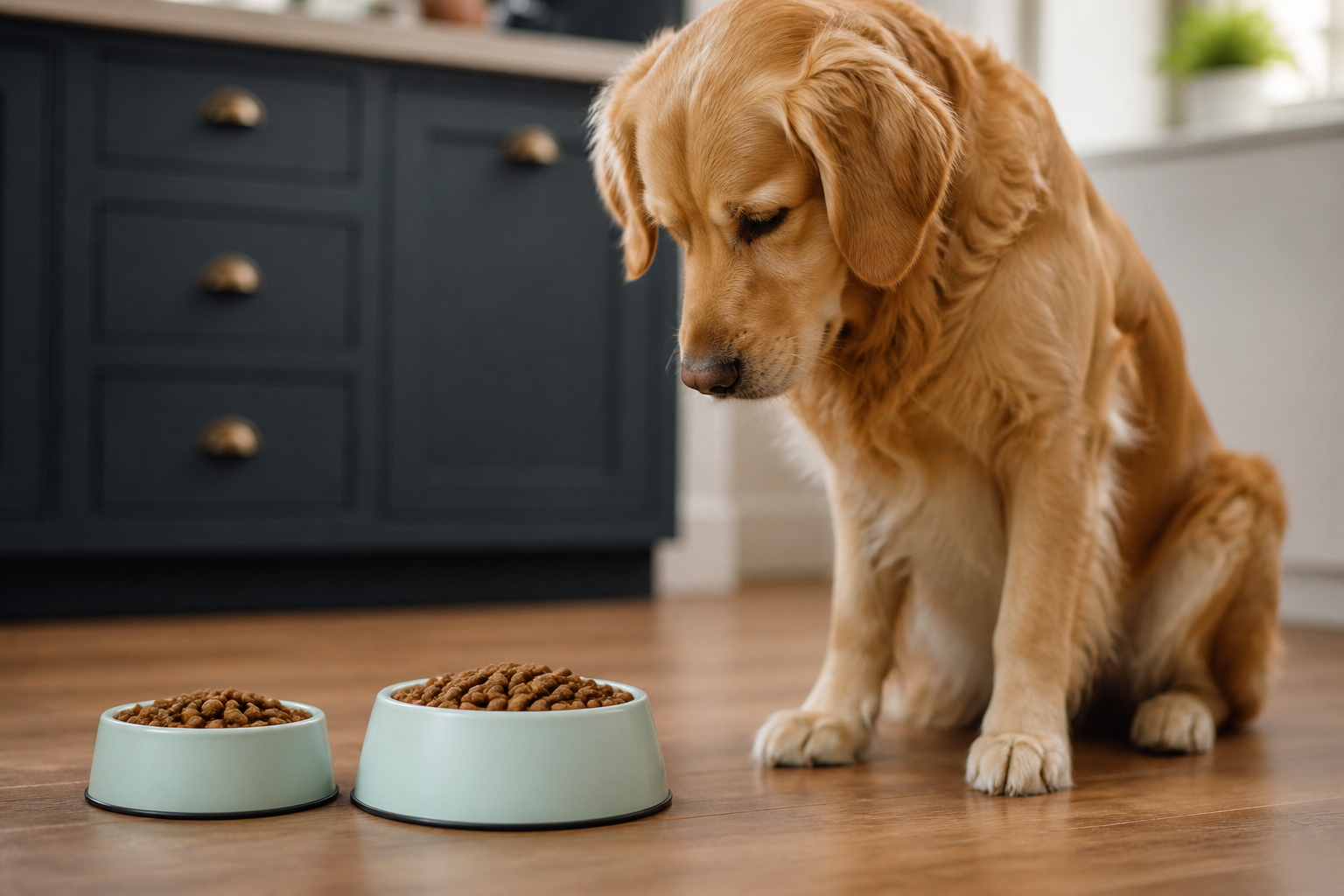
It happens in a split second. You fill the bowls and turn your back to put the scoop away. By the time you look around, your adult dog has pushed the puppy aside and is happily crunching away on the growth-formula kibble. In a multi-dog home, the temptation of a different flavor is often too much to resist. At BaxterBoo, we hear from pet owners every day who wonder if they can simply feed the same bag of food to every dog in the house to save time and money. While an occasional stolen bite is usually harmless, using puppy food as a primary meal for an adult dog is generally not a good idea for their long-term health. This post covers the nutritional differences between life stages and why feeding the right food matters for your dog's wellness.
Quick Answer: Adult dogs can eat puppy food occasionally without immediate harm, but it is not recommended as a daily diet. Puppy food is too high in calories, fat, and specific minerals for a mature dog, which can lead to obesity and organ strain.
Why Puppy Food is Different from Adult Food
Puppy food is essentially a high-performance fuel. Puppies are not just smaller versions of adult dogs. They are building machines. In their first year of life, they are rapidly developing skeletons, muscles, organs, and neural pathways. This requires a much denser concentration of nutrients than a dog that has already finished growing.
The Association of American Feed Control Officials (AAFCO) sets different standards for "growth" (puppies) and "maintenance" (adults). Most puppy foods you see on our dog food shelves are formulated specifically for growth. This means they pack more of everything into every single bite.
Higher Caloric Density
Puppies burn energy at an incredible rate. They need roughly twice as many calories per pound of body weight as an adult dog. To help them get those calories without having to eat massive volumes of food, puppy kibble is very energy-dense. If a sedentary adult dog eats the same volume of puppy food as they do their regular maintenance food, they will quickly consume a massive surplus of energy.
Increased Protein and Fat
Protein provides the amino acids necessary for building new tissue. Puppies need higher protein levels to support their growing muscles and organs. Fat serves as a concentrated energy source and provides essential fatty acids. While an adult dog needs protein to maintain their existing muscle mass, they do not need the extra "building blocks" found in growth formulas. High fat intake in adult dogs, especially those who are not highly active, is a direct ticket to weight gain.
Mineral Balance
The ratio of calcium to phosphorus is perhaps the most critical difference. Puppies need higher levels of these minerals to build strong bones. However, if an adult dog gets too much calcium over a long period, it can lead to issues with bone density or even contribute to the formation of stones in the urinary tract.
Key Takeaway: Puppy food is formulated for growth, while adult food is formulated for maintenance. The extra calories and minerals in puppy food are unnecessary and potentially harmful for a healthy adult dog.
The Risks of Feeding Puppy Food to Adult Dogs
If your adult dog is consistently eating from the puppy bag, you will likely start to see physical changes. Some of these happen quickly, while others are internal issues that may not appear for months or years.
Unhealthy Weight Gain and Obesity
Obesity is the most common nutritional disorder seen in dogs today. Because puppy food is so calorie-dense, it is very difficult to portion it correctly for an adult. If you feed the amount your dog is used to, they will gain weight. If you cut the portion size down to match their calorie needs, the bowl looks empty, and the dog may not feel full. Excess weight puts immense pressure on the joints, which can lead to early-onset mobility issues.
Kidney and Liver Strain
High protein levels are great for a growing pup, but they can be hard on an older dog’s internal organs. The kidneys are responsible for filtering out the byproducts of protein metabolism. If a dog has any underlying or early-stage kidney issues, the extra protein in puppy food can force the kidneys to work much harder than they should. This is why many senior diets actually have lower protein levels than standard adult food.
Digestive Upset
Puppy food is often "richer" than adult food. The higher fat content can be a shock to the digestive system of a mature dog. This often results in loose stools, gas, or even vomiting. In some cases, a high-fat meal can trigger pancreatitis, which is a serious and painful inflammation of the pancreas that requires immediate veterinary care.
Vet Tip: If your adult dog has accidentally gorged themselves on a large amount of puppy food, watch for signs of lethargy, repeated vomiting, or a painful abdomen. These can be signs of digestive distress or pancreatitis that need a vet's attention.
When Puppy Food Might Be Recommended for Adults
While we generally advise keeping adults on maintenance diets, there are specific life stages where a veterinarian might actually suggest a puppy or "all life stages" formula. These are situations where the dog's body is under significant physical stress or needs to gain weight quickly.
Pregnant and Nursing Mothers
Bringing new life into the world is hard work. During the last few weeks of pregnancy and throughout the nursing period, a mother dog’s energy needs skyrocket. She needs the extra protein, fat, and calcium found in puppy food to produce enough milk and maintain her own body condition. Most breeders switch their females to a high-quality puppy food like Royal Canin or Stella and Chewy's during this time.
Underweight or Recovering Dogs
If a dog is significantly underweight due to illness, neglect, or a high metabolism, a calorie-dense puppy food can help them put on weight safely. The high palatability of puppy food also makes it a good choice for dogs that are "picky" or have a low appetite due to a recent surgery.
High-Performance Working Dogs
Sled dogs, search and rescue dogs, and high-level agility competitors burn a staggering amount of calories. While there are specific performance diets available, some owners use puppy food during the peak of the working season to ensure their dogs aren't burning more energy than they are taking in.
| Dog Status | Recommended Food Type | Why? |
|---|---|---|
| Healthy Adult | Maintenance / Adult | Prevents obesity and nutrient surplus. |
| Pregnant / Nursing | Puppy / Growth | Supports milk production and energy. |
| Underweight Senior | Senior / High Calorie | Gentle weight gain without organ strain. |
| Active Puppy | Puppy / Growth | Supports bone and muscle development. |
Managing Mealtimes in Multi-Dog Households
Keeping dogs out of each other's bowls is one of the biggest challenges for pet parents. If you have a puppy and an adult, you need a strategy to ensure everyone gets the right nutrition. We see many customers at BaxterBoo looking for solutions to mealtime chaos.
Scheduled Feeding vs. Free Feeding
Free feeding, or leaving food out all day, is almost impossible in a multi-age household. The adult dog will almost always gravitate toward the puppy food because it tastes better. Switching to scheduled mealtimes allows you to monitor exactly how much each dog eats. Give them 15 to 20 minutes to finish their meal, then pick the bowls up.
Physical Barriers
If your adult dog is a "bowl hopper," you might need to use physical separation. This could mean:
- Feeding one dog in a crate and the other in the kitchen.
- Using a baby gate to keep them in separate rooms.
- Feeding the adult on a raised surface (if the puppy is a small breed) or vice versa.
Training the "Wait" Command
Mealtime is a great training opportunity. Teaching your dogs to wait until you give a release command helps keep them focused on their own bowl. It also prevents the "shoving match" that often happens when the food bowls hit the floor.
Key Takeaway: Controlled feeding environments are the only way to guarantee your adult dog isn't sneaking extra calories from the puppy's dish.
How to Transition Your Dog Back to Adult Food
If your dog has been eating puppy food for a while, you should not switch them back to adult food overnight. A sudden change in protein and fat levels is a recipe for a messy stomach. A gradual transition over 7 to 10 days is the best approach.
- Days 1–3: Mix 25 percent adult food with 75 percent puppy food.
- Days 4–6: Mix 50 percent adult food with 50 percent puppy food.
- Days 7–9: Mix 75 percent adult food with 25 percent puppy food.
- Day 10: 100 percent adult food.
During this time, keep an eye on your dog's stools. If they become loose, slow down the transition and stay at the current percentage for a few more days. Our warehouse carries a wide variety of adult formulas from brands like NutriSource and Farmina that are excellent for this transition.
Bottom line: A slow, ten-day transition helps your dog's digestive system adjust to the lower fat and calorie levels of adult food.
Choosing the Right Adult Maintenance Food
Once your dog has reached skeletal maturity, they need a food that supports their lifestyle. For most dogs, maturity happens around 12 months. Large and giant breeds, however, may need to stay on puppy food for up to 18 or 24 months because they grow for a longer period.
Look for the AAFCO Statement
Check the back of the bag for a statement that says the food is formulated for "Adult Maintenance." This ensures the mineral and protein levels are balanced for a dog that is no longer growing. You may also see "All Life Stages," which is generally safe for adults but may still be higher in calories than a strict maintenance diet.
Consider Your Dog's Activity Level
A dog that sleeps on the couch most of the day has different needs than a dog that goes on five-mile hikes. If your dog is prone to weight gain, look for a "Healthy Weight" or "Weight Management" formula. These often have higher fiber to help the dog feel full without the extra calories.
Special Dietary Needs
If your adult dog has developed allergies, skin issues, or joint stiffness, their food can be a part of the solution. Many adult formulas include added glucosamine or omega fatty acids to support joint health. If your vet has diagnosed a specific condition like kidney disease or a severe food allergy, you might need a prescription diet. Our pet pharmacy carries FDA-approved prescription foods through our partnership with Pet's Choice, which can be a vital part of managing chronic health issues.
Vet Tip: Always consult your veterinarian before making a major change to your dog's diet, especially if they have existing health conditions like diabetes or kidney disease. A professional can help you determine the exact calorie count your dog needs.
When a Puppy Food Heist Becomes a Habit
It is easy to let things slide, especially if your adult dog seems to really enjoy the puppy food. However, the long-term effects of nutritional excess are real. An overweight dog is more likely to suffer from heart disease and respiratory issues. By taking the time to separate their meals and provide age-appropriate food, you are investing in more healthy years with your pet.
We carry over 500 trusted brands at BaxterBoo to make sure every dog, from the tiniest puppy to the most distinguished senior, gets exactly what they need. Whether you need a high-protein adult kibble like Orijen or a gentle maintenance diet from PureVita, we have the selection to help you make the right choice.
Conclusion
While adult dogs can technically eat puppy dry food, it is rarely the best choice for them. The high calorie and mineral content designed for growth can quickly lead to obesity and other health complications in a mature animal. Unless your dog is pregnant, nursing, or has a specific medical need for high-calorie intake, they should stay on a diet formulated for adult maintenance. Keeping your pets on the right food for their life stage is one of the simplest ways to support their overall wellness.
- Puppy food is too calorie-dense for most healthy adult dogs.
- Excessive protein and minerals can strain an adult dog's organs over time.
- Separate feeding areas and scheduled mealtimes prevent bowl-hopping.
- Always transition between foods gradually to avoid digestive upset.
If your adult dog has gained weight or is showing signs of illness after eating puppy food, your veterinarian is the best resource for a checkup. For those who need specialized nutrition or prescription diets, our pharmacy is here to help you get exactly what your vet recommends. You can also save on your favorite brands by using our Autoship programme, ensuring you never run out of the right food for each dog in your pack.
FAQ
Can my 2-year-old dog eat puppy food if I feed them less?
While you could technically feed a smaller amount, it is not recommended. Cutting the portion size significantly can mean your dog isn't getting enough of the vitamins and fiber they need to feel full and stay healthy. It is much better to feed a proper amount of an adult maintenance diet.
Is it okay for my senior dog to have puppy food to gain weight?
In some cases, a vet might suggest puppy food for a senior dog that is struggling to keep weight on. However, senior dogs often have declining kidney or liver function, and the high protein in puppy food can be hard on those organs. Always check with your vet before giving puppy food to an older dog.
What should I do if my adult dog won't eat anything but the puppy's food?
Try mixing a small amount of the puppy food into the adult food to entice them, then gradually reduce the puppy food over time. You can also try adding a healthy topper like a little bit of warm water or a spoonful of canned food to the adult kibble to make it more appealing. For more ideas, read how to help your dog enjoy dry food.
How do I know when my puppy is ready to switch to adult food?
Most small and medium dogs are ready to switch around their first birthday. Large and giant breeds often need to stay on puppy food longer, sometimes up to 24 months, because their bones take longer to fully develop. Your veterinarian can look at your dog's growth plates and body condition to give you the perfect timing for the switch. For more guidance, see this puppy feeding guide and this weaning timeline.