
 Save 15% on your 1st Autoship learn more

 Email us
 Live Chat
 FAQs
FAQs





Introduction
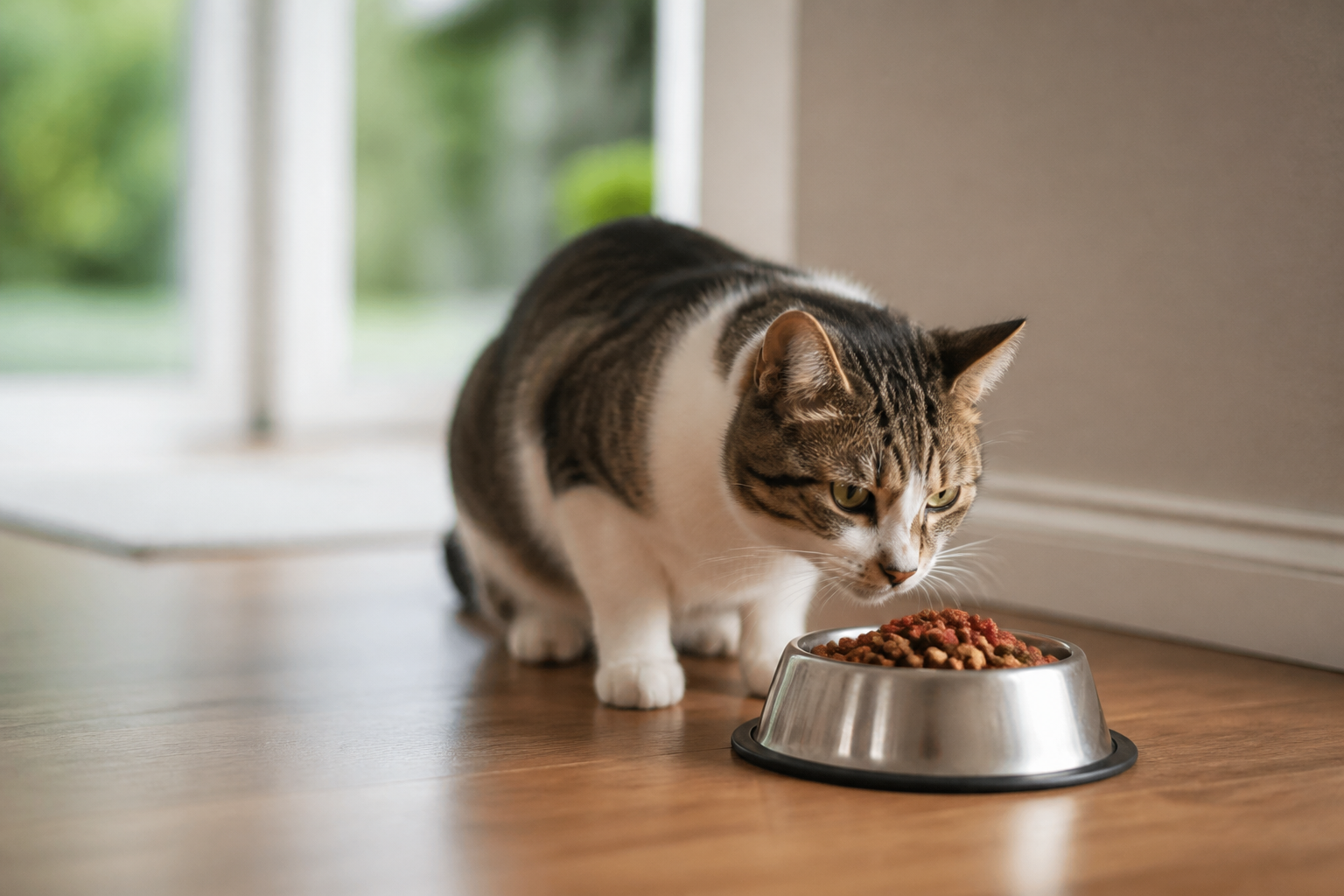
You reach for the bag of kibble late at night only to realize the bottom is empty. Your cat is weaving between your legs and chirping for dinner. The local shops are closed. You look at the large bag of dog food sitting in the pantry and wonder if a single scoop would hurt. At BaxterBoo, we have heard this exact story from many pet owners over the years. It is a common dilemma in multi-pet households or when a delivery is delayed. While your cat will not be harmed by a single emergency meal of dog food, it is not a sustainable or healthy solution for their unique needs. This post explains why feline biology requires a specific diet and what better alternatives you might already have in your kitchen.
The Short Answer for a Long Night
If you are in a pinch, the quick answer is that dry dog food is not toxic to cats. Your cat can eat a small portion of it as a one-time emergency meal without suffering immediate poisoning. Dog food contains many of the same base ingredients as cat food, such as meat proteins, fats, and grains. If it is midnight and your only other option is letting your cat go hungry until morning, a bowl of dog kibble will provide some calories and keep them satisfied for a few hours.
However, "safe" and "healthy" are two different things. While it is not poisonous, dog food is nutritionally incomplete for a feline. Cats are very different from dogs at a cellular level. A single meal will not cause lasting damage, but you should never let this become a habit. When you are able to restock, browse our cat food selection for feline-specific formulas.
Quick Answer: Yes, cats can eat dry dog food in a true emergency for one or two meals. It is not toxic, but it lacks the vital nutrients required for feline heart and eye health.
Why Cats Are Not Just Small Dogs
To understand why dog food is a poor long-term choice, we have to look at the biology of the two animals. Dogs are omnivores. They have evolved over thousands of years to eat a variety of animal and plant-based foods. Their bodies are efficient at extracting nutrients from grains, fruits, and vegetables.
Cats are obligate carnivores. This means their bodies are biologically designed to process animal tissue. They require specific amino acids and vitamins that are only found in significant amounts in meat. While dog food contains meat, it also contains a high percentage of plant-based fillers that a cat's digestive system cannot utilize effectively. For another look at the differences between feline and canine diets, read why dogs should not eat cat food as a primary diet.
The Protein Gap
Cats require a much higher percentage of protein than dogs. Protein provides the building blocks for their muscles, skin, and fur. More importantly, cats use protein as their primary source of energy. Dogs can easily turn carbohydrates into energy. Cats struggle to do this. If a cat eats dog food for an extended period, they may start to lose muscle mass because they are not getting the protein density their metabolism demands.
The Taurine Requirement
This is the most critical difference. Taurine is an essential amino acid. Most mammals, including dogs and humans, can synthesize their own taurine from other proteins. Cats cannot. They must get all of their taurine directly from their diet.
Commercial cat foods are heavily fortified with taurine to ensure heart and eye health. Most dog foods contain very little taurine because dogs do not need the extra boost. A cat deprived of taurine can develop a condition called dilated cardiomyopathy, which leads to heart failure. They can also suffer from central retinal degeneration, which results in permanent blindness. For more information about grain-free formulas and feline nutrition, explore the truth about grain-free cat food.
Essential Nutrients Missing in Dog Food
Beyond taurine and protein, there are several other nutrients that make feline-specific food necessary. If you compare a bag of high-quality cat food from a brand like Farmina or Royal Canin to a bag of dog food, the ingredient labels tell a clear story.
- Vitamin A: Dogs can turn beta-carotene from carrots or sweet potatoes into Vitamin A. Cats lack the enzyme to make this conversion. They need "preformed" Vitamin A, which is found in animal livers and supplements.
- Arachidonic Acid: This is an essential fatty acid. Dogs can produce it themselves. Cats cannot. It is vital for inflammatory responses and healthy skin.
- Niacin: While both animals need this B vitamin, cats require much higher levels than dogs. They cannot convert the amino acid tryptophan into niacin the way dogs can.
Vet Tip: If your cat accidentally eats a large amount of dog food and begins to vomit or show signs of lethargy, consult your veterinarian immediately. While the food itself is not toxic, the sudden change in diet or the high fat content can trigger conditions like pancreatitis in sensitive cats.
Signs of Digestive Distress
Even if the dog food is safe in an emergency, your cat might not react well to the swap. Feline digestive systems are notoriously sensitive to sudden changes. If you feed your cat dog kibble tonight, keep a close eye on them for the next 24 hours.
Common short-term symptoms include:
- Vomiting shortly after eating
- Loose stools or diarrhea
- Increased gas or bloating
- Refusal to eat the next scheduled meal
These symptoms usually resolve once the cat is back on their regular diet. If they persist for more than a day, it is time for a professional opinion. For cats with chronic digestive issues or those who need therapeutic diets, our cat digestive health collection offers products for ongoing nutritional support. Our pet pharmacy also carries prescription products for cats with complex medical needs.
Better Emergency Alternatives in Your Pantry
If you are out of cat food, dog kibble should actually be your last resort. You likely have human foods in your refrigerator that are closer to a cat's natural nutritional needs. These options are often easier on their stomach than dry dog kibble.
Step 1: Check for plain proteins. / The best emergency meal is cooked, unseasoned meat. Boiled chicken breast, turkey, or lean beef are excellent choices. Ensure there are no bones, skin, or onions involved.
Step 2: Consider eggs. / A plain scrambled or boiled egg is a protein powerhouse for a cat. Do not add butter, salt, or milk. One egg is roughly equivalent to a small meal for an average cat.
Step 3: Look for canned fish. / Canned tuna or sardines in water can work in a pinch. Avoid fish packed in oil or flavored with spices. Drain the water and offer a small amount.
Step 4: Add a little plain pumpkin. / If you are worried about the meal being too heavy, a teaspoon of plain canned pumpkin (not pie filling) can provide fiber and soothe the stomach.
A Quick Emergency Meal List
- Boiled chicken (no seasoning)
- Canned tuna in water (drained)
- Scrambled eggs (no butter or salt)
- Plain cooked white rice (in small amounts)
- Boiled white fish (deboned)
Key Takeaway: Whole, plain cooked meats are a safer and more nutritious emergency option for cats than dry dog food. They provide the high protein and amino acids felines naturally crave.
Why Cats Might Try to Steal Dog Food
Sometimes the "emergency" is not that you ran out of food. It is that your cat simply prefers the dog's bowl. This can be frustrating for owners. It usually happens because dog food is often higher in fat or has a different aroma that piques a cat's curiosity.
However, letting your cat "snack" on dog food daily is risky. It dilutes the nutrition they get from their own bowl. If they fill up on the dog's kibble, they may eat less of their cat food. This leads to a slow-motion nutritional deficiency that might not show symptoms for months.
How to Stop the Stealing
- Scheduled Feedings: Stop free-feeding your pets. Put the food down for 20 minutes and then take up whatever is left.
- Separate Rooms: Feed the dog in the kitchen and the cat in the laundry room or on a high counter.
- Microchip Feeders: These specialized bowls only open when they detect the correct pet's microchip or collar tag.
- Elevated Stations: Use an elevated bowl for the dog that the cat cannot easily reach or find interesting.
Managing Your Pet Food Supply
The best way to handle an emergency is to prevent it from happening. We know that life gets busy and it is easy to forget the bottom of the bag is near. This is why we offer our Autoship program. It allows you to schedule regular deliveries of your favorite brands like Stella and Chewy's or NutriSource. You save on your orders and get a free MVP Gold membership. This ensures you never have to choose between a hungry cat and a bowl of dog kibble.
If you are currently managing a cat with a health condition, remember that their diet is their medicine. Using the wrong food even for a day can disrupt their progress. For cats on prescription diets for kidney issues or allergies, always keep a three-day backup supply. Our pharmacy can help you stay stocked on these essential diets so you never face a late-night pantry crisis. For additional guidance on specialized feline diets, read how to tailor your cat's diet for different health needs.
Bottom line: A single meal of dog food is a safe stopgap, but it cannot replace the complex nutritional profile of a dedicated feline diet.
Conclusion
Running out of cat food is a stressful moment for any pet parent. While you can feed your cat dry dog food in a true emergency, it should never be more than a temporary fix. Felines rely on high levels of protein and essential amino acids like taurine that dog food simply does not provide. In the long run, consistent dog food consumption leads to serious health complications like heart disease and vision loss.
Always check your fridge for plain chicken or eggs before reaching for the dog's bag. If you find yourself frequently running low, consider signing up for Autoship to keep your pantry full. Your cat’s health depends on the specific nutrition that only feline-focused food can provide.
- Dog food is non-toxic but nutritionally incomplete for cats.
- Cats require taurine and high protein levels found only in cat-specific formulas.
- Emergency alternatives include plain boiled chicken or scrambled eggs.
- Prevent future emergencies by using scheduled delivery programs.
FAQ
Can my cat get sick from eating dog food just once?
Most healthy cats will not get sick from a single meal of dog food. However, some cats with sensitive stomachs may experience minor digestive upset, such as vomiting or diarrhea. This is usually due to the sudden change in diet or different fat levels rather than the ingredients being toxic. If symptoms are severe or persist, you should contact your veterinarian.
What is the biggest danger of cats eating dog food long term?
The most significant danger is a deficiency in taurine and other essential nutrients like Vitamin A and arachidonic acid. Over months or years, a lack of taurine will cause the heart muscle to weaken and can lead to permanent blindness. This is why dog food must never be used as a permanent substitute for cat food.
Is wet dog food better for cats than dry dog food in an emergency?
Wet dog food often has a higher meat and moisture content than dry kibble, which is generally better for cats. However, it still lacks the specific feline-required supplements like taurine. If you have the choice between dry or wet dog food for a one-time meal, either is fine as a short-term solution, but plain cooked chicken remains the superior emergency choice.
How do I know if my cat is suffering from a nutritional deficiency?
Nutritional deficiencies often take a long time to show outward signs. You might notice a dull coat, lethargy, muscle wasting, or difficulty seeing in low light. Because these symptoms appear gradually, regular vet checkups are essential. If you are concerned about your cat's long-term nutrition, consult a vet and consider professional supplements or prescription diets from our pet pharmacy.






