
 Save 15% on your 1st Autoship learn more

 Email us
 Live Chat
 FAQs
FAQs





Introduction
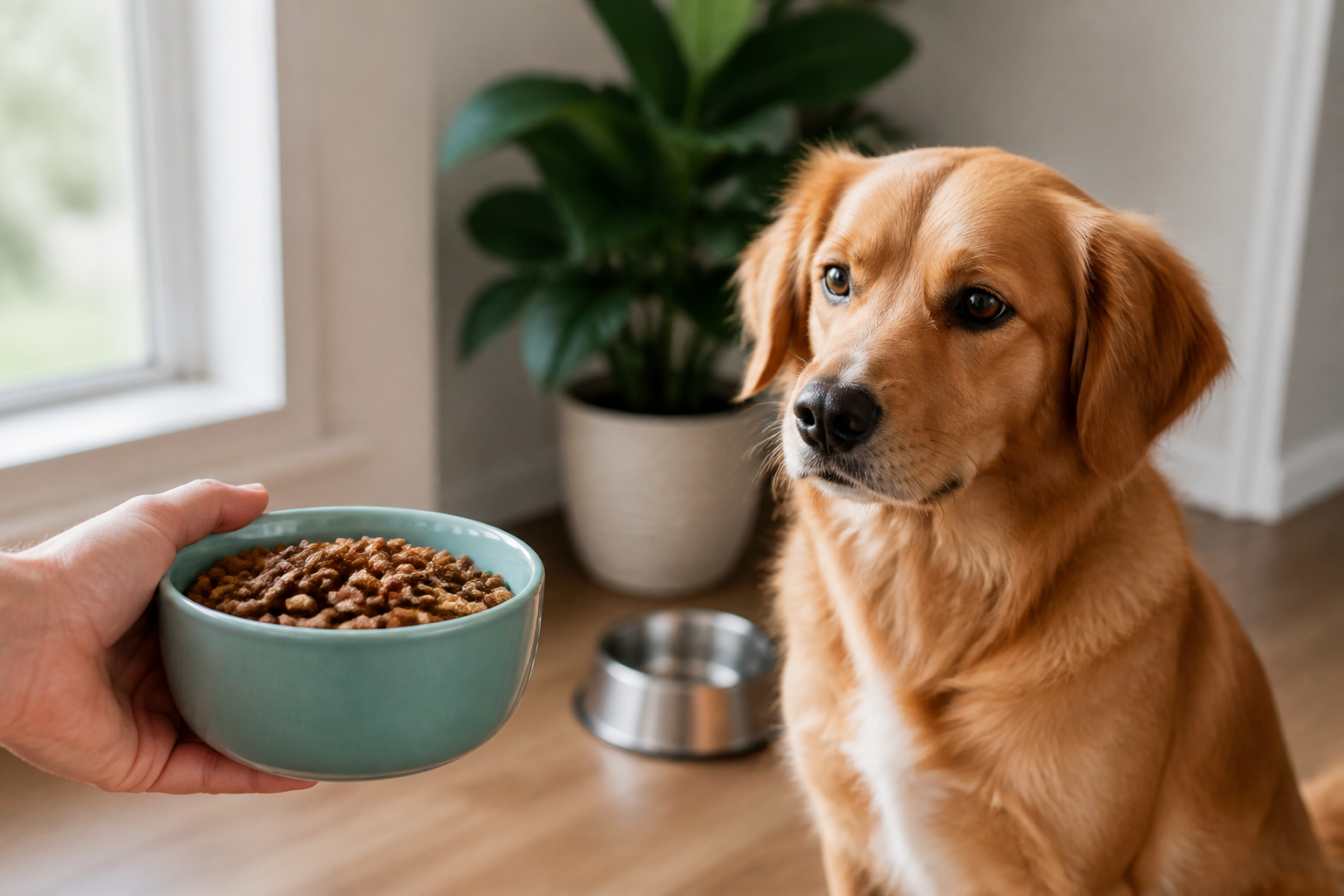
You reach for the bag of kibble in the back of your pantry and notice the date on the bottom passed three months ago. It looks fine and smells normal, so you wonder if it is still safe to serve. This is a common dilemma for pet owners who want to avoid waste but prioritize their dog's health. At BaxterBoo, we see this question often from owners who are cleaning out cupboards or found a great deal on a bulk buy. While kibble is designed to be shelf stable, it does not stay fresh forever. This article covers the risks of feeding expired food, how to spot spoilage, and the best ways to keep your dog's meals safe. Understanding the difference between a quality date and a safety deadline is the first step in a healthy feeding routine.
Quick Answer: While dry dog food is not usually toxic immediately after its "best by" date, it is not recommended for regular feeding. Expired food loses its nutritional potency and carries a high risk of fat rancidity, which can cause digestive upset or long-term health issues.
Understanding the "Best By" Date
The date printed on your dog's food bag is rarely a hard expiration date like you might see on a carton of milk. In the United States, most pet food manufacturers use "Best By" or "Best if Used By" terminology. This date represents a guarantee from the manufacturer regarding the quality and nutritional profile of the food.
Up until that date, the company guarantees the food contains the exact levels of vitamins and minerals listed on the label. Once the date passes, those nutrients begin to break down. The food might still be edible, but it is no longer the complete and balanced meal your dog needs. This is especially important for puppies or senior dogs who rely on precise nutrient levels for growth or organ support. When replacing an old bag, compare fresh options in our dog food category.
Natural preservatives also play a role in this timeline. Many premium brands we carry use natural antioxidants like Vitamin E (tocopherols) or Vitamin C to keep food fresh. These natural options are excellent for your dog's health, but they have a shorter shelf life than synthetic preservatives. If your dog's food is naturally preserved, the date on the bag is a much firmer suggestion for when to finish the bag.
The Chemistry of Spoiled Kibble
Dry dog food contains a significant amount of fat to provide energy and keep skin and coats healthy. When fat is exposed to oxygen over time, a chemical process called oxidation occurs. This process leads to rancidity. You might not see a change in the kibble, but the molecular structure of the fat has changed.
Rancid fats do more than just make the food taste bad to your dog. They can create harmful free radicals that contribute to cellular damage over time. In the short term, eating rancid fat is a common cause of sudden diarrhea or vomiting. Dogs have a sense of smell far more powerful than ours, so they can often detect this change long before a human can. For more on freshness timelines, read how long dry dog food stays fresh once opened.
Key Takeaway: The primary danger of expired dog food is fat oxidation, which turns essential nutrients into compounds that can cause gastrointestinal distress and long term health problems.
Risks of Mold and Bacterial Growth
Even if the bag is unopened, moisture is a major threat to dry dog food. Microscopic pinholes in the packaging or storage in a humid environment can allow moisture to seep into the kibble. This creates the perfect breeding ground for mold and fungi.
Some molds produce mycotoxins, such as aflatoxins, which are highly dangerous for dogs. These toxins can cause severe liver damage or even liver failure. Symptoms of mycotoxin poisoning include lethargy, loss of appetite, and jaundice. If you suspect your dog has eaten moldy food, contact your veterinarian immediately for an evaluation.
Bacteria like Salmonella or E. coli can also become an issue in expired food. While the cooking process kills these bacteria initially, the protective preservatives in the food lose their strength as the food ages. This leaves the kibble vulnerable to contamination, especially if the bag is kept in a warm area like a garage or near a water heater. You can also review expert tips for keeping dry dog food fresh.
Nutritional Decline and Deficiency
Feeding food that is several months past its date can lead to subtle health problems because of vitamin degradation. Vitamins A, D, and E are particularly sensitive to light and air. They are the first nutrients to lose their potency as the food sits in the pantry.
If your dog eats expired food for an extended period, they may develop a dull coat, flaky skin, or lower energy levels. This happens because they are essentially eating "empty" calories that lack the necessary micro nutrients for daily repair. Consistency in nutrition is vital for preventing chronic conditions later in life.
For dogs with specific health needs, such as kidney or heart issues, nutritional precision is even more critical. Our pharmacy at BaxterBoo offers a range of prescription diets through our partnership with Pet's Choice. These specialized foods are formulated for specific medical conditions and must be fresh to provide the intended therapeutic benefits. Explore our dog pharmacy for available options.
How to Check if Kibble is Spoiled
You should not rely solely on the date on the bag to determine if food is safe. External factors like heat and humidity can cause food to spoil well before the "best by" date. Use your senses to perform a quick check before every meal.
The Sniff Test
Fresh kibble should have a mild, grainy, or meaty aroma. If you open the container and smell something sour, metallic, or similar to old paint, the fats have likely gone rancid. A musty or earthy smell is a strong indicator of mold growth.
Visual Inspection
Look for any fuzzy growth on the kibble or inside the bag. Check for changes in color, such as darker spots or an unusual oily sheen. You should also look for signs of pantry pests. Weevils, moths, or small beetles are often attracted to grain-based dog foods that have been sitting for too long.
Texture and Feel
Fresh kibble is dry and has a satisfying crunch. If the pieces feel soft, spongy, or unusually sticky, moisture has compromised the batch. Toss the food immediately if it feels "tacky" to the touch, as this often precedes visible mold growth.
Vet Tip: If your dog is a normally enthusiastic eater and suddenly refuses a new bag of food, trust their nose. They can often smell spoilage or chemical changes that are invisible to humans. If your dog stops eating or develops a sour stomach, consult your vet to rule out illness.
Proper Storage to Extend Freshness
How you store your dog's food is just as important as the date on the label. Most owners make the mistake of pouring kibble directly into a plastic bin. This can actually speed up spoilage. Residual fats from previous bags can stick to the plastic, turn rancid, and contaminate the new food.
Step 1: Keep it in the original bag. / The original packaging is designed with specific barriers to keep out moisture and light. Fold the top down tightly and use a heavy duty clip to seal it.
Step 2: Place the bag inside a container. / If you use a plastic or metal bin, put the entire bag inside it. This provides an extra layer of protection against pests and air while keeping the bin clean.
Step 3: Choose a cool, dry location. / Store the food in a climate controlled area. Avoid garages, laundry rooms, or areas near the stove where temperature and humidity fluctuate.
Step 4: Practice "first in, first out." / Always finish an old bag before opening a new one. Never mix old kibble with new kibble, as this can transfer bacteria or rancid oils to the fresh batch. For additional guidance, see how long dry dog food lasts.
When to Throw It Away
If the food is more than a month past the "best by" date, it is generally safer to discard it. The cost of a new bag of food is much lower than the cost of a veterinary visit for food poisoning or a chronic nutritional deficiency.
If you find yourself frequently throwing away expired food, consider buying smaller bags. While bulk bags offer a lower price per pound, they are only a value if your dog finishes them while they are still fresh. Most opened bags of kibble should be consumed within six to eight weeks to ensure maximum nutritional quality. If you are comparing formulas, our NutriSource dog food selection offers several dry food options.
Bottom line: Safety and nutrition should always come before the desire to save money on old kibble.
Making Freshness Automatic
Managing food dates can be a hassle, especially for busy households. We recommend using our Autoship programme at BaxterBoo to keep your pantry stocked with fresh food without having to stockpile. By setting a delivery schedule that matches how fast your dog eats, you ensure that every bag arriving at your door is fresh from our warehouse.
Plus, our Autoship customers receive a free MVP Gold membership, which offers extra savings and rewards on every purchase. This helps you balance the need for high quality, fresh food with a budget-friendly approach. Buying smaller, more frequent shipments is the most effective way to prevent expiration issues.
What to Do if Your Dog Eats Expired Food
If you realize your dog just finished a bowl of expired food, do not panic. Most healthy dogs can handle a small amount of stale food without a major crisis. Monitor them closely for the next 24 to 48 hours.
Watch for these signs of trouble:
- Vomiting or excessive drooling
- Diarrhea or changes in stool consistency
- Bloating or a painful abdomen
- Lethargy or unusual weakness
- Loss of appetite for their next meal
If your dog shows any of these symptoms, or if the food they ate was visibly moldy, contact your veterinarian right away. They may suggest a bland diet for a few days or prescribe a probiotic to help balance their gut bacteria. For dogs with chronic digestive issues, our pharmacy can fulfill prescriptions for specialized GI diets and medications through our partnership with Pet's Choice.
FAQ
Is it safe to feed dry dog food that is only one month expired?
While it is unlikely to be immediately toxic if it was stored properly, the nutritional value has already begun to decline. You should check the food thoroughly for any sour smells or oily textures before deciding. If the dog has a sensitive stomach, it is best to avoid it entirely and start a fresh bag.
Can I donate expired dog food to a shelter?
Most shelters and rescues cannot accept expired food because they must follow strict health and safety protocols for the animals in their care. It is better to contact the shelter first, but usually, they require food to be within its "best by" date and in its original, sealed packaging.
Does unopened dry dog food really expire?
Yes, even unopened bags are susceptible to fat oxidation and nutrient loss over time. The "best by" date still applies to unopened bags, though they are generally safer than a bag that has been open for several months. Heat and humidity can still permeate many types of packaging if they are stored in poor conditions.
How long does a bag of dry dog food stay fresh after opening?
Most experts recommend finishing a bag of kibble within six to eight weeks of opening the seal. After this window, the constant exposure to air causes the fats to break down and the flavor to change. If you cannot finish a large bag in two months, switching to smaller bags will ensure your dog gets the best nutrition possible.






