
 Save 15% on your 1st Autoship learn more

 Email us
 Live Chat
 FAQs
FAQs





Introduction
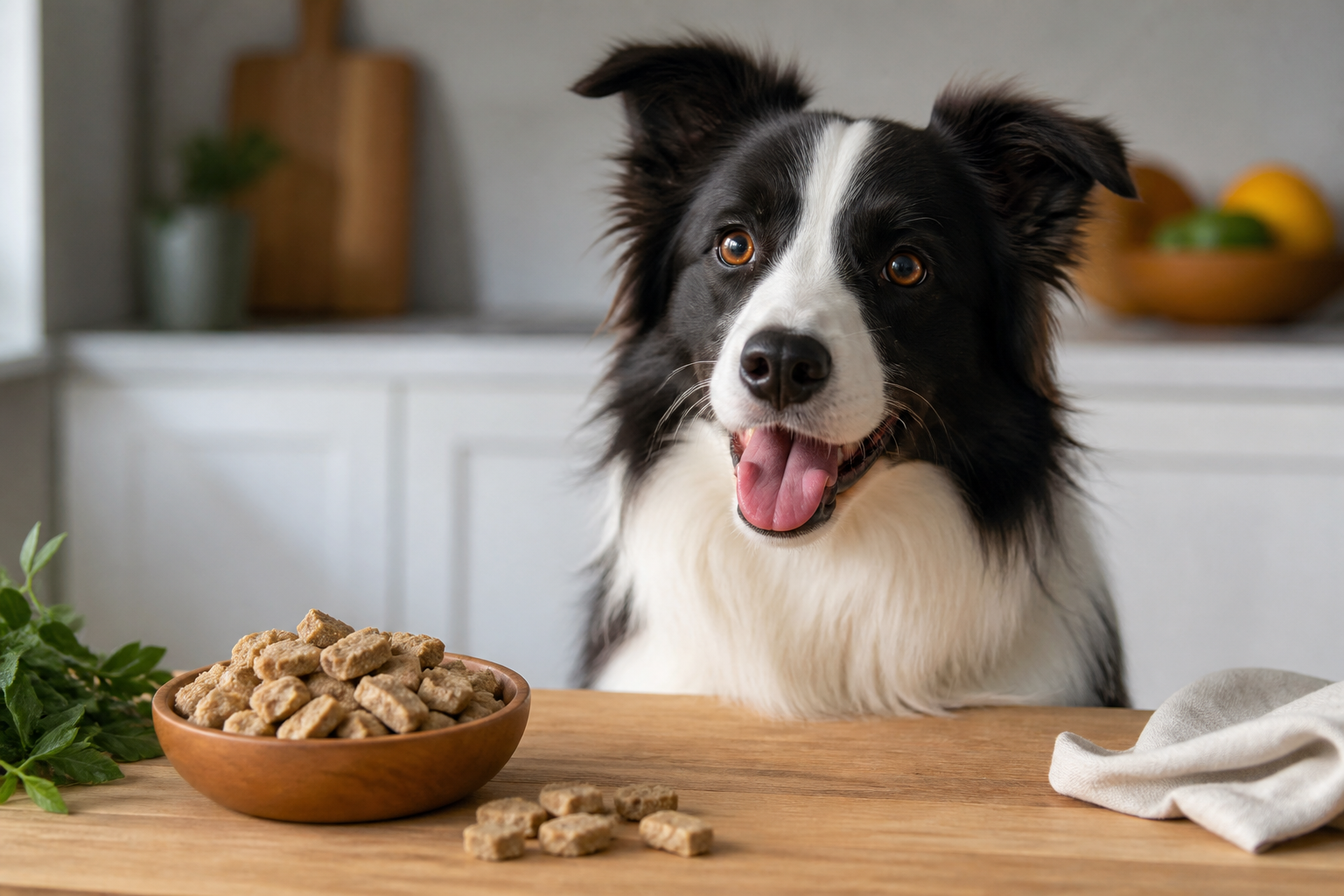
You are standing in the pet food aisle looking at a bag of nuggets that feel as light as air. You want to give your dog the nutritional punch of a raw diet, but you do not have the freezer space or the time for the prep work. At BaxterBoo, we see more pet owners turning to these lightweight options every year. It is one of the fastest growing categories in our warehouse because it offers a middle ground between convenience and high quality nutrition. This guide will explain exactly what these foods are, the benefits they offer your dog, and how to safely introduce them into a daily routine. Whether you are looking for a training treat or a total meal replacement, freeze dried food can be a powerful tool for your dog's health.
Quick Answer: Yes, dogs can eat freeze dried food. It provides minimally processed, raw nutrition in a shelf stable format that is easy to serve and highly digestible for most healthy dogs.
What Exactly Is Freeze Dried Dog Food?
Freeze dried food is a type of raw pet food that has had almost all of its moisture removed through a specific preservation process. Unlike traditional kibble, which is cooked at very high temperatures and shaped through a process called extrusion, freeze dried food remains technically raw. This is a major distinction for owners who want to avoid the "dead food" labels often associated with highly processed diets.
The process begins by taking raw ingredients like muscle meat, organ meat, and vegetables and freezing them at extremely low temperatures. Once frozen, the food is placed in a vacuum chamber. Through a process called sublimation, the ice in the food is turned directly into water vapor without ever becoming a liquid. This removes about 98 percent of the moisture while keeping the cell structure of the food intact.
Because there is no high heat involved, the natural enzymes and vitamins do not break down. This results in a product that is nutrient dense and shelf stable for months. When you hold a piece of freeze dried food, it feels like a dry sponge or a piece of foam. However, the flavor and aroma remain locked inside, which is why dogs often find it far more appealing than standard dry kibble.
Key Takeaway: Freeze drying uses sublimation to remove moisture without heat, preserving the natural enzymes and nutritional integrity of raw ingredients.
The Main Benefits of Feeding Freeze Dried Food
One of the most obvious benefits is the nutritional density. Because the ingredients are not subjected to the high heat of traditional ovens, the proteins and fats stay in their natural state. This means your dog gets more out of every bite. Many owners notice that their dogs have more energy and smaller, firmer stools when they make the switch.
Improved Palatability for Picky Eaters
If your dog turns their nose up at standard kibble, freeze dried food might be the solution. The smell of raw meat and organs is much stronger in this format. Even when the food is dried, it retains the scent that triggers a dog's natural hunting instincts. We often recommend using freeze dried nuggets for dogs that have lost their appetite due to age or stress.
For more mealtime ideas, our guide to helping your dog enjoy dry food offers a related perspective.
Convenience and Portability
Raw feeding usually requires a lot of math, freezer space, and cleaning. Freeze dried food gives you the benefits of raw feeding without the mess. You can store the bags in your pantry just like kibble. It is also the perfect option for traveling or hiking. Since the water has been removed, the food is incredibly lightweight. You can pack enough meals for a week-long trip in a small backpack without weighing yourself down.
High Digestibility
Because the food is minimally processed, a dog's digestive system can break it down more efficiently. Traditional kibbles often contain fillers like corn, wheat, or soy to help the nuggets hold their shape. Most freeze dried brands, like Stella & Chewy's or Open Farm, focus on meat and organs with very few fillers. This leads to better nutrient absorption and less waste in the yard.
Understanding the Safety of Raw Ingredients
Safety is the most common concern for owners considering this diet. Since the food is technically raw, it can contain bacteria like Salmonella or Listeria. Many high quality brands use a process called High Pressure Pasteurization (HPP). This uses extreme pressure to kill harmful pathogens while leaving the nutrients alone.
It is important to handle freeze dried food with the same care you would use for raw meat from the grocery store. Wash your hands thoroughly after touching the food and clean your dog's bowl after every meal. If you have small children or immunocompromised individuals in your home, you must be extra vigilant about hygiene.
Vet Tip: If your dog has a compromised immune system or a chronic health condition like kidney disease, consult your veterinarian before switching to a raw or freeze dried diet. Our pet pharmacy can also help you manage prescription diets if your dog has specific medical needs.
How to Feed Freeze Dried Food
You do not have to jump into a 100 percent freeze dried diet immediately. There are several ways to incorporate this nutrition into your dog's day based on your budget and their needs.
As a Complete and Balanced Meal
Many brands offer "complete and balanced" formulas that meet AAFCO standards. These are meant to be the primary source of nutrition. Because it is so nutrient dense, the portion sizes are often much smaller than what you would see with kibble. Always follow the feeding guide on the bag to avoid overfeeding.
Our freeze-dried pet food collection offers options for comparing different meal formats and proteins.
As a Meal Topper or Mixer
This is a popular way to boost a standard diet without the high cost of full meal replacement. You can crumble a few nuggets over your dog's regular kibble. This adds a burst of flavor and a dose of high quality protein. It is a great way to help a picky eater get excited about mealtime again.
For portion ideas when using toppers, read how much freeze dried dog food to feed.
As High Value Training Treats
Because it smells so good and is easy to break into small pieces, freeze dried food makes an excellent training reward. Whether you are teaching a new puppy to sit or working on advanced agility, the high palatability keeps the dog focused. Brands like Vital Essentials and PureVita offer single ingredient treats that are perfect for this.
The Importance of Rehydration
One of the biggest mistakes owners make is feeding freeze dried food completely dry without providing enough water. Since the moisture has been removed, the food will soak up liquid from your dog's body during digestion. If your dog does not drink enough water on their own, this can lead to dehydration or constipation.
Most manufacturers recommend rehydrating the food before serving. Simply add warm water, bone broth, or goat milk to the bowl and let it sit for a few minutes. The food will soak up the liquid and return to a texture that resembles fresh meat. This is also a great way to ensure your dog is staying hydrated, especially in the summer months.
For additional preparation guidance, see how to feed freeze dried dog food.
- Add roughly one part water to two parts food.
- Use warm (not boiling) water to speed up the process.
- Crumble the nuggets to allow the water to reach the center faster.
- Wait 3 to 5 minutes until the food is soft.
Transitioning Your Dog to a New Diet
You should never switch your dog's food overnight. Their digestive systems need time to adjust to the higher protein and fat levels found in freeze dried recipes. A sudden change can lead to an upset stomach, vomiting, or diarrhea.
Step 1: Mix 25 percent freeze dried food with 75 percent of their old food for the first three days.
Step 2: If their stools remain firm, move to a 50/50 mix for the next three days.
Step 3: Increase to 75 percent freeze dried food for days seven through nine.
Step 4: By day ten, you can serve 100 percent of the new food.
During this process, watch your dog closely. Some dogs may need a slower transition over two weeks. If you notice any signs of distress, go back to the previous ratio for a few more days.
Comparing Freeze Dried to Other Formats
It helps to understand where freeze dried food sits in the hierarchy of pet nutrition. It is often compared to dehydrated food and traditional kibble.
| Feature | Freeze Dried | Dehydrated | Traditional Kibble |
|---|---|---|---|
| Heat Level | Very Low/None | Low to Medium | High |
| Nutrient Retention | Excellent | Good | Moderate |
| Shelf Life | Long | Long | Long |
| Preparation | Rehydrate (Optional) | Must Rehydrate | None |
| Price Point | High | Medium | Low to Medium |
While kibble is the most budget friendly, it loses the most nutrients during the cooking process. Dehydrated food is a good middle ground, but the low heat used can still alter some enzymes. Freeze dried remains the gold standard for maintaining the original state of the ingredients.
The The Honest Kitchen selection includes dehydrated options for comparison.
Selecting the Right Brand for Your Dog
Not all freeze dried foods are created equal. When you are browsing the selection at BaxterBoo or visiting our warehouse in Vernon Hills, you want to look for specific quality markers. The first ingredient should always be a named animal protein like "Beef" or "Chicken," not a generic "meat meal."
Look for brands that include organ meats like heart, liver, and kidney. These are nature's multivitamins and provide essential nutrients that muscle meat lacks. You should also check for a statement from AAFCO on the bag. This ensures the food is formulated to be a complete and balanced meal rather than just a treat or a topper.
We carry over 500 brands, including favorites like Acana, Orijen, and The Honest Kitchen. Many of these brands also offer grain free options for dogs with specific sensitivities. If your dog has a history of allergies, look for limited ingredient recipes that use a single protein source.
Key Takeaway: Always check for a named protein as the first ingredient and ensure the bag carries an AAFCO statement for complete nutrition.
Cost Considerations and Value
There is no getting around the fact that freeze dried food is more expensive per pound than kibble. The process of freeze drying is energy intensive and uses high quality raw ingredients. However, many owners find value in the long term health benefits.
A more nutrient dense food often means you can feed smaller portions. You may also see savings in other areas, such as fewer vet visits for skin allergies or digestive issues. To make the cost more manageable, many of our customers use our Autoship program. This provides a discount on recurring deliveries and ensures you never run out of your dog's favorite food. You can also join our MVP Rewards program to earn points on every purchase, which can be used for future savings.
Bottom line: While the upfront cost is higher, the nutritional density and potential health benefits provide significant value for your dog's long term wellness.
Summary of Best Practices
If you are ready to give freeze dried food a try, keep these practical tips in mind to ensure a positive experience for your pet.
- Start slow: Use the 10 day transition period to avoid stomach upset.
- Hydrate: Always offer fresh water or rehydrate the food directly.
- Storage: Keep the bag sealed tightly in a cool, dry place to maintain freshness.
- Rotation: Consider rotating protein sources (like beef one month and turkey the next) to provide a wider range of amino acids.
- Hygiene: Wash bowls and hands after every feeding session to prevent bacterial spread.
If your dog is managing a chronic condition, remember that nutrition is only one part of the puzzle. We recommend regular vet checkups to monitor your dog's weight and overall health. For those needing ongoing support, our partnership with FIGO Pet Insurance can help cover the costs of unexpected health issues as your dog ages.
FAQ
Is freeze dried dog food better than kibble?
Freeze dried food is generally considered higher in nutritional quality because it is minimally processed and retains more natural enzymes and vitamins. However, kibble is more affordable and convenient for many owners. Both can be part of a healthy diet, and many owners choose to use freeze dried nuggets as a topper to get the best of both worlds.
Do I have to add water to freeze dried dog food?
While you do not strictly have to add water, it is highly recommended by most manufacturers and veterinarians. Freeze dried food is extremely dry and will absorb moisture from your dog's digestive tract. Rehydrating the food helps prevent dehydration and makes the meal more aromatic and easier to digest.
Can puppies eat freeze dried food?
Yes, puppies can eat freeze dried food as long as the specific product is labeled as "complete and balanced" for all life stages or specifically for puppies. Puppies have very specific requirements for calcium and phosphorus to support bone growth. Always check the AAFCO statement on the packaging to ensure it meets the needs of a growing dog.
Does freeze dried dog food expire?
Yes, freeze dried dog food has an expiration date, though it is usually much longer than traditional wet food. Most bags are shelf stable for 12 to 18 months if they remain unopened. Once a bag is opened, you should generally use it within 30 to 60 days and keep it sealed in a cool, dry environment to prevent it from absorbing moisture from the air.






