
 Save 15% on your 1st Autoship learn more

 Email us
 Live Chat
 FAQs
FAQs





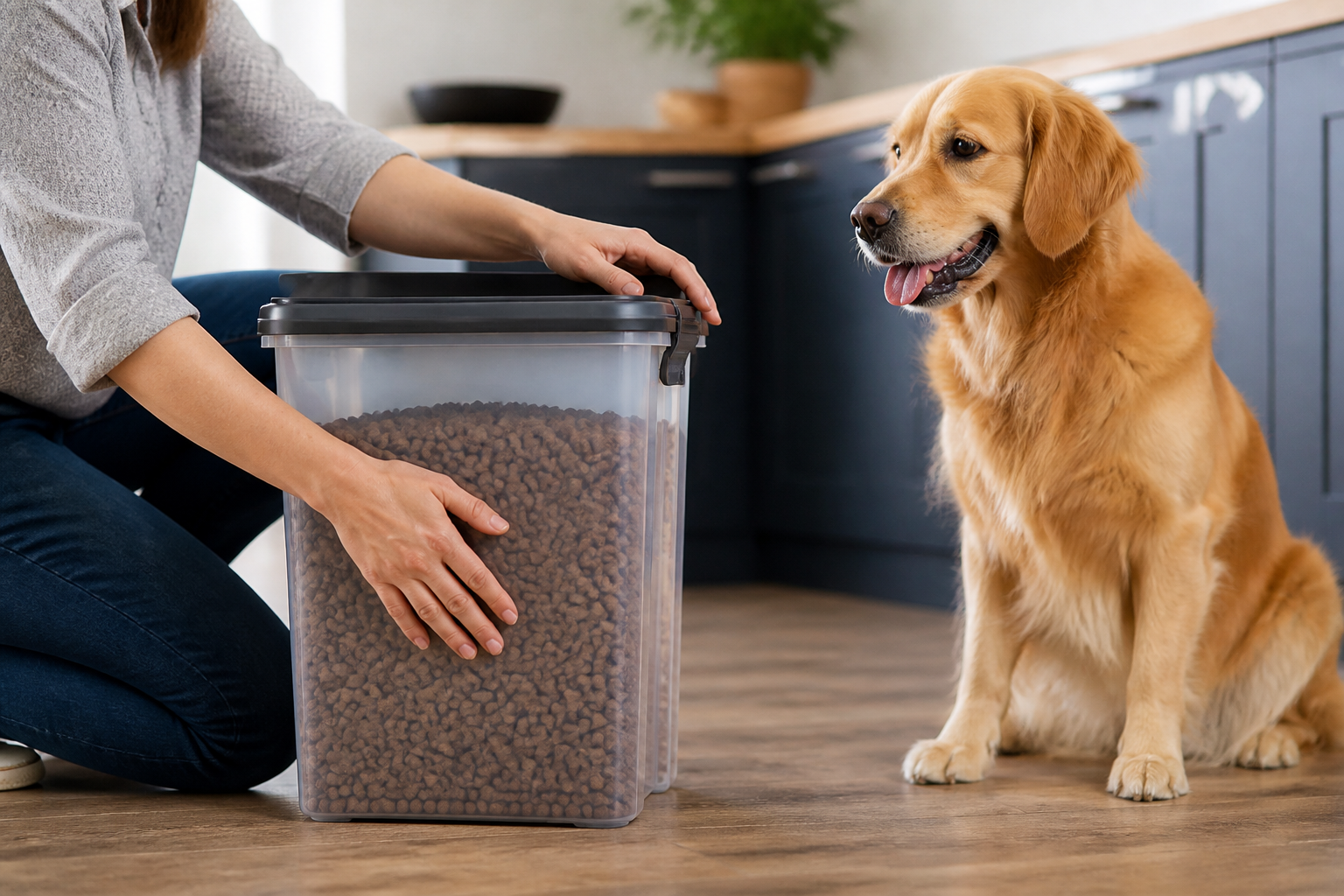
Introduction
You just finished your afternoon errands on a sweltering July day. You realize the brand new bag of kibble has been sitting in your hot car for three hours. The interior of the car feels like an oven. At BaxterBoo, we hear this concern from worried pet owners every summer. While dry food is convenient and shelf-stable, it is not invincible to high temperatures. Heat can destroy the nutritional value of your dog's meals and even make the food dangerous to eat. This article explains how to identify spoiled food and how to keep your dog's supply fresh in any weather. We will look at the science of fat oxidation, the signs of rancid kibble, and the best storage habits for a healthy pet.
Quick Answer: Yes, dry dog food can spoil quickly in the heat. High temperatures cause fats to turn rancid, destroy essential vitamins, and encourage mold growth if humidity is present. Always store kibble in a cool, dry place below 75 degrees Fahrenheit.
The Science of Heat and Kibble
Dry dog food looks like hard, dry biscuits. Because of this, many people think it can handle any environment. However, kibble is a complex mixture of proteins, carbohydrates, and fats. Fats are the most fragile part of the recipe. When fats are exposed to heat, they begin a chemical process called oxidation.
Oxidation happens when oxygen reacts with the fats in the food. Heat acts as a catalyst that speeds up this reaction significantly. A bag of food that stays fresh for months in a cool pantry might spoil in just a few days in a hot garage. Once oxidation starts, the fats turn rancid. This changes the flavor and the nutritional safety of the meal.
Most premium dog foods use natural preservatives like Vitamin E or Vitamin C. These are often listed as tocopherols on the ingredient label. These natural preservatives are better for your dog than synthetic chemicals. However, they are also very sensitive to heat. They break down much faster when the temperature rises above 80 degrees Fahrenheit.
Vitamin Degradation
Heat does not just affect the fats. It also targets the delicate vitamins and minerals added to the food. Many essential nutrients are heat sensitive. Vitamins A, D, E, and K are particularly vulnerable. When the internal temperature of a storage area stays high, these vitamins degrade.
Your dog might still eat their usual portion of food. However, they will not get the nutritional value they need to thrive. Over time, feeding heat-damaged food can lead to vitamin deficiencies. This is especially risky for growing puppies or senior dogs who need precise nutrition to manage their health. For more information about freshness after opening, read our guide to how long dry dog food stays fresh once opened.
Humidity and the Risk of Mold
Heat rarely travels alone. In many parts of the country, high heat comes with high humidity. When you combine warmth with moisture, you create the perfect environment for mold. Even a small amount of condensation inside a plastic bag can lead to microscopic mold spores.
You might not see green or white fuzzy patches right away. Microscopic mold can be present long before it is visible to the human eye. These molds can produce mycotoxins. These are toxic substances that can cause serious illness in dogs.
Key Takeaway: Heat and humidity work together to ruin dog food. Heat turns fats rancid while humidity invites mold growth and bacterial contamination.
Identifying Spoiled Dry Dog Food
Sometimes the damage from heat is obvious. Other times, it is subtle. You cannot always see rancidity, so you must use your other senses. You should also pay close attention to your dog's behavior during mealtime. You can compare available options in our dog food category.
The Sniff Test
The most reliable way to check for rancid food is your nose. Fresh kibble usually has a mild, grainy, or meaty scent. If the food has been damaged by heat, it will take on a sour or metallic smell. Some owners describe rancid dog food as smelling like old paint or window cleaner. If the scent makes you turn away, do not feed it to your dog.
Changes in Texture
Heat and humidity can change how the kibble feels. If the pieces feel unusually oily or sweaty, the fats are likely leaching out. This is a clear sign of heat exposure. If the kibble feels soft or spongy rather than crunchy, it has absorbed moisture. Soft kibble is a major red flag for potential mold growth.
Your Dog’s Reaction
Dogs have a sense of smell that is much more powerful than ours. They can often detect chemical changes in their food before we can. If your normally hungry dog suddenly refuses to eat, listen to them. They may be picking up on the scent of rancid fats that you cannot smell yet. If picky eating continues, our guide to helping dogs eat dry food offers another helpful topic to explore.
Vet Tip: If your dog shows signs of digestive upset like vomiting or diarrhea after eating, stop feeding that bag of food immediately. Consult your veterinarian to rule out food poisoning or other health issues caused by spoiled kibble.
The Danger Zone: Critical Storage Temperatures
Understanding safe temperatures helps you decide where to keep your dog's food. Most manufacturers recommend a cool, dry place. The ideal temperature range is between 50 and 70 degrees Fahrenheit.
| Temperature Range | Impact on Kibble | Risk Level |
|---|---|---|
| 50°F – 70°F | Ideal storage; maintains maximum freshness and nutrition. | Low |
| 75°F – 85°F | Oxidation begins to speed up; shelf life is reduced. | Moderate |
| 90°F and Above | Rapid fat oxidation; high risk of nutrient loss and mold. | High |
Storage in a garage or a car is very risky. During the summer, the temperature inside a parked car can exceed 120 degrees Fahrenheit in minutes. An uninsulated garage can stay at 100 degrees for hours. At these levels, the chemical breakdown of the food happens very fast.
Health Risks of Spoiled Food
Feeding heat-damaged food is not just about a bad taste. It can lead to real health complications. While a single meal might only cause minor issues, long-term exposure to rancid fats is dangerous.
- Digestive Upset: The most common reaction is vomiting or diarrhea. Your dog's body will try to expel the rancid fats or bacteria.
- Reduced Immunity: Heat destroys the antioxidants that support the immune system. A dog eating damaged food may get sick more often.
- Toxin Exposure: Mold growth can lead to mycotoxin poisoning. This can damage the liver or cause neurological issues.
If your dog is managing a chronic condition, they may be on a prescription diet. These foods are formulated with specific ratios of nutrients. Our pet pharmacy carries a wide range of these diets through our partnership with Pet's Choice. Heat damage to a prescription diet is especially problematic because it ruins the therapeutic balance of the food. If you notice any change in your dog's prescription kibble, contact your vet before continuing to feed it.
Best Practices for Summer Storage
Protecting your dog's food requires a bit of planning. We often choose storage spots based on convenience. However, the environment of the room is more important than how easy it is to reach the bag. For additional storage guidance, see our article on how to keep dog food dry and fresh.
Stay Indoors
Always keep dog food inside your climate-controlled home. Avoid the garage, the porch, or the mudroom. These areas are usually not air-conditioned and can trap heat. A dark pantry or a kitchen cabinet is usually the best spot. Make sure the cabinet is not next to the oven or the dishwasher, as these appliances generate heat and steam.
The Original Bag Rule
Many owners dump kibble directly into large plastic bins. This is actually a common mistake. Plastic containers can absorb fats over time. These old fats stay in the pores of the plastic and turn rancid. When you pour fresh food in, the old oils contaminate the new batch.
The best way to store food is to keep it in the original bag. These bags are engineered to be oxygen and moisture barriers. They are often lined with materials that keep fats from seeping out. Place the entire bag inside an airtight container for the best protection. This gives you two layers of defense against heat and air.
Keep the Label
Keeping the original bag also preserves the "Best By" date and the lot number. This information is vital if there is ever a product recall. It also helps you track exactly what your dog is eating. If you use a bin, you lose this data.
Key Takeaway: The original packaging is the best defense against spoilage. Put the whole bag inside a sealed bin to keep it fresh and organized.
Managing Your Food Supply
If you live in a hot climate, you may need to change your buying habits during the summer. It is tempting to buy the largest bag available to save money. However, a massive bag might sit open for too long in the heat.
Step 1: Buy smaller bags.
During the summer, choose a bag size that your dog will finish in four weeks or less. This reduces the time the food is exposed to the air.
Step 2: Inspect the bag before you buy.
Check for any tears or oil stains on the outside of the bag. Heat during shipping can cause fats to bleed through the paper before you even get it home.
Step 3: Move food inside immediately.
Treat a bag of dog food like a carton of milk. Get it into the house and into a cool spot as soon as you get home from the store. Never leave it in your trunk while you run other errands.
Step 4: Use Autoship for freshness.
Using a recurring delivery service like our Autoship programme helps you time your purchases. You can get smaller, fresher bags delivered exactly when you need them. This prevents you from having to store extra bags in a warm garage or pantry.
Special Considerations for Medicated Food
Dogs with allergies or health issues often need special diets or supplements. These products are even more sensitive to heat than standard kibble. If you use our pharmacy for prescription needs, remember that these items require strict temperature control.
FDA-approved medications and therapeutic foods are tested for stability at room temperature. If they sit in a hot car or a sun-drenched mudroom, they may lose their effectiveness. This is also true for flea and tick preventives and joint supplements. Heat can cause soft chews to melt together or lose their potency. Always keep these items in a cool, dark cabinet.
Bottom line: Heat accelerates the breakdown of nutrients and fats in dry dog food, making indoor storage a necessity for your dog's health.
Avoiding Storage Mites
Heat and humidity also invite pests. Storage mites are tiny insects that thrive in dry food environments. They love warmth and a little bit of moisture. You might notice a fine dust at the bottom of the food bag if mites are present.
These mites can cause allergic reactions in some dogs. If your dog starts itching or develops red skin after starting a new bag of food, mites could be the cause. Keeping your food in a cool, dry place and using an airtight seal is the best way to prevent an infestation.
Maintaining Your Storage Containers
If you use a plastic or metal bin, you must clean it regularly. Do not just pour new food on top of old crumbs.
- Wash the container with hot, soapy water every time the bag is empty.
- Make sure the container is completely dry before adding a new bag.
- Check the seal on the lid for any cracks or gaps.
- If the plastic smells like old grease even after washing, it is time for a new bin.
At BaxterBoo, we recommend checking your storage setup at the start of every season. A spot that was cool in the winter might get direct sunlight in the summer. Moving your food container just a few feet can make a big difference in how long the food stays fresh. You can also review our pet home organization guide for related storage ideas.
Summary of Safe Feeding Tips
- Store food between 50 and 70 degrees Fahrenheit.
- Keep the kibble in its original bag.
- Use a secondary airtight container.
- Avoid the garage and laundry room.
- Perform a sniff test every time you open the bag.
- Watch for changes in kibble texture or oiliness.
- Buy only what your dog can eat in 30 days.
Taking these steps ensures that your dog's nutrition remains intact. It prevents the waste of expensive food and protects your pet from digestive distress. A little bit of care in how you store your dog's meals goes a long way in supporting their overall wellness and longevity.
Conclusion
Dry dog food is a convenient choice for many households, but it requires proper care to stay safe. Heat is the primary enemy of kibble, leading to rancid fats and lost nutrients. By keeping food in a cool, indoor environment and using the original packaging, you can ensure every meal is as healthy as the first one. Remember to trust your dog’s nose and your own sense of smell. If something seems off, it is always safer to replace the food than to risk your dog’s health.
- Keep food in a cool, dark pantry.
- Use airtight containers over the original bag.
- Check for sour smells or oily textures.
- Buy smaller bags during the summer months.
Key Takeaway: Consistent temperature control is the most important factor in preventing dog food spoilage.
For more help with your dog’s nutrition and health, consider joining the MVP Rewards programme to earn back on every bag of fresh food. If you are managing a specific health condition, our pet pharmacy is here to help with prescription diets and medications delivered right to your door.
FAQ
How long can I leave dog food in a hot car?
You should not leave dry dog food in a car for more than an hour if the temperature is above 80 degrees. Inside a car, the temperature can quickly reach 120 degrees or higher, which starts the process of fat oxidation and vitamin loss almost immediately. If you are running errands, make the pet store your last stop and bring the food inside as soon as you get home.
Can I tell if kibble is spoiled just by looking at it?
Visual signs are not always present, but you should look for an oily or sweaty appearance on the surface of the kibble. If the food looks dusty or has moving specks, it may have a mite infestation. Mold may appear as white, grey, or green fuzz, but microscopic mold can be present even if the food looks normal, especially if it feels soft or spongy.
What happens if my dog eats rancid dog food?
A dog that eats rancid food may experience immediate digestive upset, including vomiting, diarrhea, and a loss of appetite. In the long term, consuming rancid fats can lead to more serious issues like vitamin deficiencies or liver stress. If your dog accidentally eats spoiled food, watch them closely for signs of lethargy or persistent stomach issues and contact your vet.
Is it better to store dog food in a plastic bin or the original bag?
It is much better to keep the food in its original bag and then place that entire bag inside an airtight plastic or metal bin. The original bags are specifically designed to keep out light and oxygen while preventing fats from soaking through. This method also keeps your storage bin clean and prevents old, rancid oils from contaminating new food.






