
 Save 15% on your 1st Autoship learn more

 Email us
 Live Chat
 FAQs
FAQs





Introduction
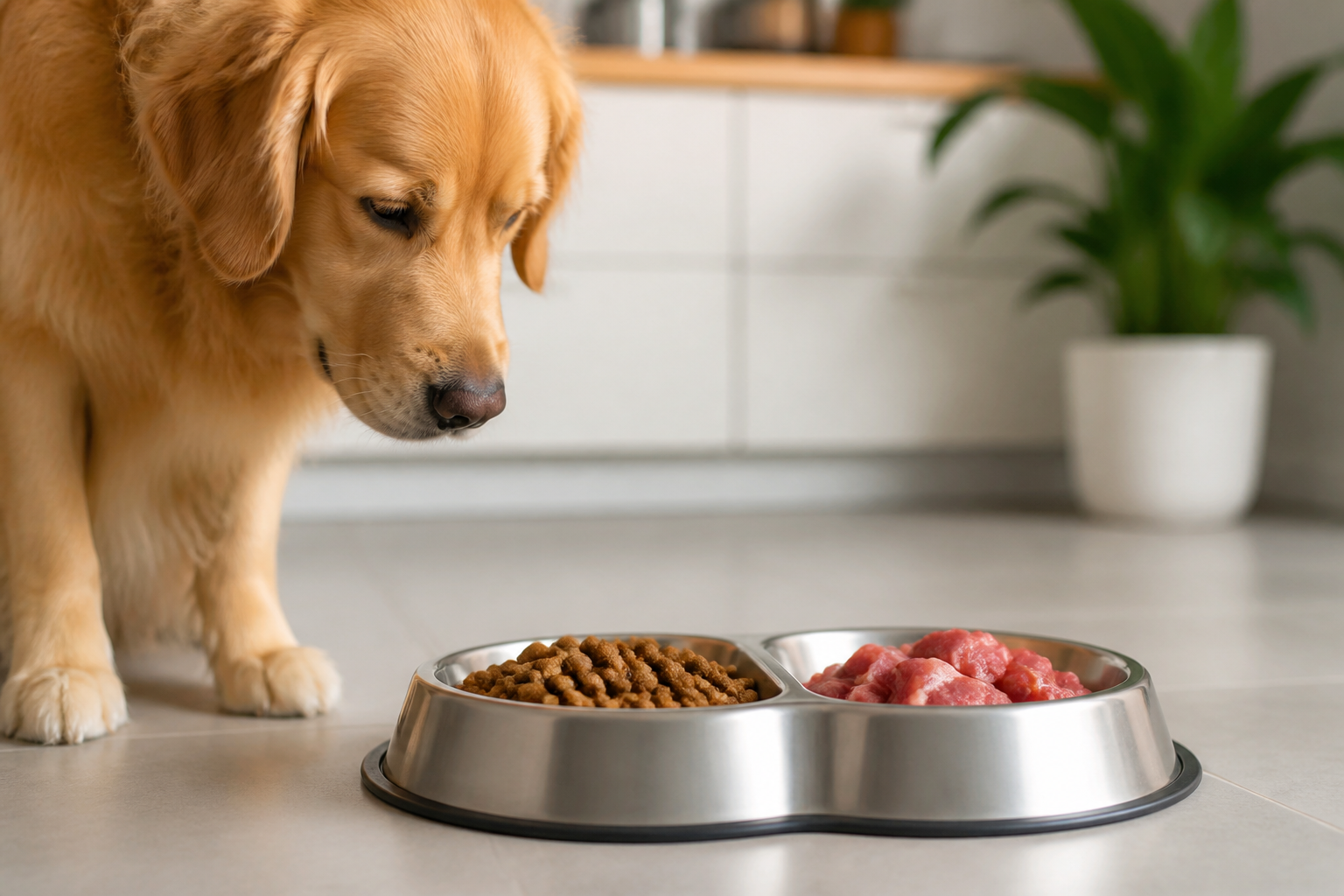
You might be standing in your kitchen holding a scoop of kibble in one hand and a package of fresh ground beef in the other. Perhaps you want to give your dog a nutritional boost without the high cost of a fully raw diet. You might also be trying to tempt a picky eater who has grown bored of dry pellets. At BaxterBoo, we hear these questions often from pet parents who want to improve their dog's bowl. This article explores whether mixing these two different food types is safe and how to do it correctly. We will cover digestive science, safety tips, and the best ratios for your dog. Understanding how your dog processes different ingredients is the first step toward a healthier mealtime.
Quick Answer: Yes, you can mix dry dog food with raw meat for most healthy dogs. While some believe different digestion rates cause issues, most dogs handle a combination of kibble and raw proteins very well when introduced slowly.
Understanding the Digestion Debate
A common concern among pet owners is the idea that kibble and raw meat digest at different speeds. Some people worry that the starch in kibble slows down the process. They fear this might allow bacteria from the raw meat to sit in the gut for too long. However, a dog's digestive system is quite sophisticated. It is designed to handle a variety of food structures at once.
The stomach of a dog is a highly acidic environment. When a dog eats, the stomach lining secretes hydrochloric acid. This acid drops the pH level to around 2. This is very acidic, similar to the strength of vinegar. This low pH serves two main purposes. First, it helps break down proteins and minerals. Second, it acts as a shield against harmful bacteria like Salmonella or E. coli.
Some advocates for raw feeding suggest that the carbohydrates in kibble can raise this pH level. They argue that a less acidic stomach cannot process raw meat as effectively. While diet does influence the gut environment, a healthy dog's body adjusts its enzyme production based on the meal. The pancreas releases specific enzymes to handle fats, proteins, and starches simultaneously.
Key Takeaway: Dogs are scavengers by nature and have evolved to process varied food sources. Their bodies adjust enzyme production to digest different ingredients in a single sitting.
The Benefits of a Mixed Diet
There are several practical reasons why you might choose to mix raw meat with dry food. Not every household can commit to a 100 percent raw diet. It requires significant freezer space and a larger budget. Mixing allows you to provide fresh nutrients without a total lifestyle change. You can compare everyday options in our dog food category.
Improved Palatability
If your dog is a picky eater, a bit of raw meat can make a huge difference. The scent and texture of fresh protein are often more appealing than dry kibble alone. This is especially helpful for older dogs who may have a declining appetite. For additional ideas, read this guide to dry dog food for picky eaters.
Nutritional Boost
Raw meat provides high quality amino acids that have not been through the high heat of the extrusion process used for kibble. These amino acids are the building blocks for muscles and tissues. Fresh meat also contains natural moisture. Many dogs on a strictly dry diet live in a state of mild dehydration. Adding fresh food increases their daily water intake.
Cost and Convenience
Kibble is easy to store and serves as a reliable base for calories. By adding a raw topper, you get the benefits of fresh food while keeping your monthly costs manageable. This approach is often called "half-raw" or "topper feeding." Browse our raw dog food options when comparing convenient choices.
The 20 Percent Rule for Balanced Nutrition
One of the most important rules when adding anything to a commercial dog food is the 20 percent rule. Most dry dog foods are formulated to be "complete and balanced." This means they have the exact ratio of vitamins and minerals a dog needs.
If you add too much raw meat without balancing it, you can dilute these essential nutrients. This is especially risky for growing puppies who need precise levels of calcium and phosphorus.
- Keep unbalanced additions to 20 percent or less of the total meal.
- If you want to feed more than 20 percent raw, you must ensure the raw portion is also balanced.
- Subtract the appropriate amount of kibble to avoid overfeeding calories.
- Watch your dog's weight closely when starting a new routine.
Vet Tip: If your dog has a history of pancreatitis, kidney issues, or a compromised immune system, consult your veterinarian before adding raw meat to their diet. They can help you determine if your dog's system can handle the change.
Safe Handling and Hygiene
When you work with raw meat, safety is a priority for both your pet and your human family. While a dog's stomach acid handles most bacteria, humans are much more sensitive. Proper hygiene prevents the spread of pathogens in your kitchen.
Cleaning the Bowl
Do not leave raw meat in a bowl for more than 20 minutes. If your dog does not finish the meal, pick it up and discard any leftovers. Wash the bowl with hot, soapy water after every use. Stainless steel or ceramic bowls are better than plastic because they do not have pores where bacteria can hide.
Storage
Store raw meat in the freezer and thaw only what you need for a day or two. Keep it in a sealed container on the bottom shelf of the refrigerator. This prevents any juices from dripping onto other food items.
Hand Washing
Always wash your hands thoroughly after touching raw meat or your dog's food bowl. Use separate cutting boards and utensils for your dog's food and your own meals.
Choosing the Best Ingredients to Mix
Not all raw meats are equal when it comes to nutrition. If you are shopping at a local grocery store, look for lean options. Excess fat can sometimes lead to digestive upset or weight gain.
Lean Muscle Meats
Beef, turkey, and chicken are excellent starting points. Lean ground beef or chicken breast provides high quality protein. Avoid meats that are pre-seasoned or contain added salt and onions. Onions are toxic to dogs, and high sodium levels can be dangerous.
Organ Meats
Organs like liver and heart are nutritional powerhouses. Liver is rich in Vitamin A and B vitamins. Heart is a great source of taurine and CoQ10, which support cardiac health. However, organ meat should only make up a small fraction of the raw portion because it is very rich.
Eggs and Fish
A raw egg is a simple and inexpensive way to boost a kibble meal. It provides biotin and healthy fats. Small, oily fish like sardines packed in water are also great. They offer Omega-3 fatty acids that support skin and coat health.
| Meat Type | Key Benefits | Best Form |
|---|---|---|
| Lean Beef | High iron and zinc | Ground or small chunks |
| Chicken Heart | Natural taurine source | Whole or sliced |
| Beef Liver | Dense vitamins A and B | Small amounts only |
| Sardines | Omega-3 fatty acids | Fresh or canned in water |
How to Transition Your Dog
You should never switch a dog's diet overnight. This is especially true when moving from processed kibble to a mix of raw meat. A slow transition allows the gut microbiome to adapt to the new food structure. For another gradual feeding approach, see how to switch from dry to wet dog food.
Step 1: Start with a very small amount. / Add just a teaspoon or two of raw meat to the regular kibble serving.
Step 2: Monitor the stool. / Watch for any signs of diarrhea or loose stools over the next 48 hours.
Step 3: Gradually increase the ratio. / If the stomach is stable, slowly increase the amount of meat over 7 to 10 days.
Step 4: Reduce the kibble portion. / Ensure you are taking away enough dry food to account for the new calories.
Bottom line: A slow transition over at least one week is the best way to prevent digestive upset when introducing raw meat.
Managing Digestive Sensitivity
Some dogs have more sensitive stomachs than others. If you notice your dog has gas or loose stools after mixing foods, you can try a few things to help. Probiotics are very useful during a diet change. They help the "good" bacteria in the gut flourish and compete with any harmful organisms. You can also review these affordable diet ideas for dogs with sensitive stomachs.
At BaxterBoo, we recommend keeping a close eye on your dog's reaction to different proteins. If beef causes issues, turkey might be a gentler option. For dogs with persistent digestive problems, our dog pharmacy offers prescription diets and medications through our partnership with Pet's Choice. Sometimes a specific medical condition requires a more controlled diet than home mixing can provide.
Our pharmacy carries a variety of FDA-approved products to help with ongoing health needs. If your veterinarian recommends a prescription diet for weight management or food sensitivities, you can easily manage those orders through us. We want to make sure your dog stays healthy while you explore new feeding options.
Common Myths About Mixing Raw and Kibble
There is a lot of conflicting information online about pet nutrition. Sorting through myths can help you make a more confident decision for your dog.
The "Stomach Confusion" Myth
Some claim that the body gets "confused" by different types of food. There is no biological evidence for this. Mammals have evolved to digest complex meals containing different macronutrients. Your dog's body knows how to break down fat, protein, and starch at the same time.
The "Bacteria" Myth
While bacteria are a concern, a healthy dog is not as susceptible to foodborne illness as a human. Their short digestive tracts mean food moves through quickly. This gives bacteria less time to colonize. As long as you practice good hygiene and use fresh meat, the risk is low for a healthy pet.
The "Wait Between Meals" Myth
Some suggest feeding kibble in the morning and raw at night to keep them separate. You can certainly do this if it fits your schedule. However, there is no scientific requirement to keep them apart. Mixing them in the same bowl is perfectly fine for most dogs.
Signs Your Dog Might Not Handle the Mix
While many dogs thrive on a mixed diet, some may not. It is important to recognize the signs that the new diet is not working. If you see any of the following, stop the raw additions and go back to a plain kibble diet.
- Frequent vomiting or regurgitation.
- Chronic diarrhea or very soft stools.
- Sudden lethargy or loss of energy.
- Excessive gas that persists for more than a few days.
- Refusal to eat the kibble while only picking out the meat.
If these symptoms continue after you stop the raw meat, it is time for a vet visit. There could be an underlying issue that needs a professional diagnosis.
Vet Tip: Persistent digestive distress can lead to dehydration. If your dog cannot keep food down or has severe diarrhea, contact your veterinarian immediately to rule out infections or obstructions.
Adding Moisture to Dry Food
Dry food typically has about 10 percent moisture. Raw meat has about 70 percent. This difference is why many dogs drink more water when they eat dry food. You can improve the experience by adding other liquids along with the raw meat. For more comparisons, read this guide to dry and wet dog food.
Bone broth is a fantastic addition. It provides collagen and minerals that are good for joint health. Make sure to use a broth made specifically for pets. Grocery store broths for humans often contain too much salt and onion powder. Plain water or even a bit of coconut water can also help hydrate the kibble and make it easier to digest.
Budget-Friendly Ways to Feed Raw
If price is a concern, you do not have to buy the most expensive cuts of steak. Look for sales at the grocery store. "Manager's Special" meats that are near their sell-by date are fine as long as you use or freeze them immediately.
Chicken quarters or thighs are often very affordable. You can also talk to local butchers about "scraps" or organ meats that they might otherwise discard. These are often sold at a deep discount and are perfect for dogs. Just ensure the meat is fresh and has been handled safely.
Support for Your Pet's Health Journey
Every dog is an individual. What works for one may not work for another. We are here to support you with a wide range of products and services. Whether you need high quality treats to use as toppers or specialized supplements for gut health, our dog treats collection is designed to support your pet's routine.
If your dog needs more than just a diet change, remember our pharmacy options. Through our partnership with Pet's Choice, we provide access to medications that support digestive health, allergy relief, and more. We believe that a combination of good nutrition and proper medical care is the key to a long, happy life for your dog.
Our MVP Rewards program is a great way to save on your regular purchases as you experiment with new foods. You can earn points on every order, which helps make high quality care more affordable. If you find a specific food your dog loves, our Autoship program ensures you never run out and gives you extra savings.
Summary of Mixing Tips
To make the most of a mixed diet, keep it simple and consistent. Focus on quality ingredients and safe handling.
- Start slow with small portions of raw meat.
- Follow the 20 percent rule for unbalanced additions.
- Wash bowls and hands after every meal.
- Choose lean meats and healthy organs like heart and liver.
- Watch for changes in energy or stool quality.
- Add moisture like bone broth or water to help with digestion.
Key Takeaway: Mixing raw meat with dry dog food is a practical way to boost nutrition and appetite. By following basic safety rules and the 20 percent guideline, you can safely improve your dog's daily meals.
Conclusion
Mixing raw meat with dry dog food is a flexible and effective way to feed your pet. It offers the benefits of fresh protein and moisture without the full cost of a raw diet. While myths about digestion rates persist, most healthy dogs can process both types of food easily. The most important factors are starting slowly, maintaining hygiene, and keeping the diet balanced. If you ever feel unsure about your dog's reaction to a new food, your veterinarian is your best resource for guidance. We invite you to explore our selection of toppers, supplements, and pharmacy services to find the right balance for your home.
FAQ
Is it safe to mix raw meat and kibble in the same bowl?
Yes, it is safe for most healthy dogs to eat both in one sitting. Their digestive systems are equipped to produce the enzymes needed for both types of food. Just ensure the raw meat is fresh and the bowl is cleaned immediately after the meal.
Will mixing raw meat with dry food cause diarrhea?
A sudden change in any diet can cause loose stools. To prevent this, introduce the raw meat very slowly over at least a week. Starting with a tiny amount helps your dog's gut bacteria adjust to the new protein source.
Can I mix raw meat with puppy kibble?
You can, but you must be very careful not to upset the nutritional balance. Puppies need very specific levels of calcium and phosphorus for their bones to grow correctly. Keep any raw additions to less than 10 percent of their daily intake unless you are using a balanced raw product.
What kind of raw meat is best to add to dog food?
Lean proteins like ground beef, turkey, or chicken breast are the easiest for most dogs to digest. You can also add small amounts of organs like liver or heart for a vitamin boost. Always avoid meats that have been seasoned with salt, garlic, or onions.






