
 Save 15% on your 1st Autoship learn more

 Email us
 Live Chat
 FAQs
FAQs





Introduction
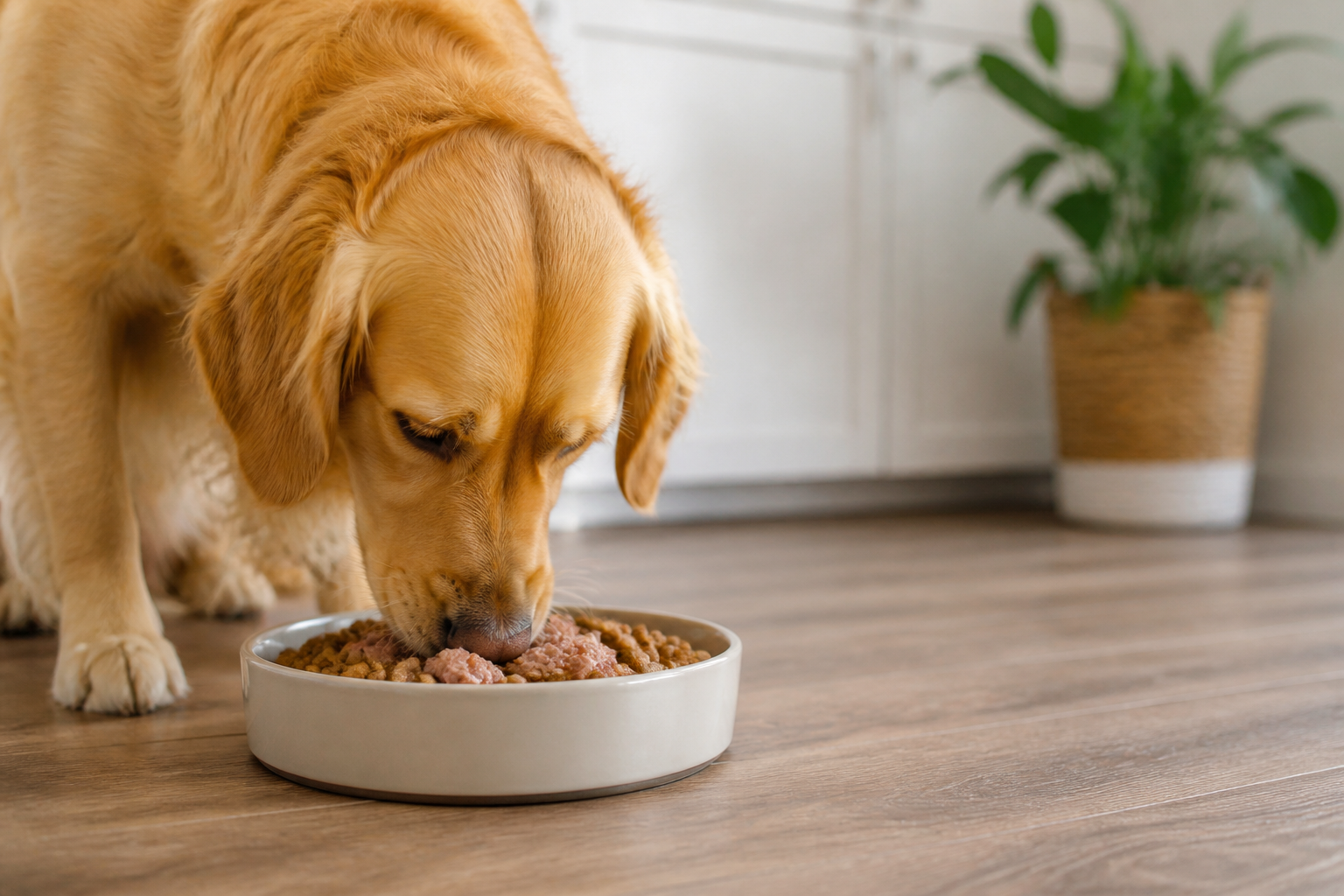
You stand over your dog's bowl with a bag of kibble in one hand and a can of savory stew in the other. Perhaps your dog has become a bit picky lately, or you want to ensure they are getting enough water during the hot summer months. You might simply want to make their dinner more exciting without breaking your budget. At BaxterBoo, we hear these questions often from pet parents who want to provide the best nutrition possible while keeping mealtime enjoyable. Mixing wet and dry food is a common practice that offers a variety of benefits for dogs of all ages. This article covers the safety, nutritional balance, and practical steps for combining these two types of food. You can create a healthy, satisfying diet that supports your dog's long-term wellness by following a few simple rules.
The Benefits of a Mixed Feeding Routine
Mixing wet and dry dog food provides a balanced approach to nutrition that captures the strengths of both formats. While many dogs do perfectly well on a diet of strictly dry kibble, adding wet food can solve several common household challenges. It is often the easiest way to improve a dog's relationship with their food bowl. Browse our dog food category to compare options for your dog's routine.
Enhanced Palatability for Picky Eaters
Wet dog food is famous for its strong aroma and rich texture. This is a significant advantage for dogs that have lost interest in plain kibble. The moisture in canned food helps release scents that appeal to a dog's natural instincts. When you coat dry kibble in a bit of gravy or pate, it becomes much harder for a finicky eater to pick out only the parts they like.
Improved Hydration
Hydration is a vital part of canine health. While dry food typically contains only about 10 percent water, wet food is often 75 percent water or higher. For dogs that do not drink enough from their water bowls, a mixed diet acts as a hidden source of hydration. This extra moisture supports kidney function and helps keep the urinary tract healthy. For another way to add moisture, read our guide to mixing dry dog food with water.
Texture and Dental Health
Dry kibble is often praised for its ability to help reduce plaque through mechanical scraping as a dog chews. While it is not a substitute for regular brushing, the crunch of kibble provides a different sensory experience than soft food. By mixing the two, your dog gets the satisfaction of a crunch alongside the tender morsels of meat found in high quality canned options.
Key Takeaway: Mixed feeding combines the hydration and aroma of wet food with the cost-effectiveness and texture of dry kibble.
Ensuring Nutritional Balance and Safety
Before you begin scooping and pouring, you must ensure the two foods you are mixing are compatible. Not all dog foods are created equal, and some combinations could lead to nutritional gaps if you are not careful.
Check the AAFCO Statement
The most important factor is the AAFCO statement on the packaging. You should only mix foods that are both labeled as complete and balanced. This ensures that both the kibble and the wet food contain the full spectrum of vitamins, minerals, and proteins your dog needs. If you use a "topper" or "mixer" that is labeled for supplemental feeding only, it should not make up more than 10 percent of the total daily calories.
Match the Life Stage
Puppies, adults, and seniors have vastly different nutritional requirements. Puppies need higher levels of protein and specific minerals for bone growth. Seniors may need lower calories but higher quality protein. Always mix a puppy kibble with a puppy wet food. Mixing an adult wet food into a puppy's dry food can dilute the nutrients the puppy needs for healthy development.
Consistency in Quality
We recommend sticking to brands that prioritize high quality ingredients. BaxterBoo carries a wide selection of trusted brands like Farmina, Royal Canin, and The Honest Kitchen. Mixing a premium kibble with a lower quality wet food might introduce unnecessary fillers or artificial preservatives that you were trying to avoid.
Quick Answer: Yes, you can mix wet and dry food as long as both are labeled complete and balanced for your dog's specific life stage.
Managing Calories and Portions
The biggest risk of mixing wet and dry food is accidental overfeeding. Wet food and dry food have different caloric densities. A cup of kibble is much more energy-dense than a cup of wet food because the water in wet food takes up significant volume.
The Replacement Rule
You cannot simply add wet food on top of your dog's regular portion of dry food. This will lead to weight gain. Instead, you must replace a portion of the dry food with an equivalent amount of wet food. A common starting point is the 75/25 rule. This involves feeding 75 percent of the recommended daily amount of dry food and 25 percent of the recommended daily amount of wet food.
Doing the Math
To get the most accurate portion, look at the calorie count per cup or per can on the labels. If your dog needs 800 calories a day, and you want half of those calories to come from wet food, you must calculate exactly how many ounces or grams of each product meet that 400-calorie mark.
Monitoring Body Condition
Every dog's metabolism is unique. Use a body condition score to check if your dog is at a healthy weight. You should be able to feel their ribs without a thick layer of fat covering them, and they should have a visible waist when viewed from above. If you notice your dog gaining weight after starting a mixed diet, consult your veterinarian to adjust the portions. For more ideas about comparing feeding options, explore our guide to choosing wet or dry food for dogs.
Vet Tip: Always consult your veterinarian before changing your dog's diet, especially if they have underlying health conditions like diabetes, kidney disease, or food allergies.
Transitioning to a Mixed Diet
Whenever you introduce a new food to your dog's routine, you must do so slowly. A sudden change in diet is the most common cause of digestive upset, including gas, bloating, and diarrhea.
The Seven Day Plan
Follow a gradual transition over the course of a week to allow your dog's digestive enzymes and gut bacteria to adjust.
- Days 1 and 2: Serve 90 percent of the old dry food with 10 percent of the new wet food mixture.
- Days 3 and 4: Move to 75 percent dry food and 25 percent wet food.
- Days 5 and 6: Adjust to a 50/50 split if that is your goal.
- Day 7: Full transition to your desired mixed ratio.
Watch for Sensitivity
During this week, keep a close eye on your dog's stool quality and energy levels. If you notice any vomiting or significant changes in bathroom habits, slow down the transition or go back to the previous ratio for a few more days. You can also review our guide to switching from dry to wet dog food for additional transition ideas.
Handling and Storage for Safety
Dry food is shelf-stable and can sit in a bowl for hours. Wet food is a completely different story. Once a can is opened, the clock starts ticking on its safety and freshness.
The 30 Minute Rule
Once you mix wet food into the kibble, do not leave the bowl out for more than 30 minutes. The moisture and protein in the wet food provide a perfect environment for bacteria to grow, especially in warm weather. If your dog does not finish the meal within half an hour, discard the leftovers and wash the bowl thoroughly.
Proper Refrigeration
Opened cans of wet food must be covered and refrigerated immediately. Use a silicone can cover or transfer the food to an airtight glass container to keep it from drying out or absorbing fridge odors. Most canned foods should be used within three days of opening. If you cannot finish a large can in that time, consider buying smaller cans or pouches.
Serving Temperature
Some dogs are sensitive to the temperature of their food. If your dog turns their nose up at cold food straight from the fridge, let the portion sit at room temperature for a few minutes. You can also mix in a tablespoon of warm water to help bring the temperature up and enhance the aroma. For more serving ideas, read our article on wetting dry dog food for better digestion and hydration.
Key Takeaway: Treat wet food like human leftovers. Refrigerate it immediately after opening and discard anything left in the bowl after 30 minutes.
Special Considerations for Seniors and Dental Health
Mixed feeding is particularly beneficial for dogs entering their golden years. As dogs age, their senses of smell and taste may decline. This can lead to a lack of interest in food, which is dangerous for seniors who need to maintain their muscle mass.
Softening the Kibble
For senior dogs with missing teeth or painful gums, dry kibble can be difficult to manage. Mixing in wet food helps soften the hard edges of the kibble, making it easier to chew. The added moisture also makes the food easier to swallow, reducing the risk of choking or irritation in the throat.
Therapeutic and Prescription Diets
If your dog is on a prescription diet for a health condition, such as kidney disease or skin allergies, you must be extremely careful. Mixing a standard grocery store wet food with a prescription dry food can negate the benefits of the specialized diet. Our pet pharmacy carries a variety of prescription options, including specialized diets. If your dog requires a therapeutic diet, always ensure both the wet and dry components are from the same prescription line.
Vet Tip: For dogs with chronic health issues, our pharmacy provides access to prescription diets that are formulated to work together. Ask your vet about matching wet and dry versions of these specialized formulas.
Weight Management Strategies
If you are trying to help your dog lose a few pounds, mixing wet and dry food can be a helpful tool. Because wet food is mostly water, it has a lower calorie-per-volume ratio than dry food. This means your dog can eat a larger volume of food while consuming fewer calories.
Increased Satiety
The "bulk" provided by the water in wet food helps your dog feel full. This sense of satiety can prevent the begging and scavenging behaviors that often come with a calorie-restricted diet. Many weight management plans involve replacing a portion of kibble with a high-fiber, high-moisture wet food to keep the dog satisfied.
Avoiding Empty Calories
Be careful with "gravy-heavy" wet foods if weight loss is the goal. These gravies can be high in carbohydrates and starches. Instead, look for pates or stews that use natural broths. Check the label for guaranteed analysis to compare fat and protein percentages across different brands.
Shopping for the Right Combination
When selecting your dog's food, look for transparency in the ingredient list. High quality brands will list specific animal proteins, such as "chicken" or "lamb," rather than vague terms like "meat by-products."
Recommended Brands at BaxterBoo
Our warehouse and online store stock over 500 brands that we have carefully selected for quality. For mixed feeding, we often suggest looking at brands that offer both formats in matching recipes:
- Farmina: Known for their N&D (Natural & Delicious) line, they offer high protein, low glycemic options in both kibble and cans.
- Royal Canin: They provide highly specific formulas for different breeds and sizes, making it easy to find a perfect match for mixing.
- Stella and Chewy's: Offers freeze-dried mixers and high quality wet toppers that add a nutritional boost to any bowl.
- The Honest Kitchen: Their wet food clusters and dehydrated bases are excellent for those who want a human-grade approach to mixed feeding.
Utilizing Rewards and Programs
Feeding a mixed diet can be slightly more expensive than feeding dry food alone. To help manage costs, we offer several programs for our customers. Our MVP Rewards program allows you to earn rewards on eligible purchases. Additionally, our Autoship program can help with repeat orders and ensure you never run out of your dog's favorite wet and dry combination.
Bottom line: Mixing wet and dry food is a cost-effective way to provide premium nutrition and variety as long as you account for the total calories.
Summary of Best Practices
Creating a successful mixed feeding routine does not have to be complicated. By keeping a few core principles in mind, you can transform your dog's mealtime into the highlight of their day.
- Only mix "complete and balanced" foods from the same life stage.
- Calculate the calories to replace kibble rather than just adding wet food on top.
- Introduce the new mixture slowly over seven days to prevent stomach upset.
- Store opened wet food in the refrigerator and use it within three days.
- Wash food bowls after every meal to prevent bacterial growth.
If your dog is managing a chronic condition or requires a specific diet for allergies, please consult your veterinarian before making changes. Our pharmacy is available to help fulfill any prescription food needs, ensuring your dog gets exactly what they need for their specific health requirements.
FAQ
What is the best ratio for mixing wet and dry dog food?
There is no single perfect ratio, but many pet owners find success with a 75/25 split, where three-quarters of the calories come from dry food and one-quarter from wet. This maintains the dental benefits of kibble while providing the hydration and taste of wet food. Always base the ratio on your dog's specific caloric needs rather than just volume.
Can I mix different brands of wet and dry food?
Yes, you can mix different brands as long as both are high quality and labeled as complete and balanced by AAFCO. However, if your dog has a sensitive stomach, it is often safer to stick with the same brand and protein source for both the wet and dry components. This consistency makes it easier to identify the culprit if your dog has an adverse reaction.
Is it okay to mix water with dry kibble instead of wet food?
Adding a small amount of warm water or low-sodium broth to dry kibble is a great way to increase hydration and enhance aroma without adding many calories. While it does not provide the same variety of texture and nutrients as wet food, it is an excellent budget-friendly alternative for picky eaters. Just like with wet food, you must discard any uneaten moistened kibble after 30 minutes.
Does mixing wet food with dry food cause dental problems?
Mixing in wet food does not directly cause dental issues, but it may reduce the mechanical cleaning action that dry kibble provides. Regardless of what you feed, regular at-home teeth brushing and annual professional cleanings are the only ways to ensure your dog's oral health. Some owners choose to feed dry food in the morning and a wet-dry mix in the evening to balance these concerns.






