
 Save 15% on your 1st Autoship learn more

 Email us
 Live Chat
 FAQs
FAQs





Introduction
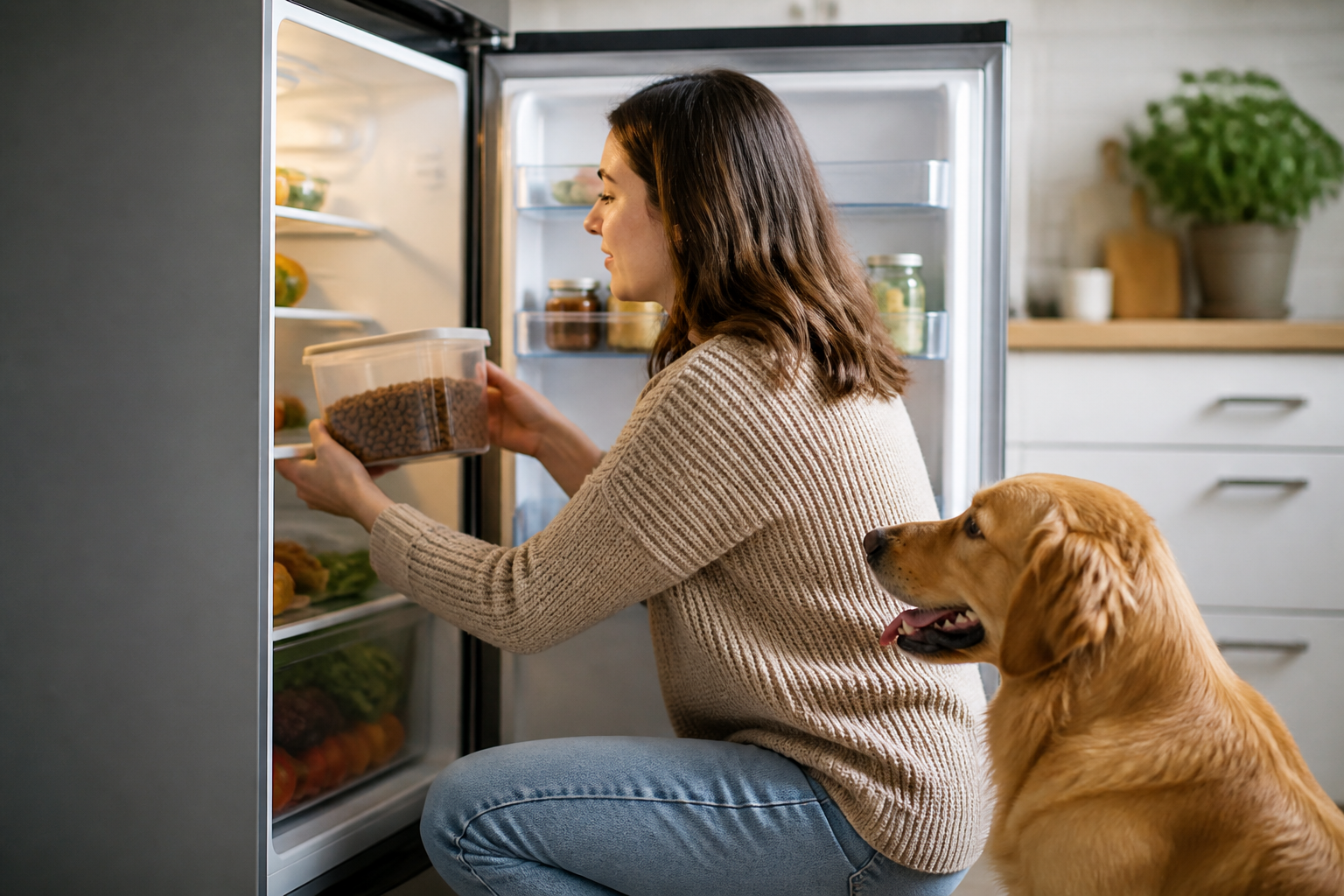
You might be standing in your kitchen on a humid afternoon, looking at a large bag of kibble and wondering if the refrigerator is the safest place for it. Most of us are used to tossing our own perishables into the fridge to keep them fresh, so it feels natural to want the same protection for our pets. At BaxterBoo, we hear this question often from owners who want to prevent spoilage and keep their dog’s meals as nutritious as possible. While the intention is good, the refrigerator is actually not the best environment for dry kibble. This article explains the science behind food storage, the risks of moisture, and how to keep your dog's food shelf-stable for months. We will explore why room temperature is usually best and how to tell if your dog's food has gone bad.
Quick Answer: You should not put dry dog food in the fridge because the constant temperature changes and humidity can cause condensation. This moisture leads to mold growth and makes the kibble go stale much faster than if stored in a cool, dry pantry.
The Problem with Refrigerating Dry Food
Dry dog food is processed to have a very low moisture content. This is what allows it to stay shelf-stable in your pantry for several weeks after you open the bag. When you put a bag of dry dog food in the fridge, you introduce it to a high-moisture environment. Every time you take the bag out to scoop a meal, the cold kibble hits the warm air of your kitchen. This creates condensation inside the bag or container.
This moisture is a significant problem. Even a small amount of dampness can encourage the growth of mold or bacteria. Since kibble is porous, it soaks up that moisture quickly. You might not see the mold right away, but it can be present long before a fuzzy coating appears. This can lead to digestive upset or more serious health issues for your pet.
Temperature stability is another concern. Dry food is designed to be stored at a consistent temperature. Constant swings between the cold fridge and the warm kitchen counter can cause the fats in the food to break down unevenly. This can alter the flavor and the nutritional value of the meal.
Why the Fridge Seems Tempting
Many owners think the fridge will stop pests like ants or pantry moths. Others believe it will prevent the fats in high-quality foods from going rancid. While it is true that cold temperatures slow down the oxidation of fats, the humidity trade-off is rarely worth it. If you live in an extremely hot climate where your home stays above 80 degrees Fahrenheit, you might feel you have no choice.
If you absolutely must refrigerate dry food due to extreme heat, you have to be very careful. You would need to store the food in small, airtight portions so that you only take out what you need for one or two days. This prevents the entire bulk supply from being exposed to temperature fluctuations. However, for the vast majority of households, a cool closet or pantry is a much safer bet.
Key Takeaway: Moisture is the primary enemy of dry dog food. The refrigerator creates a cycle of condensation that can lead to hidden mold growth and spoilage.
The Science of Spoilage: Air, Light, and Heat
To understand why the fridge is not ideal, it helps to know what actually makes dog food go bad. There are three main factors that degrade kibble: air, light, and heat.
Air is the most common culprit. When oxygen hits the fats in dog food, a process called oxidation begins. This makes the fats go rancid. Rancid fat does not just taste bad. It can also lose its nutritional potency and cause stomach issues. Most premium brands we carry use natural preservatives like tocopherols (Vitamin E), which are effective but have a shorter shelf life than chemical preservatives.
Light can also damage the food. UV rays can break down vitamins and minerals over time. This is why most dog food bags are opaque and why you should not store kibble in a clear glass jar on a sunny countertop.
Heat is the third factor. High temperatures speed up the chemical reactions that lead to spoilage. The FDA recommends keeping pet food in an area that stays below 80 degrees Fahrenheit. A laundry room that gets hot from the dryer or a garage that bakes in the sun are poor choices for storage.
The Best Way to Store Dry Dog Food
The most effective way to store kibble is actually simpler than using the fridge. You should keep the food in its original packaging. The bags used by pet food manufacturers are highly engineered. They often feature fat barriers and specialized linings designed to keep oxygen out and moisture away.
Many owners like to pour the food directly into a plastic bin. While this looks neat, it can actually cause the food to spoil faster. Plastic can be porous, and over time, the fats from the kibble can seep into the plastic and go rancid. When you pour a fresh bag of food on top of those old fats, you contaminate the new supply.
Instead, place the entire bag inside an airtight container. This gives you two layers of protection. The bag provides the original barrier, and the container protects against pests and further limits air exposure.
Storage Comparison Table
| Storage Method | Pros | Cons |
|---|---|---|
| Original Bag Only | Best fat barrier, has lot info | Can be targeted by pests |
| Plastic Bin (Direct) | Easy to scoop, pest-proof | Residual fats go rancid, plastic odors |
| Bag Inside Airtight Bin | Maximum protection, easy to clean | Requires a larger storage space |
| Refrigerator | Pests cannot reach it | High risk of mold and condensation |
| Freezer | Stops oxidation | Changes texture, potential for mold upon thawing |
Managing Large Bags and Bulk Buying
We know that buying larger bags is often more cost-effective. However, once a bag is opened, the clock starts ticking. Most dry dog food is at its best for about six to eight weeks after opening. If you have a small dog and buy a forty-pound bag, the food at the bottom of the bag might be three months old by the time you reach it.
If you want to save money without risking spoilage, consider our Autoship programme. This allows you to receive smaller, fresher bags on a schedule that fits your dog’s appetite. You get the convenience of home delivery and the peace of mind that the food is always at its nutritional peak.
Vet Tip: If your dog suddenly stops eating a food they usually love, check the "best by" date and smell the bag. Dogs have a sense of smell much stronger than ours, and they can often detect rancid fats or early mold growth before we can see or smell it.
When the Fridge is Necessary
While dry food stays out, wet food and fresh diets are different. Any opened can of wet food must be refrigerated immediately. Use a tight-fitting silicone lid or move the food to a glass container.
If your dog is on a prescription diet from our pet pharmacy, such as a specialized wet food for kidney or digestive health, storage is even more critical. We offer a range of prescription diets that must be handled with care.
Step 1: Check the label. / Many prescription diets have specific storage instructions.
Step 2: Use a dedicated lid. / Plastic wrap does not keep odors out or moisture in as well as a snug silicone lid.
Step 3: Track the time. / Most opened wet food is only safe in the fridge for three to five days.
Step 4: Warm it safely. / If your dog dislikes cold food, you can add a splash of warm water to the bowl to bring it to room temperature.
Signs of Spoiled Dog Food
It is important to trust your senses and your dog’s reactions. Spoilage is not always obvious, but there are a few red flags to watch for.
- Sour or metallic smell: This is a classic sign of rancid fats.
- Visible moisture: If the kibble feels oily or damp, it has been exposed to too much humidity.
- Bugs: Weevils or moths can get into bags that are not sealed tightly.
- Refusal to eat: If a normally hungry dog walks away from the bowl, the food may be off.
- Digestive changes: Increased gas, loose stools, or vomiting can sometimes be linked to food that has started to spoil.
If you notice any of these signs, it is better to be safe and discard the food. Providing spoiled food can lead to bacterial infections or mycotoxin poisoning from mold. If your dog shows signs of illness after eating, contact your veterinarian immediately to rule out any serious issues.
Cleaning Your Storage Containers
Hygiene is a part of food storage that many people forget. If you use a bin to hold your dog's bag, you still need to clean it regularly. Dust, crumbs, and hair can accumulate at the bottom.
If you are one of the people who prefers to pour kibble directly into a container, you must wash it between every single bag. Never "top off" a half-empty container with new food. The old crumbs at the bottom will spoil and contaminate the fresh food. Use hot, soapy water and make sure the container is completely bone-dry before adding new kibble. Any remaining drop of water can start the mold process.
Bottom line: Keep dry food in its original bag, place that bag in a sealed container, and store it in a cool, dry pantry for maximum freshness.
Choosing the Right Container Materials
Not all containers are created equal. When shopping for storage gear at BaxterBoo, look for materials that are food-safe and durable.
Glass is an excellent option for smaller amounts of food or treats because it is non-porous and does not hold onto smells. However, it is heavy and can break easily. Stainless steel is another high-quality choice. It is easy to sanitize and provides a total block against light.
Plastic is the most common material because it is lightweight and affordable. If you choose plastic, ensure it is BPA-free and has a high-quality gasket or seal around the lid. A simple snap-on lid is often not enough to keep air and pests out. Look for containers with locking latches that compress a rubber seal.
Environmental Factors in Your Home
Where you live in the United States can dictate your storage strategy. If you live in a high-humidity area like the Southeast, an airtight seal is your best friend. In these regions, you might want to include a food-safe desiccant pack in the storage bin (outside the food bag) to help absorb any stray moisture.
In very dry, cold climates, you might struggle with the food drying out and becoming brittle. In this case, keeping the bag tightly clipped is essential to retain the internal moisture levels the manufacturer intended.
Regardless of your climate, never store dog food near household chemicals. Kibble can absorb odors and fumes from cleaning supplies, fertilizers, or gasoline. Keep the food in a dedicated "clean" area of your home.
Understanding Shelf Life and Dates
The "Best By" date on a bag of dog food is not a suggestion, but it is also not a "magic" date when the food becomes toxic. Instead, it is the manufacturer's guarantee of nutritional integrity. After that date, the vitamins may begin to degrade, and the fats are more likely to be near the point of rancidity.
When you buy from us, you are getting products from a warehouse that rotates stock frequently. We carry over 500 brands, including names like Farmina, Orijen, and Royal Canin. This high turnover ensures that the food arriving at your door hasn't been sitting on a shelf for a year.
Once you bring the food home, the "Best By" date only applies to the unopened bag. As soon as you break the seal, the environment starts affecting the food. This is why we recommend using an open bag within two months. If you find you cannot finish a large bag in that time, switching to smaller bags is a better value in the long run because it prevents waste from spoilage.
Practical Tips for Daily Feeding
When it is time to feed your dog, try to be quick. Open the container, scoop the food, and close it immediately. Leaving the lid off while your dog eats or while you prepare other toppers allows unnecessary air and kitchen humidity to enter the bag.
Also, consider your scooping tool. Using your dog’s bowl to scoop directly from the bag can introduce bacteria from the bowl back into the food supply. Use a dedicated, clean measuring cup or a pet food scoop. Wash this scoop at least once a week with hot, soapy water.
If you use food toppers like broths, freeze-dried bits, or canned food, mix those in the bowl rather than the storage container. Adding anything moist to the bulk supply of dry food will cause the entire batch to spoil in a matter of hours. For help with portion planning, read how much dry food to feed a dog.
Conclusion
Storing dry dog food in the fridge is a common idea that usually causes more harm than good due to condensation and mold risks. The most effective way to keep kibble fresh is to keep it in its original bag, seal it tightly with a clip, and place it inside an airtight container in a cool, dry pantry. This protects the food from its three main enemies: air, light, and heat. By following these simple steps, you ensure that every bowl you serve is safe, nutritious, and delicious.
- Keep food in the original bag for the best fat barrier.
- Use an airtight container to block out pests and moisture.
- Store in a pantry or closet below 80 degrees Fahrenheit.
- Avoid the garage, laundry room, or refrigerator.
For the freshest food delivered right to your door, consider setting up an Autoship order. It is a simple way to ensure you never run out of food and that the bags you receive are always within their peak freshness window.
FAQ
Is it ever okay to put dry dog food in the fridge?
The only time you should consider refrigerating dry food is if your home consistently stays above 80 degrees and you have no cool pantry or basement. Even then, you must store the food in small, airtight portions to prevent condensation from forming on the entire batch. For most homes, a room-temperature pantry is much safer and prevents mold.
Can I freeze dry dog food to make it last longer?
Freezing dry dog food can help prevent fats from going rancid, but it carries a high risk of moisture damage. When you thaw the food, condensation will form on the kibble, which can lead to mold if it isn't eaten immediately. If you choose to freeze food, do so in single-meal portions in freezer-safe bags to minimize air exposure during the thawing process.
How long does dry dog food stay fresh after opening?
Once a bag of dry dog food is opened, it is generally best to use it within six to eight weeks. Even with perfect storage, the exposure to oxygen begins to break down the natural fats and vitamins. If you notice a change in the smell or if your dog stops wanting to eat, it may have gone stale or rancid even if the "Best By" date hasn't passed. For more storage guidance, see how long dry dog food lasts.
Should I pour the kibble out of the bag into a plastic bin?
It is better to keep the food inside its original bag and then place that bag into a plastic bin. The original bag is designed to be a barrier against fat seepage and oxidation. If you pour the food directly into plastic, the oils can soak into the container walls and become rancid, which can contaminate future batches of fresh food. For additional guidance, read how long dry dog food stays fresh once opened.






