
 Save 15% on your 1st Autoship learn more

 Email us
 Live Chat
 FAQs
FAQs





Introduction
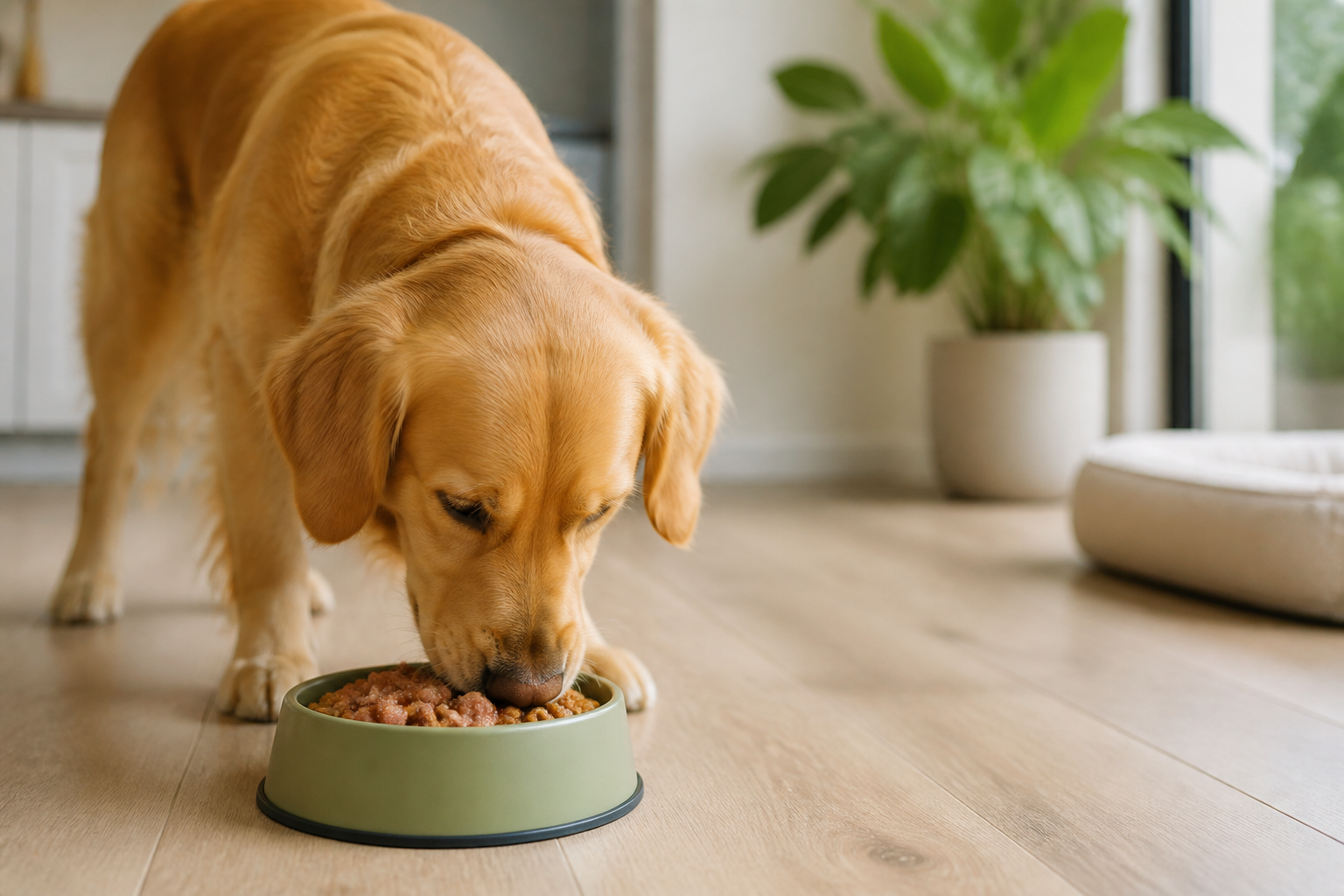
You decided to upgrade your dog's meal with a scoop of savory wet food mixed into their usual dry kibble. They likely licked the bowl clean with more enthusiasm than ever before. However, a few hours later, you are standing in the yard staring at a messy "soft serve" situation. This is a classic moment for many pet owners who want to offer variety but end up with an upset stomach to manage. At BaxterBoo, we have helped thousands of owners navigate dietary transitions since 2006. While mixing wet and dry food is a great way to boost hydration and interest, it can cause digestive issues if the change happens too fast. This article covers why these upsets occur, how to treat them, and the correct way to transition your dog to a mixed diet.
Quick Answer: Mixing wet and dry dog food can cause diarrhea if the change is too sudden or the new food contains rich ingredients the dog is not used to. Most cases resolve with a short period of digestive rest followed by a very slow reintroduction of the new food mixture.
Why the Digestive System Reacts to Mixed Feeding
The canine digestive tract thrives on consistency. Inside your dog's gut, a complex community of bacteria works to break down their specific daily diet. When you introduce a new texture or a different set of ingredients, this bacterial "factory" is often caught off guard. It takes time for the gut to produce the right enzymes to handle a sudden influx of moisture or higher fat content.
Wet food is significantly different from dry kibble. Kibble is dense and contains lower moisture levels, usually around 10 percent. Canned food is often 75 to 80 percent water. It is also typically higher in protein and fat. If your dog has spent years eating only dry food, their system is primed for a specific type of processing. Adding wet food changes the transit time of waste through the colon. This often results in the intestines pulling in extra water, which leads to loose stools.
The richness of the ingredients also matters. Many premium brands like Stella and Chewy's or Open Farm use high-quality meats that are much more nutrient-dense than standard grocery store kibble. While this is better for long-term health, it can be a "richness overload" for a dog used to a higher-carbohydrate dry diet. You can compare different formulas in our dog food category.
Identifying Food Sensitivity vs. Common Transition Issues
It is important to know if your dog is just adjusting to a change or if they have a genuine sensitivity to an ingredient. Most transition-related diarrhea happens immediately after the first or second mixed meal. It usually presents as loose but not entirely watery stool. Your dog should still act like their usual self.
If the reaction is a food sensitivity, you might see other signs. Look for excessive gas, a gurgling stomach, or your dog acting restless after eating. Some dogs may develop itchy skin or red paws if they are sensitive to a specific protein or filler in the new wet food.
Common triggers in lower-quality wet foods include thickening agents. Ingredients like guar gum or carrageenan are used to give canned food its texture. While these are common, some sensitive dogs find they act as a mild laxative. If you notice diarrhea every time you use a specific brand, check the label for these additives. Switching to a limited-ingredient wet food from a brand like The Honest Kitchen or Ziwipeak can often solve this problem. Explore our selection of The Honest Kitchen products when comparing wet and dry options.
Vet Tip: If your dog has diarrhea accompanied by vomiting, extreme lethargy, or blood in the stool, contact your veterinarian immediately. These symptoms can indicate a more serious issue than a simple food transition.
Immediate Steps to Handle Diarrhea at Home
If your dog has a mild case of the runs after their first mixed meal, do not panic. You can usually manage this at home by giving the digestive tract a chance to reset.
Step 1: Provide a digestive rest.
For healthy adult dogs, skipping one meal can help calm the inflammation in the gut. This allows the system to flush out the irritant without adding more work. Ensure they have constant access to fresh, clean water to prevent dehydration.
Step 2: Start a bland diet.
Once you resume feeding, do not go back to the mixed food. Offer a simple meal of boiled, skinless chicken and plain white rice. Use a ratio of two parts rice to one part chicken. Feed small portions three or four times a day rather than one large meal.
Step 3: Add natural fiber.
A tablespoon of plain canned pumpkin is a great tool for firming up stools. Make sure it is 100 percent pumpkin and not pumpkin pie filling, which contains sugar and spices. The soluble fiber in pumpkin helps absorb excess water in the intestines.
Step 4: Use a probiotic.
A high-quality probiotic can help restore the balance of good bacteria in the gut. We carry options like Zesty Paws or Honest Paws that are designed specifically for canine digestive support. These supplements are helpful during any dietary transition to keep the microbiome stable. For additional transition ideas, read our guide to switching from dry to wet dog food.
Key Takeaway: Most food-related diarrhea is a temporary reaction to a change in fat or moisture content and can be managed with a brief bland diet and fiber support.
The Importance of the 10-Day Transition
The biggest mistake pet owners make is switching foods overnight. To prevent diarrhea, you must follow a slow transition schedule. This gives the gut bacteria time to adapt to the new ingredient profile and moisture levels.
- Days 1 to 3: Feed 90% of the original dry food and only 10% of the new wet food.
- Days 4 to 6: Move to a 75% dry and 25% wet mix.
- Days 7 to 9: Try a 50/50 split if that is your goal.
- Day 10: You can now move to the final desired ratio.
During this time, watch the stool quality closely. If the stool starts to get soft at the 25% mark, stay at that level for a few extra days until things firm up. There is no reward for rushing the process. Every dog is an individual. Some might need two weeks to fully adjust, while others are fine in five days. For another perspective on gradual food changes, see our guide to whether wet or dry food is better for dogs.
Managing Portions and Calorie Math
Diarrhea can also be caused by simple overfeeding. When you add wet food on top of a full bowl of kibble, you are drastically increasing the caloric load. This can overwhelm the digestive system. You must reduce the amount of dry food to account for the calories in the wet food.
Check the labels on both products for the calorie count, usually listed as kilocalories (kcal) per cup or can. If a can of wet food has 350 calories and your dog needs 700 calories a day, that can represents half of their daily intake. You would then need to cut their dry food portion by half.
Using a consistent measuring cup is vital. We see many owners "eyeball" the portions, which leads to inconsistent feeding. Inconsistency is a major trigger for chronic loose stools. Keeping the total volume of food appropriate for your dog's weight will keep their gut from feeling overtaxed. Read our guide to mixing dry dog food with wet food for more portioning and feeding ideas.
Hygiene and Food Safety in Mixed Feeding
Sometimes the diarrhea isn't caused by the food itself, but by how it is handled. Dry kibble is shelf-stable, but wet food is highly perishable. Once a can is opened, it becomes a breeding ground for bacteria if not handled correctly.
If your dog is a "grazer" who leaves food in the bowl for hours, mixed feeding might be difficult. Once you add wet food to kibble, the clock starts ticking. Bacteria can grow rapidly in the moisture of the bowl. Any mixed food that has been sitting out for more than an hour should be tossed.
Proper storage of the opened can is also necessary. Use a silicone lid to create an airtight seal and keep the can in the refrigerator. Most wet food stays fresh for only three days after opening. If you have a small dog and a large can, you may need to freeze portions of the wet food to prevent spoilage. Feeding slightly spoiled food is a guaranteed way to cause a bout of diarrhea.
Bottom line: Hygiene is just as important as the food itself. Always refrigerate opened cans and never leave mixed food out for more than an hour.
Temperature Shock and Digestion
Cold food can be a shock to a dog’s stomach. If you take a can of wet food straight from the fridge and mix it into the kibble, it can cause the stomach to contract rapidly. For some sensitive dogs, this lead to cramping or "rapid transit," where the food moves through the system too quickly to be properly digested.
Try to take the wet food out of the fridge about 15 minutes before mealtime to let it reach room temperature. Alternatively, you can mix it with a small splash of warm water. This not only takes the chill off but also creates a nice gravy that coats the kibble, making the meal even more appealing. You can also explore our wet dog food collection for different textures and serving options.
When to Consider Prescription Diets and the Pharmacy
If your dog has persistent diarrhea regardless of how slowly you transition, they may have a chronic condition like Inflammatory Bowel Disease or a severe food allergy. In these cases, standard retail foods might not be enough. Your veterinarian might recommend a prescription diet formulated for high digestibility or limited antigens.
Our BaxterBoo pharmacy provides access to these specialized prescription diets through our partnership with Pet's Choice. Brands like Farmina Vet Life or Royal Canin Veterinary Diet offer specific formulas for gastrointestinal support. These foods are often processed differently to make the proteins easier to break down.
If your vet determines that your dog needs ongoing medication for digestive health or a specific prescription food, our pet pharmacy can handle those needs. This ensures your dog gets the exact nutrition required to manage their condition. We also carry FDA-approved treatments for parasites, which are a common "hidden" cause of diarrhea that owners often mistake for a food reaction.
Benefits of the Mixed Diet Done Right
While the risk of diarrhea exists, the benefits of mixing wet and dry food are worth the effort of a slow transition. This feeding style is often called "topping" or "mixed feeding," and it offers the best of both worlds.
Dry kibble provides a mechanical cleaning action for the teeth. As the dog crunches, the gritty texture helps scrape away soft plaque. This is a great foundation for dental health. However, many dogs do not drink enough water on their own. By adding wet food, you are significantly increasing their daily hydration. This is particularly beneficial for the kidneys and urinary tract.
For older dogs or picky eaters, the aroma of wet food is a huge motivator. As dogs age, their sense of smell can diminish. A rich, smelly wet food mixed with kibble can encourage a senior dog to maintain their weight and get the nutrients they need. For more background on the tradeoffs between food types, read our guide to wet versus dry dog food.
Creating a Sustainable Routine
Consistency is the final piece of the puzzle. Once you find a ratio of wet and dry food that works for your dog, stick to it. Avoid rotating through different flavors or brands every single day. While humans love variety, a dog's gut prefers a predictable routine.
If you want to provide variety, try staying within the same brand. Many brands like NutriSource or Acana design their wet and dry formulas to be compatible. This makes the transition easier because the base ingredients are often similar.
Keep your supplies organized so you never run out of one or the other. Using a program like our Autoship programme can help ensure you always have your dog's specific kibble and canned food on hand. This prevents "emergency" runs to the store for a different brand, which is a common cause of sudden dietary changes and subsequent diarrhea.
The Role of Treats in Digestive Upset
When you are transitioning to a mixed diet, it is a good idea to pause all other treats and table scraps. If your dog gets diarrhea, you need to be sure it was the food and not a piece of cheese or a new biscuit they had earlier in the day.
Once your dog is stable on the mixed diet for two weeks, you can slowly reintroduce treats one at a time. Look for natural, single-ingredient treats like those from Real Meat Co or Stella and Chewy's. These are less likely to cause a reaction than treats filled with dyes and artificial preservatives. You can browse our selection of Stella & Chewy's products for food and treat options.
Key Takeaway: Keep the diet simple during the transition period. Eliminate treats and scraps until you are certain the new food mixture is being digested well.
Conclusion
Mixing wet and dry dog food is an excellent way to provide a balanced, hydrating, and flavorful diet. While it can cause diarrhea if rushed, following a 10-day transition and maintaining strict hygiene will prevent most issues. Focus on high-quality ingredients from trusted brands and always account for the extra calories to avoid overfeeding. If your dog's stomach issues persist, it may be time to look into prescription options or consult your vet about underlying sensitivities.
We are here to support your pet's health journey with a curated selection of over 500 brands. Whether you need a high-protein kibble, a limited-ingredient wet food, or a prescription diet from our pharmacy, we have the expertise to help you choose. Joining the MVP Rewards programme is a great way to earn points on every meal as you find the perfect balance for your dog's bowl.
FAQ
How long does diarrhea last after changing dog food?
Most cases of "transition diarrhea" last between 24 and 48 hours as the gut adjusts to the new ingredients. If the symptoms continue for more than three days, you should stop the new food and consult your veterinarian. Providing a bland diet of chicken and rice can help speed up the recovery during this window.
Can I mix two different brands of wet and dry dog food?
Yes, you can mix different brands, but it is often easier on the dog's stomach if you stay within the same brand line. Different brands use different types of fats and fibers, which can increase the chance of digestive upset. If you do mix brands, be even more careful with the 10-day transition period to ensure a smooth adjustment.
Is wet food or dry food better for a dog with a sensitive stomach?
Neither is universally better, but wet food is often easier to digest because of its high moisture content and soft texture. However, some dogs react to the rich fats or thickeners found in canned options. If your dog has a sensitive stomach, look for "limited ingredient" or "sensitive skin and stomach" formulas in either format.
Why does my dog get diarrhea only when I add wet food?
This usually happens because wet food is much higher in moisture and fat than dry kibble, which can act as a shock to the system. It could also be a reaction to specific additives like carrageenan or guar gum used in many canned foods. Ensuring the wet food is high quality and introduced very slowly will usually solve this problem.






