
 Save 15% on your 1st Autoship learn more

 Email us
 Live Chat
 FAQs
FAQs





Introduction
You might be standing in your kitchen right now, looking at a dog who is suddenly uninterested in their dinner. Maybe they are pushing their kibble around the bowl with their nose, or perhaps they are a senior dog who seems to find the hard texture of dry food a bit too much to handle. When mealtime becomes a struggle, it is natural to look for ways to make the food more enticing or easier to eat. One common question we hear at BaxterBoo is whether you can simply put that dry kibble into a blender to change its consistency.
This post will cover everything you need to know about blending dry dog food, from the different methods you can use to the nutritional considerations you must keep in mind. We will also look at how blending can help with specific health needs and how to keep your equipment clean. Blending dry dog food is a safe and effective way to help your dog enjoy their meals again, as long as you follow a few simple rules.
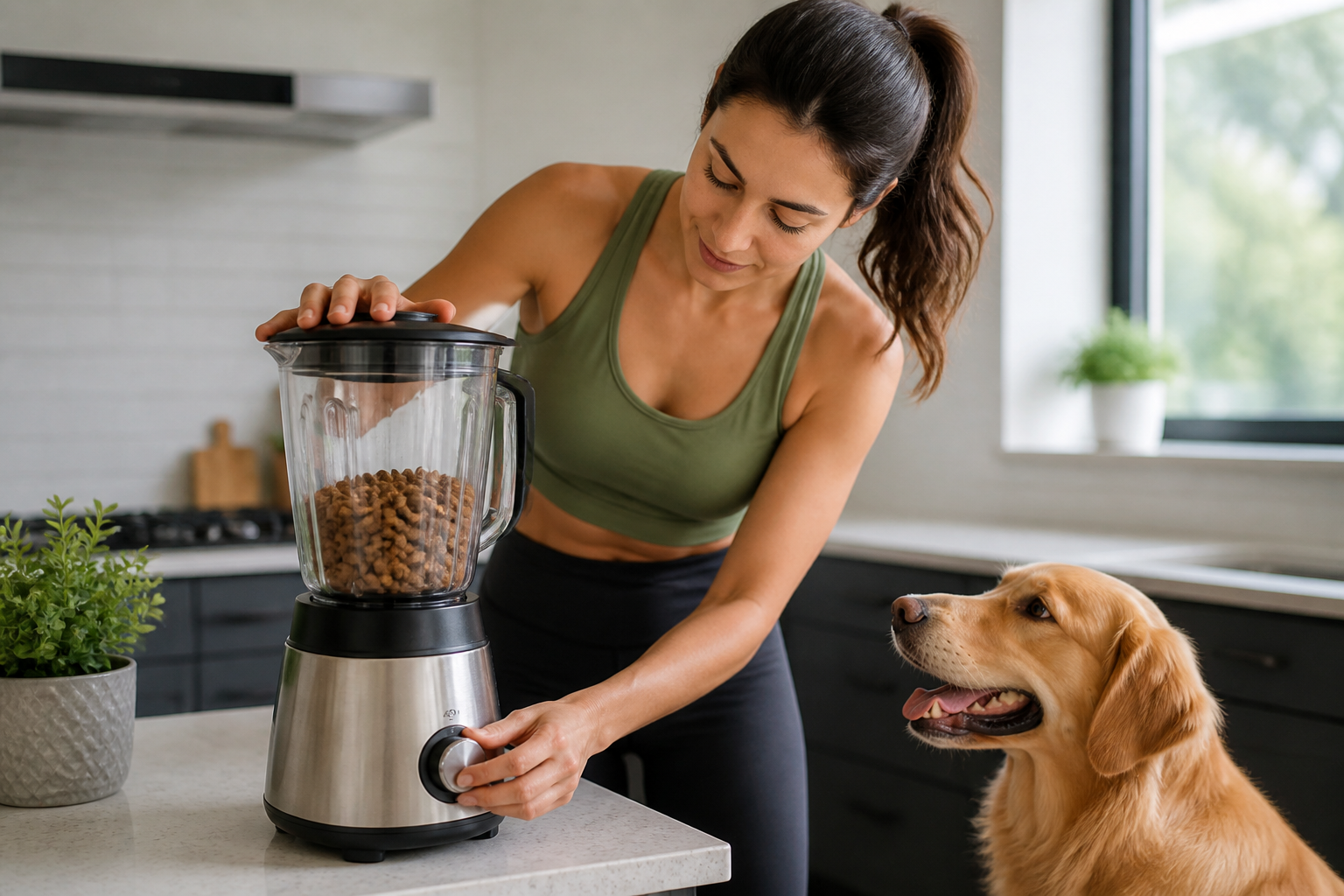
Quick Answer: Yes, you can blend dry dog food by pulsing it into a dry powder or blending it with liquids like water or bone broth. This is a great way to help senior dogs with dental issues, encourage hydration, or entice picky eaters.
Why You Might Consider Blending Dry Dog Food
There are several reasons why a standard bowl of hard kibble might not be the best fit for your dog at their current stage of life. While many premium brands we carry, such as NutriSource or Open Farm, offer excellent nutrition in kibble form, the physical structure of the food can sometimes be a hurdle. You can compare options in our dog food category.
Supporting Senior Dogs with Dental Sensitivity
As dogs enter their golden years, dental health often becomes a top priority. Gums can become sensitive, and teeth may be missing or loose. For these dogs, crunching down on hard kibble can be physically painful. When a dog associates eating with pain, they may start to skip meals, leading to weight loss and a decline in overall health. Blending their food into a soft mash allows them to get the nutrients they need without the discomfort of chewing.
For more ideas about feeding aging dogs, read our guide to wet or dry food for senior dogs.
Helping Picky Eaters Rediscover Their Appetite
Some dogs simply get bored with the same texture every day. By grinding a portion of their dry food into a fine powder and mixing it back in, you change the mouthfeel of the meal. This process also releases more of the natural aromas of the fats and proteins in the food. Since a dog's sense of smell is so closely tied to their appetite, this extra "scent boost" can be enough to get a picky eater back to their bowl.
Transitioning Puppies to Solid Food
Puppies that are moving away from mother's milk or very soft wet food often need a bridge to adult kibble. Blending dry puppy food with a little warm water or puppy formula creates a "mush" that is gentle on their developing teeth and digestive systems. It allows them to get used to the flavor of the dry food while keeping the texture familiar. Our puppy supplies section can help you find age-appropriate essentials.
Boosting Daily Hydration
If your dog is not a big drinker, blending their food with liquids is a clever way to sneak extra water into their diet. This is especially helpful for dogs prone to urinary tract issues or those living in warmer climates where dehydration is a constant concern.
For another approach to adding moisture, see our guide to wetting dry dog food.
Vet Tip: If your dog has suddenly stopped eating or seems to have trouble chewing, it is important to consult your veterinarian for a dental exam. While blending food helps with the symptoms of dental pain, it does not treat underlying issues like gum disease or abscessed teeth.
The Different Methods for Blending Kibble
There is more than one way to use a blender or food processor with dog food. The method you choose should depend on your dog’s specific needs and the tools you have in your kitchen.
The Dry Pulse (Creating a Topper)
This method is best for dogs who are healthy but bored. You are essentially turning a portion of their high-quality kibble into a "seasoning" for the rest of the meal.
Step 1: Measure out the exact amount of dry food your dog needs for one meal.
Step 2: Place the kibble into a clean, dry blender or food processor.
Step 3: Pulse the machine for three to five seconds until the food looks like coarse sand.
Step 4: Sprinkle this "kibble dust" over their regular whole kibble to add flavor and variety.
The Wet Blend (Creating a Mash)
This is the preferred method for senior dogs, puppies, or dogs recovering from surgery. It creates a texture very similar to canned wet food.
Step 1: Add the measured dry kibble to your blender.
Step 2: Add a liquid component, such as warm water or unsalted broth. A good ratio is one part liquid to two parts food.
Step 3: Let the mixture sit in the blender for about five minutes to allow the kibble to soften.
Step 4: Blend on a low setting until the mixture reaches a smooth, pate-like consistency.
Key Takeaway: Blending changes the texture and aroma of the food but does not change its calorie count. Always measure the dry food before you blend it to ensure your dog is getting the correct portion.
Choosing the Right Liquids for Blending
While plain water is the easiest option for wet blending, you can add extra nutrition and flavor by choosing different liquids. However, you must be careful about ingredients that are safe for humans but toxic to dogs.
- Unsalted Bone Broth: This is a fantastic choice for senior dogs. Brands like Caru or The Honest Kitchen offer dog-safe broths that are packed with collagen to support joint health.
- Goat's Milk: Many dogs find goat's milk easier to digest than cow's milk. It is full of probiotics and adds a creamy texture that dogs love.
- Low-Sodium Chicken or Beef Stock: If you use store-bought stock, ensure it contains no onions, garlic, or high levels of salt.
- Filtered Water: Sometimes simple is best, especially for dogs with sensitive stomachs.
Bottom line: Avoid any liquids containing onions, garlic, or excessive salt, as these can be harmful to your dog's health.
Blending as a Part of Mixed Feeding
At BaxterBoo, we see many pet owners successfully use blending as a way to combine different types of food. You do not have to stick to just dry kibble in the blender. Many people find success blending dry food with fresh or raw options to create a customized meal.
Mixing Dry and Wet Food
If you want the benefits of both types of food, you can blend a portion of dry kibble with a few tablespoons of canned food and a splash of water. This creates a very palatable meal that is often more cost-effective than feeding 100 percent wet food.
For additional guidance, read our article about mixing wet and dry dog food.
Blending with Raw or Fresh Food
For those who feed brands like Stella and Chewy's or Open Farm's fresh recipes, blending a small amount of these into a dry kibble mash can provide a massive boost in nutrition. Fresh foods are often higher in moisture and natural enzymes, which can help with digestion.
Transitioning Foods
Blending is also a secret weapon when you need to switch your dog to a new brand of food. By blending the old and new foods together into a mash, you can hide the change in flavor and scent, making the transition much easier on a picky dog or a sensitive stomach.
If you are changing food formats, our guide to switching from dry to wet dog food offers additional transition ideas.
Maintaining Nutritional Integrity
One concern many pet owners have is whether the heat or friction of a blender can "kill" the vitamins in the food. Generally, the few seconds it takes to pulse or blend kibble will not generate enough heat to damage the nutritional profile. However, there are a few other nutritional factors to consider.
The Importance of Portions
It is very easy to overfeed when you are working with blended food. A cup of whole kibble looks much larger than a cup of blended kibble because of the air between the pieces. To keep your dog's weight stable, always use a measuring cup on the dry, whole food first, then pour that measured amount into the blender.
The Dental Trade-Off
One of the traditional benefits of dry kibble is the mechanical scraping action it has on a dog's teeth. This helps to reduce the buildup of plaque and tartar. When you blend the food into a soft powder or mash, you lose this benefit. If you move to a primarily blended diet, you may need to increase other dental care routines. This might include more frequent brushing or providing dental chews from brands like Greenies or Kong to keep their teeth clean.
Therapeutic and Prescription Diets
If your dog is on a prescription diet for a condition like kidney disease or food allergies, you must be very careful. Blending these foods is usually fine, but you should not add "extra" ingredients like broth or milk without checking with your vet first. Our dog pharmacy carries many specialized diets, including Farmina Vet Life, through our partnership with Pet's Choice.
Vet Tip: Always consult your veterinarian before adding supplements or new liquid mixers to a prescription diet. These diets are precisely balanced to manage specific health conditions, and adding extra minerals or proteins can interfere with their effectiveness.
Safety and Hygiene Best Practices
When you change the physical state of dog food, you also change how it reacts to the environment. Ground-up kibble and wet mashes require a bit more care than standard dry food to keep your dog safe from bacteria.
Avoid Free-Feeding
Dry kibble is shelf-stable and can sit in a bowl all day. However, once you grind it, more surface area is exposed to the air, which can lead to faster oxidation of the fats in the food. If you add moisture to create a mash, the risk of bacterial growth increases significantly. If your dog does not finish a wet-blended meal within 20 to 30 minutes, you should discard the leftovers rather than leaving them out.
Equipment Cleanliness
Dog food is rich in fats and proteins that can stick to the blades and walls of your blender. If these small particles are left behind, they can go rancid and contaminate the next meal. You should wash your blender or food processor thoroughly with hot, soapy water after every use. If you use the blender for your own food as well, a deep clean is even more important to prevent cross-contamination.
Storing Blended "Toppers"
If you prefer to dry-blend a large batch of kibble to use as a topper throughout the week, storage is key. Ground food goes stale much faster than whole kibble. Keep your kibble powder in an airtight container in a cool, dark place. For the best flavor and nutritional value, only grind enough for two or three days at a time.
- Use an airtight glass or BPA-free plastic container.
- Store away from direct sunlight.
- Check for a "sour" or "off" smell before serving.
- Clean the storage container between batches to remove old oils.
How Blending Supports Specific Health Conditions
For some dogs, blending food is not just a preference but a medical necessity. We often see this in our community when owners are managing long-term health challenges.
Managing Megaesophagus
Dogs with megaesophagus have a difficult time moving food from their throat to their stomach. These dogs often require a "slurry" consistency that can slide down more easily while they are fed in an upright position. Blending dry food with a high volume of water is the most consistent way to create this specific texture.
Recovery from Oral Surgery
If your dog has recently had teeth extracted or oral surgery, your vet will likely recommend a soft-food-only diet for several weeks. Blending their favorite dry food into a smooth pate allows them to stay on the diet they are used to without irritating their surgical sites. This can be less stressful for the dog than a sudden switch to a completely new brand of wet food.
Kidney and Urinary Support
Dogs with kidney issues often need to consume much more water than they naturally want to drink. By turning their dry food into a very thin soup through blending, you can significantly increase their daily fluid intake. Our pet pharmacy offers a variety of prescription diets and medications that can be paired with this feeding method to help manage chronic conditions.
Blending for Variety and Enrichment
Beyond the health benefits, blending can simply be a fun way to make mealtime more interesting. You can use blended food in several enrichment toys to keep your dog mentally stimulated.
Frozen Treats
Take your wet-blended kibble mash and spoon it into a silicone mold or a hollow toy like a Kong. Freeze it for a few hours, and you have a long-lasting, healthy treat. This is especially great for teething puppies or for keeping a dog busy during a thunderstorm or while you are away from home.
Lick Mats
A smooth, blended consistency is perfect for spreading onto a lick mat. Licking is a naturally soothing behavior for dogs and can help reduce anxiety. Spread the blended food across the mat and let them work to get every bit out of the small crevices.
Training Paste
If you need a high-value training treat but want to stick to your dog's regular diet, you can blend their kibble into a very thick paste. Put this paste into a squeezable travel tube, and you have a mess-free reward for walks or training sessions.
Helping You Care for Your Pet Since 2006
At BaxterBoo, we have been helping pet owners find the right solutions for their dogs and cats for nearly two decades. Our warehouse in Vernon Hills, Illinois, is stocked with over 500 trusted brands, and our team is always looking for ways to make pet care simpler and more effective. Whether you are looking for the right kibble to blend or need a specific supplement like Cosequin to support your senior dog's joints, we are here to help.
If you find that you are blending food frequently, consider our Autoship program. It is a great way to ensure you never run out of your dog's favorite food, and you will save on your orders while earning points through the MVP Rewards program. For those managing ongoing health needs, our pharmacy partnership with Pet's Choice provides easy access to prescription foods and medications that can be delivered right to your door.
Bottom line: Blending is a simple, cost-effective way to customize your dog's diet to meet their changing needs, whether they are a growing puppy or a slowing senior.
Summary of Best Practices
To ensure your dog gets the most out of their blended meals, keep these final tips in mind. Blending is a tool, and like any tool, it works best when used with a bit of planning.
- Always measure dry portions before you blend to prevent overfeeding.
- Use warm (not hot) liquids to release aromas without burning your dog's mouth.
- Clean all blending equipment immediately after use to prevent bacterial growth.
- Do not leave wet-blended food out for more than 30 minutes.
- Introduce any new liquids or mixers gradually to avoid stomach upset.
- Consult your vet if you are blending food due to a sudden loss of appetite or visible pain.
If you are ready to start a new feeding routine, browse our selection of premium dog foods and broths to find the perfect combination for your pup.
FAQ
Does blending dry dog food lose nutrients?
No, the act of blending or pulsing dry kibble does not significantly reduce its nutritional value. The heat generated by a standard kitchen blender during a short cycle is not high enough to damage the vitamins or proteins. However, once the food is ground up, it can oxidize faster, so it is best to blend it fresh for each meal or store it in an airtight container.
Can I blend dry dog food for a senior dog with no teeth?
Yes, blending dry food into a smooth mash is an excellent solution for dogs with no teeth or severe dental disease. By adding warm water or broth and blending until it reaches a pate consistency, you allow the dog to "lap up" their meal rather than having to chew. This ensures they still get the familiar nutrition of their favorite kibble without any physical discomfort.
How long does blended dog food stay good?
If you have blended the food with water or broth, it should be treated like wet canned food and should not sit out for more than 30 minutes. If you have dry-blended the kibble into a powder, it can be stored in an airtight container for up to three days. Always smell the food before serving; if it smells sour or metallic, the fats may have gone rancid and it should be discarded.
Can I blend different brands of dog food together?
You can blend different brands of dog food as long as both are "complete and balanced" and appropriate for your dog's life stage. This is often done when transitioning from one food to another or when trying to entice a picky eater with a mix of flavors. Be mindful of the total calorie count and try to keep the ingredients relatively similar to avoid causing an upset stomach.






