
 Save 15% on your 1st Autoship learn more

 Email us
 Live Chat
 FAQs
FAQs





Introduction
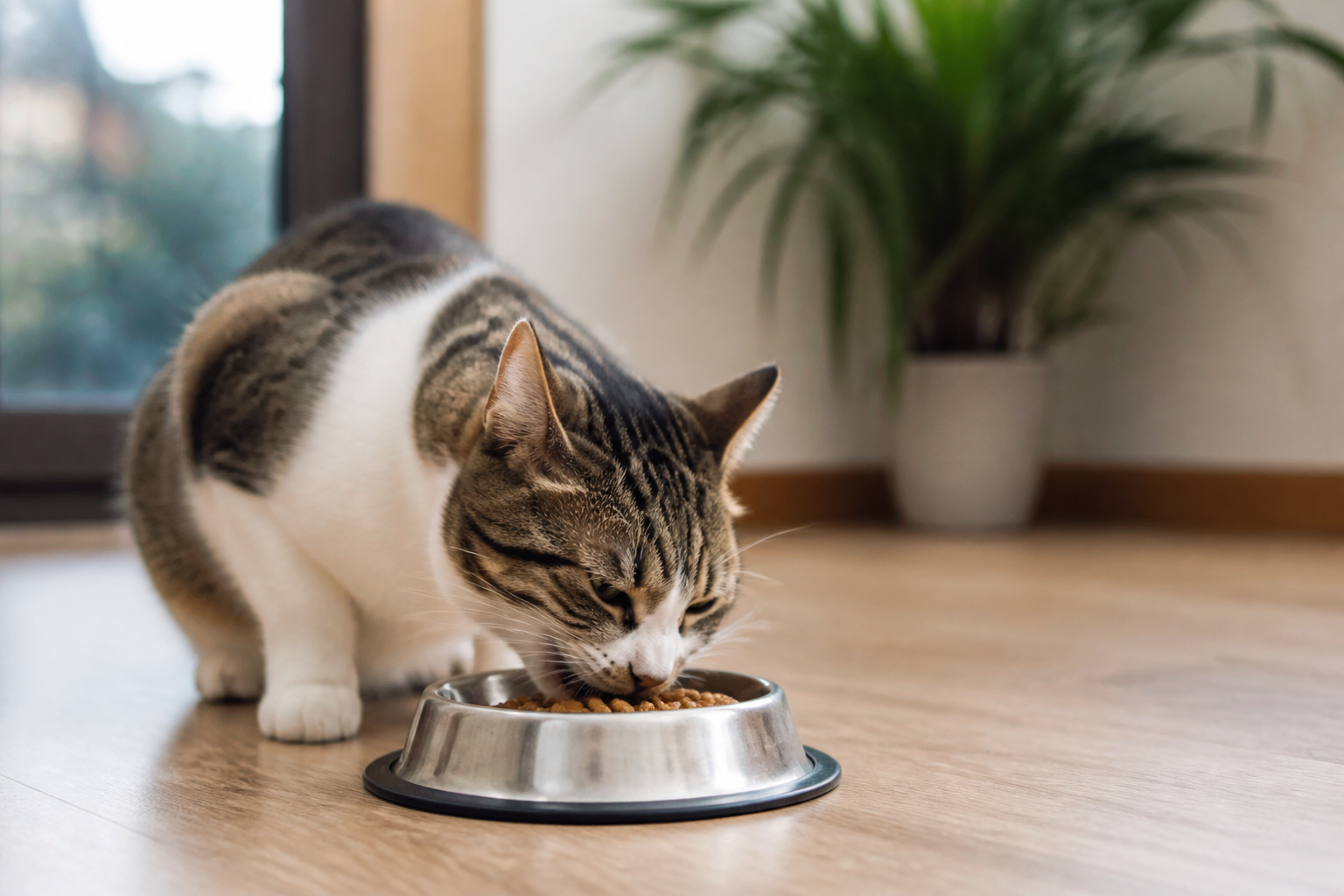
You might find yourself staring at an empty bag of kibble on a Sunday night. Your cat is meowing at their bowl. The dog’s bag is full and right there. Or perhaps you have a "bowl bandit" who ignores their own fancy feast to sneak bites of the dog’s dinner. It is a common situation for multi-pet households. You want to know if that one bowl of dog kibble is a safe bridge to the next morning. At BaxterBoo, we hear these questions from concerned owners every day. We know you want to keep your pets healthy while managing the chaos of a busy home. This article covers the biological differences between cats and dogs. We explain why dog food fails to meet feline needs over time. You will learn what nutrients are missing and how to handle a food emergency safely.
The Biological Gap Between Cats and Dogs
Dogs and cats may live under the same roof. They might even sleep in the same bed. However, their bodies function in very different ways. Dogs are classified as omnivores. This means they can get nutrients from both animal and plant sources. Their bodies are flexible. They can convert certain plant precursors into the vitamins they need. They have been scavenging alongside humans for thousands of years.
Cats are different. They are obligate carnivores. This term means they must eat meat to survive. Their bodies lack the enzymes to process certain plant-based nutrients. They cannot manufacture specific amino acids on their own. In the wild, a cat’s entire nutritional profile comes from their prey. Their digestive systems are highly specialized for protein and fat.
Key Takeaway: Dogs are omnivorous scavengers who can thrive on a variety of foods, but cats are strict carnivores who require specific nutrients only found in animal tissues.
Why Dog Food Is Not Enough for Cats
Dog food is formulated to meet the needs of a species that can eat grains and vegetables. It is often lower in protein than cat food. It also lacks several ingredients that are essential for feline health. If a cat eats only dog food, they are not just eating "different" food. They are effectively starving of specific nutrients. For more perspective on feline nutrition, read about the truth about grain-free cat food.
The Taurine Requirement
Taurine is an amino acid that is vital for cats. Dogs can produce their own taurine. Because of this, many dog foods do not add extra taurine to their recipes. Cats cannot make it. They must get it through their diet.
Without enough taurine, a cat’s health will fail quickly. They can develop Dilated Cardiomyopathy, which is a serious heart condition. Their heart walls become thin and weak. It can also lead to central retinal degeneration. This condition causes permanent blindness.
Vitamin A and Niacin
Most animals can turn beta-carotene into Vitamin A. You see this in dogs and humans. Cats cannot do this. They need preformed Vitamin A. This is only found in animal liver and fat. Dog food often relies on plant-based sources for vitamins.
Cats also have a high requirement for Niacin, a B vitamin. They cannot convert the amino acid tryptophan into niacin like dogs can. A cat eating dog food will slowly become deficient in these essential vitamins. This leads to poor skin, a dull coat, and low energy levels.
Arachidonic Acid
This is an essential fatty acid. Dogs can produce it within their bodies. Cats lack the enzyme to create it. They must consume it in their food. It is found primarily in animal fats. Most dog foods do not contain the levels a cat needs. This acid is crucial for a cat’s inflammatory response and blood clotting.
Vet Tip: If you notice your cat has a dull coat or seems lethargic after eating non-feline food, consult your veterinarian. They may need a blood panel to check for nutritional deficiencies.
Short-Term vs. Long-Term Risks
If your cat steals a few nuggets of dog kibble, do not panic. It is not toxic. It will not cause immediate poisoning in most cases. The real danger lies in the long term.
Short-Term Effects
Some cats have sensitive stomachs. Eating a food they are not used to can cause issues. You might see vomiting or diarrhea. The kibble size for dogs is also much larger. A small cat might struggle to chew it. This can lead to choking or "scarf and barf" episodes.
Long-Term Consequences
If a cat eats dog food for weeks or months, the damage becomes severe. Malnutrition sets in quietly. You might not notice the heart weakening until it is an emergency. You might not see the vision loss until the cat starts bumping into furniture. This is why a species-appropriate diet is non-negotiable. A consistent feeding routine also matters when managing feline health, as explained in this guide to tailoring a cat’s diet.
What to Do in a Food Emergency
We have all been there. You thought there was one more scoop in the bag. It turns out the bag is empty. If you cannot get to the store, there are better options than dog food. You can feed your cat small amounts of plain, cooked protein from your fridge.
- Unseasoned boiled chicken (no bones or skin)
- Plain canned tuna in water (not oil)
- Scrambled eggs (no butter or salt)
- Plain boiled white fish
- Cooked turkey breast
These options provide the protein and moisture your cat needs. They are safer for a one-night fix than a bowl of dog kibble. Avoid using onions, garlic, or heavy spices. These are toxic to cats and can cause life-threatening anemia.
Quick Answer: Yes, a cat can eat a few bites of dry dog food in an emergency without being poisoned. However, it cannot replace cat food because it lacks taurine and sufficient protein for feline health.
Managing the Bowl Bandit
If your cat loves dog food, you have a behavioral challenge. Some cats find the higher grain content or the different texture interesting. Others just want what the dog has. This can lead to the dog missing out on nutrients and the cat getting the wrong ones.
Step 1: Separate the feeding areas. Feed the cat on a high counter where the dog cannot reach. Feed the dog in a crate or a separate room.
Step 2: Use scheduled mealtimes. Do not leave food out all day. This is called free-feeding. It makes it too easy for pets to swap bowls. Give them 20 minutes to eat and then pick up the bowls.
Step 3: Try an automatic feeder. We carry feeders that only open for a specific pet’s microchip. This is the most reliable way to stop food theft. It ensures each pet gets exactly what they need. For more ideas, see this guide to automatic pet feeders for cats.
Step 4: Upgrade your cat’s food. Sometimes a cat steals dog food because their own food is boring. Brands like Farmina, Orijen, or Stella and Chewy's offer high-protein, flavorful recipes. These often satisfy a cat's natural cravings for meat. You can compare options in our cat food selection or explore our selection of Orijen products.
The Role of the Pharmacy in Feline Nutrition
Sometimes nutritional issues go beyond just picking the right bag. If your cat has been eating the wrong food, they might need medical support. They might need a prescription diet to help their kidneys or heart. Our cat pharmacy carries prescription medications and veterinary diet options.
If your vet discovers a taurine deficiency or heart issue, they may prescribe a specific therapeutic diet. These diets are formulated to solve medical problems. You can fulfill these prescriptions through our online pharmacy. This is a practical step for owners managing chronic conditions or recovery.
Bottom line: Dog food lacks the specific amino acids and vitamins cats need to survive, making it a dangerous long-term choice.
Choosing the Right Cat Food at BaxterBoo
We carry over 500 trusted brands to help you find the perfect match. When you shop for cat food, look for a named animal protein as the first ingredient. Chicken, turkey, or salmon should lead the list. Avoid foods that rely heavily on corn or soy fillers. For cats with dietary sensitivities, this article about hydrolyzed protein cat food explains why specialized diets may require veterinary guidance.
Our MVP Rewards program helps you save on these premium brands. You can learn more about the MVP Rewards programme. If you want to ensure you never run out of food again, try our Autoship programme. You get a discount on your first order. It also gives you a free MVP Gold membership. This is the best way to prevent that "empty bag" panic on a Sunday night.
When to Contact Your Veterinarian
If your cat has accidentally consumed a large amount of dog food, watch them closely. A single meal is rarely an emergency. However, you should call your vet if you see:
- Persistent vomiting or diarrhea
- Loss of appetite for more than 24 hours
- Noticeable lethargy or weakness
- Changes in balance or coordination
- Cloudy eyes or signs of vision loss
Your vet can determine if the food swap caused a metabolic upset. They can also advise on how to transition back to a proper feline diet. For cats with underlying health issues like kidney disease, a food swap is more serious. In those cases, a quick check-in with a professional is always the best path.
Understanding Label Differences
When you look at a bag of dog food versus cat food, the differences are in the fine print. Look for the AAFCO statement. It will say "formulated to meet the nutritional levels established by the AAFCO Cat Food Nutrient Profiles." If it says "Dog Food Nutrient Profiles," it is not suitable for your cat.
Cat food is naturally higher in calories and fat. This is because cats have a very high metabolic rate. They use protein for energy more than dogs do. A cat eating dog food will often lose weight and muscle mass. They are not getting the caloric density they need. This is especially true for kittens and senior cats.
How to Transition Back to Cat Food
If your cat has developed a habit of eating dog food, you must transition them back carefully. Do not just take the dog food away. This might cause the cat to stop eating entirely. Cats can develop hepatic lipidosis if they go without food for even a few days. This is a dangerous liver condition. Our dry cat food category offers options for gradually returning to a feline formula.
Step 1: Start by mixing a small amount of high-quality cat food into the dog food. Use a ratio of 25 percent cat food to 75 percent dog food.
Step 2: Over the next week, slowly increase the amount of cat food. Pay attention to their appetite and litter box habits.
Step 3: By day seven, the bowl should be 100 percent cat food. If your cat is stubborn, try adding a topper. We carry many freeze-dried or wet toppers from brands like Tiki Cat or Vital Essentials. These add a strong meaty aroma that cats find hard to resist. For another perspective on gradual diet changes, read this guide to transitioning cat food safely.
Conclusion
Feeding your cat dry dog food is a safe fix for a single meal, but it is a dangerous long-term habit. The biological needs of cats are too specific for a general omnivore diet. Without taurine, preformed Vitamin A, and high protein, your cat’s health will eventually fail. We are here to help you navigate these choices with expert-picked products and reliable advice.
- Separate feeding areas to prevent food theft.
- Keep plain proteins like boiled chicken for emergencies.
- Never use dog food as a permanent replacement for cat food.
- Use Autoship to ensure your cat's favorite food is always in stock.
If you are worried about your cat’s nutrition or need a specialized diet, check out our cat pharmacy. Our pharmacy service is also available for any prescription needs. Your cat’s health starts with the right bowl of food every single day.
FAQ
Is dog food toxic to cats?
No, dog food is not toxic to cats in the way that chocolate or onions are. A cat can eat a few bites or even a full meal without suffering from poisoning. The danger is nutritional deficiency over time because dog food lacks the specific vitamins and amino acids cats need to live.
Can cats eat dog treats instead of cat treats?
A single dog treat is usually fine as a one-off snack, provided it does not contain xylitol or high amounts of sugar. However, dog treats are often too large for cats and do not provide the specific nutrients they need. It is always better to use treats specifically formulated for felines to avoid choking or stomach upset.
Why does my cat prefer the dog's food over their own?
Cats are naturally curious and might find the smell or texture of dog kibble interesting. Sometimes they enjoy the crunch of a larger kibble or the higher grain content. In multi-pet homes, cats may also eat the dog's food to establish dominance or simply because it is accessible.
What is the most important nutrient missing from dog food for cats?
Taurine is the most critical missing nutrient. Cats cannot produce their own taurine and must get it from meat-based cat food. A long-term lack of taurine in a cat’s diet leads to heart failure and permanent blindness, which is why dog food cannot be a cat's primary diet.






