
 Save 15% on your 1st Autoship learn more

 Email us
 Live Chat
 FAQs
FAQs





Introduction
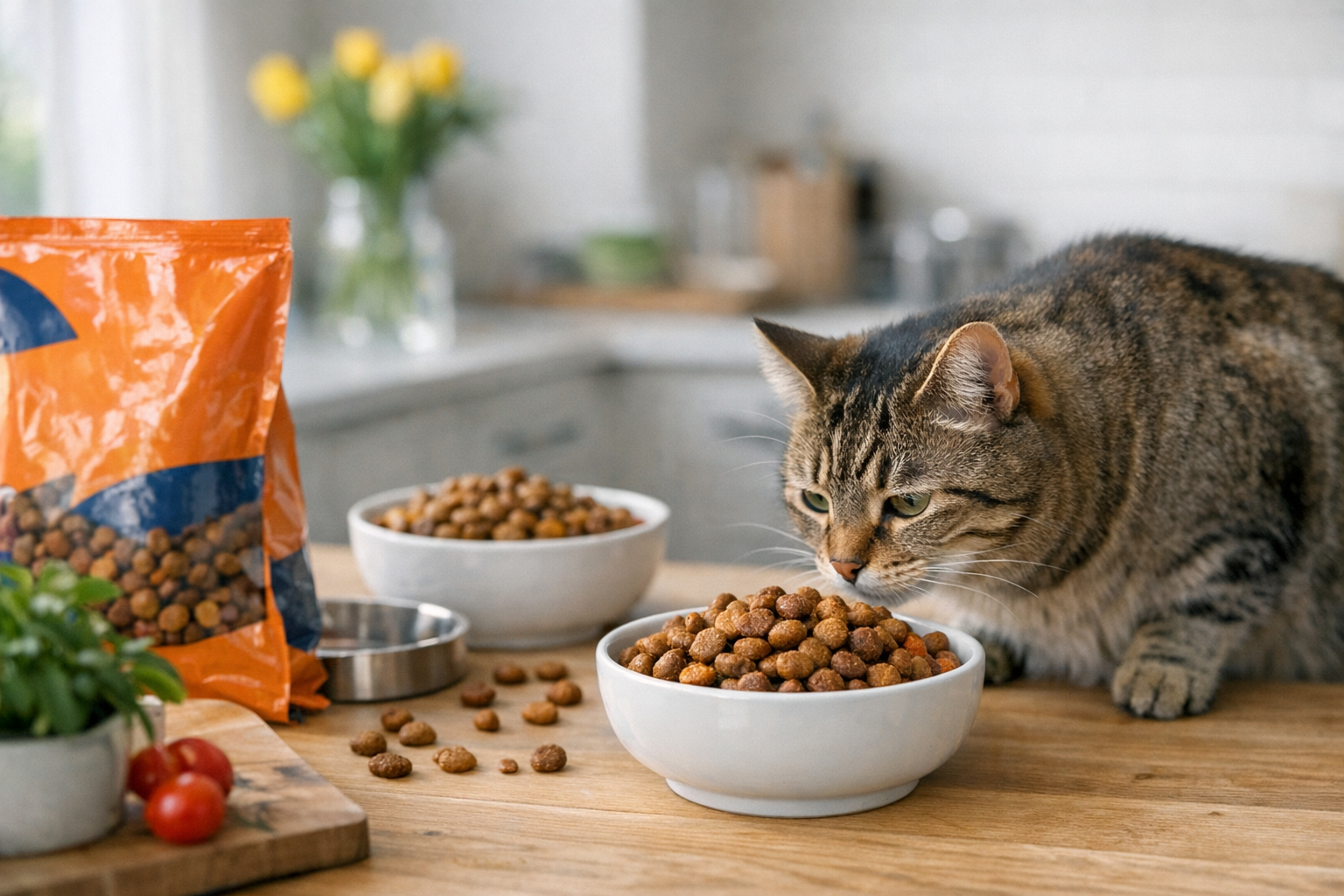
It is late on a Tuesday night. You reach into the bag for the last scoop of kibble only to find dust. The stores are closed. You look at the large bag of dog food sitting next to the empty cat container. You wonder if your cat can just eat the dog's dinner for tonight. This is a common situation for many pet owners who manage multi-pet households. At BaxterBoo, we see this question often from neighbors visiting our warehouse or shopping online.
This article covers the nutritional differences between species. We will look at why dog food lacks the specific tools a cat needs to thrive. We will also discuss what to do in an emergency. While a single bite might not hurt, using dog food as a meal replacement is a different story. Our goal is to help you understand the long term health risks and provide practical solutions for feeding your feline friend. If you are planning ahead for a proper feline diet, start with our cat food category.
The Biological Divide: Carnivores Versus Omnivores
The main reason you cannot swap these foods permanently is biological. Dogs and cats belong to different branches of the animal kingdom. These branches have very different fuel requirements. Dogs are classified as omnivores. This means they can survive and thrive on a mix of animal and plant matter. Their bodies are flexible. They can pull nutrients from grains, vegetables, and meats.
Cats are obligate carnivores. This is a strict biological term. It means their bodies require nutrients that are only found in animal tissue. They lack the metabolic pathways to create certain vitamins and amino acids from plant sources. In the wild, a cat eats the whole prey. This provides them with moisture, high protein, and specific acids. Dog food is formulated for an animal that can process more carbohydrates and different protein levels. If you want to compare protein-rich formulas made for felines, take a look at our selection of Open Farm products.
The Role of Protein
Cats require significantly more protein than dogs. Protein provides the amino acids that build muscle and support the immune system. For a cat, protein is also a primary energy source. While a dog can use carbohydrates for a quick energy boost, a cat's metabolism is "always on" for protein.
If a cat eats dog food regularly, they will experience a protein deficit. This can lead to muscle wasting. It can also cause a dull coat and a weakened immune system. Dog food often uses more plant based proteins like corn or wheat to meet its targets. Cats cannot process these as efficiently as animal based proteins. If your cat needs a gentler recipe during a transition, our guide to happy tummy cat food choices is a helpful next step.
Key Takeaway: Cats are obligate carnivores that require high levels of animal protein. Dog food is formulated for omnivores and lacks the nutrient density a cat needs for long term survival.
Critical Nutrients Missing in Dog Food
The biggest danger in feeding dog food to cats is the lack of specific micronutrients. Dog food manufacturers formulate their recipes to meet the standards for dogs. These standards do not include the high levels of specific acids and vitamins that cats must have.
The Importance of Taurine
Taurine is an essential amino acid for cats. Most mammals, including dogs and humans, can manufacture their own taurine from other amino acids. Cats cannot do this. They must get it directly from their food. Animal muscle and organs are the primary sources.
A taurine deficiency is very serious. Over time, a lack of taurine can lead to central retinal degeneration. This results in permanent blindness. It also leads to dilated cardiomyopathy. This is a condition where the heart becomes enlarged and weak. Dog food rarely contains enough added taurine to support a cat.
Vitamin A and Arachidonic Acid
Cats have a unique need for "preformed" Vitamin A. Dogs can eat carrots or sweet potatoes and turn the beta carotene into Vitamin A. Cats lack the enzyme to make this conversion. They must eat Vitamin A that is already in an animal form. This vitamin is crucial for night vision and skin health.
Similarly, cats need arachidonic acid. This is an essential fatty acid. Dogs can produce this in their bodies. Cats cannot. It must be in their diet. It helps with inflammatory responses and skin integrity. Most dog foods do not supplement this because dogs do not need the extra help.
Arginine and Niacin
Arginine is another amino acid where cats have a zero tolerance policy for deficiency. Even a single meal completely lacking in arginine can cause a toxic buildup of ammonia in a cat's system. While most dog foods have some arginine, the levels may not be high enough for a sensitive feline metabolism. Cats also require more Niacin (Vitamin B3) than dogs. They cannot convert the amino acid tryptophan into niacin like dogs can.
| Nutrient | Required for Dogs | Required for Cats | Why Cats Need More |
|---|---|---|---|
| Protein | Lower | Very High | Primary energy source and muscle maintenance |
| Taurine | Not required in diet | Essential | Prevents blindness and heart failure |
| Vitamin A | Can convert from plants | Must be animal-sourced | Critical for vision and immune function |
| Arachidonic Acid | Produced by body | Essential | Manages inflammation and skin health |
What Happens if a Cat Eats Dog Food Once?
If your cat sneaks a few bites from the dog's bowl, there is usually no reason to panic. Most dog foods do not contain ingredients that are toxic to cats in small amounts. You might see some minor digestive upset because the formula is new.
Quick Answer: Yes, a cat can eat a small amount of dog food in a one-time emergency. It is not toxic, but it lacks the long term nutrients needed for feline health.
Immediate Side Effects
The most common reaction to a sudden switch in food is a sensitive stomach. Cats are famous for having delicate digestive systems. A bowl of dog food might cause:
- Mild diarrhea or loose stools
- Occasional vomiting
- Lack of appetite for the next meal
- Excessive gas
If these symptoms persist for more than 24 hours, you should contact your veterinarian. While the food itself is not poison, the change can trigger underlying sensitivities. For more on digestive changes, read our kitten sensitive stomach food guide.
The Kibble Size Factor
Dog food is often made into much larger pieces than cat kibble. Large breed dog food can be a choking hazard for a small cat. Cats have smaller mouths and teeth designed for shearing meat rather than grinding large hard pellets. If you must feed dog food in an emergency, consider moistening it with water. You can also crush the larger pieces to make them easier to chew.
Long Term Health Risks of a Dog Food Diet
While one meal is fine, weeks or months of dog food will cause visible health declines. The body will begin to prioritize survival over maintenance. This leads to a cascade of medical issues.
Malnutrition and Weight Loss
Because dog food is lower in calories and protein, a cat may stop gaining weight or begin to lose it. Even if the cat eats a large volume of food, they are not getting the right kind of fuel. This "starvation in the midst of plenty" is heartbreaking. The cat feels full but their cells are hungry for specific nutrients.
Vision and Heart Issues
As mentioned, the lack of taurine is the silent killer. A cat might seem fine for months. However, their heart muscle could be thinning. Their retinas could be slowly degrading. By the time a cat shows signs of heart failure or blindness, the damage is often permanent.
Poor Coat and Skin
Without enough Vitamin A and fatty acids, the skin becomes dry and flaky. The coat will lose its shine and may become brittle. You might notice more shedding or even bald patches. The skin is the largest organ in the body. It is often the first place where nutritional deficiencies show up. If weight management becomes part of the bigger picture, our indoor cat weight-loss guide can help you choose a better long-term routine.
Vet Tip: If you notice your cat is constantly trying to eat the dog's food, they might have a nutritional deficiency or a behavioral habit. Schedule a checkup to rule out health issues and discuss a balanced feline diet.
Emergency Alternatives to Dog Food
If you run out of cat food and do not want to use the dog's kibble, your kitchen might have better options. Since cats are meat eaters, plain cooked protein is often safer and more nutritious than a bowl of grain heavy dog food.
Safe Kitchen Staples
If the bag is empty, try these cooked (not raw) options:
- Plain Chicken: Boiled or baked with no skin, bones, or seasoning.
- Canned Tuna: Give in small amounts. Use tuna packed in water, not oil. Drain the liquid first.
- Cooked Eggs: Scrambled eggs are a great source of protein and taurine.
- Lean Turkey: Like chicken, this should be plain and thoroughly cooked.
- White Fish: Steamed fish like cod or tilapia is usually very easy for cats to digest.
Avoid using onions, garlic, or excessive salt. These are toxic to cats and common in human recipes. If you provide these alternatives, only do so for a day or two. Then return to a balanced commercial cat food. When you are ready to restock, our Autoship programme can help keep the pantry from running dry.
Managing a Multi-Pet Household
Feeding time can be chaotic when you have both dogs and cats. Many cats find dog food interesting simply because it is different. Some dogs will clear out a cat's bowl in seconds. Keeping these diets separate is essential for the health of both animals.
Set Specific Mealtimes
Avoid "free feeding" where food stays out all day. This allows pets to wander over to the wrong bowl. Instead, set two or three specific times for meals. Put the bowls down and pick them up after twenty minutes. This teaches your pets to eat their own food when it is served.
Use Vertical Space
Cats love to climb. Dogs generally stay on the floor. Use this to your advantage. Feed your cat on a sturdy counter, a cat tree, or a high shelf. This keeps the cat food out of the dog's reach. It also gives the cat a sense of security while they eat.
Separate Rooms
If you have a very food motivated dog, you may need to feed them in separate rooms. Close a door or use a baby gate. This prevents the "musical chairs" routine where pets swap bowls halfway through dinner. It also reduces stress and food guarding behavior.
High Tech Feeders
There are now bowls that only open for a specific microchip. If your cat has a chip, the bowl will only open when they approach. This is a great solution if your cat is a slow eater. It keeps the dog out and ensures the cat gets their specific nutrients. If you want another way to keep routine shopping on track, our MVP Rewards programme can add value to everyday orders.
Why Quality Cat Food Matters
At BaxterBoo, we curate over 500 brands because we know that every pet has unique needs. Standard cat food is built to meet AAFCO (Association of American Feed Control Officials) standards. These standards ensure that your cat gets the taurine, arginine, and Vitamin A they need to thrive.
Reading the Label
When you shop for food, look for animal protein as the first ingredient. This ensures the amino acid profile is correct for a carnivore. Avoid foods that rely heavily on "fillers" or plant proteins to hit their numbers. Brands like Farmina, Stella and Chewy's, and Open Farm offer formulas that mimic a natural feline diet. For a closer look at a featured brand, browse our selection of Stella & Chewy's products.
The Value of Variety
Feeding a mix of wet and dry cat food can be beneficial. Wet food provides the moisture cats often lack. Dry food is convenient and can help with dental health. However, neither should be replaced by a dog food formula. Each has its place in a balanced feline lifestyle.
When Your Cat Needs Special Support
Sometimes, general cat food is not enough. If your cat has a chronic health condition, they may require a prescription diet. These diets are precisely formulated to manage issues like kidney disease, urinary crystals, or severe allergies.
The BaxterBoo Pharmacy
We understand that managing a pet's health can be complicated. Our pharmacy offers FDA approved medications and prescription pet foods through our partnership with Pet's Choice. If your veterinarian has diagnosed a condition that requires a specific therapeutic diet, we can help. These foods are far more specialized than standard kibble. They provide targeted support that no dog food could ever offer. You can also explore our pet pharmacy when your cat needs something beyond everyday food.
Whether you need a prescription diet for weight management or medication for a chronic illness, our pharmacy is a reliable resource. We handle the verification process with your vet to make sure your cat gets exactly what they need for their specific condition.
Transitioning Back to Cat Food
If your cat has been eating dog food for a short period, do not just stop abruptly. While you want to get them back on the right nutrition, a sudden switch can cause more stomach upset.
Step 1: Get a fresh bag of high quality cat food. / This should be a formula your cat already knows or a gentle one for sensitive stomachs.
Step 2: Mix the foods. / Start with 75 percent of the "emergency" food and 25 percent of the new cat food.
Step 3: Gradually shift the ratio. / Over the next 5 to 7 days, increase the amount of cat food while decreasing the other.
Step 4: Monitor for issues. / Watch for vomiting or diarrhea. If your cat refuses the new food, try adding a little warm water or a plain topper to entice them.
Bottom line: A gradual transition helps prevent digestive distress and ensures your cat accepts their healthy feline diet again. If the issue keeps happening, our Frequent Buyer Program can help you stay stocked with the foods your cat already tolerates well.
Conclusion
Can you give dry dog food to cats? In a single-night emergency, a small amount is unlikely to cause lasting harm. However, dog food is fundamentally incompatible with a cat's biology. It lacks the essential taurine, Vitamin A, and high protein levels that felines need to survive. Relying on dog food long term leads to serious heart, vision, and immune problems.
Always keep a backup bag of cat food or stay stocked via a recurring delivery. If you find yourself in a pinch, plain cooked chicken or eggs are safer alternatives than the dog's bowl. For those managing chronic health conditions, our pharmacy and the Pet's Choice partnership offer specialized prescription diets to keep your cat in peak condition. To make that backup plan easier, consider our Autoship programme for your cat's regular food.
Next Steps for Your Pet
- Check your current cat food bag for the AAFCO seal of approval.
- Monitor your pets during mealtime to ensure no bowl-swapping occurs.
- Consider our Autoship program to ensure you never run out of your cat's specific formula again.
- Visit our cat health category if you need specialized health support.
FAQ
Can a cat get sick from eating one bowl of dog food?
Most cats will not get seriously ill from a single serving of dog food. They might experience some mild gas, bloating, or loose stools because the ingredients are different from their usual diet. However, dog food is not toxic to cats, so it is generally safe for a one-time emergency meal.
Is there a specific ingredient in dog food that is bad for cats?
It is not about what is in dog food, but what is missing. Dog food lacks sufficient taurine, arachidonic acid, and preformed Vitamin A. While these are not "bad" for a cat to consume in small amounts, their absence over the long term causes life-threatening deficiencies in feline heart and eye health.
Why does my cat prefer the dog's food over their own?
Cats are naturally curious and may be attracted to the different aroma or texture of dog kibble. Dog food is often sprayed with fats to make it palatable for canines, which can also smell enticing to a cat. If your cat is obsessed with the dog's bowl, try feeding them in separate areas or on elevated surfaces.
What should I do if I run out of cat food and don't want to feed dog food?
The best alternatives are plain, cooked proteins from your kitchen. Boiled chicken breast, scrambled eggs, or canned tuna in water are excellent temporary substitutes. These provide the high protein and amino acids a cat needs without the excessive carbohydrates and fillers found in many dog foods.






