
 Save 15% on your 1st Autoship learn more

 Email us
 Live Chat
 FAQs
FAQs





Introduction
You might find yourself standing in the kitchen with two different bags of kibble and a hungry dog. Perhaps you are trying to transition to a new brand because your current one is out of stock. You might be looking for ways to entice a picky eater who has lost interest in their usual bowl. At BaxterBoo, we hear these questions often from pet parents visiting our Illinois warehouse or shopping with us online. Mixing two dry dog foods is generally safe and can even be beneficial for your pet. However, there are specific rules to follow to ensure your dog stays healthy and their digestion remains stable. This guide covers everything you need to know about blending kibble safely and effectively.
Quick Answer: Yes, you can mix two dry dog foods if both are complete and balanced for your dog's specific life stage. You must monitor calorie counts and use a slow transition to avoid upsetting your dog's digestive system.
Why You Might Mix Different Kibbles
There are several practical reasons why pet owners choose to blend two different dry foods. It is rarely just about clearing out an old bag. Most of the time, it is a strategic choice to improve a dog's health or daily routine.
Transitioning to a New Diet
This is the most common reason for mixing. A dog's digestive tract is sensitive to sudden changes. The beneficial bacteria in their gut adapt to specific proteins and fibers. If you switch foods overnight, your dog may experience gas, bloating, or diarrhea. Mixing the old and new food over a week allows their system to adjust. For more guidance, read our guide on switching from dry to wet dog food.
Improving Palatability
Some dogs are naturally picky or become bored with the same flavor every day. Adding a small amount of a more aromatic or high-protein kibble can act as a natural flavor booster. This encourages them to finish their entire meal without the need for messy wet toppers. You can compare options in our dog food category.
Managing Your Budget
High-quality, nutrient-dense kibble can be expensive for many households. Some owners choose to mix a premium brand with a more affordable, standard kibble. This provides a nutritional boost while keeping the monthly food bill manageable.
Adding Targeted Nutrition
You might want to support a specific need, such as joint health or a shinier coat. Mixing a standard maintenance diet with a formula that includes extra glucosamine or omega fatty acids can be a smart way to provide those benefits.
Key Takeaway: Mixing food should always be a deliberate choice aimed at improving nutrition, palatability, or digestive stability.
Is It Always Safe to Mix?
While mixing is safe for most healthy adult dogs, it is not a universal rule. You must consider the nutritional profile of both foods. Every bag of commercial dog food is designed to be a complete meal on its own. When you mix them, you are creating a new nutritional balance.
Matching Life Stages
This is the most important factor. Puppies have very different nutritional requirements than adult or senior dogs. They need specific ratios of calcium and phosphorus for bone development. They also require higher calorie density for growth. Never mix a puppy food with an adult food without specific guidance from a professional. This can lead to growth imbalances that may cause long-term joint issues.
Complete and Balanced Standards
Always check the packaging for the AAFCO (Association of American Feed Control Officials) statement. This confirms the food provides all necessary vitamins and minerals. If you mix a complete food with one that is labeled only for supplemental feeding, you may accidentally create a nutritional deficiency over time.
Watch for Sensitivities
If your dog has a history of skin allergies or a sensitive stomach, mixing two foods makes it harder to identify triggers. If they start itching or have soft stools, you will not know which bag caused the problem. For these dogs, sticking to a single, high-quality formula is usually the safer path. Limited-ingredient options are available in our dog food selection.
The Importance of Calorie Math
Not all kibble is created equal when it comes to energy. One cup of a weight management formula might have 300 calories. One cup of an active breed or high-protein formula might have 500 calories. If you mix them evenly by volume, you might be overfeeding or underfeeding your pet.
Measuring by Weight
If you want to be precise, measure the food by weight rather than by a standard measuring cup. Most bags list the calories per kilogram (kcal/kg). This is much more accurate than volume. Kibble comes in different shapes and sizes. Small round pellets pack together more tightly than large, heart-shaped pieces. This means a cup of small kibble often contains more calories than a cup of large kibble. For related portioning guidance, see our article about mixing wet and dry dog food.
Avoiding Weight Gain
Adding a "topper" of a high-calorie food to a regular diet is a common cause of pet obesity. Even an extra 50 calories a day can lead to significant weight gain over a year. If you add 1/4 cup of a new food, you must remove an equivalent amount of calories from the original food.
Vet Tip: If your dog is currently at their ideal weight, use their daily calorie target as your guide for any mix. Consult your veterinarian to determine that target if you are unsure how much your dog should weigh.
Step-by-Step Guide to Mixing Foods
If you have decided that mixing is right for your dog, follow these steps to ensure a smooth experience.
Step 1: Compare the labels.
Check that both foods are for the same life stage and have similar quality standards. Look for ingredients that complement each other rather than conflicting.
Step 2: Start with a small ratio.
Begin by adding just 10 to 20 percent of the new food to the bowl. This allows you to check for any immediate allergic reactions or refusal to eat.
Step 3: Blend the foods thoroughly.
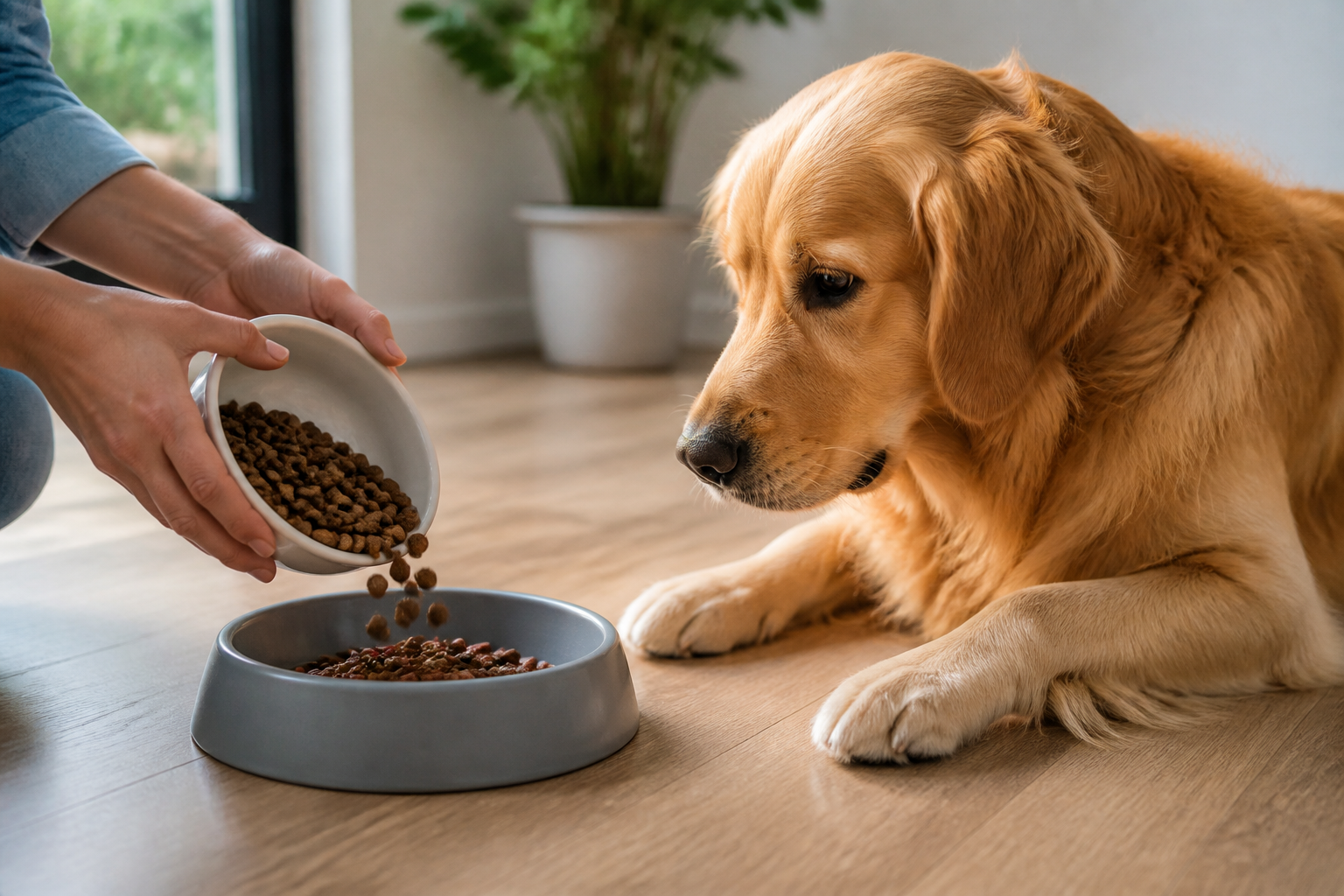
Do not simply pour one food on top of the other. Many dogs will "sort" through the bowl to eat only the pieces they like. Stir the two foods together so they get a bit of each in every mouthful.
Step 4: Monitor the results.
Watch your dog's energy levels and coat quality. Most importantly, check their stool. It should remain firm and consistent. If you notice any digestive upset, go back to a smaller ratio or stop the mix. You can also review how to mix dry dog food with water for another mealtime option.
Transitioning Your Dog to a New Mix
Whether you are moving to a permanent blend or just switching brands, a slow transition is the gold standard. A typical transition should take at least seven days. Some dogs with very sensitive stomachs may need 14 days.
| Day | Old Food | New Food |
|---|---|---|
| Days 1–2 | 75% | 25% |
| Days 3–4 | 50% | 50% |
| Days 5–6 | 25% | 75% |
| Day 7+ | 0% | 100% (or final mix ratio) |
If your dog shows signs of gas or loose stools, stay at the current percentage for an extra three days. Do not move to the next stage until their digestion is back to normal. This patience prevents a total "food failure" where the dog refuses to eat or becomes ill. For another gradual transition example, read our guide to feeding wet and dry dog food together.
When Mixing Is a Bad Idea
There are specific situations where you should never mix two dry foods. In these cases, consistency is more important than variety.
Therapeutic and Prescription Diets
If your veterinarian has prescribed a specific food for a medical condition, do not mix it with regular kibble. This includes foods for kidney disease, urinary crystals, or diabetes. These diets are carefully balanced to achieve a medical result. Adding even a small amount of regular food can dilute the active ingredients or change the pH of the urine. This can negate the entire purpose of the prescription.
Allergy Elimination Diets
If you are trying to figure out if your dog has a food allergy, your vet might put them on a limited ingredient or hydrolyzed protein diet. During this period, your dog must eat only that specific food. Mixing in another kibble introduces new proteins and makes the test useless.
Weight Loss Programs
When a dog is on a strict weight loss plan, every calorie counts. Mixing two different brands makes it very difficult to track exactly how much they are eating. It is better to use a single, measured weight-control formula until they reach their target weight.
Bottom line: Prescription and therapeutic diets should never be mixed with other foods unless your veterinarian specifically instructs you to do so.
The Role of the Pharmacy in Your Dog's Diet
We know that managing a dog's health can be complicated, especially when they need specialized nutrition. Our dog pharmacy carries a wide range of FDA-approved medications and prescription pet foods through our partnership with Pet's Choice. If your veterinarian recommends a specific therapeutic diet, we can help you get exactly what you need.
Prescription diets are often the first line of defense for chronic conditions like food sensitivities or joint issues. Because these are medical products, you cannot simply mix them with standard store-bought kibble. If you have questions about how a prescription diet works with your dog's current routine, our experts are here to help. Using our pharmacy services ensures you receive the genuine, high-quality products your pet requires for their ongoing health management.
Storage and Freshness for Mixed Foods
Mixing two foods presents a unique challenge for storage. Once a bag of dog food is opened, the fats begin to oxidize when exposed to air. This can lead to the food going rancid. It also causes a loss of nutritional potency in vitamins and minerals.
Keep the Original Bags
The bags that dog food comes in are often designed with special liners to keep the food fresh. It is usually better to keep the food in its original bag rather than pouring it into a large plastic bin. If you want to use a bin, place the entire bag inside it. This provides an extra layer of protection against light and air.
Mixing in Batches
Do not mix two entire large bags together at once unless you have a very large dog that will finish the food quickly. It is better to mix enough for one week at a time in a smaller, airtight container. This ensures that the bulk of your food stays as fresh as possible in its original packaging. For additional freshness ideas, see our dry dog food storage guide.
Check the Expiration Dates
When mixing two different brands, always pay attention to the expiration date on each bag. If one bag is expiring next month and the other is good for a year, the whole mix is only as good as the oldest bag. Never feed your dog food that has passed its "Best By" date.
Key Takeaway: Freshness is vital for both taste and nutrition. Use airtight storage and mix in small batches to prevent oxidation.
Common Myths About Mixing Dog Food
Pet nutrition is a topic filled with misinformation. It is important to separate fact from fiction when deciding how to feed your dog.
The "Protein Confusion" Myth
You may hear that mixing different protein sources, like chicken and beef, will confuse a dog's digestive system. This is not true. Healthy dogs are perfectly capable of digesting multiple protein sources at once. In fact, many high-quality kibbles already contain multiple proteins like turkey, chicken, and fish in a single bag.
The "Different Size" Myth
Some people believe you should never mix large kibble with small kibble because it affects digestion. While it is true that very small dogs might struggle with giant breed kibble, the size difference itself does not harm digestion. However, different sizes may settle differently in the storage container. Make sure to stir the mix before every feeding so the ratio stays consistent.
The "Boredom" Myth
While some people claim dogs never get bored of their food, any owner of a picky eater knows this isn't true. While dogs do not need a five-course meal, a bit of variety in texture and aroma can significantly improve their quality of life and interest in mealtime.
Managing the Routine with Autoship and Rewards
Keeping two different foods in stock can be a hassle. We want to make it easier for you to stay consistent with your dog's diet. Our Autoship programme allows you to schedule recurring deliveries of your favorite brands so you never run out of either part of your mix. This is especially helpful if you are maintaining a strict 50/50 blend.
When you use Autoship, you also earn a free MVP Gold membership. Our MVP Rewards programme lets you earn up to 5% back on your purchases, which adds up quickly when you are buying multiple bags of premium food. These programs are designed to help you provide high-quality nutrition without the stress of last-minute trips to the store or running out of a key ingredient in your dog's custom mix.
Conclusion
Mixing two dry dog foods is a practical and safe way to manage your dog's diet. Whether you are helping a picky eater, saving on costs, or transitioning to a new brand, the key is consistency. Always ensure the foods are for the same life stage and meet AAFCO standards for complete nutrition. Remember to calculate your calories carefully to prevent weight gain and use a slow transition to keep their stomach happy.
- Always match the life stage (Puppy with Puppy, Adult with Adult).
- Use a 7 to 14-day transition period for any new mix.
- Monitor your dog's weight and adjust portions based on total calories.
- Avoid mixing prescription or therapeutic diets without vet approval.
Bottom line: A thoughtful mix of two high-quality dry foods can provide the variety and nutrition your dog needs to thrive.
FAQ
Is it okay to mix different brands of dog food?
Yes, it is perfectly safe to mix different brands as long as both are high-quality, complete, and balanced. Make sure both brands are formulated for your dog's current life stage to avoid nutritional imbalances. It is also a good idea to choose brands with similar quality standards to ensure your dog's digestion remains stable.
Can I mix puppy food with adult dog food?
Generally, you should not mix puppy food with adult food. Puppies require a very specific balance of nutrients and higher calorie density to support their rapid growth. Mixing in adult food can dilute these essential nutrients and potentially lead to developmental issues. Always stick to puppy-specific formulas until your dog reaches adulthood, or consult your vet for a specific transition timeline.
How do I calculate the calories if I mix two foods?
To calculate calories accurately, look for the kcal/kg or kcal/cup listing on both bags. If you are mixing them in equal parts, add half the calorie count of one to half the calorie count of the other. Because kibble sizes vary, using a kitchen scale to measure by weight is much more accurate than using a measuring cup.
Will mixing two foods help my picky eater?
Mixing two foods can often help a picky eater by introducing new aromas and textures. Adding a small amount of a high-protein or freeze-dried raw kibble to a standard diet often makes the meal more enticing. However, if your dog's pickiness is a sudden change, it is important to visit a veterinarian to rule out any underlying dental issues or health concerns.






