
 Save 15% on your 1st Autoship learn more

 Email us
 Live Chat
 FAQs
FAQs





Introduction
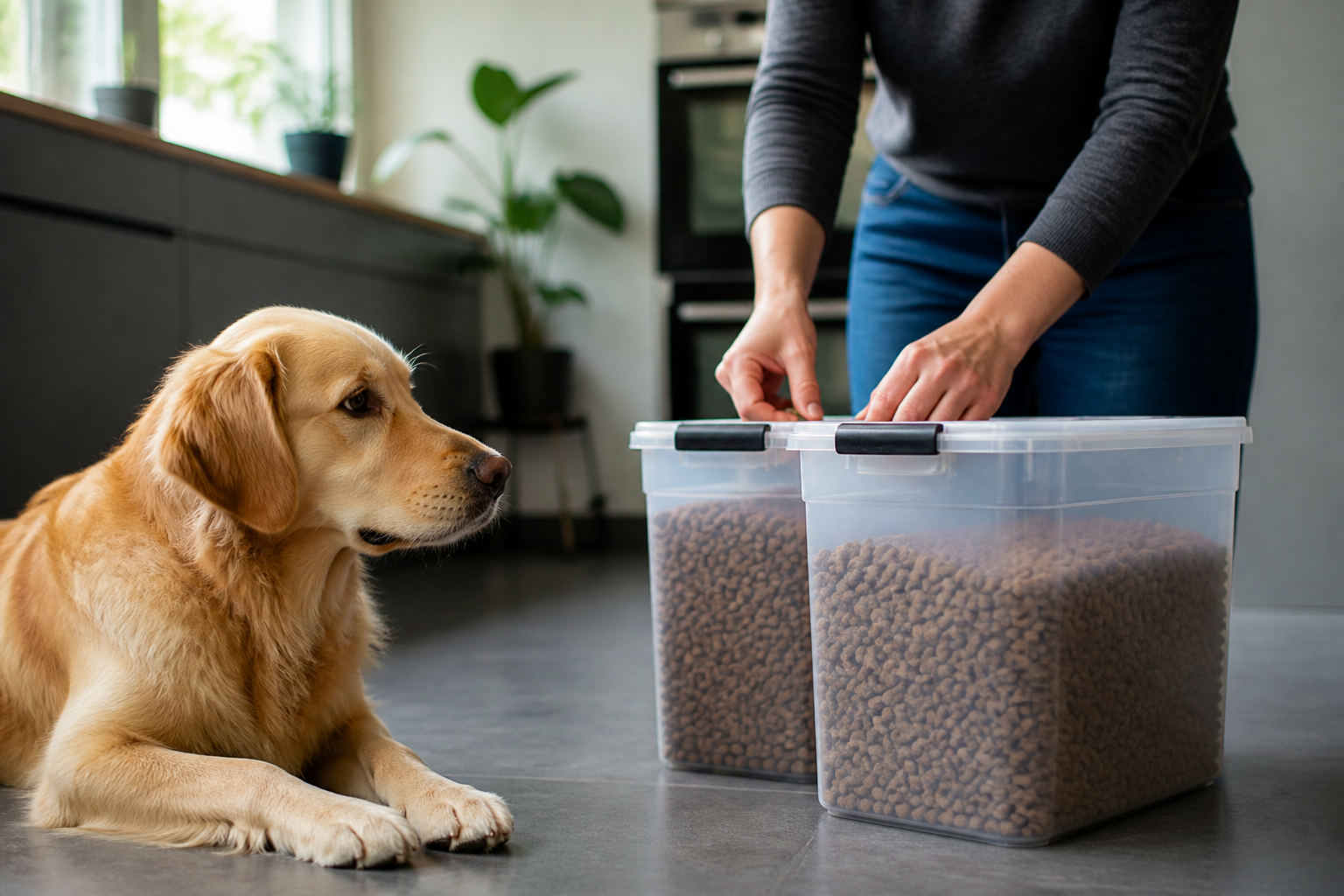
You are standing in your kitchen with a heavy, fresh bag of premium kibble. You look at that large plastic bin in the corner and wonder if you should pour the food in or keep it in the bag. It seems easier to dump it and toss the bulky packaging in the trash. However, this one small decision can actually change how fresh and safe your dog's meals stay over several weeks. At BaxterBoo, we know that proper food storage is a major part of daily pet care that often goes overlooked. This post covers the safety risks of plastic storage and the best ways to keep your dog's food nutritious. You will learn why the original bag is your best friend and how to keep rancid oils away from your pet's bowl.
Quick Answer: While you can use plastic containers, you should never pour the kibble directly into them. The best method is to place the entire original bag inside an airtight plastic or metal bin. This protects the food from oxidation and chemical leaching while keeping the container clean.
The Risks of Pouring Food Directly into Plastic
Many owners assume that a plastic bin with a lid is the ultimate way to keep food fresh. This is not always the case. When you pour dry dog food directly into a plastic container, you expose it to several risks that can degrade the quality of the meal.
Oxidation and Rancidity
Dry dog food is often coated with animal fats and oils to make it tasty and nutritious. Once these fats are exposed to air, they begin a process called oxidation. This is what makes food go rancid. Plastic is surprisingly porous. Even if it feels smooth, it can hold onto old fats from previous bags of food. These old oils sit in the pores of the plastic and turn rancid. When you pour fresh food on top, those old oils contaminate the new batch.
Plastic storage is only one part of keeping kibble fresh. For more guidance, read our article on how long dry dog food stays fresh once opened.
Chemical Leaching
Not all plastic is created equal. Some containers contain chemicals like Bisphenol A (BPA) or phthalates. These chemicals can migrate from the plastic into the food, especially if the container is stored in a warm area. Over time, these substances may interfere with a dog's hormonal balance. Even BPA-free plastics can sometimes leach other chemicals that are not ideal for long term health.
Bacterial Growth and Mites
Plastic containers that are not washed regularly become a breeding ground for bacteria and mold. The microscopic scratches that develop in plastic over time are perfect hiding spots for germs. Additionally, storage mites thrive in environments where food particles are left to sit. These mites are a common cause of allergies and skin irritation in dogs.
Key Takeaway: Direct contact between kibble and plastic allows fats to seep into the container. This leads to rancid oils and chemical contamination that can make your dog sick.
Why the Original Bag is Your Best Tool
Pet food manufacturers spend millions of dollars designing their packaging. The bag your dog's food comes in is more than just a wrapper. It is a highly engineered storage system. Most premium bags are lined with a grease-resistant barrier. This lining is specifically designed to keep the fats and oils inside the kibble and prevent them from oxidizing.
Preservation of Nutrients
The original bag provides the best protection against light and oxygen. When you keep the food in the bag, you add an extra layer of defense between the environment and the kibble. If you place that bag inside an airtight bin, you are essentially double-bagging the food for maximum freshness.
Crucial Information for Safety
The bag holds essential information that you lose if you throw it away. In the event of a product recall, you need the lot number and the "best by" date. We hope you never face a recall, but having that data is vital for your dog's safety. If your dog gets sick and you need to visit a veterinarian, having the exact batch information helps the doctor rule out food-borne illnesses.
Ease of Cleaning
If you keep the food in the bag, your storage bin stays clean. You do not have to scrub out greasy residue every time you buy a new bag. This saves time and ensures that the storage environment remains sanitary for the life of the container.
Vet Tip: If your dog develops sudden vomiting or diarrhea after starting a new bag of food, keep the packaging. Your veterinarian will need the lot number and ingredient list to help determine if the food was contaminated or spoiled.
How to Store Dog Food Correctly
If you prefer using a plastic container for convenience or to keep pests out, there is a specific way to do it. Follow these steps to ensure the food stays as fresh as the day you opened it. You can find a broad selection of options in our dog food category.
Step 1: Keep the food in the original bag. / Do not pour the kibble into the bin.
Step 2: Place the entire bag into an airtight container. / This creates a double barrier against air and moisture.
Step 3: Squeeze the air out of the bag and seal it. / Use a heavy duty clip or the bag's built-in zipper.
Step 4: Close the lid of the storage bin tightly. / Ensure the seal is firm to keep out bugs and rodents.
Choosing the Right Container
If you are shopping for a new storage solution, look for bins that have a rubber gasket or seal around the lid. This prevents air from circulating. While plastic is popular, stainless steel is an even better option. Stainless steel is non-porous and does not absorb odors or oils. It is also easier to sanitize than plastic.
Location Matters
Where you put the container is just as important as the container itself. Heat is the enemy of pet food. High temperatures cause nutrients to break down and fats to spoil faster.
- Keep the bin in a cool, dry place.
- Avoid the garage or laundry room where heat and humidity fluctuate.
- Store the food in temperatures below 80 degrees Fahrenheit.
- Keep the container off the floor if possible to prevent moisture buildup.
For additional storage guidance, see our article about keeping dog food dry outside for freshness and safety.
Maintaining Your Storage System
Even if you keep the food in the bag, you must maintain the storage bin. Dust, hair, and occasional kibble spills can still find their way into the container.
The Cleaning Routine
Every time you finish a bag of food, take a moment to inspect the bin. If any kibble fell out of the bag, remove it immediately. If you decide to pour food directly into the bin against recommendations, you must wash it with hot, soapy water between every single bag. Failure to do this means you are mixing fresh food with old, rancid fats.
Checking for Spoilage
Dry food generally stays fresh for about six weeks after the bag is opened. After that, the nutritional value begins to drop significantly. Watch for these signs that the food has gone bad:
- An oily or sour smell.
- Visible mold or a fuzzy texture on the kibble.
- The presence of small bugs or mites.
- Your dog suddenly refusing to eat.
For another perspective on freshness and spoilage, read how long dry dog food stays good.
Key Takeaway: Proper storage involves keeping the bag intact, using an airtight bin, and maintaining a cool, stable environment to prevent nutrient loss.
Impact on Health and Wellness
Feeding your dog spoiled or rancid food can lead to more than just a tummy ache. Chronic exposure to oxidized fats can cause inflammation in the body. This might manifest as skin issues, a dull coat, or low energy levels. In some cases, poor food storage can lead to more serious gastrointestinal conditions.
At BaxterBoo, we emphasize that what goes into your dog's bowl is the foundation of their health. If your pet has a sensitive stomach or a specific health condition, they might require specialized nutrition. Our pet pharmacy carries FDA-approved prescription pet foods through our partnership with Pet's Choice. If your veterinarian recommends a prescription diet for allergies, weight management, or kidney health, you can manage those needs easily through our site. Brands like Farmina products and Royal Canin offer targeted support that must be stored with the same care as standard kibble to remain effective.
When to See the Vet
If you suspect your dog has eaten spoiled food, monitor them closely. While a single meal might only cause mild upset, consistent exposure to bad food can be dangerous.
- Watch for lethargy or a lack of interest in play.
- Note any changes in stool consistency.
- Look for signs of allergic reactions, such as excessive scratching.
Vet Tip: For pets with chronic health issues or severe food allergies, talk to your vet about prescription diets. These foods often have specific storage requirements to maintain their therapeutic properties. You can fill these prescriptions through the BaxterBoo pharmacy for convenient home delivery.
Why Quality and Convenience Matter
Managing your dog's food supply should not be a chore. We offer several programs to help you stay stocked with fresh food so you never have to worry about old bags sitting in the pantry too long. Our Autoship programme is a great way to ensure you receive a new bag of food exactly when you need it. This helps you avoid buying giant bags that sit around for months and lose their freshness.
When you shop with us, you also earn MVP Rewards on your purchases. This gives you money back that you can use on high quality storage gear or premium treats. Learn more about the MVP Rewards programme. We have been operating since 2006 and carry over 500 trusted brands. We handpick every product because we want your pets to have the same quality of life as our own.
Bottom line: Storing your dog's food properly protects your investment in their health and ensures they get the nutrients they need to thrive.
Conclusion
Storing dry dog food in plastic containers is perfectly safe as long as you keep the food in its original bag. This simple habit prevents rancidity, keeps chemicals away from the kibble, and preserves the manufacturer's safety information. Remember to keep the container in a cool, dry place and check for signs of spoilage regularly. If your dog needs specialized nutrition for a health condition, remember that our pharmacy and Pet's Choice partnership are here to help with prescription diets and medications.
To keep your pet's pantry fresh, consider setting up an Autoship order for their favorite food. This ensures you always have a fresh supply without needing to store massive quantities for long periods. You can explore our full selection of premium dog food and airtight storage solutions on the BaxterBoo website today.
FAQ
Is it better to store dog food in plastic or metal?
Metal containers, especially stainless steel, are generally better because they are non-porous and do not absorb oils or odors. However, plastic is safe and effective if you keep the food in the original bag rather than pouring it directly into the bin.
Can I store dog food in the garage?
It is not recommended to store dog food in the garage because of temperature fluctuations and humidity. High heat can cause the fats in the food to go rancid quickly, and moisture can lead to mold growth or pest infestations.
How often should I clean my dog's food container?
If you are putting the bag inside the container, you only need to wipe it down every few months or if a spill occurs. If you pour food directly into the container, you must wash it with hot, soapy water and dry it completely before every new bag is added.
Does dog food expire if the bag is unopened?
Yes, unopened dog food has a "best by" date printed on the packaging by the manufacturer. After this date, the vitamins may lose their potency and the fats may begin to break down, even if the seal is still intact.






