
 Save 15% on your 1st Autoship learn more

 Email us
 Live Chat
 FAQs
FAQs





Introduction
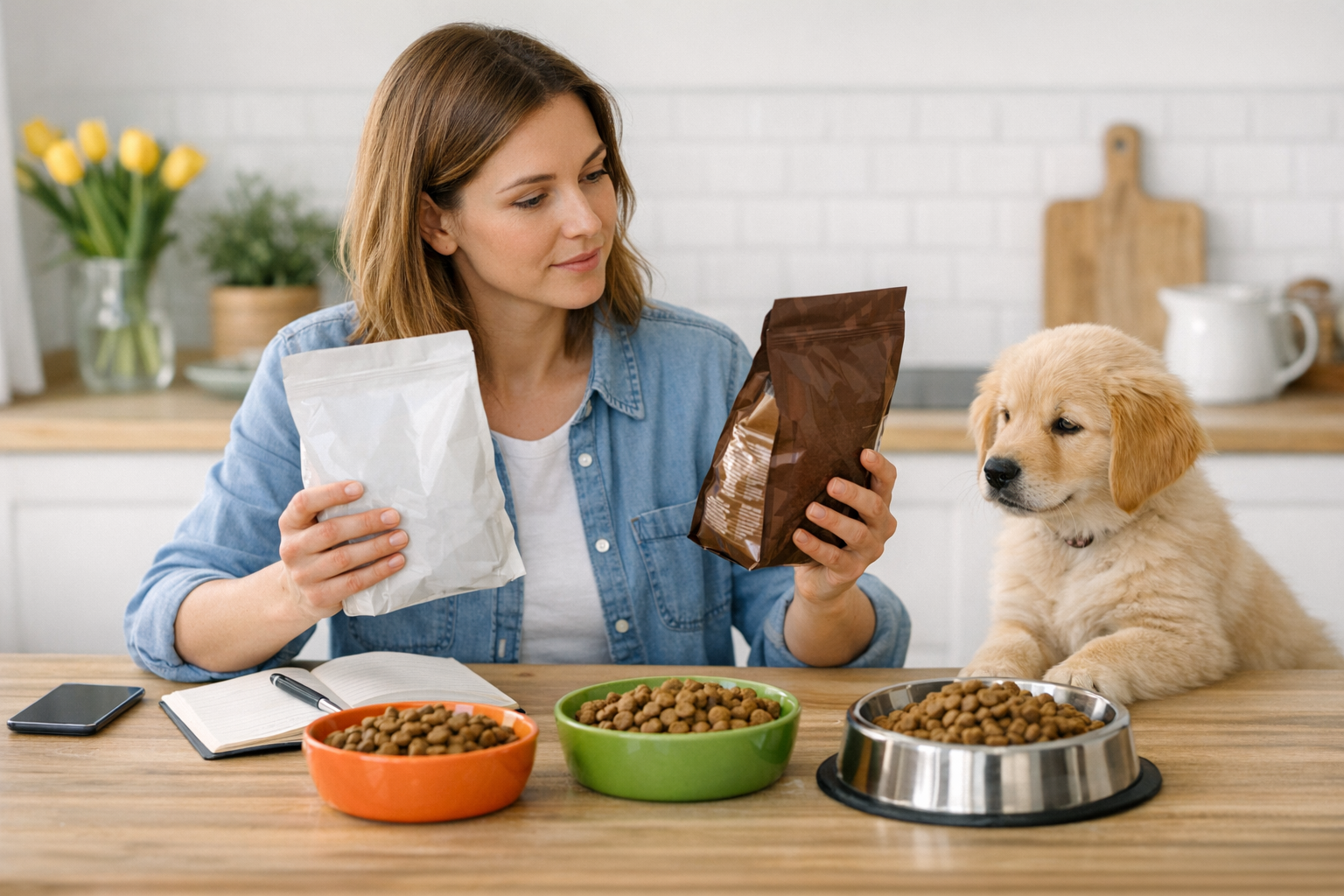
Standing in the pet food aisle with a new puppy is a moment of pure overwhelm. You want to give your new best friend the perfect start, but every bag makes bold promises about being the most natural or the highest quality. At BaxterBoo, we know that choosing a kibble is about more than just a colorful bag. It is about building the foundation for your dog's bones, brain, and immune system. This guide explains what makes a puppy formula different from adult food and how to identify the best options for your pup's specific needs. We will cover nutritional requirements, breed-specific growth, and how to spot a quality ingredient list. Our goal is to help you navigate the noise so you can focus on the fun parts of puppyhood. If you want a place to start browsing, our puppy food category is a helpful first stop.
Quick Answer: The best dry dog food for puppies is a formula specifically labeled for growth or all life stages that meets AAFCO standards. It should contain high-quality animal protein, DHA for brain development, and a controlled calcium-to-phosphorus ratio.
Why Puppies Need Specific Puppy Food
A puppy is not just a smaller version of an adult dog. They are tiny athletes in a constant state of construction. During the first year of life, puppies burn through energy at an incredible rate. They need significantly more calories, protein, and fat than an adult dog of the same weight. Feeding them adult food too early can lead to nutritional gaps that affect their long-term health.
Protein is the most critical building block for a growing puppy. It supports the development of muscles, skin, hair, and organs. Most high-quality puppy foods contain between twenty-two and thirty-two percent protein. Fats are equally important because they provide a concentrated source of energy. Puppies also need specific fatty acids like DHA, which is found in mother's milk. This nutrient is essential for healthy brain and eye development. For a deeper look at portion planning, our guide to feeding a puppy can help.
Micronutrients like calcium and phosphorus are also vital. These minerals build strong bones and teeth. However, the balance between them must be precise. If a puppy gets too much or too little of these minerals, they can develop permanent orthopedic issues. This is especially true for large breed puppies that grow rapidly over a long period.
Key Takeaway: Puppies require calorie-dense food with specific ratios of protein, fat, and minerals that adult dog foods do not provide.
Decoding the Puppy Food Label
Reading a dog food label can feel like learning a second language. The most important thing to look for is the AAFCO statement. This stands for the Association of American Feed Control Officials. This statement confirms that the food is nutritionally complete and balanced for a specific life stage. You want a bag that specifically mentions "growth" or "all life stages."
Next, look at the first few ingredients. Ingredients are listed by weight before cooking. You want to see a named animal protein like chicken, beef, or lamb at the top of the list. Avoid foods that lead with generic terms like "meat meal" or "animal by-products" without specifying the source. While by-products can contain nutrients, knowing exactly what animal your puppy is eating is better for managing potential allergies.
You should also look for "real food" additions. Ingredients like blueberries, carrots, and spinach provide natural antioxidants. These help support a puppy's developing immune system. Probiotics are another great addition. These "good bacteria" support digestive health and can make the transition to solid food much easier on a puppy's stomach. If ingredient quality is top of mind, our guide to holistic puppy food is worth a read.
Avoiding Red Flags
- Artificial colors or dyes that serve no nutritional purpose.
- Chemical preservatives like BHA, BHT, or ethoxyquin.
- Vague ingredient names like "poultry" instead of "chicken."
- Sugar or heavy corn syrup used as flavor enhancers.
Breed Size and Growth Rates
A Great Dane puppy grows much differently than a Pomeranian puppy. Because of this, a one-size-fits-all approach to puppy food does not always work. Small breed puppies have very high metabolic rates. They need energy-dense kibble in small, manageable shapes. Small puppies are also prone to hypoglycemia, or low blood sugar. Frequent meals of a high-quality small-breed formula help keep their energy levels stable.
Large and giant breed puppies have a different challenge. They are at risk for growing too fast. If their bones grow faster than their joints can support, it leads to painful conditions like hip dysplasia. Large breed puppy foods are designed to be slightly less calorie-dense. They also have very strictly controlled calcium levels. This encourages a steady, slow growth rate that is much safer for their skeletal system.
Medium breed puppies fall somewhere in the middle. They are generally less sensitive to slight mineral variations. However, they still benefit from a formula that matches their expected adult weight. Always check the feeding chart on the back of the bag. These charts are based on your puppy's current weight and their expected adult size. If you're still deciding which formula fits your pup, our Royal Canin selection can help you compare size-specific options.
Vet Tip: If you are unsure how large your puppy will grow, consult your veterinarian for a growth projection. They can help you choose a formula that prevents orthopedic issues in large breeds.
Top Trusted Brands at BaxterBoo
We carry over 500 brands, but a few consistently stand out for their commitment to puppy nutrition. Royal Canin is a leader in size-specific nutrition. They offer formulas tailored to the exact jaw shape and nutritional needs of specific breeds. Their Puppy line is broken down by X-Small, Small, Medium, and Large categories to ensure every pup gets the right balance.
Hill's Science Diet is another excellent choice. Their formulas are backed by extensive research and feeding trials. They focus on biology-based nutrition that supports a puppy's changing metabolism. Their "Small Paws" line is a favorite for toy breeds, while their Large Breed Puppy formula is highly regarded by veterinarians for joint health.
For owners looking for holistic or high-protein options, NutriSource and Open Farm are fantastic. NutriSource is known for its Good 4 Life system. This includes specific ingredients designed to support gut health and brain development. You can explore our NutriSource selection if you want a brand built around balanced nutrition. Open Farm offers transparency that is hard to beat. You can track every ingredient in their puppy kibble back to the source. They use humanely raised meats and non-GMO vegetables, and our Open Farm selection makes it easy to browse those recipes.
Transitioning to New Food
Step 1: Mix 25 percent of the new food with 75 percent of the old food. / Do this for the first two or three days. Step 2: Increase to a 50/50 mix. / Watch for any signs of an upset stomach or loose stools over the next two days. Step 3: Move to 75 percent new food and 25 percent old food. / Continue this for another two days. Step 4: Feed 100 percent of the new food. / Your puppy is now fully transitioned to their new diet.
The Role of Grains in Puppy Nutrition
The grain-free debate has been a hot topic in the dog world for several years. Many owners believe that grains are just "fillers." However, whole grains like brown rice, oatmeal, and barley provide essential fiber and energy. They also contain minerals that support heart health. Unless your puppy has a diagnosed allergy to a specific grain, grain-inclusive diets are a very safe and healthy choice.
In recent years, the FDA investigated a link between grain-free diets and a heart condition called Dilated Cardiomyopathy (DCM). This was often linked to boutique diets that replaced grains with high amounts of peas, lentils, or potatoes. While the research is ongoing, many veterinarians now suggest staying with grain-inclusive formulas. If you do choose a grain-free diet, ensure it is from a brand that conducts rigorous nutritional testing.
Managing Sensitivities and Allergies
Sometimes a puppy does not thrive on a standard chicken or beef recipe. You might notice constant itching, ear infections, or chronic soft stools. These can be signs of a food sensitivity. In these cases, a limited-ingredient diet might be necessary. Brands like Merrick offer recipes that use a single protein source and a single carbohydrate source. This makes it much easier to identify what is bothering your puppy's system.
If your puppy's symptoms are severe, your vet might recommend a prescription diet. These are specifically formulated to be hypoallergenic or to support specific medical conditions. Our pet pharmacy carries a wide range of these prescription foods through our partnership with Pet's Choice. You will need a valid prescription from your veterinarian to order these specialized diets.
Vet Tip: Food allergies are actually less common in puppies than environmental allergies. Always have a vet rule out parasites or skin infections before assuming the food is the culprit.
Feeding Schedules and Habits
How you feed is just as important as what you feed. Puppies have small stomachs and need to eat more frequently than adult dogs. Most puppies do best with three or four meals a day. This keeps their energy levels consistent and prevents digestive upset. As they get older, usually around six months, you can move to two meals a day.
Avoid "free-feeding," which is leaving a bowl of food out all day. Free-feeding makes it difficult to track how much your puppy is eating. It also makes house training harder because you cannot predict when they will need a bathroom break. Feeding on a schedule helps establish a routine. It also allows you to notice immediately if your puppy loses their appetite, which is often the first sign of illness. If you want help staying on schedule, our when to give puppies dry dog food guide breaks down the transition.
Using a slow-feeder bowl is a smart move for puppies who inhale their kibble. Eating too fast can lead to gas or vomiting. It can even cause a dangerous condition called bloat in larger breeds. A slow-feeder turns mealtime into a game and forces your puppy to take smaller, safer bites.
The BaxterBoo Pharmacy and Wellness
A healthy puppy needs more than just good kibble. They need protection from parasites and support for their developing systems. Flea and tick prevention is essential from an early age. Many of the most effective preventives require a prescription. Our pharmacy offers FDA-approved medications and prescription diets through our partnership with Pet's Choice. This allows you to get everything your puppy needs in one place.
We also carry a variety of supplements that can be added to a dry food diet. For example, wild Alaskan salmon oil can provide an extra boost of DHA for a shiny coat and sharp mind. Probiotic powders can be sprinkled over kibble to help a puppy with a sensitive stomach. Always consult your veterinarian before adding supplements to a balanced puppy food to ensure you are not overdoing specific nutrients. For a broader look at how nutrition and wellness fit together, our pet pharmacy information can help.
Bottom line: Quality nutrition combined with proactive veterinary care and parasite prevention is the best way to ensure your puppy grows into a healthy adult.
When to Switch to Adult Food
Knowing when to stop feeding puppy food is a common question for new owners. The timing depends almost entirely on your dog's expected adult size. Small breed dogs finish their physical development much faster than large breeds. Most small and medium dogs can transition to adult food around twelve months of age.
Large and giant breeds continue to grow and develop their bone structure for much longer. These dogs often need to stay on a large-breed puppy formula until they are eighteen to twenty-four months old. Switching them to adult food too early can deprive them of the nutrients they need for that final stage of growth. Your vet can check your dog's growth plates during a wellness exam to tell you exactly when they are ready for the switch. If you want another quick refresher on timing, our weaning timeline guide is a useful companion read.
Conclusion
Selecting the best dry dog food for your puppy is a major step in their health journey. Look for high-quality animal proteins, the AAFCO seal of approval, and a formula that matches your puppy's breed size. Brands like Royal Canin, Hill's Science Diet, and NutriSource offer excellent options for every life stage. Remember to transition foods slowly and maintain a consistent feeding schedule to keep their digestion on track.
- Verify the AAFCO growth statement on every bag.
- Match the kibble size and calorie density to your puppy's breed.
- Monitor your puppy's weight and energy levels closely.
- Consult your vet for personalized nutritional advice.
If your puppy has specific health needs or requires a prescription diet, our pharmacy is here to help through our partnership with Pet's Choice. You can also save on every bag of puppy food by using our Autoship programme, which ensures you never run out of your pup's favorite meal. For even more value on repeat purchases, the MVP Rewards programme is a smart next step.
FAQ
Is grain-free dry food better for my puppy?
Most puppies do very well on grain-inclusive diets that use whole grains like oatmeal or brown rice. Grain-free diets are usually only necessary if your puppy has a rare, diagnosed allergy to grains. Unless your vet recommends otherwise, a high-quality grain-inclusive food is a safe and nutritious choice for growth.
Can I feed my puppy adult dog food if I run out?
A single meal of adult food will not harm your puppy, but it should not become a habit. Adult food lacks the high calorie count and specific mineral ratios that puppies need for healthy development. If you are frequently running out, our Autoship programme can help ensure a new bag arrives before the old one is empty.
How do I know if my puppy likes their dry food?
A puppy who enjoys their food will eat eagerly and have consistent energy levels. You should also look for physical signs of good nutrition, such as a shiny coat, clear eyes, and firm, regular stools. If your puppy is consistently leaving food behind or seems lethargic, it may be time to consult a vet and consider a different formula.
Why is there a special formula for large breed puppies?
Large breed puppies are prone to joint and bone issues if they grow too quickly. Large breed formulas have controlled levels of calcium and phosphorus to ensure a slow and steady growth rate. They also usually contain added glucosamine and chondroitin to support joint health from an early age.






