Save 15% on your 1st Autoship learn more

 Email us
 Live Chat
 FAQs
FAQs





Introduction
You are standing in the pet food aisle or scrolling through endless pages of online listings. The options are overwhelming. You see bags promising shiny coats, better digestion, and peak performance. You just want to know which one will actually help your dog thrive. At BaxterBoo, we understand that your dog is a family member. You want to give them the best nutrition possible without the marketing fluff. Finding the right kibble is not about the flashiest bag on the shelf. It is about understanding your dog's specific needs based on their age, activity level, and health history. This guide will help you decode labels and identify high quality ingredients. We will cover how to choose a formula that supports your dog through every stage of life.
The Foundation of a Quality Dry Dog Food
The most important thing to look for is the AAFCO statement. This acronym stands for the Association of American Feed Control Officials. This group sets the nutritional standards for pet foods in the United States. A food that meets these standards is "complete and balanced." This means it contains every nutrient your dog needs in the correct proportions. Without this statement, a food might only be intended for supplemental feeding.
High quality dry food starts with named animal proteins. You should see specific meats like beef, chicken, or salmon at the top of the ingredient list. Avoid vague terms like "meat meal" or "animal fat." These terms do not tell you where the protein came from. A named source ensures consistency and quality. If you are starting your search, our dry dog food category is a helpful place to compare formulas.
Quick Answer: The best dry dog food depends on your pet's age, weight, and health history. Look for an AAFCO statement and named animal proteins like beef or salmon as the first ingredient.
Understanding the First Five Ingredients
The ingredients on a dog food bag are listed by weight before cooking. The first five ingredients usually make up the bulk of the recipe. If a whole meat is listed first, remember that it contains a lot of water. Once that meat is cooked into kibble, the actual protein weight may drop. This is why many premium brands also include "meat meals" like chicken meal. These are concentrated protein sources that provide a dense nutritional punch.
The Role of Grains and Carbs
There is a lot of debate about grains in dog food. Many owners prefer grain-free options like those from our selection of Open Farm products or our selection of Orijen products. These often use sweet potatoes, peas, or lentils to provide energy. However, ancient grains like barley, oats, and brown rice are also excellent sources of fiber and nutrients. Brands like Merrick Healthy Grains focus on these digestible carbohydrates. The right choice depends on how your dog reacts to specific ingredients. If your dog has itchy skin or soft stools, they might have a sensitivity to certain grains or proteins.
Feeding for Life Stages
A puppy has very different nutritional needs than a senior dog. Feeding the wrong formula can lead to growth issues or weight gain. We curate our selection to ensure you have access to specialized formulas for every age.
Puppy Growth Formulas
Puppies are growing rapidly. They need more protein and fat than adult dogs. They also require specific nutrients for brain and eye development. Look for DHA, which is an omega-3 fatty acid found in fish oil. This is a critical component for learning and cognitive function. For a deeper look at portioning, our guide to feeding dry dog food to a puppy is a useful next step.
Brands like Nulo and Stella & Chewy’s offer high protein puppy formulas that support this fast growth. If you have a large breed puppy, you must choose a large breed specific formula. These recipes have controlled calcium and phosphorus levels. This prevents the bones from growing too fast, which can lead to joint problems later in life.
Adult Maintenance
Once a dog reaches maturity, their calorie needs stabilize. Adult maintenance food focuses on keeping a healthy weight and supporting the immune system. This is a great time to look for foods that include probiotics. Probiotics are beneficial bacteria that help with digestion. NutriSource is a brand well known for their focus on gut health through their proprietary probiotic blends, and you can browse our selection of NutriSource products to compare recipes.
Senior Support
As dogs age, their metabolism slows down. They may also experience joint stiffness. Senior formulas often have fewer calories to prevent obesity. They also include higher levels of glucosamine and chondroitin. You might also look for supplements like Cosequin or Senilife to support their aging joints and minds.
Vet Tip: Senior dogs often have hidden health issues like kidney disease or dental pain. If your older dog loses interest in their dry food, consult your veterinarian before switching brands. They can rule out medical causes for a decreased appetite.
Addressing Specific Health Needs
Some dogs require more than just a standard maintenance diet. They might have sensitive stomachs, itchy skin, or a tendency to put on extra weight. In these cases, the best dry food is one designed for their specific condition.
Sensitive Stomachs and Skin
Many dogs struggle with protein sensitivities. Chicken and beef are common triggers for some pets. Limited ingredient diets (LID) can help identify the culprit. Brands like PureVita and Merrick offer LID options that use a single protein source and a single carbohydrate source. This makes it much easier to manage what goes into your dog's system.
Weight Management
Obesity is a major health concern for US dogs. It puts extra strain on joints and can lead to diabetes. If your dog is carrying a few extra pounds, a weight management formula is a practical tool. These foods are high in fiber to help your dog feel full while consuming fewer calories. Farmina Vet Life offers excellent options for managing weight through scientifically formulated recipes.
Prescription Diets and the Pharmacy
Sometimes, a regular over-the-counter food is not enough. Dogs with chronic conditions like kidney disease, urinary stones, or severe food allergies may need a prescription diet. Our pet pharmacy carries prescription options that can help you follow your veterinarian’s plan.
If your veterinarian prescribes a diet from Royal Canin or Farmina Vet Life, we can help you manage those orders. These foods are legally classified as medications because they are formulated to manage specific diseases. Using our pharmacy services allows you to get these specialized foods delivered right to your door with the same convenience as your regular supplies.
Key Takeaway: Prescription diets are distinct from standard retail foods. They are formulated to treat or manage medical conditions and require a veterinarian's authorization.
How to Compare Different Brands
It is easy to get lost in the marketing claims of different brands. When you are looking at two different bags, ignore the photos of roasted vegetables and grilled steaks. Focus on the facts.
The Guaranteed Analysis
This table tells you the minimum percentages of protein and fat. It also shows the maximum percentages of fiber and moisture. If your dog is very active, look for a higher fat percentage. If your dog is a "couch potato," a lower fat percentage is safer.
Calorie Content
Not all kibbles have the same calorie density. One brand might have 350 calories per cup, while another has 500. This means you will feed much less of the calorie-dense food. Sometimes a bag that looks more expensive is actually a better value because it lasts longer.
Sourcing and Manufacturing
Where the food is made matters. Many owners prefer foods made in the US, Canada, or New Zealand. These countries have strict safety standards for pet food manufacturing. Brands like Ziwi Peak and Open Farm provide a lot of transparency about where their ingredients come from. Open Farm even allows you to trace each ingredient back to its source using a code on the bag. For more brand comparison help, our blog post on dry dog food freshness is a useful companion read.
Bottom line: Use the guaranteed analysis and calorie count to compare the actual value and nutritional density of different dog food brands.
Transitioning to a New Dry Food
When you find the best dry food for your dog, do not switch their diet overnight. A sudden change can lead to an upset stomach, vomiting, or diarrhea. A slow transition allows your dog's digestive enzymes and gut bacteria to adjust to the new ingredients.
Step 1: Mix the foods.
For the first two days, use 25 percent of the new food and 75 percent of the old food. Watch your dog for any signs of gas or loose stools.
Step 2: Increase the ratio.
On days three and four, move to a 50/50 mix. If your dog is doing well, move to 75 percent new food and 25 percent old food on days five and six.
Step 3: Complete the switch.
By day seven, your dog should be eating 100 percent of the new formula. If your dog has a very sensitive stomach, you can stretch this process out over two weeks.
Picky Eaters and Kibble
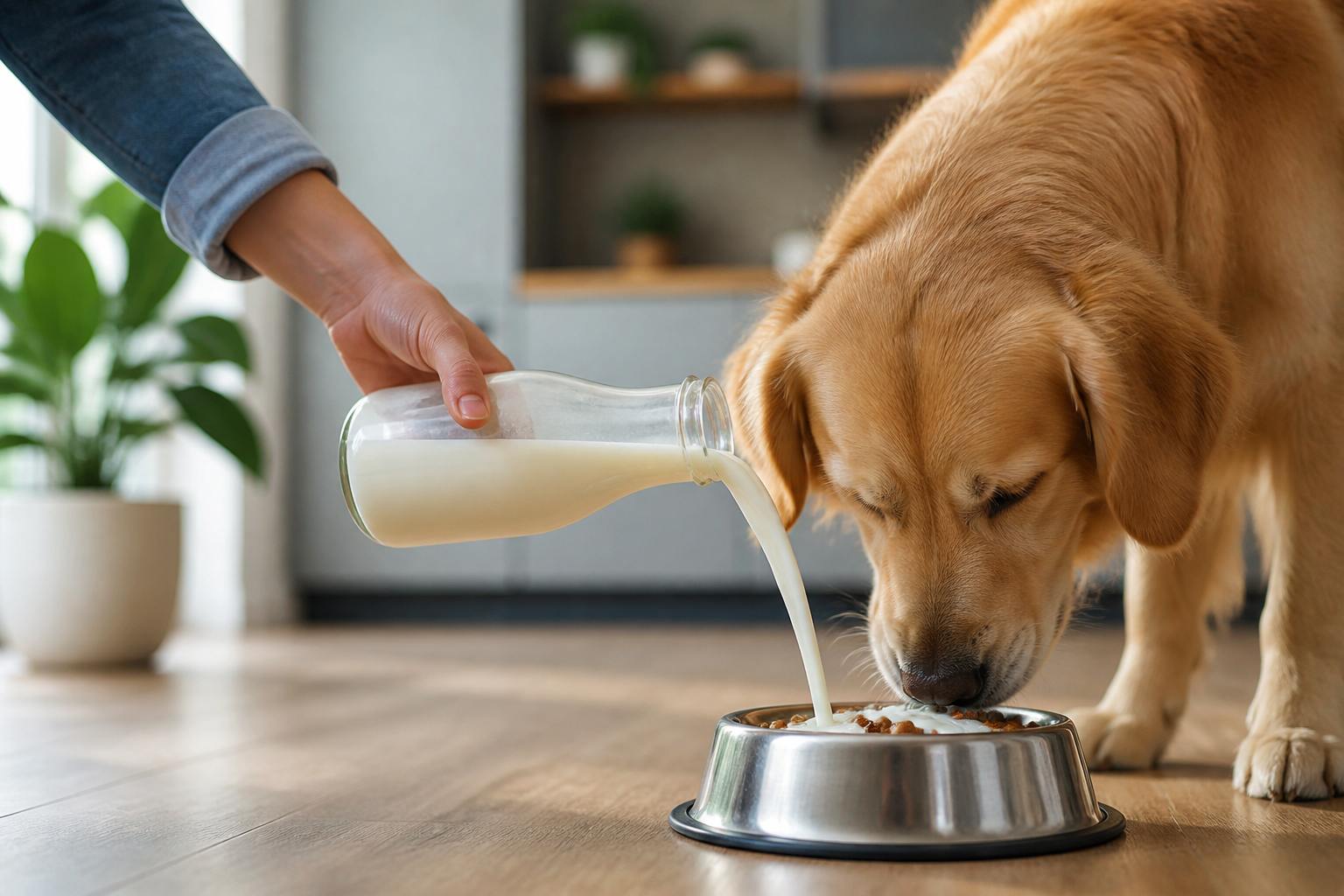
If your dog is reluctant to eat dry food, you can try adding a topper. A little bit of warm water or low sodium broth can bring out the aroma of the kibble. You can also mix in a small amount of freeze-dried raw food from Stella & Chewy's or Dr. Marty's. This adds a boost of flavor and nutrition without completely changing the base diet. If you want more ideas, our guide to freeze-dried dog food is a great next read.
Storage and Freshness Tips
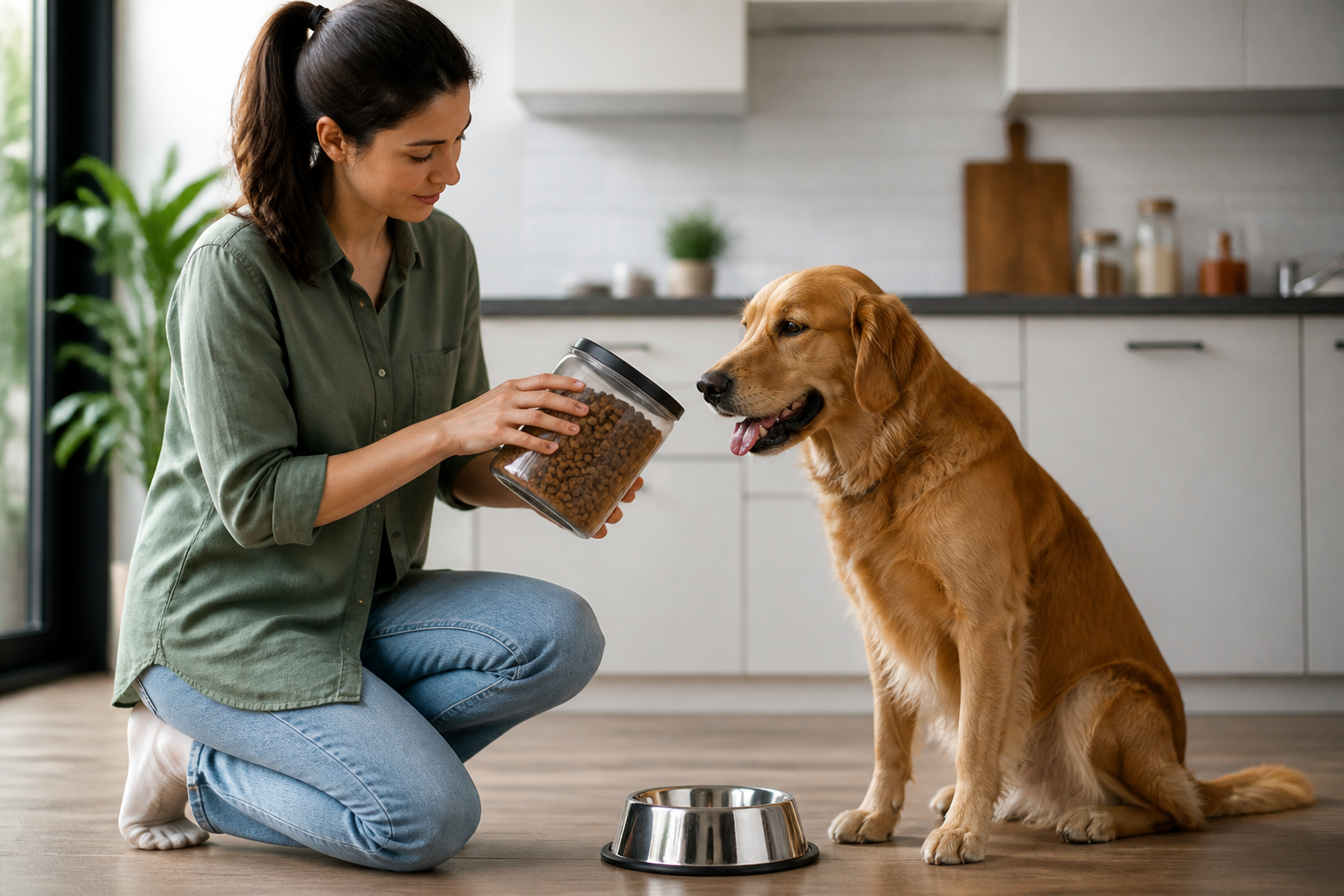
Dry dog food is convenient, but it can go bad if not stored correctly. Once a bag is opened, the fats begin to oxidize when exposed to air. This can make the food smell rancid and lose its nutritional value.
- Keep the food in the original bag. These bags are designed to keep moisture and air out.
- Place the entire bag inside a sealed plastic or metal container.
- Store the food in a cool, dry place. Avoid the garage, where temperatures can fluctuate wildly.
- Try to use the bag within six weeks of opening.
If you find that a large bag lasts too long, consider buying smaller bags. This ensures the kibble is always fresh and palatable for your dog. You can use our Autoship programme to have fresh food delivered on a schedule that matches how fast your dog eats. This also saves you money on every order and ensures you never run out of your pet's favorite recipe.
The Role of Supplements with Dry Food
Even the best dry food can be enhanced with targeted supplements. While a complete and balanced food provides the basics, some dogs benefit from extra support.
Skin and Coat Support
If your dog has dry, flaky skin, an omega-3 supplement can help. Products from Zesty Paws or Honest Paws provide essential fatty acids that promote a shiny coat and healthy skin. These are often available as tasty chews that dogs think are treats.
Joint Health
For active dogs or aging seniors, joint supplements are a proactive choice. Glucosamine, chondroitin, and MSM are the gold standard for joint care. Starting these supplements early can help maintain mobility as your dog gets older. We carry a wide variety of these in our Medical & Mobility section.
Anxiety and Calming
Sometimes a change in diet or environment can cause stress. If your dog is anxious, you might look into calming supplements. These often use natural ingredients like L-theanine or chamomile. While food alone rarely solves severe anxiety, it can be a helpful part of a broader training and behavior plan.
Vet Tip: Always inform your veterinarian about any supplements you are giving your dog. Some supplements can interact with medications or may not be necessary if your dog is already on a specialized diet.
Why Quality Matters for Long Term Health
Feeding a high quality dry food is an investment in your dog's future. Cheap foods often use fillers like corn gluten meal or soybean meal to raise the protein percentage without using meat. While these ingredients are not "toxic," they are not as biologically appropriate for a dog as animal proteins.
A dog eating high quality nutrition often has:
- More consistent energy levels
- Smaller, firmer stools (meaning better nutrient absorption)
- Clearer eyes and healthier skin
- A stronger immune system
At BaxterBoo, we have been helping pet parents find the right products since 2006. We only carry brands that we trust for our own pets. Whether you are looking for a high protein kibble like Orijen or a gentle formula like Lotus, our warehouse in Vernon Hills is stocked with the best options available. We believe that every dog deserves a food that helps them feel their best.
Conclusion
Choosing the best dry food for your dog involves looking past the label and focusing on the specific needs of your pet. Start by identifying their life stage and checking for a clear AAFCO statement. Look for named animal proteins and avoid mystery ingredients. If your dog has a medical condition, work with your vet to determine if a prescription diet from our pharmacy is the right choice. By taking the time to understand what goes into your dog's bowl, you are supporting their health for years to come.
- Check for an AAFCO "complete and balanced" statement.
- Prioritize named meat sources in the first five ingredients.
- Match the formula to your dog's life stage (puppy, adult, or senior).
- Consider a slow seven day transition when switching brands.
Bottom line: The best dry food is the one that meets AAFCO standards, uses high quality animal proteins, and fits your dog's unique health profile.
To get started with a better diet for your pet, explore our wide selection of dog food or sign up for our MVP Rewards programme to make every future purchase go further.
FAQ
How do I know if a dry food is high quality?
A high quality dry food will list a specific animal protein like chicken or beef as the first ingredient. It should also have an AAFCO statement on the bag confirming it is nutritionally complete and balanced. Avoid foods that rely on vague terms like "meat by-products" or excessive artificial colors and preservatives.
Is grain-free dry food better for my dog?
Grain-free is not necessarily better for every dog, but it is a good option for pets with specific grain sensitivities. Many dogs thrive on "ancient grains" like oatmeal and brown rice, which provide essential fiber and energy. If you are unsure, consult your veterinarian to see if your dog's skin or digestive issues require a grain-free diet.
How much dry food should I feed my dog each day?
The amount of food depends on the calorie density of the kibble and your dog's weight and activity level. Every bag includes a feeding chart, but these are just starting points. You should monitor your dog's body condition and adjust the portion size to prevent weight gain or loss.
Can I mix different brands of dry dog food?
While you can mix brands, it is usually better to stick to one consistent formula to avoid digestive upset. If you want to provide variety, try rotating flavors within the same brand. If you do switch brands entirely, remember to use a slow transition period of seven to ten days to protect your dog's stomach.