
 Save 15% on your 1st Autoship learn more

 Email us
 Live Chat
 FAQs
FAQs





Introduction
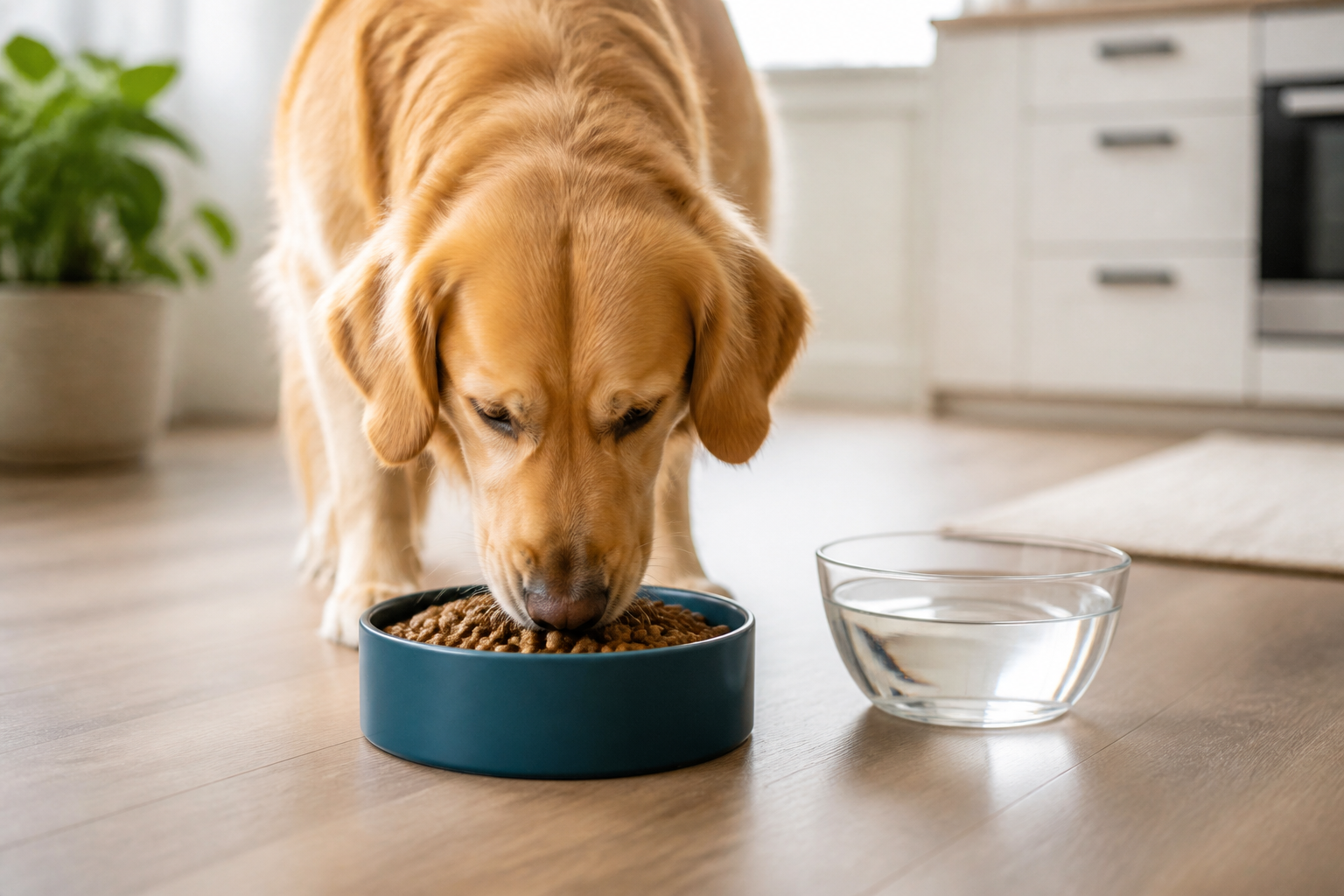
You are standing over your dog’s bowl with a scoop of kibble in your hand. The pellets look hard and dry, and you wonder if your dog might enjoy them more with a little liquid. Many pet owners worry about whether their dogs are drinking enough or if dry food is too difficult to digest on its own. At BaxterBoo, we talk to owners every day who want to know how to improve their pet's mealtime experience. This article will explain when adding water to kibble is a good idea and when you should avoid it. We will cover the benefits for hydration, tips for picky eaters, and the safety rules for preventing bacteria growth.
Quick Answer: No, dry dog food does not strictly need water to be nutritionally complete. However, adding water can improve hydration, enhance flavor for picky eaters, and make kibble easier to chew for senior dogs or puppies.
The Benefits of Adding Water to Kibble
Dry dog food is convenient and easy to store. It contains all the nutrients your dog needs in a concentrated form. Because it has very low moisture content, adding a bit of liquid can change the eating experience. Explore our dog food category to compare dry and wet meal options.
Improved Hydration
Many dogs do not drink enough water from their bowls throughout the day. This is especially true for active dogs or those living in warmer climates. Adding water directly to the food ensures they take in moisture with every bite. Proper hydration supports kidney function and helps flush toxins from the body. It also keeps their skin and coat looking healthy. For more ideas about moistening meals, read our guide on wetting dry dog food for better digestion and hydration.
Better Palatability for Picky Eaters
When you add warm water to dry kibble, it releases the fats and aromas within the food. Most dogs rely heavily on their sense of smell to decide if something is tasty. A warm, fragrant bowl of food is often much more enticing than a pile of cold, dry biscuits. If your dog has recently lost interest in their meals, a little moisture might be the simplest solution. You can also read our guide to getting your dog to eat dry food for additional mealtime ideas.
Easier Digestion and Slower Eating
For dogs that "inhale" their food, adding water can be a useful tool. The liquid creates a bit of a barrier that forces them to lap up the moisture rather than just gulping down dry pellets. Additionally, pre-soaking the food allows the kibble to expand before it reaches the stomach. This might help reduce the risk of bloating in some breeds, although you should always discuss bloat prevention with your veterinarian.
Key Takeaway: Adding water to kibble is an easy way to boost daily fluid intake and make meals more appealing to dogs with low appetites.
How Moisture Supports Different Life Stages
The needs of a puppy are very different from the needs of a senior dog. Adding water to food can serve different purposes as your dog ages.
Puppies and the Transition to Solid Food
Puppies have small, sensitive teeth and developing digestive systems. When they are transitioning from mother’s milk or milk replacer to solid food, the "crunch" of kibble can be intimidating. Softening the food with warm water creates a mushy texture that is easier for them to manage. It bridges the gap between liquid and solid diets. Our puppy supplies can help you find age-appropriate essentials.
Senior Dogs and Dental Issues
As dogs age, they often develop dental problems like gum disease, missing teeth, or jaw sensitivity. Crunching down on hard kibble can become painful. By soaking the food, you allow your senior dog to continue eating their favorite recipe without discomfort. If your senior dog is on a prescription diet for kidney or heart health, adding water is even more important. Our pharmacy offers many of these specialized prescription foods, and keeping those dogs hydrated is a top priority.
Vet Tip: If your senior dog suddenly stops eating dry food, it could be a sign of dental pain or an underlying health issue. Always consult your veterinarian for a proper oral exam before assuming they just want softer food.
Addressing Common Dental Health Myths
There is a long-standing belief that dry dog food acts like a toothbrush to clean a dog's teeth. While the abrasive texture of kibble can help scrape away some plaque, it is not a substitute for proper dental care. For more feeding-related context, read our guide to switching from dry to wet dog food.
Many commercial kibbles are high in carbohydrates. When these bits are chewed, they break down into sugars that can actually stick to the teeth and promote bacterial growth. Adding water does soften the food and remove that slight abrasive quality. However, the difference in dental health is usually minimal. Whether you feed dry or wet food, you should still prioritize regular brushing and dental chews.
Bottom line: Do not rely on dry kibble alone to keep your dog's teeth clean, as the "scraping" effect is often overstated.
Potential Drawbacks and Safety Risks
While adding water has many perks, it also introduces some risks if you are not careful. You must treat hydrated kibble differently than dry kibble. Our article on mixing dry dog food with water covers additional preparation and freshness guidance.
The Risk of Bacterial Growth
Dry dog food is processed to be shelf-stable. Once you add water, you create a warm, moist environment where bacteria like Salmonella or Listeria can thrive. This is especially dangerous if the food is left out in a warm room for hours. If your dog is a "grazer" who likes to snack on their food throughout the day, adding water is a bad idea.
Faster Spoilage
Wet kibble spoils very quickly. Unlike dry food that can sit out for several hours, hydrated food should be consumed within 30 to 60 minutes. If your dog does not finish the meal in that timeframe, you must throw the leftovers away. Never put moistened kibble back in the bag or try to save it for the next day.
Mess and Cleanup
Hydrated kibble can be much messier. It can stick to the fur around your dog's muzzle, especially for breeds with long "beards" like Schnauzers or Spaniels. If the mixture is splashed onto the floor, it can dry into a hard, cement-like substance that is difficult to scrub off. You will need to wash your dog's bowl thoroughly after every single meal to prevent slime and mold from building up.
Key Takeaway: Only add water to a meal if your dog is likely to eat the entire portion immediately.
How to Properly Add Water to Your Dog's Food
If you decide to try this method, follow these simple steps to ensure the meal is safe and nutritious.
Step 1: Use the right temperature. Use warm water, but never boiling. Boiling water can destroy some of the delicate vitamins and probiotics added to the food during manufacturing. Warm water is best for releasing aromas.
Step 2: Find the right ratio. Start with a small amount. A common ratio is one part water to four parts dry food. You can adjust this based on your dog's preference. Some dogs like a "soup," while others just want the pellets to be slightly damp.
Step 3: Let it sit. Give the food about 5 to 10 minutes to soak up the liquid. This ensures the kibble is soft all the way through. If you serve it immediately, the outside will be slimy while the inside remains hard.
Step 4: Monitor your dog. Watch how your dog reacts to the change. Most dogs love the extra flavor, but some might be put off by the new texture. If they seem hesitant, try adding a little less water next time.
- Always use filtered or clean tap water.
- Discard uneaten portions after 30 minutes.
- Wash the bowl with hot, soapy water after every use.
- Clean your dog's face after they finish eating.
When to Stick with Dry Kibble
Adding water is not always the best choice for every household. You might prefer to keep the food dry if you have a busy schedule. If you use an automatic feeder, you cannot add water, as it will clog the machine and cause the food to rot.
Dry food is also better for dogs that prefer to eat small amounts throughout the day. If you work long hours and leave food out for your dog to eat at their leisure, keep it dry. We carry over 500 brands of high-quality food, and many of them are formulated to be highly palatable even without added moisture. Brands like NutriSource, Acana, and Orijen focus on high-quality proteins that dogs naturally enjoy. For recurring food orders, our Autoship programme can simplify replenishment.
Bottom line: Stick to dry kibble if your dog is a slow eater or if you rely on automated feeding schedules.
Boosting the Bowl with More Than Just Water
If you want to give your dog the benefits of moisture but want more nutrition than plain water provides, there are other options.
Bone Broth
Bone broth is an excellent topper for dry food. It is packed with collagen and amino acids that support joint health and digestion. Ensure you use a broth specifically made for pets. Human bone broths often contain onions, garlic, and excessive salt, which are toxic to dogs. We offer several pet-safe bone broths that can turn a dry meal into a gourmet experience.
Goat's Milk
Raw or fermented goat's milk is another popular addition. It is often called "universal milk" because it is very easy for dogs to digest. It provides probiotics that support gut health. This is a great choice for dogs with sensitive stomachs or those recovering from an illness.
Wet Food Toppers
You can also mix a spoonful of canned food into the dry kibble. This provides a variety of textures and a massive boost in flavor. If your dog is on a specific diet for weight management or allergies, check with us to see if there is a matching wet version of their food. Our pharmacy allows us to provide prescription wet foods that can be used alongside dry diets to keep things interesting.
Vet Tip: When adding calories through broth, milk, or wet food, remember to reduce the amount of dry kibble accordingly. Even small additions can lead to weight gain over time if you do not account for the extra calories.
Maintaining a Clean Feeding Area
When you introduce moisture to a dry food routine, hygiene becomes your new best friend. Bacteria love moisture. If you use a plastic bowl, consider switching to stainless steel or ceramic. Plastic bowls often develop tiny scratches over time where bacteria can hide, even after a surface wash.
Check the area around the bowl frequently. If your dog is a messy eater, bits of wet food can end up on the wall or under the mat. These small scraps can attract ants or develop mold quickly. A silicone feeding mat with a raised lip can help catch the spills and make cleanup much faster.
Summary of the Decision
Choosing whether to add water to dry dog food depends on your dog's health and your daily routine. For many, it is a simple way to improve a pet's life.
- Hydration: It is a great way to help dogs who do not drink enough.
- Senior Care: Softened food is much easier on aging teeth and gums.
- Picky Eaters: Warm water releases scents that encourage eating.
- Safety: You must pick up the bowl quickly to prevent bacteria.
We have been serving pet owners since 2006, and we know that every dog has unique needs. Whether you decide to stick with dry kibble or start a new hydrating routine, the quality of the food is the most important factor. If your dog is managing a chronic condition that requires specific nutrition or medication, our pet pharmacy is here to help you get exactly what your vet recommends.
Bottom line: Adding water is a safe and beneficial practice as long as you maintain strict hygiene and don't leave the food out to spoil.
FAQ
Can adding water to dog food cause bloat?
There is no simple answer, but some evidence suggests that adding water to kibble containing citric acid might increase risk. However, for most dogs, slowing down their eating by adding water can actually help prevent the gulping of air. If you have a large-breed dog prone to bloat, it is essential to discuss your specific feeding plan with your veterinarian.
How long can I leave wet kibble in the bowl?
You should never leave moistened dry food out for more than an hour. Once the moisture hits the food, the clock starts ticking on bacterial growth and spoilage. In warmer weather or humid environments, you should aim to pick up the bowl after 20 or 30 minutes to be safe.
Is it better to use broth instead of water?
Broth can provide extra nutrients like collagen and minerals, making it a "step up" from plain water. However, you must use a pet-safe version that is free of sodium, onions, and garlic. Plain water is perfectly fine for hydration and flavor release if you are looking for a simple and cost-effective option.
Will my dog's teeth get dirty if I stop feeding dry food?
Feeding only soft or moistened food does remove the slight abrasive action of dry kibble, but dry food is not a replacement for dental hygiene. To keep your dog's teeth healthy, you should brush them regularly and use vet-approved dental treats. The texture of the food is much less important than a consistent cleaning routine.






