Save 15% on your 1st Autoship learn more

 Email us
 Live Chat
 FAQs
FAQs





Introduction
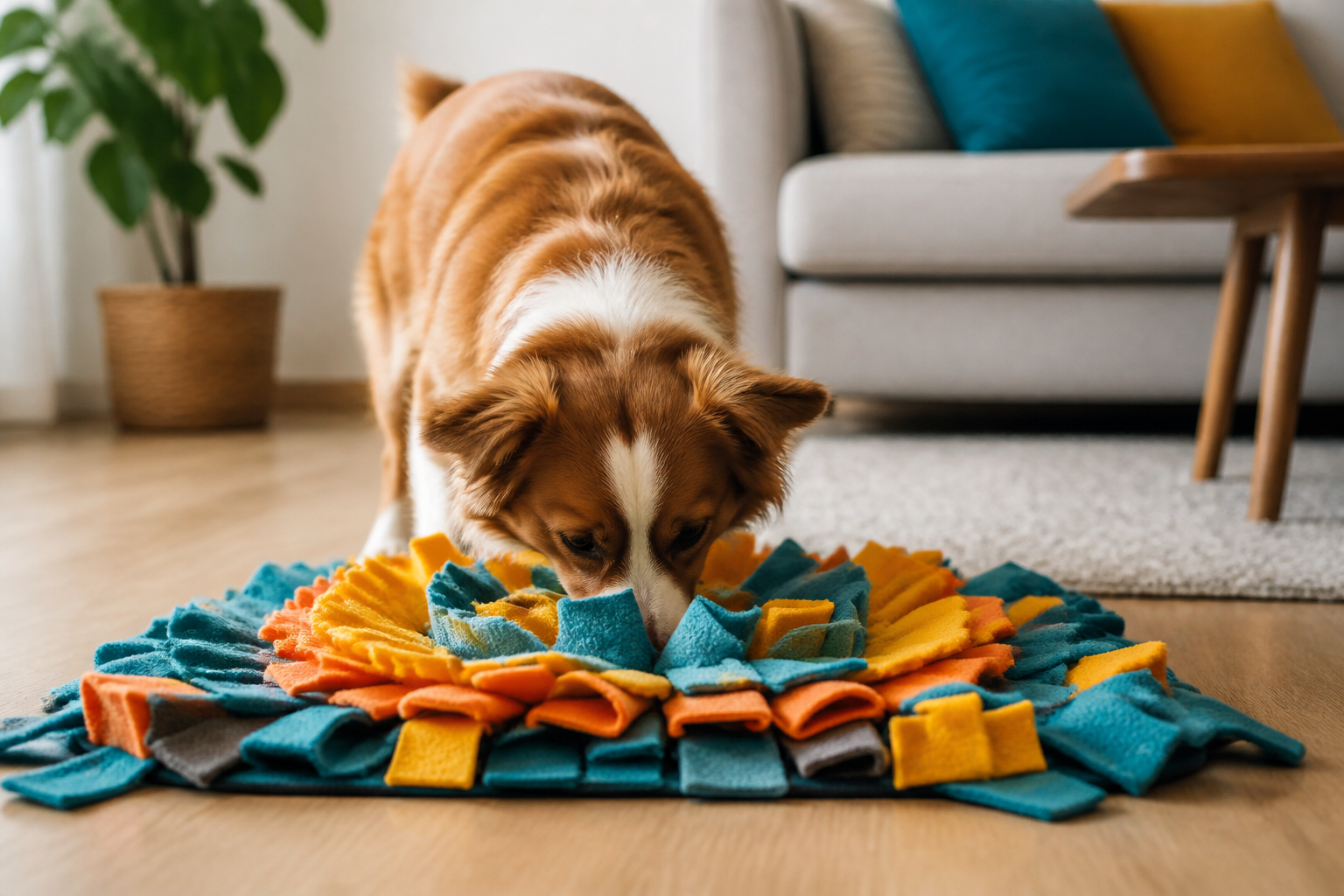
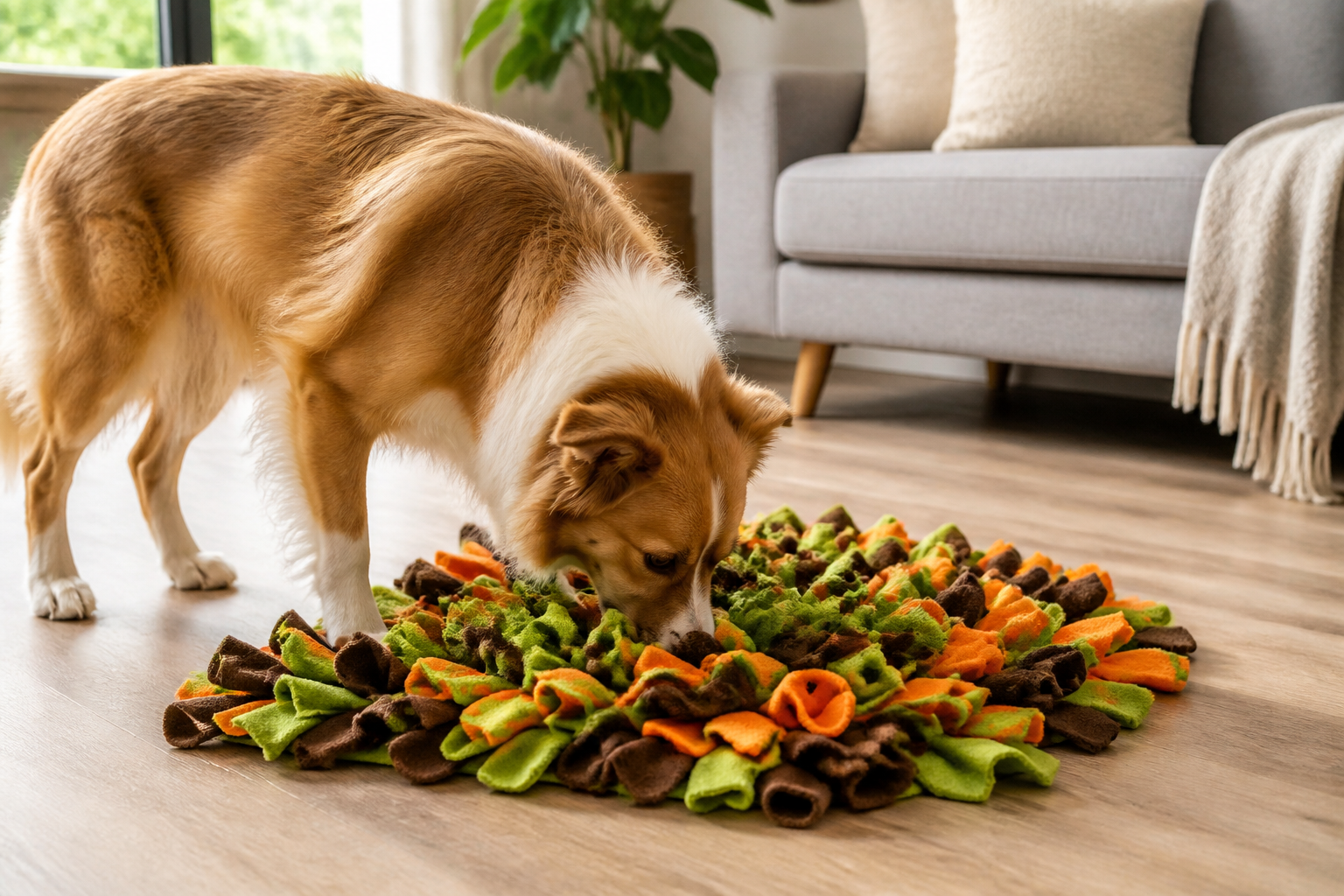
Your dog just finished eating their dinner in less than thirty seconds and is now staring at you with boundless energy. You want to provide some mental stimulation, but the weather outside is poor or you have a busy evening ahead. This is the perfect moment to introduce a snuffle mat. At BaxterBoo, we know that a bored dog can often become a mischievous dog. A snuffle mat is a simple enrichment tool that encourages your pet to use their nose to find hidden treats or kibble. It mimics the natural foraging behaviors they would use in the wild. This guide will show you how to create an easy DIY snuffle mat DIY project using basic materials you likely already have at home. Building your own enrichment toys is a budget friendly way to keep your dog happy, healthy, and mentally tired.
Understanding the Power of a Dog's Nose
To understand why a snuffle mat is so effective, we have to look at how dogs experience the world. A dog's sense of smell is between 10,000 and 100,000 times more acute than a human's sense. While we primarily use our eyes to navigate, dogs use their noses. When a dog sniffs, they are gathering a massive amount of information about their environment.
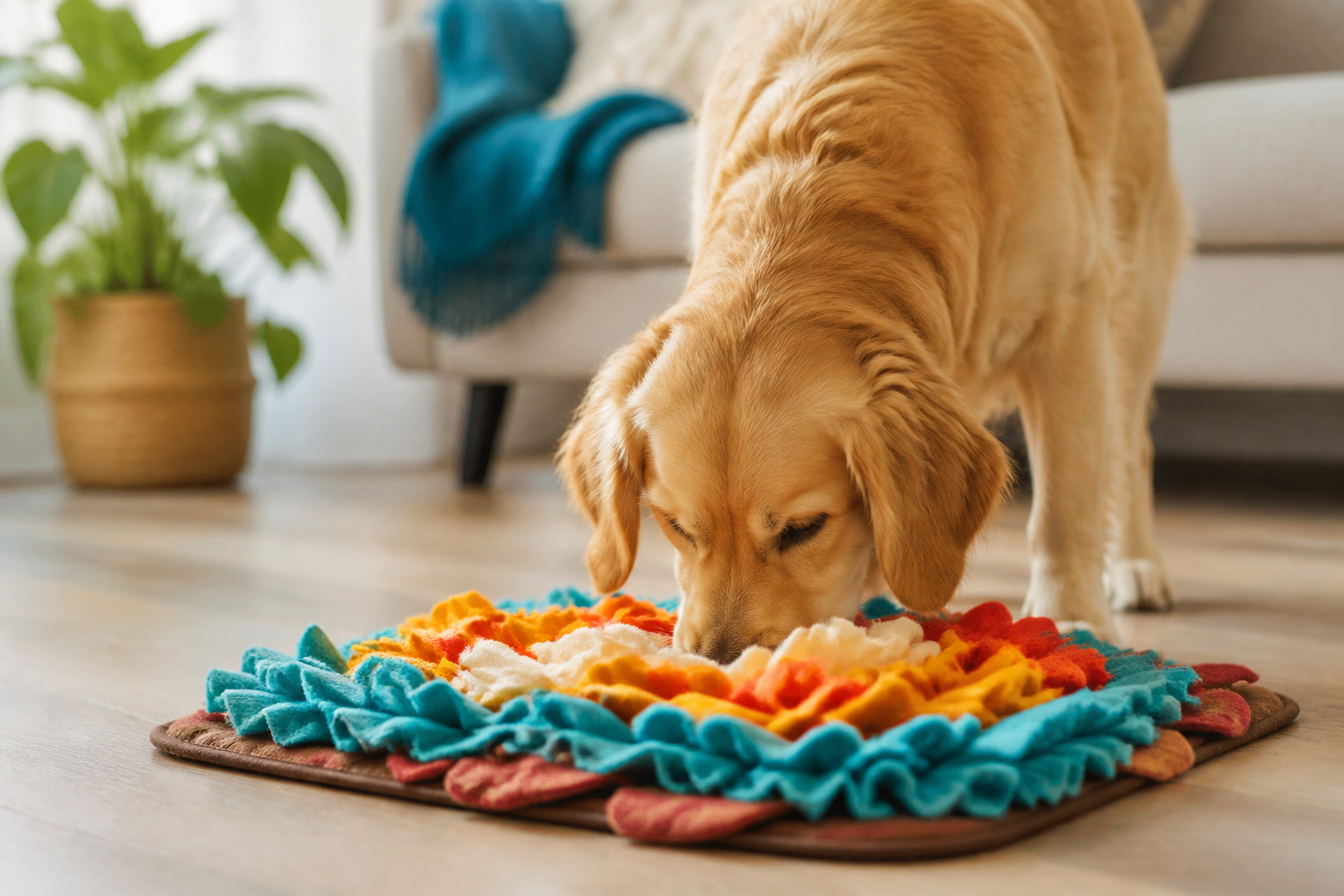
Using a snuffle mat taps into this biological superpower. It turns mealtime into a game of hide and seek. Instead of just gulping down food from a ceramic bowl, your dog has to work for every piece. This mental labor is surprisingly exhausting. Experts often say that fifteen minutes of intense sniffing can be as tiring for a dog as an hour-long walk. This makes enrichment toys vital for high energy breeds, senior dogs with limited mobility, or puppies who need to burn off steam. For more ideas, explore these dog brain games and enrichment activities.
Quick Answer: A snuffle mat is an enrichment toy made from fabric strips tied to a sturdy base. You hide dry food or treats inside the fabric, and your dog must use their sense of smell to forage for the rewards.
The Benefits of Using a Snuffle Mat
There are several reasons why every dog owner should consider adding a snuffle mat to their routine. It is not just about keeping them busy for a few minutes. The benefits extend to their physical health and emotional well being.
Slowing Down Fast Eaters
Many dogs suffer from "scarf and barf" syndrome. They eat so quickly that they swallow air and unchewed kibble, which often leads to digestive upset. In more serious cases, eating too fast can contribute to bloat. This is a life threatening condition where the stomach fills with gas and twists. A snuffle mat forces a dog to pick up one or two pieces of kibble at a time. This naturally slows their pace and improves digestion.
Reducing Anxiety and Stress
Sniffing has a naturally calming effect on the canine nervous system. It lowers their heart rate and helps them focus. If your dog gets anxious during thunderstorms or when you have guests over, a snuffle mat can provide a productive distraction. It gives them a job to do, which can shift their focus away from the source of their stress. You can also read more about calming toys and enrichment ideas for dogs.
Mental Stimulation for Senior Dogs
As dogs age, they may not be able to go for long hikes or play intense games of fetch. However, their minds stay sharp. A snuffle mat is an excellent way to provide "low impact" exercise. It keeps their brain engaged without putting stress on aging joints. We see many customers who use these for their senior pups to keep them from becoming lethargic or depressed.
Key Takeaway: Snuffle mats provide essential mental enrichment, help prevent digestive issues by slowing down fast eaters, and offer a calming activity for anxious pets.
Materials You Need for Your DIY Project
One of the best things about an easy DIY snuffle mat DIY project is that the materials are very inexpensive. You can often find everything you need at a local craft store or even a dollar store. You might even have old blankets around the house that are ready to be upcycled.
Here is your shopping list:
- A heavy duty rubber sink mat or a plastic anti fatigue mat with holes.
- Approximately 1.5 to 2 yards of fleece fabric.
- Fabric scissors or a rotary cutter.
- A ruler or measuring tape.
- A laundry basket or box to hold your strips as you cut.
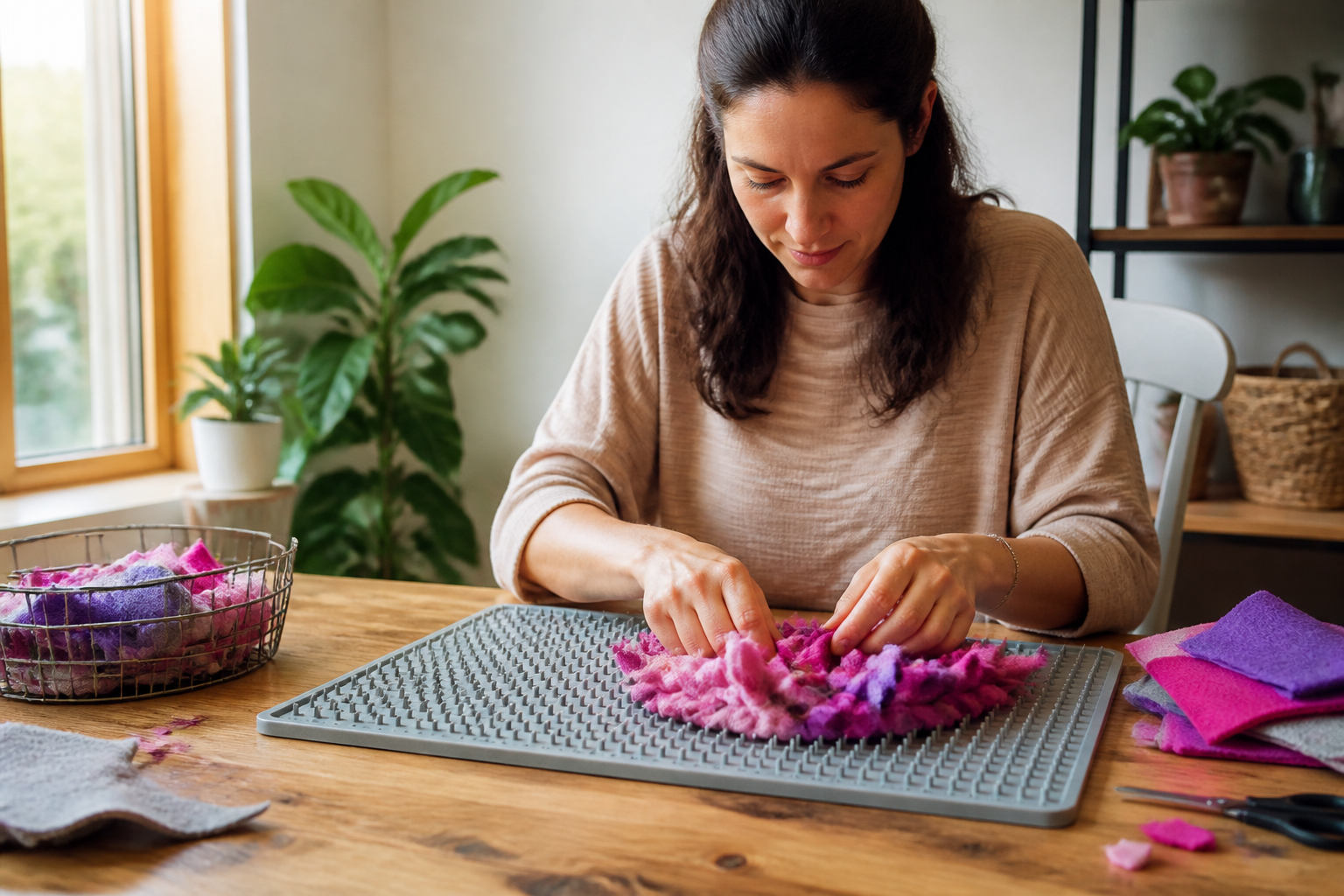
The base is the most important part. You want something with holes that are large enough to thread fabric through but small enough that the mat remains sturdy. A standard rubber sink mat found in the kitchen section of most stores is usually perfect. If you have a very large dog, you can use zip ties to connect two sink mats together for a bigger surface area.
Fleece is the preferred fabric because it does not fray when you cut it. It is also soft on your dog's nose and very durable. You can use old fleece blankets or buy fleece by the yard. If you want to get creative, you can choose multiple colors to create a pattern, but your dog will not mind if it is all one color.
Vet Tip: Always supervise your dog when they use a DIY toy for the first time. If your dog is a "heavy chewer" and starts trying to eat the fabric strips or the rubber base, remove the mat immediately to prevent an intestinal blockage.
Preparing the Fabric Strips
Before you start tying, you need to prepare your fabric. This is the most time consuming part of the process. It is a great activity to do while you are watching a movie or listening to a podcast.
Step 1: Lay your fleece flat on a table or the floor. / If you are using a large blanket, fold it so you can cut through multiple layers at once.
Step 2: Measure and cut the fleece into long strips. / Each strip should be about 1 inch wide and 7 to 8 inches long.
Step 3: Test a strip on your mat base. / Thread it through two adjacent holes and tie a single knot. If the ends are too long and floppy, shorten your cuts. If it is hard to tie, make them a bit longer.
Step 4: Continue cutting until you have a large pile of strips. / For a standard sink mat, you will likely need between 150 and 200 strips to make the mat dense enough.
Note: Precision is not necessary here. Your dog does not care if one strip is a half inch longer than the others. The goal is to create a thick, grassy texture that hides food effectively.
Assembling Your Easy DIY Snuffle Mat
Now that you have your base and your pile of strips, it is time to assemble the mat. This process involves a lot of repetitive tying, but the results are worth the effort.
Starting the First Row
Begin at one corner of your mat. Take a fabric strip and push one end through the first hole and the other end through the second hole. Pull the ends up so they are even on the top side of the mat. Tie a single square knot. You do not need to double knot it. The friction of the fleece against itself will keep the knot secure.
Filling in the Gaps
Continue tying strips along the first row until you reach the end. Once you have finished the horizontal rows, you might notice some gaps. To make the mat truly "snuffly," you should also tie strips vertically. This means tying a strip between a hole in row one and the corresponding hole in row two.
Checking Density
As you work, periodically flip the mat over. You should not be able to see much of the rubber base through the fleece. If you see large empty spots, add more strips. A dense mat is better because it makes the foraging game more challenging for your dog. If the strips are too sparse, the kibble will just fall to the bottom and be too easy to find.
Bottom line: A high quality snuffle mat needs to be dense enough to hide treats completely, requiring both horizontal and vertical ties across the base.
How to Introduce the Mat to Your Dog
If your dog has never used a puzzle toy before, they might be confused at first. Some dogs might even try to pick up the whole mat and shake it to get the food out. You want to teach them that the goal is to use their nose. For additional options, browse our dog toys collection.
For the first few sessions, make it very easy. Sprinkle a few high value treats right on top of the fleece strips. Let your dog see you put them there. Once they understand that the mat contains rewards, you can start tucking the treats deeper into the fabric.
Eventually, you can transition to using the mat for their entire meal. Simply scatter their dry kibble over the mat and ruffle the fabric with your hands to help the pieces sink down. If your dog has food sensitivities or requires a specific diet, our pet pharmacy carries a variety of prescription pet foods that can be used with these mats. Through our partnership with Pet's Choice, we offer FDA approved options for pets with chronic health needs.
Using the Mat for Training
You can also use the snuffle mat as a reward for calm behavior. If you are working on "settle" or "stay" commands, giving your dog the mat to work on can be a great way to reinforce a relaxed state. It is a self rewarding activity that keeps them occupied while you go about your day.
Cleaning and Maintenance Tips
Since your dog will be putting their face all over this mat and it will be filled with food particles, you must keep it clean. Bacteria and drool can build up quickly.
- Shake it out: After every use, take the mat outside and give it a good shake to remove any leftover crumbs or hair.
- Washing: Most DIY snuffle mats are machine washable. Place the mat in a pillowcase or a mesh laundry bag to protect the knots and your washing machine. Use a pet safe, scent free detergent.
- Drying: Do not put the mat in the dryer. The high heat can melt the rubber or plastic base. Instead, hang it up or lay it flat to air dry.
- Inspection: Check the mat regularly for loose strips. If your dog manages to untie one, they might try to eat it. Re-tie any loose pieces immediately.
Key Takeaway: Regular cleaning prevents bacterial growth, but always air dry your mat to protect the integrity of the rubber base.
When to DIY and When to Buy
While an easy DIY snuffle mat DIY project is a fun afternoon task, it is not for everyone. Some owners prefer the durability and specific designs of professionally manufactured enrichment toys. At BaxterBoo, we carry a wide range of interactive toys from trusted brands like KONG and Jackson Galaxy.
If your dog is an extreme "destroyer" of toys, a DIY mat made of thin fleece might not last very long. In those cases, looking for heavy duty rubber puzzles or reinforced fabric toys might be a better investment. However, for the average dog who just needs a little brain work, a homemade mat is a fantastic starting point.
We also offer a variety of supplements that can support the benefits of enrichment. For example, if you are using the mat to help calm an anxious dog, pairing the activity with calming supplements from brands like Zesty Paws or Honest Paws can be very effective. If your dog's anxiety is severe, we recommend consulting your veterinarian. Our pharmacy provides access to prescription medications for behavior management through our Pet's Choice partnership if your vet determines they are necessary.
Troubleshooting Common Issues
Sometimes, a DIY project doesn't go exactly as planned. Here are a few common hurdles dog owners face when making or using a snuffle mat.
The Dog Rips the Strips Out
If your dog is frustrated, they might try to pull the fabric off the base. This usually happens if the game is too hard. Go back to the beginner stage and leave the treats on top. You want them to "snuffle," not "tug." If the behavior continues, the mat might not be the right toy for that specific dog.
The Mat Slides Around
If you have hardwood or tile floors, the rubber base might still slide when your dog gets enthusiastic. You can solve this by placing the mat on a yoga mat or a piece of non-slip rug padding. This keeps the mat in one place so your dog can focus on the search.
Using Wet Food
Do not use wet food, canned food, or raw food in a fabric snuffle mat. It will create a huge mess, it is nearly impossible to clean out of the fleece, and it can lead to mold. Stick to dry kibble or hard treats. If your dog is on a prescription wet diet, consider using a silicone lick mat instead, which is designed for spreads.
Vet Tip: If you notice your dog's nose becoming red or irritated after using the mat, they might be allergic to the fabric or the detergent you used. Consult your vet if you see signs of skin irritation or hair loss around the muzzle.
Advanced Snuffle Mat Challenges
Once your dog is a pro at the basic mat, you can increase the difficulty. This keeps the activity fresh and prevents them from getting bored with the same routine.
- Layer the treats: Put some low value kibble at the bottom and a few high value smelly treats near the top. This encourages them to keep searching even after the "good stuff" is gone.
- Knot the strips: If your mat is very dense, you can lightly tie two of the top fleece strips together over a treat. Your dog will have to use their paws or muzzle to untie the "lock" to get to the food.
- Hide the mat: Don't just give the mat to your dog. Hide the loaded mat somewhere in the room and tell them to "find it." This adds another layer of nose work to the session.
These small changes can turn a ten minute activity into a twenty minute one. The goal is always to keep the dog engaged and successful. If they get too frustrated, they will give up, so always ensure they can actually find the food.
Conclusion
Creating an easy DIY snuffle mat DIY toy is one of the most rewarding things you can do for your pet. It costs very little but provides hours of entertainment and health benefits. Whether you are looking to slow down a fast eater or just want to bond with your pup on a rainy afternoon, this project is a winner. At BaxterBoo, we love seeing owners take an active role in their pet's mental wellness. Once you finish your mat, you might find that your dog is calmer, more focused, and much more satisfied after their meals. If you find your dog loves this type of work, consider exploring our full collection of brain games and puzzle toys to keep the fun going.
Key Takeaway: Snuffle mats are a versatile and inexpensive tool for canine enrichment that any owner can build with just a bit of fleece and a rubber base.
FAQ
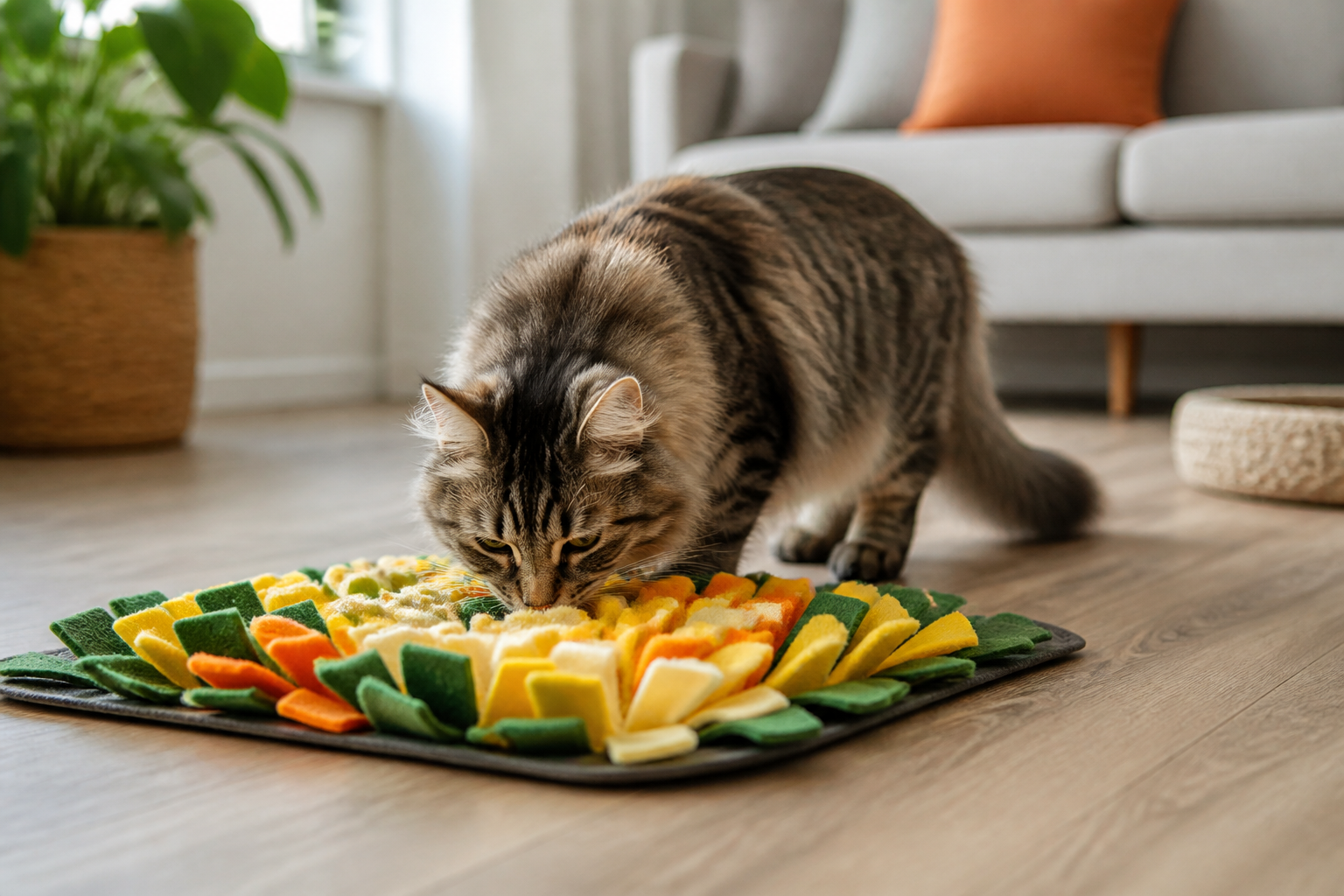
Can I use a snuffle mat for my cat?
Yes, cats can benefit from snuffle mats just as much as dogs. Cats are natural hunters, and foraging for dry treats or pieces of kibble in the fleece strips provides excellent mental stimulation for indoor felines. Just ensure the strips are sized appropriately for a smaller animal and that you use cat-safe treats.
How often should I wash my DIY snuffle mat?
You should aim to wash the mat at least once every two weeks if you use it daily. If your dog is a heavy drooller or if you use "smelly" treats like dried fish or liver, you may need to wash it weekly. Always check for leftover food particles between uses to prevent mold or ants.
What if my dog starts chewing the rubber base?
If your dog transitions from sniffing to chewing the base, you should take the mat away immediately. Ingesting pieces of rubber or plastic can cause serious health issues. You might try a different type of base, such as a heavy fabric one, or look for a more durable pre-made enrichment toy designed for aggressive chewers.
Is a snuffle mat a replacement for a walk?
While a snuffle mat provides great mental exercise, it is not a complete replacement for physical activity. Dogs still need to walk to stretch their muscles, explore new environments, and socialize. Think of the snuffle mat as a supplement to their daily exercise routine rather than a total substitute.