Save 15% on your 1st Autoship learn more

 Email us
 Live Chat
 FAQs
FAQs





Introduction
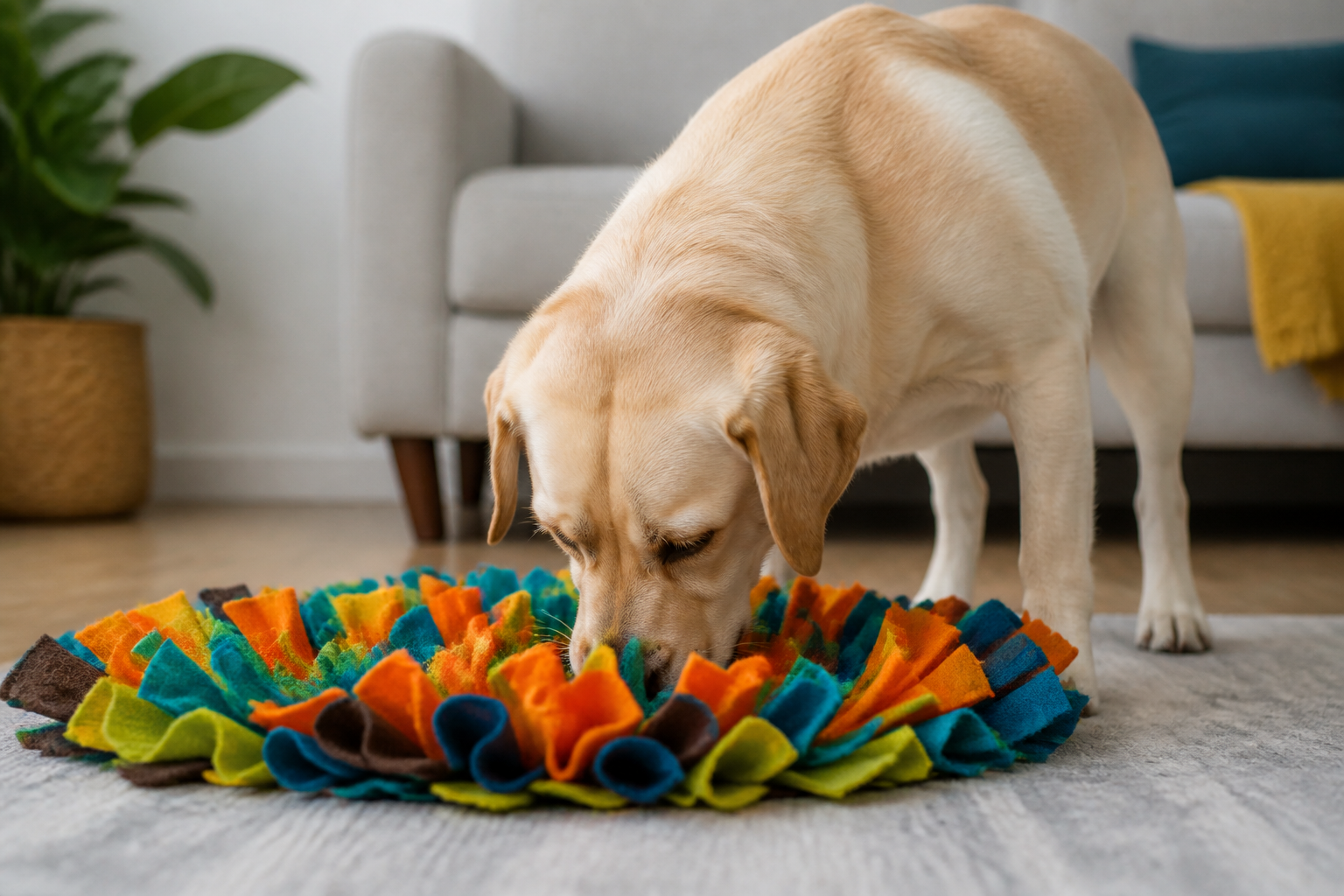
You watch your dog finish a bowl of kibble in roughly thirty seconds. Before you can even put the bag away, they are looking for something else to do. This usually leads to pacing, barking at the window, or investigating the kitchen trash can. Many of us at BaxterBoo have been in this exact spot. We want to keep our dogs happy and occupied, but a simple walk is not always enough. This is where a dog snuffle mat pattern becomes a lifesaver for your daily routine.
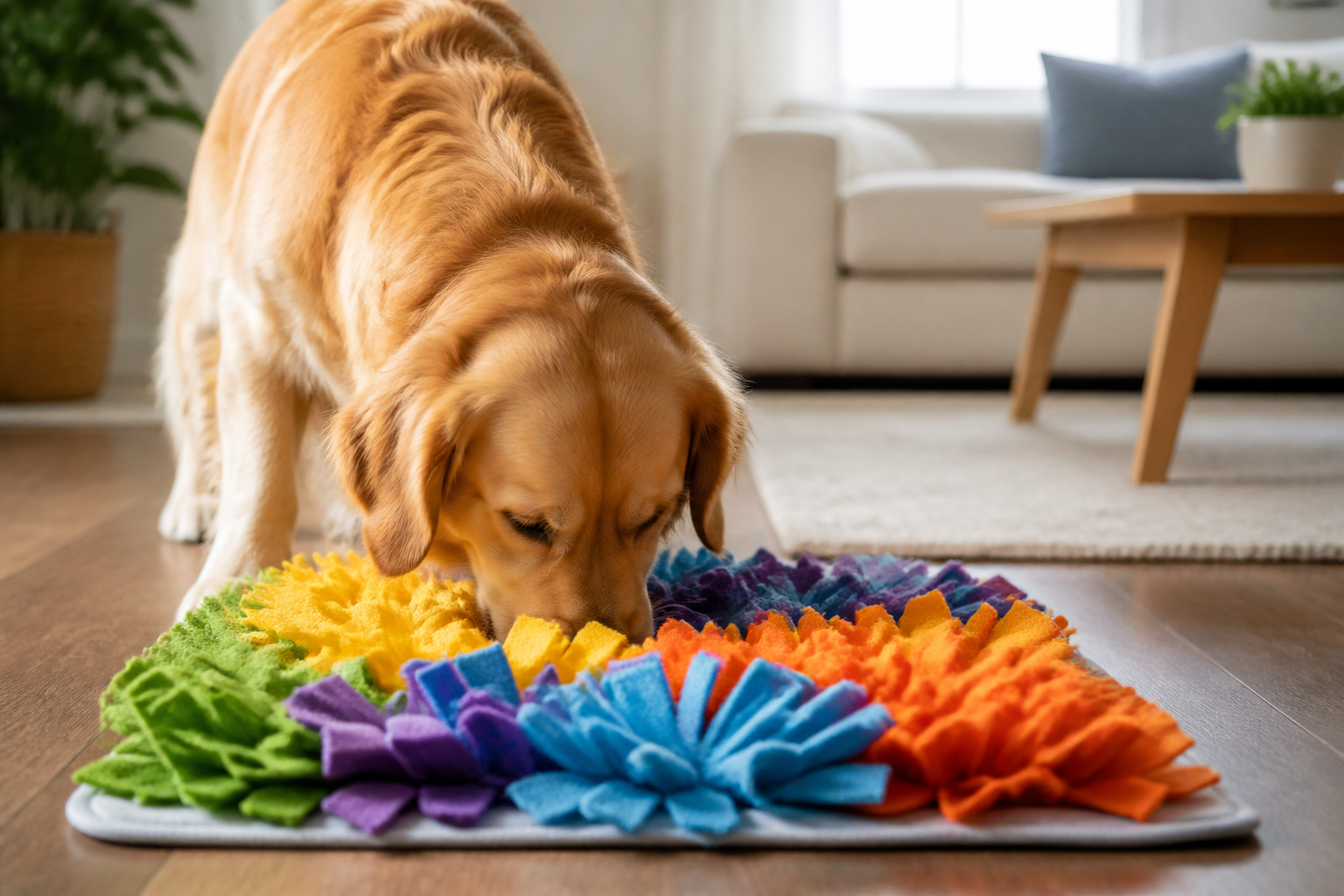
Mental exercise is just as exhausting for a dog as a long run. A snuffle mat mimics the natural foraging behavior dogs use in the wild. It turns mealtime into a game and slows down fast eaters. This post covers different patterns you can use to create your own mat at home. We will look at tied versions, sewn versions, and how to choose the best materials for safety.
Quick Answer: A dog snuffle mat is an enrichment toy made of fabric strips attached to a base. You hide dry food or treats inside the fabric for your dog to find using their nose. It provides mental stimulation and slows down dogs that eat too quickly.
Understanding the Snuffle Mat Concept
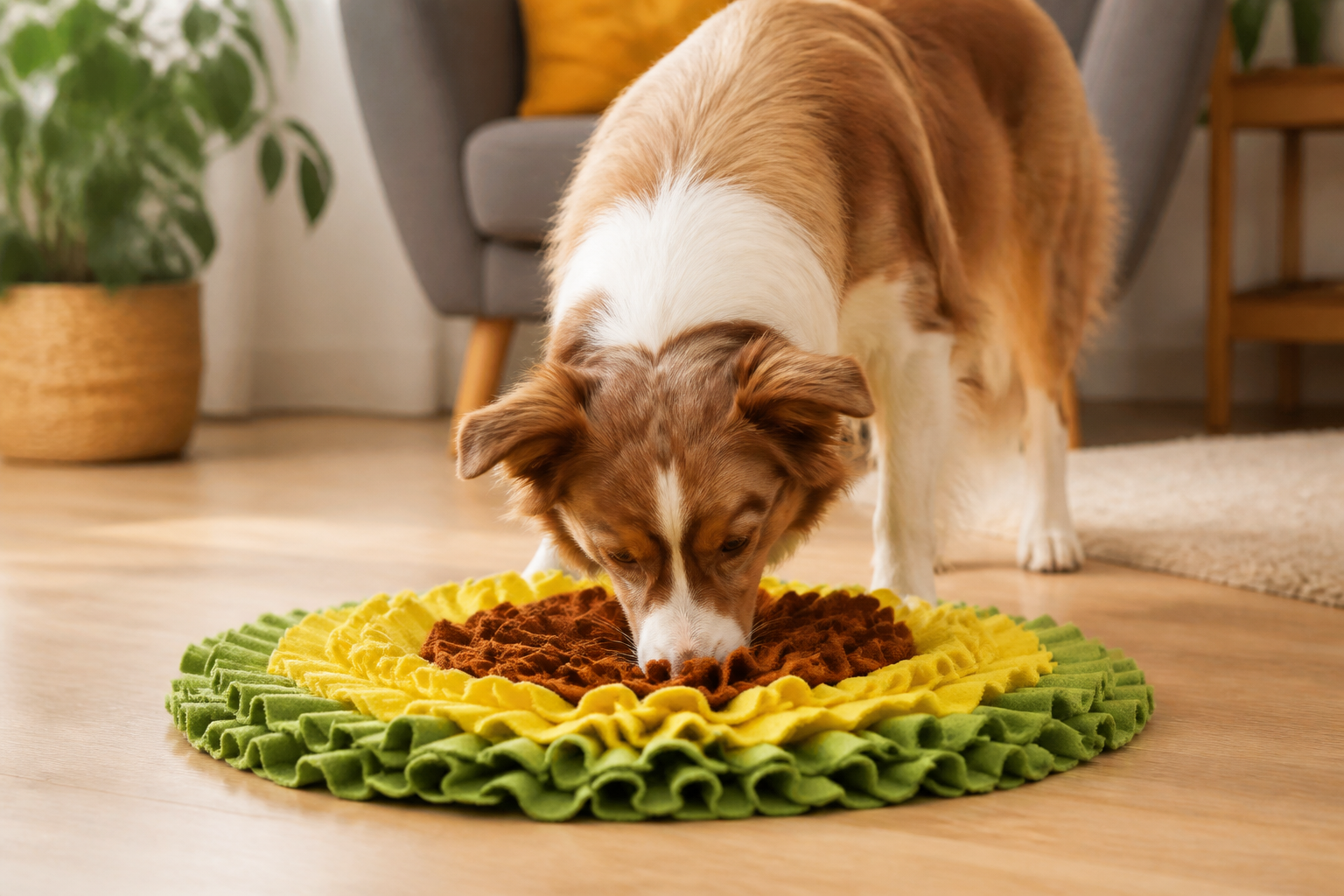
The nose is a dog’s primary way of experiencing the world. While humans rely on sight, dogs use scent to gather information. A snuffle mat works by hiding rewards deep within layers of fabric. This forces the dog to use their olfactory senses to solve a puzzle. It is often called "nose work" on a smaller scale.
Using a specific dog snuffle mat pattern allows you to customize the difficulty level. A beginner dog might need shorter, looser strips. An experienced forager might enjoy a dense mat with various fabric shapes. Most mats use fleece because it is soft on the nose and does not fray when cut.
These mats are great for all life stages. Puppies use them to burn off energy without overworking their growing joints. Senior dogs with limited mobility can stay mentally sharp while lying down. Even dogs recovering from surgery can use a mat to prevent boredom during crate rest. For more ideas, explore these indoor enrichment activities for pets.
The Standard Tied Dog Snuffle Mat Pattern
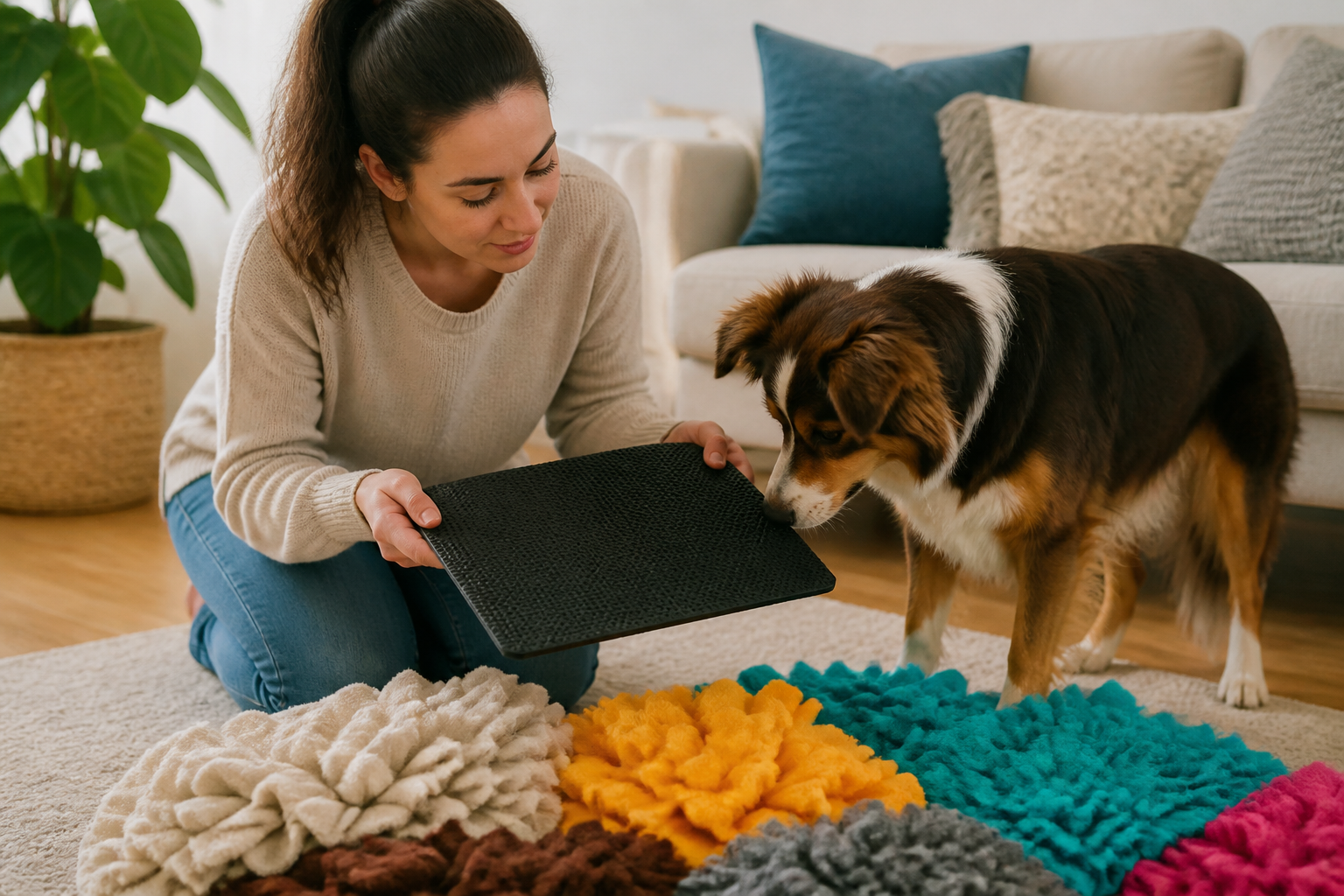
The most popular dog snuffle mat pattern is the tied version. It is inexpensive and does not require a sewing machine. You only need a base with holes and a few yards of fleece fabric. Many people use a rubber sink mat or a plastic floral grid as the base.
Tools and Materials
- One rubber sink mat or heavy-duty plastic grid.
- One to two yards of anti-pill fleece fabric.
- Fabric scissors or a rotary cutter.
- A ruler or measuring tape.
Step-by-Step Instructions
Step 1: Prepare the fabric strips.
Cut your fleece into strips that are approximately one inch wide and seven inches long. You will need a lot of these. A standard 12 by 12 inch mat often requires 150 to 200 strips to be sufficiently dense.
Step 2: Start at the corner.
Take one strip of fleece and thread it through the first two holes in a corner of your mat. Pull the ends up so they are even on the top side.
Step 3: Tie the first knot.
Tie a simple overhand knot. You do not need to double knot it unless the fabric is very thin. Pull it tight against the base.
Step 4: Fill the rows.
Work your way across the first row of holes. Once the horizontal row is finished, go back and tie strips vertically between the holes. This "cross-hatch" pattern ensures there are no gaps where food can fall through to the floor.
Step 5: Check the density.
Flip the mat over. If you see the plastic base through the fabric, add more strips. A good mat should be a thick forest of fleece.
Key Takeaway: The tied pattern is the most durable DIY option. Using a rubber base prevents the mat from sliding across the floor while your dog works.
If you prefer a ready-made option, the Play Pet Snuffle Mat Dog Toy - Savory Sunrise offers multiple hiding spots for treat foraging.
The Sewn Patchwork Pattern
If you are comfortable with a sewing machine, a sewn dog snuffle mat pattern offers more variety. This style often involves sewing different "puzzles" onto a sturdy fabric base. It looks more like a small quilt and can be easier to toss in the wash.
Creating the Base
Start with a heavy piece of denim or double-layered fleece for the bottom. This needs to be sturdy enough to hold the weight of the attachments. A standard size is 18 by 18 inches.
Pattern Variations for Sewn Mats
- The Fringe Block: Sew several long strips of fleece down the center of a square. Cut the sides into fringe to create a grassy texture.
- The Circle Stack: Cut five circles of fleece in decreasing sizes. Stack them and sew a single line through the center. Hide treats between the layers of the "flower."
- The Pocket Square: Sew small fabric squares onto the base on three sides. This creates a pocket that a dog must use their muzzle to open.
- The X-Fold: Sew a square of fabric by its four corners only. Cut an "X" in the middle of the top layer.
Sewn mats allow you to use up fabric scraps from other projects. You can mix and match these blocks to create a custom experience. If your dog is a "shredder," stick to the fringe blocks as they have fewer edges to grab and tear. You can also browse interactive dog toys for additional enrichment ideas.
Choosing the Right Fabric
Not all fabrics are safe for a dog snuffle mat pattern. Fleece is the gold standard for several reasons. It is durable, slightly stretchy, and very soft. Most importantly, it does not unravel. If a dog accidentally pulls a thread on a cotton mat, they could swallow long strings that cause intestinal issues.
Fleece Types
- Anti-Pill Fleece: This is the highest quality. It stays smooth even after many washes.
- Blizzard Fleece: This is thicker and stiffer. It is great for creating a dense mat that stands up straight.
- Coral Fleece: This is extremely soft and fuzzy. It is good for sensitive noses but may be too thin for heavy use.
Avoid using old towels or t-shirts. These materials fray quickly. Small threads can get caught in a dog's teeth or swallowed. Stick to high-quality fleece from a local craft store or upcycle clean fleece blankets.
Introducing the Mat to Your Dog
The first time you use your new mat, you want your dog to succeed quickly. If the puzzle is too hard, some dogs might get frustrated and try to chew or shake the mat. This is a common mistake that can ruin your hard work.
Start by placing a few high-quality treats right on top of the fleece. Use something smelly like Stella & Chewy’s freeze-dried raw bits to get their attention. Let them eat those easily. Once they understand the mat holds food, start tucking the treats slightly under the first layer of fringe.
As they get better at the game, bury the food deeper. Eventually, you can use the mat for their entire meal of dry kibble. Brands like Orijen or The Honest Kitchen work perfectly because the kibble pieces are small enough to hide but large enough for the dog to find. You can compare options in our dog food category.
Vet Tip: If your dog is using a snuffle mat to help with weight loss, remember to subtract the treats used in the mat from their daily calorie count. For dogs on a prescription diet for weight management or digestion, our pet pharmacy carries prescription foods and medications through veterinary authorization.
Safety and Supervision
A snuffle mat is an interactive toy, not a chew toy. You should always supervise your dog when the mat is out. Some dogs are tempted to "cheat" by picking up the mat and shaking it to make the food fall out. Others might try to chew the rubber base or pull out the fleece strips.
Once your dog has finished finding all the food, pick the mat up and put it away. This keeps the mat "special" and prevents it from becoming a target for chewing. Inspect the mat regularly for loose strips or damage to the base.
If your dog has a history of swallowing fabric or non-food items, talk to your veterinarian before using a snuffle mat. They can help you determine if your dog's chewing habits make this type of toy a risk. For more toy-selection guidance, read the definitive guide to choosing dog toys.
Cleaning and Maintenance
Snuffle mats can get messy. Saliva, food dust, and pet hair will accumulate over time. A dirty mat can grow bacteria or mold if left damp. Most tied mats can be washed, but you must be careful with the base.
Washing a Tied Mat
If your base is rubber or plastic, it is best to hand wash the mat in a utility sink. Use a pet-safe, unscented detergent. Rinse it thoroughly and hang it over a tub or outside to air dry. Do not put rubber-based mats in the dryer as the heat can melt the base or make it brittle.
Washing a Sewn Mat
Sewn mats with a fabric base are usually machine washable. Use a gentle cycle with cold water. It is a good idea to put the mat inside a mesh laundry bag to prevent the strips from getting tangled in the machine's agitator. Air drying is still the safest option to maintain the shape of the fleece.
Bottom line: Regular cleaning prevents bacterial growth and keeps the mat enticing for your dog's sensitive nose.
Addressing Fast Eating and Weight Issues
Many owners search for a dog snuffle mat pattern because their pet is overweight or eats too fast. Inhaling food can lead to digestive upset or a dangerous condition called bloat. By forcing the dog to forage, you extend a thirty-second meal into a ten-minute activity.
This extra time allows the dog's brain to register that they are full. It can be a vital tool in a weight loss plan. If you are struggling with your dog’s weight, it is important to work with a professional. We recommend consulting your veterinarian to rule out thyroid issues or other metabolic conditions. For additional guidance, read this practical guide to pet weight management.
Our pharmacy at BaxterBoo provides access to prescription diets specifically formulated for weight management and metabolic health. Through our partnership with Pet's Choice, we can help you get the exact food your vet recommends delivered to your door. Combining a professional diet with the mental engagement of a snuffle mat is a great way to support a healthier lifestyle for your dog.
Variations for Advanced Foragers
Once your dog is a pro, they might find a basic mat too easy. You can increase the challenge by changing your dog snuffle mat pattern or the way you "load" it.
- The Layered Load: Put half the food at the very bottom and the other half near the top.
- The Mixed Texture: Add different lengths of fleece strips to the same mat.
- The Puzzle Combo: Place the snuffle mat inside a shallow cardboard box. The dog must first figure out how to get to the mat before they can start sniffing.
- The Scent Trail: Use a tiny amount of wet food smeared on a piece of fleece (only if you plan to wash the mat immediately after) to create a high-value scent target.
For more ways to keep dogs engaged indoors, explore dog boredom busters and enrichment ideas.
Benefits for Senior Dogs
Senior dogs often face a "double whammy" of reduced physical ability and potential cognitive decline. They might not be able to go on long hikes anymore, but their brains still need work. A snuffle mat is low-impact and high-reward.
It provides a sense of accomplishment. For a dog that might be feeling the effects of age, successfully "hunting" for dinner can improve their mood and confidence. It is a gentle way to keep them engaged with their environment without stressing their joints. You can find more ideas in this guide to choosing toys for senior dogs.
If your senior dog is managing joint stiffness, you might also look into supplements like Cosequin or Zesty Paws. Keeping them comfortable physically will make them more likely to enjoy mental games like the snuffle mat.
Making Mats for Shelter Dogs
Creating snuffle mats is a wonderful volunteer project. Many shelters and rescues are in desperate need of enrichment toys. Because the materials are so inexpensive, you can make a large number of mats for very little money.
A tied mat using a dollar-store sink mat is perfect for shelter environments. They are durable enough to handle different dogs and are easy for shelter staff to sanitize. If you are making mats to donate, stick to bright, happy colors and ensure every knot is extra tight for safety.
Troubleshooting Common Issues
Even with the best dog snuffle mat pattern, you might run into a few hurdles. Here is how to handle the most common problems owners face.
My dog just flips the mat over.
This usually happens when the dog is frustrated or has figured out that flipping it is faster than sniffing. Try using a heavier rubber base. You can also place the mat on a non-slip surface or hold the edge of the mat while they work to encourage sniffing.
My dog tries to eat the fleece.
Stop the session immediately. This is a safety risk. Try using larger strips that are harder to swallow, or go back to the very beginning and make the treats very easy to find. If the behavior continues, your dog may not be a good candidate for fabric-based toys.
The mat smells bad.
This is a sign of old food or bacteria. It is time for a deep clean. Ensure you are only using dry, low-crumb treats or kibble. Avoid using "wet" treats like cheese or hot dogs unless you wash the mat right after the session.
Summary of Enrichment Benefits
A dog snuffle mat pattern is more than just a craft project. It is a tool for better health and behavior. By providing a constructive outlet for natural instincts, you reduce the likelihood of destructive behaviors at home.
- Reduces anxiety by providing a calming, focused task.
- Slows down digestion to prevent gas and bloating.
- Provides a "job" for high-energy breeds.
- Acts as a bridge for bonding between you and your pet.
You can easily incorporate this into your daily routine. Fill the mat while you are making your own breakfast or dinner. It keeps the dog occupied while you are busy, turning a potentially hectic time of day into a peaceful one.
If you are ready to start, we have everything you need to keep your dog fueled and rewarded. From premium kibble brands like NutriSource and Farmina to healthy treats from Stella & Chewy's, we curate our selection to ensure your pet gets the best. You can even save on these essentials by joining our Autoship program, which earns you a free MVP Gold membership for even more rewards.
FAQ
How much fleece do I need for a dog snuffle mat?
For a standard 12 by 12 inch tied mat, you will typically need about 1.5 to 2 yards of fleece fabric. This allows you to cut enough strips to make the mat dense enough so that the food doesn't simply sit on the bottom. If you use a thicker fleece, you might be able to use slightly less, but more is usually better for hidden puzzles.
Can I put a snuffle mat in the washing machine?
If the mat is a sewn version made entirely of fabric, it is usually safe for the washing machine on a cold, gentle cycle. For tied mats with a rubber or plastic base, hand washing is recommended to prevent the base from cracking or melting. Always air dry your mat to keep the fleece strips from shrinking or losing their soft texture.
Is a snuffle mat safe for a dog that shreds toys?
Snuffle mats require supervision, especially for dogs known to shred fabric. While fleece is safer than many other fabrics because it doesn't fray, a determined chewer can still pull off and swallow strips. If your dog starts to chew rather than sniff, remove the mat and try again later when they are more focused on the food.
What kind of food works best in a snuffle mat?
Dry kibble or hard, low-moisture treats are the best choices for any dog snuffle mat pattern. Small, crunchy pieces fall into the layers easily and don't leave a messy residue behind. Avoid using wet food, greasy treats, or anything that crumbles easily, as these will make the mat difficult to clean and could lead to bacterial growth.