
 Save 15% on your 1st Autoship learn more

 Email us
 Live Chat
 FAQs
FAQs





Introduction
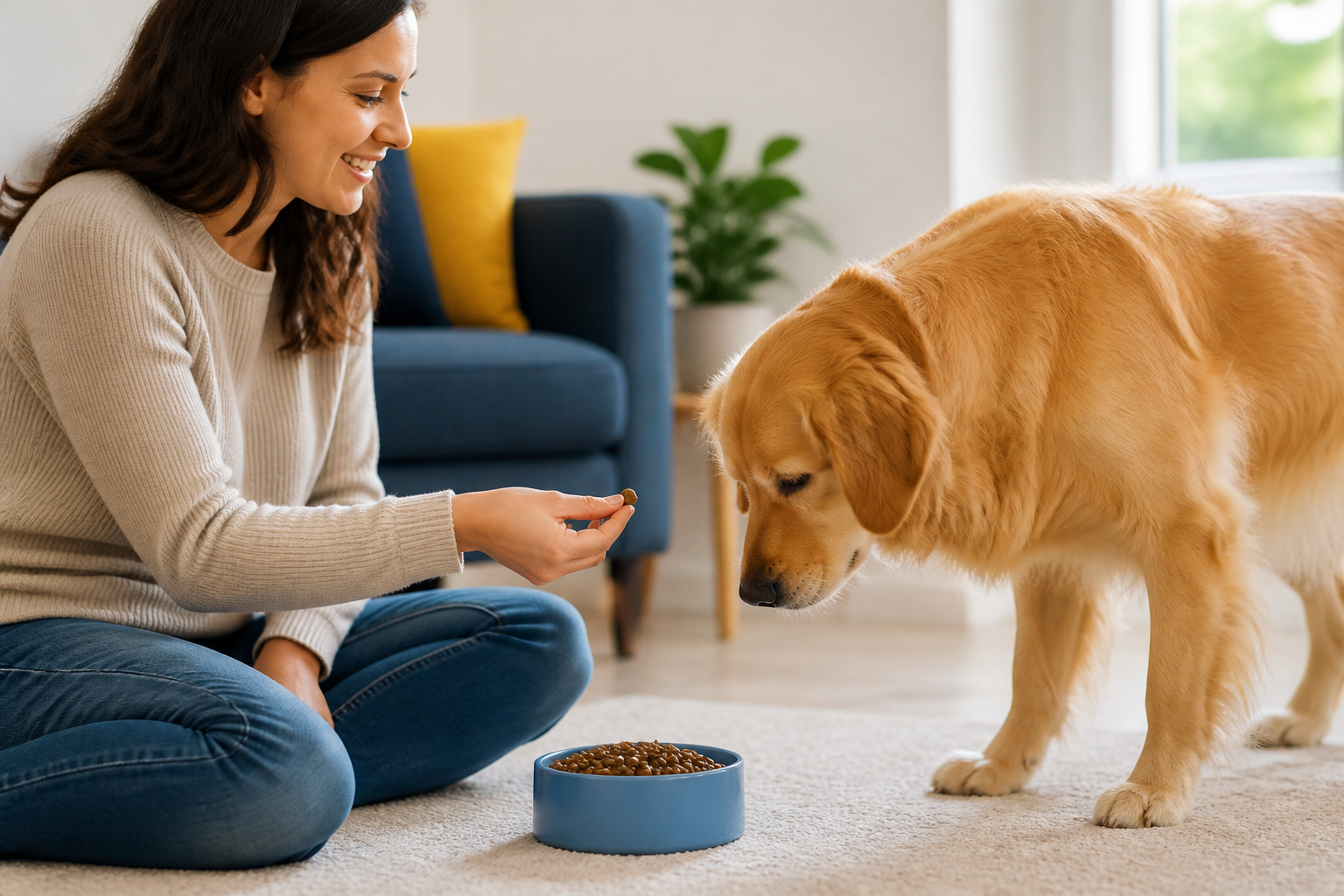
You spend time researching the perfect kibble. You look for the best ingredients and the right calorie balance. Then you place the bowl on the floor, and your dog sniffs it, sighs, and walks away. It is a frustrating moment that many pet parents face every single day. At BaxterBoo, we talk to owners at our Vernon Hills warehouse who are worried their dogs are starving themselves. Usually, the fix is simpler than you think. This guide covers why your dog might be skipping meals and provides practical strategies to get them back on track. We will look at medical reasons, behavioral habits, and simple ways to make dry food taste better. Our goal is to help you build a routine that makes mealtime easy for everyone.
Quick Answer: To make a dog eat dry food, try adding warm water or low-sodium broth to enhance the aroma. You can also mix in a high-quality topper or wet food to improve the texture and flavor. Consistent meal times and limiting treats between meals are also essential for encouraging a healthy appetite.
Ruling Out Medical Concerns First
Before you assume your dog is just being stubborn, you must rule out health issues. A sudden change in appetite is often the first sign that something is wrong. Dogs are experts at hiding pain, but they cannot hide a lack of hunger. If your dog used to love their kibble and now refuses it, a visit to the veterinarian is the best first step.
Dental problems are a very common reason for kibble rejection. Imagine trying to eat a crunchy cracker when you have a broken tooth or a gum infection. It would be painful and frustrating. Older dogs are especially prone to dental disease. If your dog approaches the bowl but drops the food or winces, their teeth likely need attention.
Stomach issues or internal conditions can also kill an appetite. Kidney issues, liver disease, or even simple nausea can make dry food seem unappealing. Sometimes, a dog needs a specific diet to manage these conditions. Through our partnership with Pet's Choice, the our pet pharmacy offers a wide range of FDA-approved medications and prescription diets. If your vet prescribes a specific food like Farmina Vet Life for a health condition, we can help you get it delivered to your door.
Vet Tip: If your dog has not eaten for more than 24 to 48 hours, call your veterinarian immediately. This is especially urgent if they are also lethargic, vomiting, or refusing to drink water. A professional exam can catch underlying issues before they become serious emergencies.
Behavioral Reasons for Kibble Rejection
If your vet gives your dog a clean bill of health, the issue is likely behavioral. Many dogs learn that if they wait long enough, something better will come along. This is often called the "Treat Trap." If your dog knows you will eventually top their bowl with chicken or cheese, they have no reason to eat the plain dry food.
Overfeeding is another common culprit. We often overestimate how many calories our dogs actually need. If you give your dog several large treats throughout the day, they might simply be full by dinner time. Even small scraps from the dinner table can add up quickly. A dog who is not truly hungry will be much more selective about what they choose to eat. Browse our dog treats collection when choosing smaller reward options.
Stress and environmental changes can also play a role. Have you recently moved to a new home? Is there a new pet or a new baby in the house? Even a change in your work schedule can make a dog feel unsettled. Some dogs are social eaters and will only eat when you are in the room with them. Others are easily distracted and might stop eating if there is too much noise or activity nearby.
Key Takeaway: Picky eating is often a learned behavior. If you consistently offer "better" options when a dog refuses a meal, you are teaching them that holding out pays off.
Practical Ways to Make Dry Food More Appealing
Once you know your dog is healthy, you can start experimenting with the food itself. You do not always need to switch brands to get results. Small changes to the temperature and texture can make a huge difference in how your dog perceives their meal. For additional ideas, read our guide to adding food to your dog's dry food.
Add Warmth and Moisture
Dry kibble does not have a strong smell at room temperature. A dog's sense of smell is much more powerful than their sense of taste. To make the food more enticing, you need to wake up the aroma. Adding a splash of warm water or low-sodium bone broth is an easy fix. Our dog food category makes it easy to compare meal options and complementary foods.
Step 1: Measure out the normal portion of dry food. / Place it in the dog's usual bowl.
Step 2: Add 1/4 cup of warm water or dog-safe broth. / Ensure the liquid is warm to the touch but not boiling hot.
Step 3: Let the food sit for two to three minutes. / This allows the kibble to soften slightly and releases the fats and oils that smell good to your dog.
Use High-Quality Toppers
Toppers are a great middle ground between plain kibble and a full diet change. Brands like Stella & Chewy's or The Honest Kitchen make freeze-dried raw bites or liquid "pour-overs" specifically for this purpose. These additions provide a boost of protein and a punch of flavor that most dogs cannot resist.
When using toppers, be careful not to overdo it. You want to use just enough to coat the kibble. If you put a pile of steak on top of dry food, the dog will just eat the steak and leave the rest. Stir the topper into the kibble so every bite has a bit of the "good stuff" on it.
Texture and Variety
Some dogs prefer a different mouthfeel. If your dog is tired of hard rounds of kibble, try a "shredded blend" food. These recipes mix crunchy kibble with tender, meaty pieces. Brands like NutriSource or Open Farm offer various textures that can keep a dog interested. You can also try mixing a spoonful of wet food into the dry food. This creates a gravy-like consistency that makes the dry bits easier to swallow and much tastier.
Bottom line: Enhancing the smell and texture of dry food is often enough to convince a picky dog to start eating again.
The Importance of a Feeding Routine
Consistency is the enemy of picky eating. If you leave food out all day, it is called "free feeding." This is one of the worst things you can do for a picky eater. Food that sits out loses its aroma and becomes stale. It also prevents your dog from ever feeling a true sense of hunger. For more guidance on moisture and mealtime handling, see whether you should mix dry dog food with water.
Instead, switch to scheduled feedings. Put the bowl down for exactly 20 to 30 minutes. If the dog does not eat, pick the bowl up and put it away. Do not offer treats or table scraps until the next scheduled mealtime. This may feel harsh, but it is an effective way to reset their internal clock. Most healthy dogs will not starve themselves. Once they realize the food is not available all day, they will be much more eager to eat when the bowl hits the floor.
Exercise also plays a major role in appetite. A dog who has spent the day lounging on the couch might not be very hungry. A long walk or a vigorous game of fetch about 30 minutes before dinner can stimulate the metabolism. When the body needs fuel, the brain is much less likely to be picky about where that fuel comes from.
Choosing the Right Dry Food Quality
Not all kibble is created equal. Some budget brands are heavy on fillers like corn and wheat, which might not be very appetizing to your dog. If your dog is consistently refusing a specific brand, take a look at the ingredient label. The first few ingredients should be high-quality animal proteins like chicken, beef, or lamb.
At BaxterBoo, we handpick every brand we carry to ensure they meet high standards. If your dog is sensitive to certain ingredients, you might want to try a limited-ingredient diet or a grain-free option. Brands like Zesty Paws or Cosequin can provide supplements if you are worried about nutritional gaps, but a high-quality base food is the most important factor.
Consider the size of the kibble as well. Small-breed dogs often struggle with large, hard chunks of food. Conversely, large dogs might find tiny kibble frustrating to eat. Most premium brands offer specific formulas for small, medium, and large breeds to ensure the "crunch factor" is just right for their jaw size.
Improving the Feeding Environment
Where and how you feed your dog matters just as much as what you feed them. If your dog is anxious or easily distracted, a busy kitchen might be a bad place for dinner. Try moving their bowl to a quiet corner where they can eat in peace. If you have multiple pets, make sure they are fed separately so there is no competition or stress over the food.
Sometimes, the bowl itself is the problem. Metal bowls can make a clinking sound that scares some dogs. Deep bowls can put pressure on a dog's neck or whiskers. Try a shallow ceramic dish or even an elevated feeder for larger dogs.
For dogs who are bored, try turning mealtime into a game. Instead of a bowl, use a puzzle toy like a Kong. This forces the dog to work for their food, which taps into their natural scavenging instincts. Many dogs find the "hunt" for food much more rewarding than simply eating from a dish.
Key Takeaway: A calm environment and the right feeding tools can remove the stress and boredom that often lead to food refusal.
Transitioning to a New Food Safely
If you decide that a food switch is necessary, do not do it all at once. A sudden change in diet can cause an upset stomach, which will only make the picky eating worse. A slow transition allows your dog’s digestive system to adapt to the new ingredients. You can also review how much dry food to feed a dog when adjusting portions.
Step 1: Mix 25% of the new food with 75% of the old food for two days. / Watch for any signs of gas or loose stools.
Step 2: Increase to a 50/50 mix for the next two days. / This is usually when a dog decides if they truly like the new flavor.
Step 3: Move to 75% new food and 25% old food for two more days. / By now, their stomach should be well-adjusted.
Step 4: Offer 100% of the new food. / You have now successfully switched their diet without causing digestive distress.
Conclusion
Making your dog eat their dry food requires a mix of patience, routine, and a little bit of culinary creativity. Start by ruling out any dental or health issues with your vet. Once health is confirmed, focus on building a strict feeding schedule and limiting treats. Enhancing the food with warm water, broth, or high-quality toppers from BaxterBoo can make a world of difference for a bored palate. Remember that every dog is an individual. What works for one pup might not work for another, so do not be afraid to experiment with different textures or quiet feeding spots. If you need help staying consistent, our Autoship programme is a great way to ensure you never run out of the food your dog finally enjoys.
Bottom line: A healthy dog will eat when they are hungry, provided you maintain a consistent routine and offer high-quality nutrition without too many distractions.
FAQ
Why did my dog suddenly stop eating dry food but will still eat treats?
This is usually a sign of a "picky eater" behavior rather than a medical emergency. Your dog has learned that treats are more delicious than kibble and is holding out for the better option. To fix this, you should limit treats and stick to a strict 30-minute feeding window for their regular meals.
Can I add human food to my dog's dry food to make them eat?
You can add certain dog-safe human foods, like plain boiled chicken, carrots, or unsalted green beans. However, be careful not to add anything with onions, garlic, or excessive salt. Always stir the additions into the kibble so your dog cannot simply pick out the "good parts" and leave the nutrition behind.
How long can a healthy dog go without eating?
A healthy dog can typically go for a few days without food as long as they are still drinking water. However, you should not let it go this long without consulting a vet. If your dog refuses more than two or three meals in a row, it is time to check for underlying health issues or dental pain.
Does warming up dry dog food actually help?
Yes, warming up dry food or adding warm liquid releases the fats and aromas in the kibble. Since a dog's appetite is heavily driven by their sense of smell, making the food smell stronger makes it much more appealing. Just ensure the food is warm to the touch and not hot enough to burn their mouth.






