
 Save 15% on your 1st Autoship learn more

 Email us
 Live Chat
 FAQs





Introduction
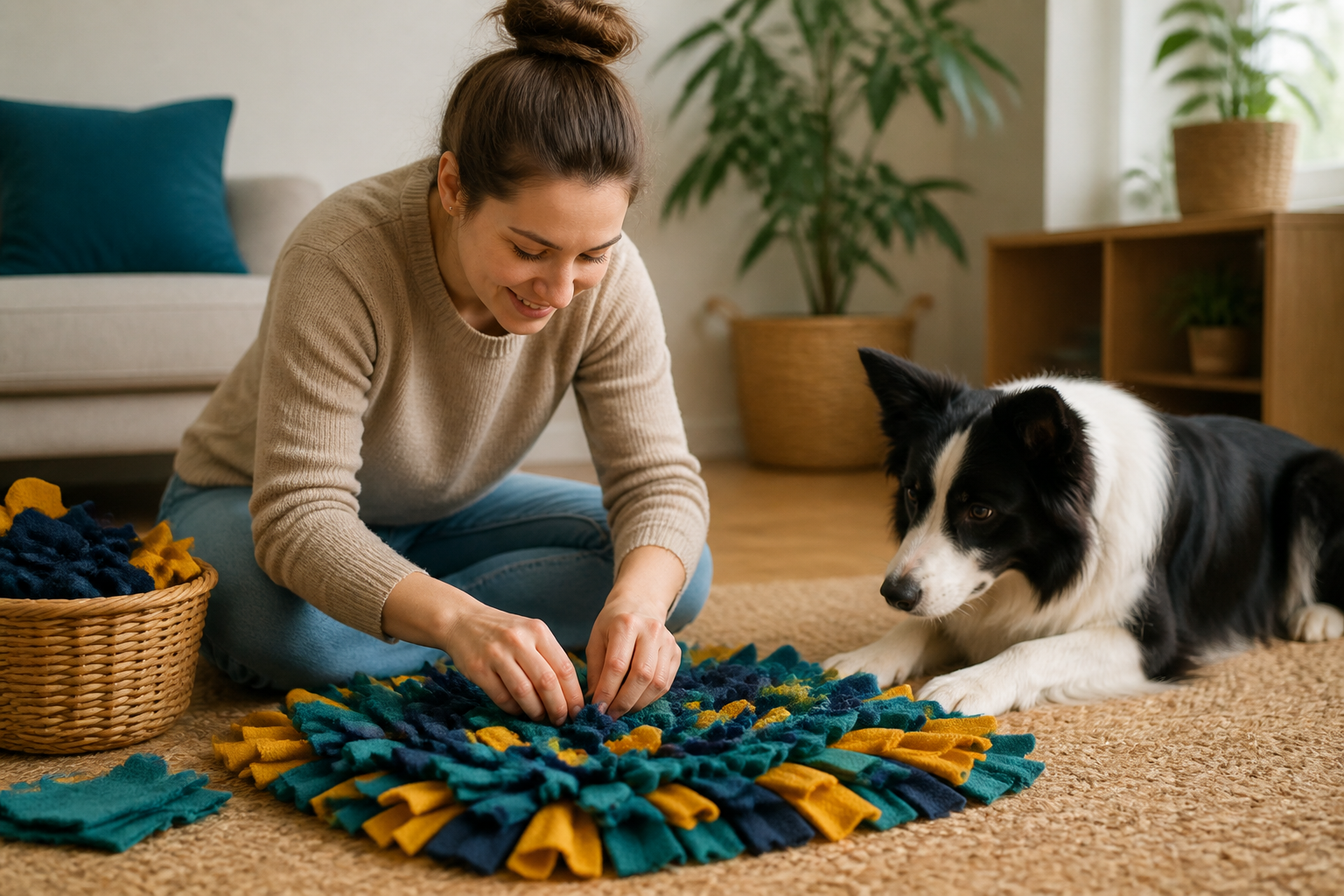
You just filled your dog's bowl, and before you can even set the scoop down, the kibble is gone. Perhaps your pup is pacing the living room on a rainy afternoon with restless energy and no way to burn it off. These common moments are when a snuffle mat becomes a lifesaver for pet parents. At BaxterBoo, we believe that mental exercise is just as important as a walk around the block. This post covers every detail of the DIY process, from choosing the right base to the final fluffing of the fabric. You can build a high quality enrichment toy with a few basic materials and about an hour of your time. Learning how to make a snuffle mat allows you to provide your dog with a healthy, rewarding outlet for their natural foraging instincts.
Quick Answer: To make a snuffle mat, you tie strips of fleece fabric through the holes of a rubber sink mat. Cut fleece into one inch by seven inch strips and tie them in simple knots until the base is densely covered.
Understanding the Power of the Sniff
Dogs experience the world primarily through their noses. While humans rely on sight, a dog has up to 300 million olfactory receptors in their nose. When a dog sniffs, it is not just a physical act. It is a cognitive process that engages their brain and provides a sense of calm. A snuffle mat mimics the experience of foraging in long grass. This activity releases dopamine and serotonin in a dog's brain, which helps them feel relaxed and satisfied.
Many owners find that ten minutes of focused sniffing can be as tiring as a long walk. This makes enrichment mats perfect for senior dogs with limited mobility or puppies who need a way to settle down. It is also an excellent tool for dogs recovering from surgery who are on restricted exercise. By giving them a mental job to do, you reduce the frustration that often leads to destructive chewing. For more ideas, explore these engaging brain games for dogs.
Key Takeaway: Sniffing is a natural self-soothing behavior for dogs that provides intense mental stimulation and reduces stress.
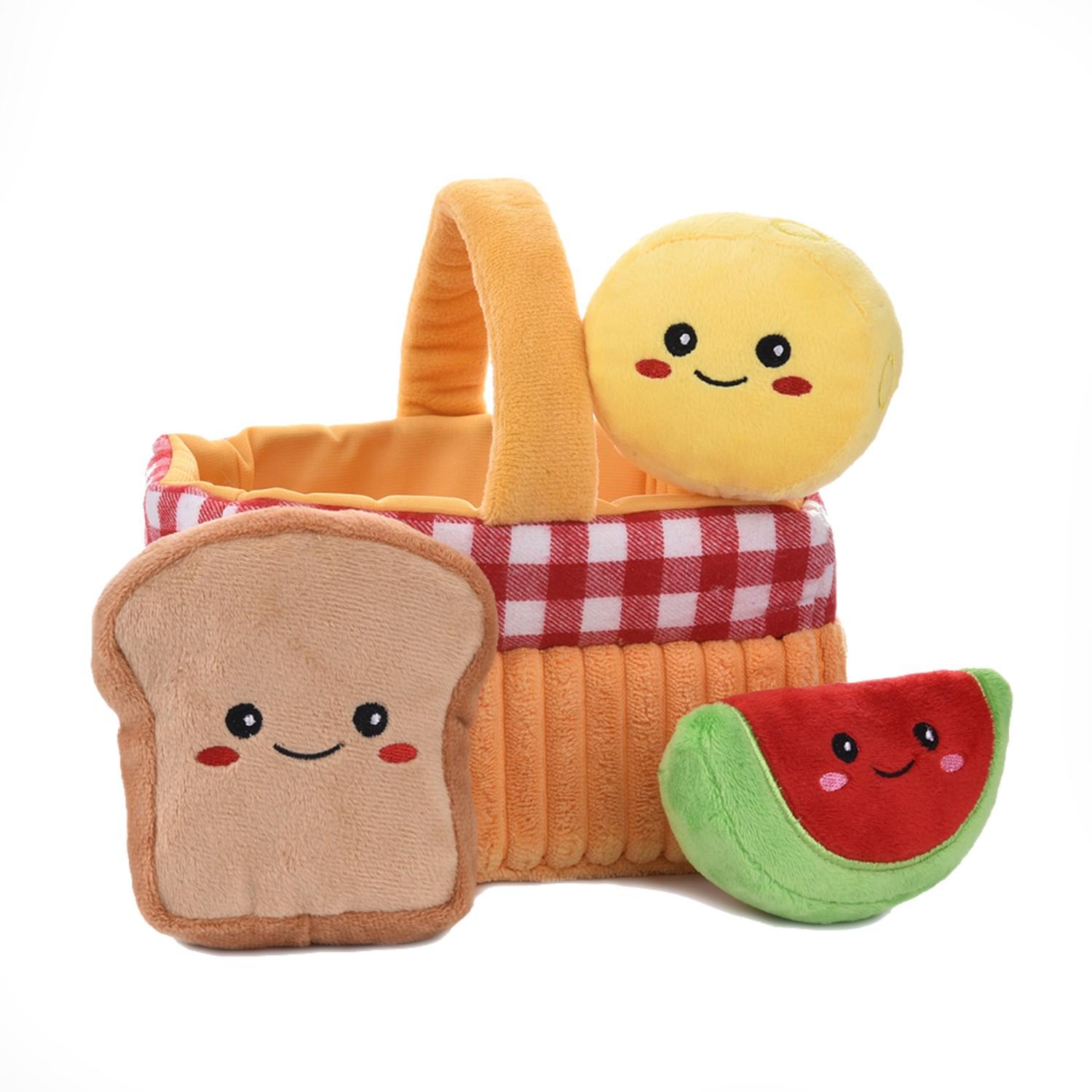
Interactive & Treat Toys for Dogs








Gathering Your DIY Supplies
One of the best things about this project is that the materials are very affordable. You do not need any special tools or advanced crafting skills. Most of these items can be found at a local hardware store or a craft shop.
- A rubber or plastic sink mat: This serves as the base. Look for one with a grid pattern or small holes. A size around 12 by 15 inches is standard, but you can go larger for big breeds.
- Fleece fabric: You will need approximately one to one and a half yards. Fleece is the best choice because it does not fray when cut and is soft on a dog's nose.
- Sharp scissors or a rotary cutter: You will be doing a lot of cutting, so ensure your tools are sharp to avoid hand fatigue.
- A ruler or measuring tape: This helps you keep your strips consistent, though precision is not strictly required.
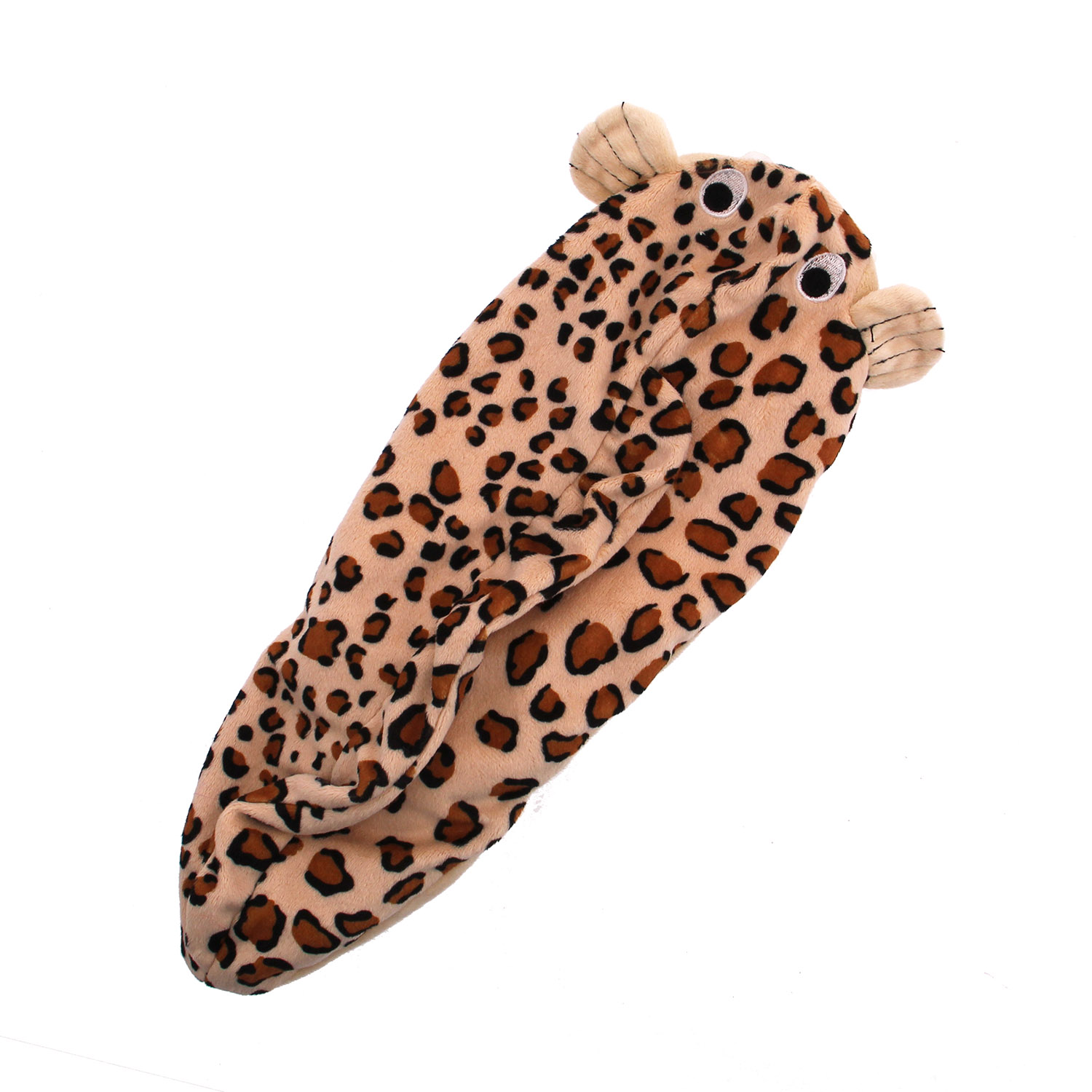
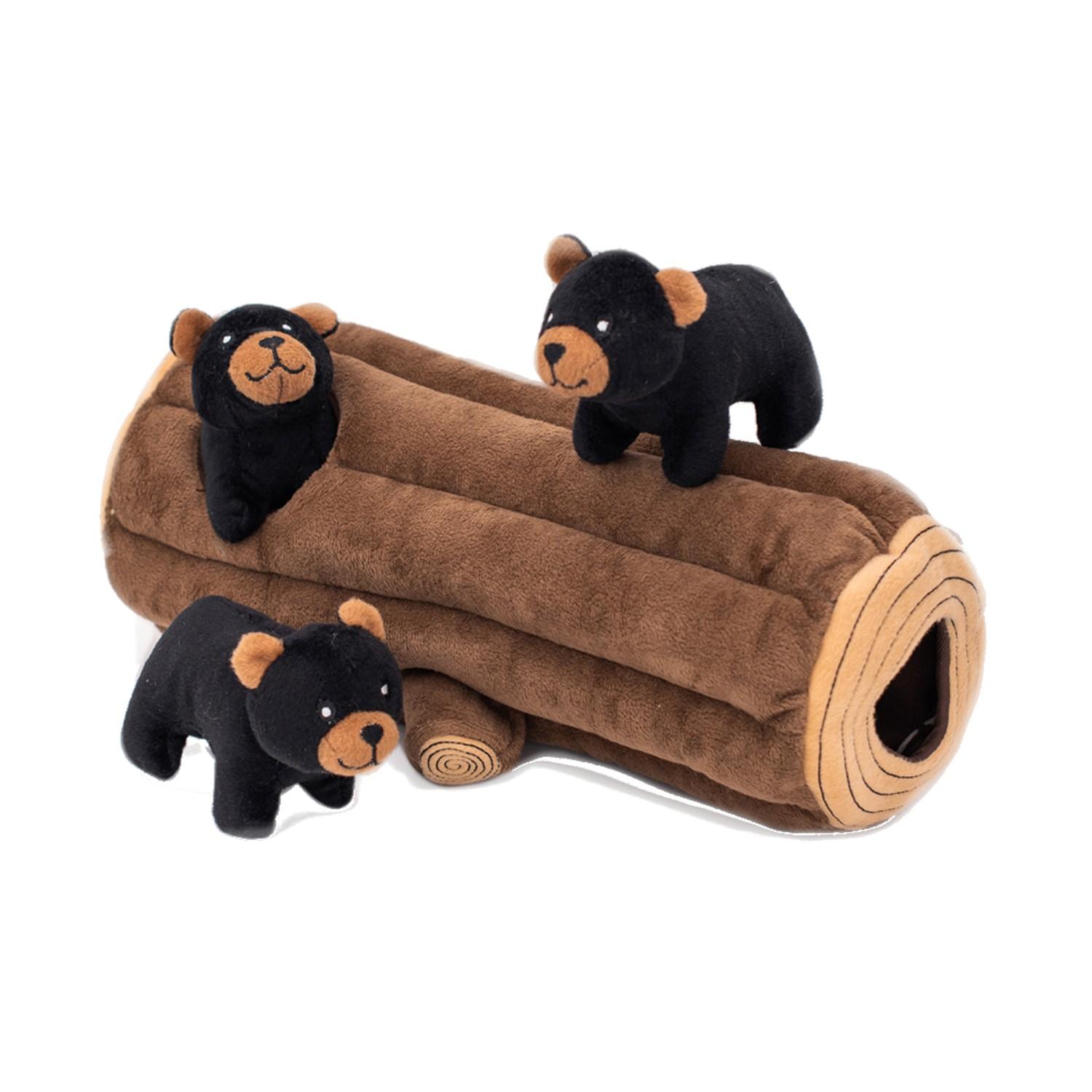
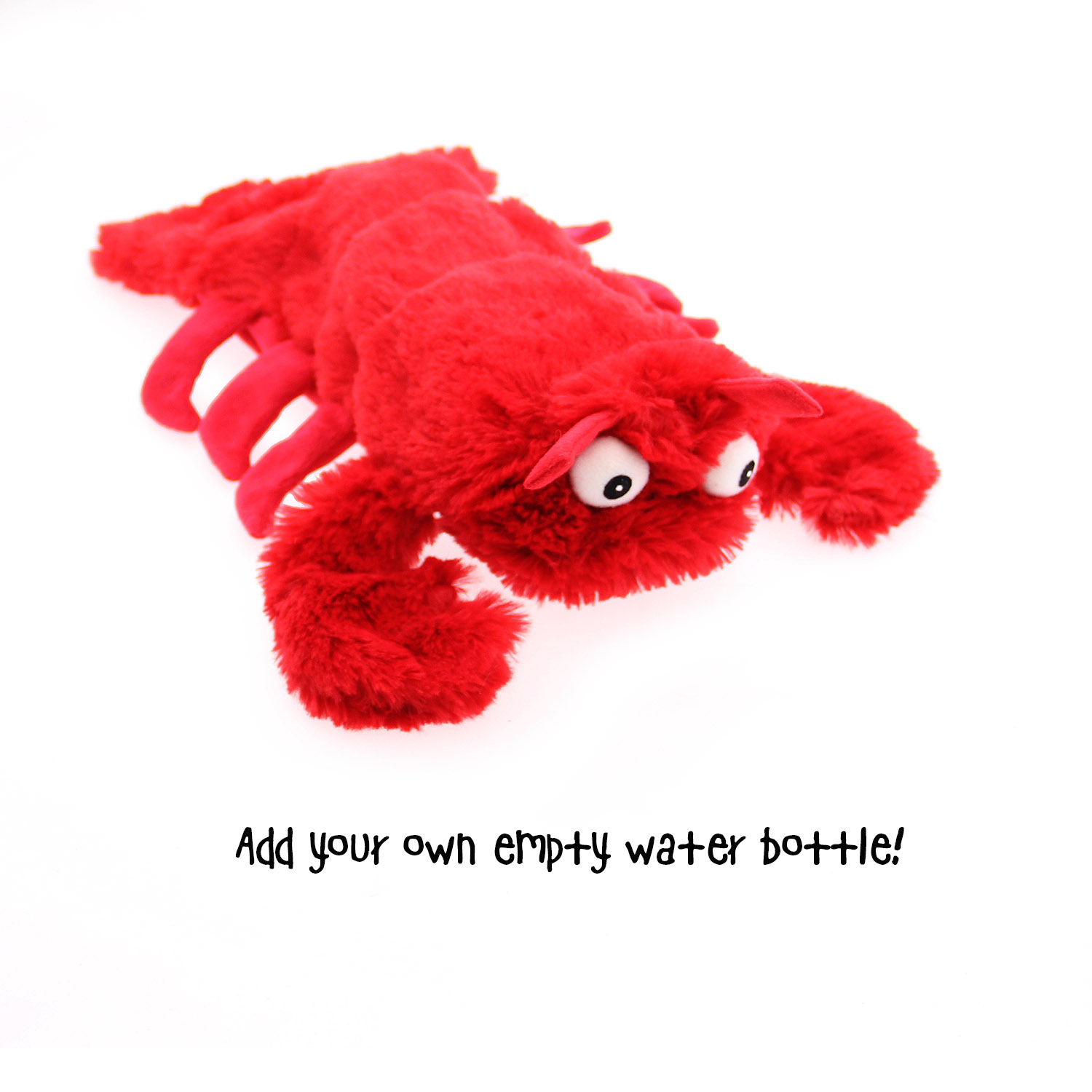
When choosing your fleece, consider the thickness. Very thick polar fleece is durable but can be harder to tie through small holes. Anti-pill fleece is a great middle ground. You can use one solid color or get creative with multiple colors to make a bright pattern. Your dog does not care about the color, but a vibrant mat can be a fun addition to your home. If you would rather buy a ready-made option, browse our interactive and treat dog toys.
Preparing the Fabric Strips
The most time consuming part of this project is cutting the fabric. You want the strips to be long enough to tie securely while leaving enough "tail" on top to hide the treats. A standard size is one inch wide by seven inches long. If you have a very small dog, you might go slightly shorter. For a large dog with a big snout, eight inch strips provide deeper hiding spots.
If you are using a rotary cutter and a self healing mat, you can stack several layers of fleece to speed up the process. If you are using scissors, just take your time. Do not worry if the edges are slightly jagged. Once the mat is assembled, those small imperfections will disappear into the texture of the fleece.
Step 1: Lay your fleece flat on a table.
Step 2: Cut the fabric into long columns that are seven inches wide.
Step 3: Cut those columns into one inch strips.
Step 4: Pile the strips in a basket so they are easy to grab as you work.
Vet Tip: If your dog has a history of eating fabric or non-food items, supervise them closely during their first few sessions. If they start to chew or pull at the strips rather than sniffing for food, remove the mat and try again later.
Assembling Your Snuffle Mat
Once your strips are cut, it is time to start tying. This is a great activity to do while watching a movie or listening to a podcast. You will be tying a lot of knots, so make sure you are sitting comfortably.
Starting the First Row
Begin at one corner of the sink mat. Take a strip of fleece and thread one end through the first hole. Thread the other end through the hole directly next to it. Both ends of the fleece should now be sticking up on the same side of the mat. Tie them once in a simple overhand knot. There is no need to double knot the fleece. The friction of the fabric against itself and the rubber mat will keep it secure.
Filling the Grid
Move to the next hole and repeat the process. Follow the row until you reach the end of the mat. Once you finish the first row, move to the second. You want the mat to be dense, so do not skip any holes. As you work, you will notice the fleece starts to stand up. This creates the "grass" that your dog will forage through.
Adding Cross Strips for Density
To make the mat truly effective, you should add a second layer of ties. Once you have filled the rows horizontally, go back and tie strips vertically. This means you will tie a strip between a hole in row one and the corresponding hole in row two. This criss-cross pattern fills in any gaps where the rubber mat might be visible. A dense mat makes the game more challenging because the treats can fall deeper into the fabric.
Introducing the Mat to Your Dog
The first time you give your dog the snuffle mat, you want them to be successful immediately. If the game is too hard, they might get frustrated and try to pick up the whole mat to shake the treats out.
Start by placing five or ten high-value treats directly on top of the fleece. Let your dog see you put them there. Use a release command like "find it" or "go work." As they eat the visible treats, they will naturally begin to sniff for any crumbs that fell down.
Once they understand the concept, you can start tucking the treats deeper into the folds. You can also use the mat for their entire meal if they eat dry kibble. This is especially helpful for "scarfers" who inhale their food in seconds. A snuffle mat can turn a thirty-second meal into a ten-minute activity. For additional indoor ideas, see 10 ways to create your own indoor enrichment.
Key Takeaway: Start with treats on the surface to build confidence, then gradually hide them deeper as your dog learns the game.
Benefits for Fast Eaters and Weight Management
If your dog struggles with weight, a snuffle mat is a fantastic tool. Slowing down the pace of eating allows the brain to register fullness, which can prevent overeating. For dogs on a strict weight loss plan, the mat provides much-needed activity without the need for high calorie treats. You can simply use their measured portion of daily kibble.
At BaxterBoo, we often talk with owners whose pets need a little extra help staying at a healthy weight. If slowing down their meals is not enough, our pharmacy offers prescription weight management diets through our partnership with Pet's Choice. These specialized formulas, combined with the mental exercise of a snuffle mat, can make a significant difference in your dog's health and longevity. You can also find more ideas in this guide to dog boredom busters and slower mealtimes.
Vet Tip: If your dog is consistently losing weight or gaining weight despite diet changes, consult your veterinarian. They can check for underlying metabolic issues and provide a specific caloric goal for your pet.
Cleaning and Maintenance
Because the mat will be covered in food particles and dog saliva, it will need regular cleaning. A dirty mat can grow bacteria or mold, so do not skip this step. The frequency of washing depends on how often it is used and whether you use oily treats or dry kibble.
The fleece and rubber materials are generally machine washable. Place the mat inside a pillowcase or a mesh laundry bag to protect your washing machine from the rubber base. Use a gentle cycle with cold water and a pet-safe, unscented detergent. Avoid fabric softeners, as the strong scents can be overwhelming for a dog's sensitive nose.
Air drying is the safest method. Hanging the mat outside or over a drying rack allows the fleece to stay fluffy. Do not put the mat in a hot dryer, as the rubber or plastic base could melt or become brittle. Once it is dry, give it a good shake to fluff up the strips, and it is ready for the next use.
- Wash every two weeks for heavy use.
- Spot clean with a damp cloth for minor messes.
- Inspect regularly for loose strips or damaged rubber.
- Replace any strips that become frayed or thin.
Troubleshooting Common Issues
Not every dog takes to a snuffle mat immediately. Some might be confused, while others might be too enthusiastic. Here is how to handle a few common scenarios.
The Dog Flips the Mat
If your dog tries to flip the mat to get the treats, it usually means the game is too hard or they are getting frustrated. Go back to the beginner level. Place the treats right on top and stay close to them. If they try to flip it, gently place your hand on the corner of the mat to keep it flat. Praise them when they use their nose instead of their paws.
The Dog Chews the Fleece
A snuffle mat is a foraging toy, not a chew toy. If your dog starts gnawing on the fabric, the session should end. Pick up the mat and put it away. This teaches the dog that the mat is only for sniffing. You might also want to ensure your dog has appropriate chew toys available at other times.
The Dog Loses Interest
If your dog walks away, the treats might not be enticing enough. Try using something with a stronger scent, like small pieces of freeze-dried liver or broken up salmon treats. We carry a wide variety of high-value treats at BaxterBoo that are perfect for nose work. Just remember to account for these extra calories in your dog's daily total. Browse our freeze-dried dog treats for options to use in small pieces.
Bottom line: Supervision and using high-value rewards are the keys to a successful enrichment session.
Advanced Snuffle Mat Games
Once your dog is a pro, you can vary the challenge to keep them engaged. You do not have to stick to the same routine every day.
- The Shell Game: Use two or three small mats and only hide food in one of them. Your dog has to find which mat contains the prize.
- The Vertical Search: If your mat is flexible, you can drape it over a low stool or a box. This changes the angle of the search and makes them work different muscles.
- Layering Scents: Hide a few very high-value treats at the very bottom and fill the rest with standard kibble. This encourages them to keep searching even after they find the easy pieces.
These variations prevent the activity from becoming a mindless habit. It keeps the "problem solving" aspect of the brain engaged, which is the whole goal of canine enrichment.
Using a Snuffle Mat for Anxiety
Enrichment toys are powerful tools for managing mild separation anxiety or noise phobias. If your dog gets nervous during thunderstorms or fireworks, a snuffle mat can provide a much-needed distraction. The act of sniffing lowers the heart rate and redirects the dog's focus away from the frightening noise. For more ideas, read about calming dog toys and scent-based activities.
If you are working on separation anxiety, try giving the mat to your dog a few minutes before you leave the house. This creates a positive association with your departure. Instead of worrying about the door closing, they are focused on a rewarding job. However, only do this if you have already supervised them enough to know they will not shred the mat while you are gone.
If your dog's anxiety is severe, a snuffle mat is a great supportive tool, but it may not be enough on its own. Our pharmacy carries FDA-approved anxiety medications through our partnership with Pet's Choice. These can be used alongside behavioral training and enrichment to help your dog feel more comfortable. Always talk to your vet about a comprehensive plan for managing pet stress.
Key Takeaway: A snuffle mat is an excellent tool for redirection during stressful events like storms or vet visits.
Is a Snuffle Mat Right for Cats?
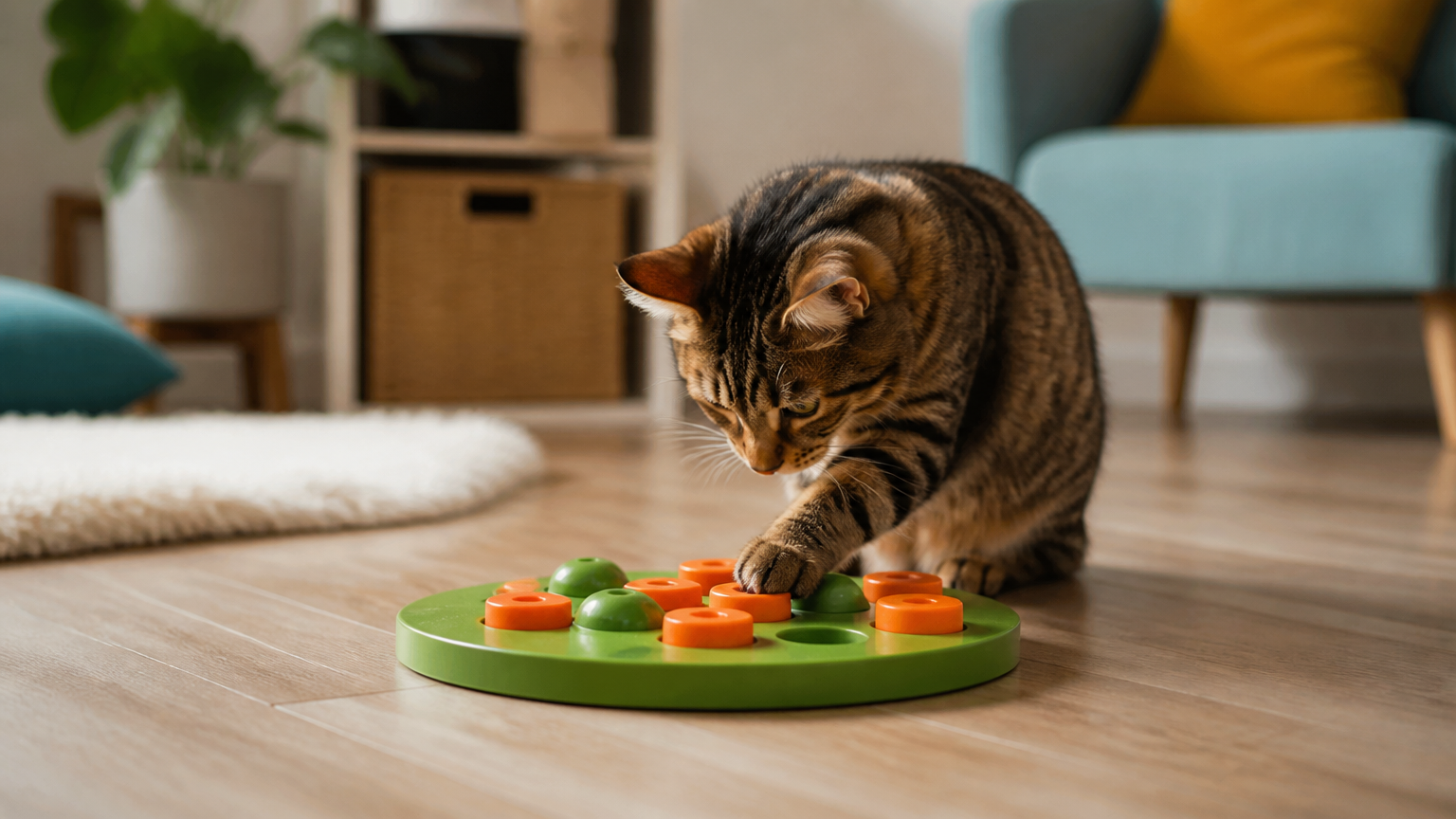
While this keyword focus is often on dogs, cats are also natural foragers. In the wild, cats spend a large portion of their day hunting and searching for food. A snuffle mat can be a great way to keep an indoor cat active.
For cats, you can use smaller strips of fabric and a smaller base. Hide pieces of dry cat food or catnip-infused treats in the folds. It can help prevent the "boredom" that often leads to cats waking up their owners in the middle of the night. If you have a multi-pet household, ensure each pet has their own mat to avoid any competition over the treats. For additional options, browse our cat treats.
Summary of the DIY Process
Building your own enrichment toy is a rewarding way to show your pet some love. It requires very little financial investment but pays off significantly in your dog's mental well-being. By following these steps, you can create a durable, washable tool that will last for years.
- Select a sturdy rubber sink mat for the base.
- Use fleece fabric to avoid fraying and ensure comfort.
- Cut strips to approximately 1x7 inches.
- Tie strips in every hole, both horizontally and vertically.
- Introduce the mat slowly with visible treats.
- Supervise every session and wash the mat regularly.
We are proud to support pet owners in their journey to provide the best possible life for their animals. Whether you are shopping for treats to hide in your new mat or looking for professional guidance on health needs, we are here to help. BaxterBoo has been serving the pet community since 2006, and we love seeing the creative ways you care for your furry family members.
Bottom line: A DIY snuffle mat is a simple, effective way to boost your dog's mental health and slow down their eating habits.
FAQ
Can I use a different fabric like cotton or felt for a snuffle mat?
Fleece is the preferred choice because it does not fray when cut into small strips, which prevents your dog from inhaling or swallowing loose threads. Cotton and other woven fabrics will unravel quickly with the friction of a dog's nose and paws. Felt can work, but it is often less durable and can be harder to wash than high-quality fleece.
How do I stop my dog from just picking up the mat and shaking it?
If your dog shakes the mat, it is usually a sign they are looking for a shortcut. Try using a heavier rubber mat as the base to make it harder to lift. You can also place the mat on a non-skid surface or inside a heavy plastic tray. If they continue to shake it, go back to the basics and reward them only when their nose stays in contact with the fabric.
Is a snuffle mat safe for puppies?
Yes, snuffle mats are great for puppies because they provide a calm way to burn energy. However, puppies are more likely to try and chew the fabric since they are in a teething phase. You must supervise puppies 100 percent of the time they are using the mat. Once they have found all the treats, take the mat away immediately so it does not become a chew toy.
How many treats should I put in the snuffle mat?
For a standard session, about a small handful of treats broken into tiny pieces is plenty. The goal is to make the dog work for the food, not to overfeed them. If you are using the mat for a full meal, simply use the amount of kibble recommended by your veterinarian for your dog's weight and activity level. Avoid using wet food or very greasy treats that will make the mat difficult to clean.


- Site & Contents BaxterBoo.com. BaxterBoo is located in the United States.
- Privacy & Security
- Terms of Use
- Accessibility Statement
