
 Save 15% on your 1st Autoship learn more

 Email us
 Live Chat
 FAQs
FAQs





Introduction
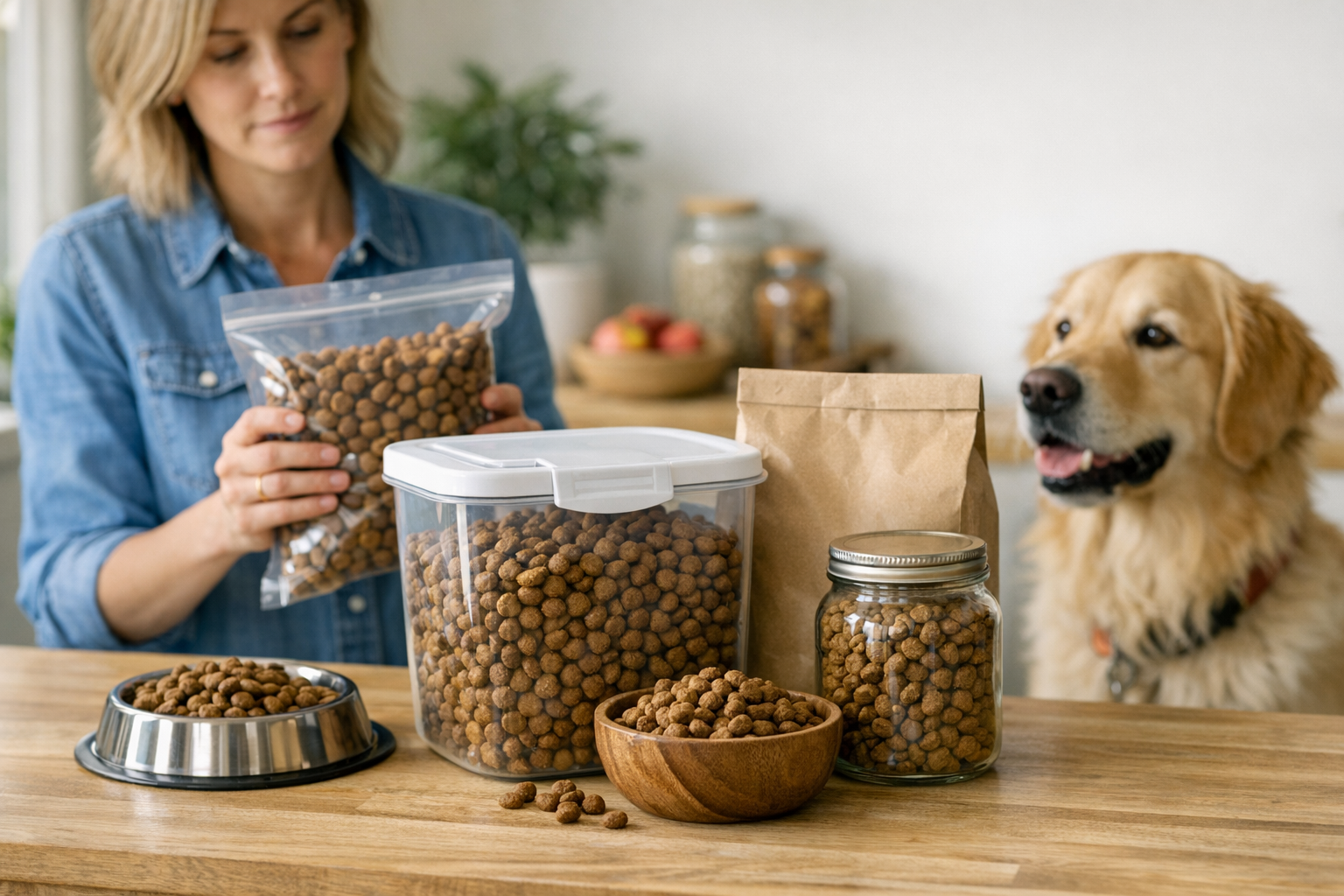
You are standing in the pantry, looking at a half-finished bag of kibble that you bought a few months ago. You wonder if the crunch is still there or if the nutrients have faded. It is a common moment for many pet owners who want to balance the value of bulk buying with the necessity of fresh nutrition. At BaxterBoo, we see this question often from parents of picky eaters and those managing sensitive stomachs. This guide covers everything from "best by" dates to the specific environmental factors that cause kibble to spoil. We will also look at the best ways to keep your dog's meals safe and nutrient-dense for as long as possible. Understanding how long dry dog food can be stored is essential for preventing digestive upset and ensuring your dog gets the vitamins they need. If you are comparing options, start with our dry dog food category.
The Difference Between Unopened and Opened Bags
The clock starts ticking at two different times for dog food. First, there is the timeframe for an unopened bag. Most manufacturers design their packaging to be a high-tech barrier against the outside world. This allows an unopened bag to stay fresh for 12 to 18 months from the date of production. You should always look for the "best by" or "use by" date printed on the bottom or back of the bag. This date is not a suggestion. It represents the point where the manufacturer can no longer guarantee the nutritional integrity or the stability of the fats in the food.
Once you break the seal, the rules change entirely. Exposure to oxygen, light, and humidity begins the process of degradation. Most experts and manufacturers recommend using a bag of dry food within four to six weeks of opening. While some high-quality kibbles with strong natural preservatives might last up to eight weeks, the six-week mark is the gold standard for safety. For a deeper breakdown, see How Long Does Dry Dog Food Stay Fresh Once Opened?.
Quick Answer: Unopened dry dog food usually lasts 12 to 18 months. Once opened, you should feed the entire bag within 6 weeks to ensure the fats have not gone rancid and the vitamins are still effective.
Why Does Dry Dog Food Go Bad?
It is easy to assume that because kibble is "dry," it is shelf-stable like a box of crackers. However, dog food is a complex mixture of proteins, carbohydrates, and vital fats. These fats, or lipids, are the first things to fail. When fats are exposed to oxygen, they undergo a process called oxidation. This creates rancidity. Rancid fats do more than just smell bad. They can cause chronic health issues if consumed over a long period. If you want a practical checklist for spoilage, our post on dry dog food storage tips for freshness is a helpful next step.
Nutrient degradation is the second major factor. Vitamins like A, E, and B-complex are sensitive to the environment. As soon as the bag opens, these nutrients begin to break down. If you feed a bag of food that has been open for three or four months, your dog might be eating the right number of calories, but they may not be getting the actual vitamins listed on the label.
Key Takeaway: Oxygen is the primary enemy of dog food. It triggers the oxidation of fats and the breakdown of essential vitamins, making the food less nutritious and potentially harmful over time.
The Original Bag Is Your Best Friend
One of the most common mistakes we see at BaxterBoo is the "dumping" method. Many owners buy a beautiful plastic or metal bin and pour the kibble directly into it. While this looks tidy, it is actually detrimental to the food. The bags that premium brands like NutriSource, Acana, or Orijen use are specifically engineered to keep out moisture and light. Many of these bags are lined with specialized materials that prevent the oils in the kibble from soaking into the packaging. If you like shopping by brand, browse our selection of Acana products.
When you pour food directly into a plastic bin, the oils from the kibble can seep into the plastic over time. These oils eventually turn rancid. Even if you wash the bin between bags, the porous nature of some plastics can retain those old, spoiled fats. This can contaminate the new, fresh batch of food immediately. For storage gear that keeps things organized, take a look at our dog food storage collection.
To store food correctly, follow these steps: Step 1: Keep the food inside its original bag. Step 2: Squeeze out as much air as possible after every feeding. Step 3: Roll the top of the bag down tightly. Step 4: Use a heavy-duty chip clip or bag sealer to keep the bag closed. Step 5: Place the entire sealed bag inside an airtight container for extra protection against pests.
Choosing the Right Storage Location
Where you put the food is just as important as how you seal it. Temperature and humidity are the two main drivers of mold and bacterial growth. Many owners store their dog food in the garage or a laundry room. This is often a mistake. Garages are subject to extreme temperature swings. High heat can cause the fats in the food to oxidize almost instantly. Laundry rooms are often humid, which can introduce moisture into the bag every time it is opened.
The ideal location is a cool, dry, and dark place. A kitchen pantry or a dedicated closet inside the climate-controlled part of your home is best. The temperature should ideally stay below 80 degrees Fahrenheit.
Vet Tip: If you notice your dog is suddenly refusing their food or having soft stools, check the storage area. High humidity can lead to microscopic mold growth that you cannot see but your dog can definitely smell and taste. Always consult your veterinarian if your dog has persistent digestive issues or refuses to eat for more than 24 hours.
Environmental Enemies of Kibble
There are four main factors that contribute to the spoilage of dry dog food. Understanding these can help you identify the best spot in your home for storage.
1. Oxygen
As discussed, oxygen causes oxidation. This is why keeping the bag tightly sealed is the single most important thing you can do. The less air that touches the kibble, the longer the fats stay stable.
2. Heat
Heat accelerates the chemical reactions that lead to spoilage. If you store food near a hot water heater, a dishwasher, or in a sunny spot by a window, the shelf life will drop significantly.
3. Moisture
Dry dog food usually has a moisture content of around 10 percent. If that rises due to a humid environment, it becomes a breeding ground for mold and bacteria like Salmonella.
4. Light
Direct sunlight can degrade certain vitamins and accelerate the heating of the bag. This is why keeping the food in a dark pantry or an opaque container is a smart move.
Signs That Your Dog Food Has Gone Bad
You should never rely solely on the date on the bag. External factors can cause food to spoil well before the "best by" date. You must use your senses to evaluate every new bag and even the food at the bottom of an old bag. If you are managing portions and bag size, how much dry food to feed a dog is worth reviewing alongside freshness.
- The Smell Test: Fresh kibble usually has a nutty, meaty, or grain-forward scent. Rancid food often smells sour, like old paint, or like "wet cardboard." If the smell makes you wrinkle your nose, do not feed it to your dog.
- The Visual Check: Look for any signs of mold, which may appear as white, green, or black fuzz. Also, look for signs of storage mites or pantry moths. These are small insects that can infest grain-based products.
- Texture Changes: If the kibble feels sticky, oily, or unusually crumbly, it may be a sign that the fats have migrated to the surface and oxidized.
- Your Dog's Reaction: Dogs have a sense of smell that is thousands of times more sensitive than ours. If your dog, who usually loves mealtime, suddenly walks away from the bowl, listen to them. They may be detecting rancidity or mold that you cannot see.
Storage for Specialized and Prescription Diets
If your dog is on a prescription diet for a health condition like kidney disease, allergies, or urinary issues, storage becomes even more critical. These foods are often formulated with specific nutrient profiles that are vital for managing your pet's health. We carry a wide range of these specialized foods through our pet pharmacy.
Prescription diets like Farmina Vet Life or Royal Canin Veterinary Diet often use specific types of fiber or fatty acids that can be more sensitive to storage conditions. If these foods spoil, you aren't just dealing with a bad smell. You are compromising the "medicine" your dog needs to stay healthy. Our pharmacy provides prescription diets and medications, and we always emphasize that proper storage is part of the treatment plan. If you are managing a chronic condition, talk to your vet about the best way to handle these sensitive foods.
Bottom line: Prescription and therapeutic diets are medical tools, and their storage should be handled with the same care you would give to medication.
Buying the Right Size Bag
It is tempting to buy the 40-pound bag of food to save money, especially if you have a small dog. However, if that bag takes you four months to finish, you are feeding stale food for more than half of that time. To find the right size, calculate how much your dog eats per day. For more budget-friendly planning, our post on discounted dog food can help you compare your options.
- A 5-pound dog might only eat half a cup of food per day. A small bag is the only safe choice.
- A 70-pound dog might eat three to four cups per day. A large bag will likely be finished within the four-week safety window.
If you want the convenience of bulk but the freshness of small bags, consider our Autoship programme. You can schedule smaller bags to arrive every three or four weeks. This ensures your dog always has a fresh supply without you having to remember to visit the store or log in to order. Plus, you get savings on your orders and a free MVP Gold membership.
The Risks of Feeding Expired or Spoiled Food
Feeding spoiled food is a gamble with your dog's health. The risks range from minor discomfort to serious illness.
Mycotoxins
Mold growth in grain-based dry food can produce mycotoxins. These are toxic compounds that can cause vomiting, tremors, and even liver failure in severe cases. This is why moisture control is so important.
Bacterial Contamination
Salmonella and E. coli can grow in dog food, especially if it has been exposed to moisture or pests. While a dog's digestive system is robust, these bacteria can still cause severe gastrointestinal distress. There is also the risk of cross-contamination to the humans in the household who handle the food.
Vitamin Deficiencies
As vitamins degrade, your dog stops getting the nutrition they need. Over time, this can lead to a dull coat, low energy, and a weakened immune system. Even if the food isn't "poisonous," it is no longer serving its purpose as a balanced diet.
Key Takeaway: Proper storage is not just about keeping the food tasty. It is a fundamental part of preventative health care for your dog.
Stock Rotation and Pantry Management
If you like to keep an extra bag of food on hand for emergencies, you must practice "first-in, first-out" inventory management. Always use the oldest bag first. When you buy a new bag, place it behind the current one.
We recommend checking the "best by" date before you even leave the store or as soon as your delivery arrives. At BaxterBoo, we maintain high turnover in our warehouse in Vernon Hills to ensure that the products we ship have the longest possible shelf life. However, it is still a good habit to check the date and mark it on your calendar. If you like to stretch value further, the MVP Rewards programme can help you earn back on qualifying purchases.
Practical Tips for Keeping Kibble Fresh
- Avoid the Scooping Mistake: If you use a scoop, make sure it is clean and completely dry before it touches the food. A damp scoop can introduce enough moisture to start mold growth in the bag.
- Wash the Bowl Daily: Saliva and leftover food particles in the bowl can go rancid or grow bacteria. Wash your dog's food bowl with hot, soapy water after every meal, just like you would your own plate.
- Do Not Mix Bags: Never pour the last few crumbs of an old bag into a new bag. This can transfer old oils and potential contaminants to the fresh food.
- Clip it Tight: Use a high-quality clip. A loose fold is not an airtight seal.
Summary of Best Practices
Maintaining the freshness of dry dog food is a simple way to protect your pet's health. By keeping the food in its original bag, sealing it tightly, and storing it in a climate-controlled pantry, you ensure the nutrients stay intact. Remember the six-week rule for opened bags and the importance of monitoring for changes in smell or appearance.
If your dog is managed on a prescription diet, our pet pharmacy and our prescription diet options offer a reliable way to get the specific nutrition your dog needs delivered right to your door. Our warehouse team and customer service experts are always here to help you choose the right brands and the right bag sizes for your household.
Bottom line: Fresh food means a healthier dog, better digestion, and more peace of mind for you as a pet parent.
FAQ
How can I tell if my dog food is rancid?
The most reliable way is the smell test. Rancid food often has a sharp, sour, or "chemical" odor that differs from its usual meaty scent. You may also notice the kibble feels unusually oily or that your dog is refusing to eat it.
Is it safe to store dog food in the garage?
It is generally not recommended because of the lack of climate control. Heat and humidity in a garage can cause the fats in dry dog food to spoil much faster than they would in a temperature-controlled pantry.
Should I pour my dog's food into a plastic bin?
It is better to keep the food in its original bag and place the entire bag inside the bin. This prevents the oils from seeping into the plastic and protects the food with the bag's specialized barrier technology.
What happens if my dog eats expired food?
In many cases, the food simply has fewer nutrients and a bad taste. However, expired or improperly stored food can also contain rancid fats, mold, or bacteria that can cause vomiting, diarrhea, or more serious long-term health issues.






