
 Save 15% on your 1st Autoship learn more

 Email us
 Live Chat
 FAQs
FAQs





Introduction
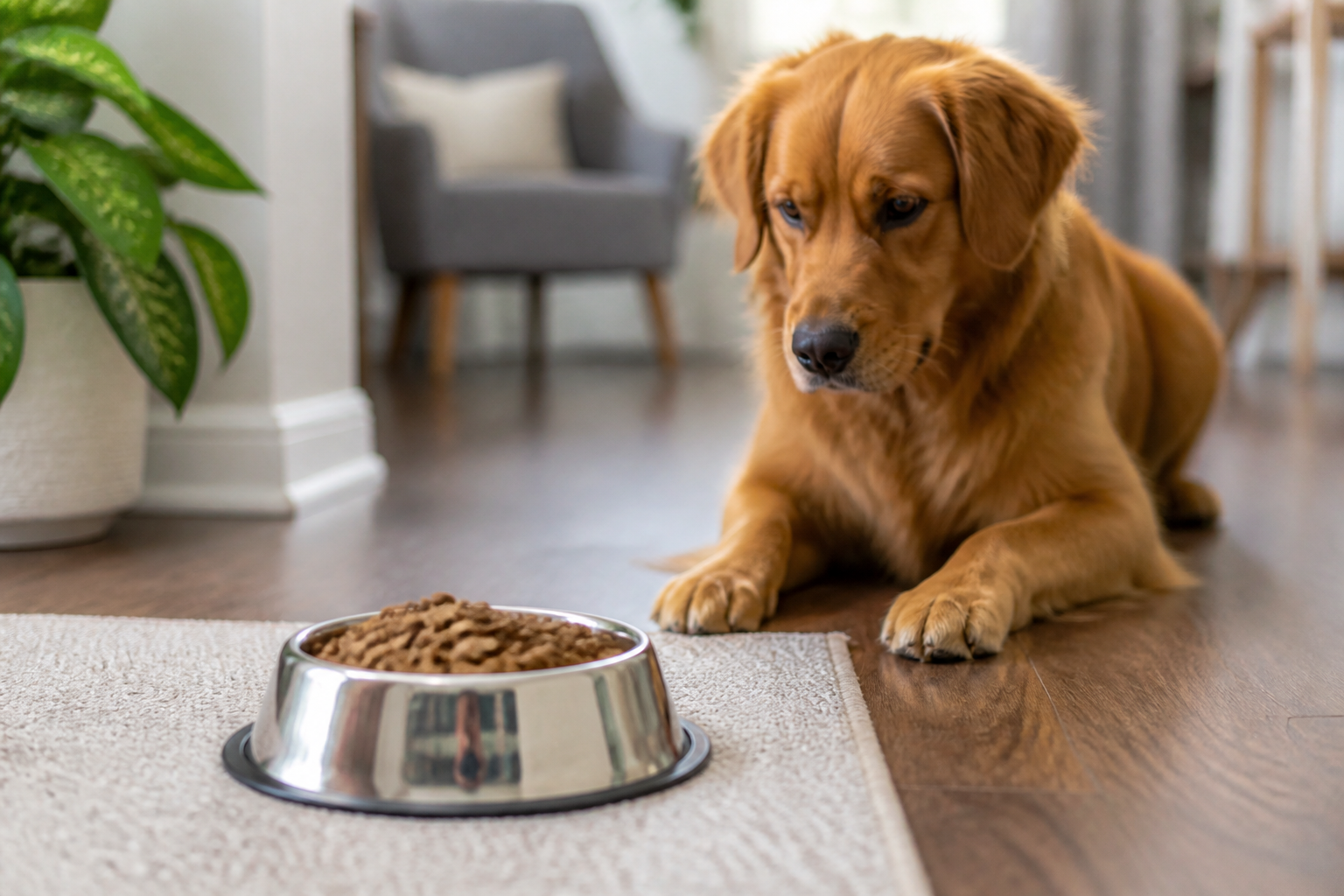
It is a common scene in many households. You scoop a fresh serving of kibble into your dog’s bowl before heading to work, but your pup only takes a few bites. By the time you return home, that same food is still sitting there. You might wonder if it is still safe to eat or if the nutritional value has vanished. At BaxterBoo, we know that keeping your pet healthy starts with the quality of what they eat every single day. This post covers exactly how long kibble stays safe in the bowl and how to store your bulk bags to prevent spoilage. Understanding the timeline for food safety helps you avoid wasting expensive supplies while keeping your dog's tummy happy. If you are comparing options, start with our dry dog food category.
The Daily Timeline for Food in the Bowl
The most common question pet owners ask is how many hours a bowl of dry food can sit out before it becomes a problem. Unlike wet food, which spoils in about two hours, dry kibble is much more stable. However, it is not invincible. Most experts and manufacturers agree that you can leave dry dog food out for up to 24 hours. After a full day, the risk of contamination from environmental bacteria and pests increases significantly. For more help spotting spoilage, see our blog post on how long dry dog food stays fresh once opened.
While 24 hours is the technical limit, the quality begins to drop much sooner. Air exposure causes the fats in the food to begin the oxidation process. This makes the food smell different and taste stale to a discerning dog. If your home is particularly warm or humid, this process happens even faster. Moisture in the air can settle on the kibble, creating a breeding ground for invisible mold or bacteria.
If your dog is a "grazer" who eats small amounts throughout the day, try to put out only what they will finish by the evening. If there is still food left when you go to bed, it is best to toss it. Starting fresh the next morning ensures your dog is getting the best flavor and the most potent nutrients.
Quick Answer: Dry dog food can safely sit in a bowl for up to 24 hours. However, for the best freshness and to avoid attracting pests, it is better to discard any uneaten kibble after 8 to 12 hours.
Why Freshness Matters for Canine Health
We often think of dry food as a "shelf-stable" product that lasts forever. In reality, kibble is a complex mixture of proteins, grains, and essential fats. Once those fats are exposed to oxygen, they begin to break down and turn rancid. You might not see a change right away, but your dog can certainly smell it. Rancid fats can lead to digestive upset or a long-term refusal to eat.
Beyond the taste, the nutritional integrity of the food declines over time. Vitamins like A and E are sensitive to light and air. If food sits out too long, your dog might be filling their stomach but missing out on the vital nutrients listed on the bag. This is especially important for dogs on specific health plans, such as those eating Farmina Vet Life or Royal Canin prescription diets.
Vet Tip: If your dog suddenly stops eating their favorite dry food, check the bag for a rancid smell or signs of moisture. Spoiled food can cause vomiting or diarrhea. If these symptoms persist, consult your veterinarian to rule out underlying health issues.
Signs That Your Dog Food Has Gone Bad
It is not always easy to tell if kibble has expired just by looking at it. Unlike a loaf of bread that shows green mold, dog food spoilage is often subtle. You have to use all your senses to check the quality of the bag.
The Smell Test
Fresh dog food should have a mild, grainy, or meaty aroma. If you open the bag or look at the bowl and smell something sour, metallic, or like "old paint," the fats have likely gone rancid. This is a clear signal that the food should be discarded immediately.
Changes in Texture
Kibble should be dry and crunchy. If the pieces feel slightly sticky, damp, or crumble too easily between your fingers, moisture has compromised the batch. Moisture is the precursor to mold, even if the mold is not yet visible to the naked eye.
Visible Mold or Pests
Any sign of white, green, or black fuzz means the entire container must go. Similarly, keep an eye out for small moths or "webbing" inside the bag. Storage mites and pantry weevils are attracted to grain-based foods. If you find insects, do not try to sift them out. The waste they leave behind can cause allergic reactions or skin irritation in some dogs. If your dog seems especially fussy around meal time, our guide to what dry dog food is best for picky eaters may help.
Your Dog's Behavior
Dogs have a sense of smell that is thousands of times more sensitive than ours. If your normally enthusiastic eater sniffs the bowl and walks away, trust their nose. They can often detect spoilage or bacterial growth long before we can.
Key Takeaway: Trust your dog's nose and your own senses. If the food smells "off," feels damp, or shows any sign of insect activity, discard it to prevent illness.
Optimal Storage for Opened Bags
The clock starts ticking the moment you break the seal on a new bag of food. Most manufacturers recommend using the entire bag within six weeks of opening. Even if the "Best By" date is a year away, that date only applies to unopened, sealed bags. To keep your food fresh for that six-week window, you need to follow a few specific steps. For a closer look at storage basics, visit our dog food storage collection.
Keep the Original Bag
One of the biggest mistakes pet owners make is pouring the kibble directly into a plastic bin. At BaxterBoo, we recommend keeping the food inside its original packaging. These bags are engineered with specialized liners designed to keep oils in and oxygen out. Plastic bins can actually leach chemicals into the food or trap old oils in the pores of the plastic. These leftover oils turn rancid and can contaminate every new batch of food you pour in.
Use an Airtight Secondary Container
The best way to store food is a "bag-in-bin" approach. Place the entire original bag into a sturdy, airtight container. This provides a double barrier against oxygen and moisture. It also prevents rodents or clever dogs from breaking into the supply.
Location is Everything
Store your dog food in a cool, dark, and dry place. A kitchen pantry is ideal. Avoid storing food in the garage or a laundry room where temperature and humidity fluctuate wildly. Heat is the primary enemy of food stability. If the food gets too warm, the chemical breakdown of the fats accelerates.
Step-by-Step: Proper Bag Resealing
Step 1: Squeeze out as much air as possible. / Roll the top of the original bag down tightly until it reaches the level of the kibble. Step 2: Secure the roll with a heavy-duty clip. / Use a large chip clip or a dedicated bag sealer to ensure the fold stays flat and tight. Step 3: Close the outer bin lid. / Ensure the gasket on your secondary container is clean and makes a full seal when closed.
The Risks of Feeding Expired or Stale Food
Feeding food that has sat out too long or has expired is not just a matter of bad taste. There are real health risks involved. Bacteria like Salmonella and E. coli can grow on food that has been exposed to moisture or contaminated by pests. While dogs have stronger stomach acids than humans, they are not immune to food poisoning.
Rancid fats are another concern. Consuming rancid oils over a long period can lead to vitamin deficiencies and may even impact the immune system. The oxidation process creates free radicals that can cause cellular damage over time. This is why paying attention to storage is a vital part of long-term wellness.
For dogs with chronic conditions or sensitive stomachs, the stakes are even higher. If your vet has prescribed a specific diet for weight management or kidney health, the nutritional balance must be perfect. Our pet pharmacy offers a wide range of FDA-approved medications and prescription diets through our partnership with Pet's Choice. If your pet requires a specialized diet, keeping those premium ingredients fresh is essential for their treatment plan.
Bottom line: Proper storage prevents the growth of harmful bacteria and preserves the nutrients your dog needs to thrive.
Common Mistakes to Avoid
Many well-meaning pet owners accidentally shorten the life of their dog's food. Avoiding these small errors can save you money and keep your pet safer.
- Topping off the bin: Never pour new food on top of old food. The crumbs and oils at the bottom of the container are the oldest. They will contaminate the fresh batch and cause it to spoil faster.
- Leaving the bag open: Even a small gap allows humidity to enter. Always clip the bag shut, even if it is inside a cupboard.
- Washing the bin with harsh chemicals: If you do use a plastic bin, wash it with mild soap and let it dry completely before putting a new bag inside. Any lingering moisture will lead to mold.
- Buying too much at once: It is tempting to buy the largest bag to save money. However, if you have a small dog, that 40-pound bag might sit open for three months. It is better to buy a size your dog can finish within six weeks.
How to Manage Picking Eaters and Food Waste
If you find yourself throwing away a lot of food because it has sat out too long, it might be time to adjust your feeding routine. Free-feeding, which is leaving food out all day, is the most common cause of waste.
Switching to scheduled feedings can help. Put the bowl down for 20 to 30 minutes. If the dog does not eat, pick the bowl up and try again at the next scheduled mealtime. This keeps the food in the airtight container longer and ensures it is fresh when the dog is actually hungry. This method also helps you monitor exactly how much your dog is eating, which is helpful for spotting early signs of illness. For portion planning, see our blog post on how much dry food to feed a dog.
If your dog only eats half their meal, you can save the remainder for the next feeding, provided you seal it in a small airtight container or a zip-top bag. Do not just leave it in the bowl on the floor.
- Check the bag's seal every day.
- Monitor the temperature of your storage area.
- Use a clean scoop every time you serve a meal.
- Replace your storage container if the gasket becomes cracked or worn.
Conclusion
Managing how long dry dog food stays out is a simple but effective way to protect your pet's health. By keeping kibble in the bowl for no more than a day and using the "bag-in-bin" storage method, you ensure every meal is as nutritious as the first. Remember to use opened bags within six weeks and stay alert for changes in smell or texture. If your dog has a sensitive stomach or requires a prescription diet, check out the options in our pharmacy. We offer a wide range of health-focused foods and medications through our partnership with Pet's Choice to support your dog through every life stage.
Key Takeaway: Freshness is the foundation of good nutrition. Keep the bag sealed, the bowl clean, and the storage area cool to give your dog the best possible care.
For more ways to keep your pet healthy and save on your favorite brands, consider signing up for our Autoship programme. You will save on your first order and receive a free MVP Gold membership, making it easier than ever to keep fresh food arriving exactly when you need it.
FAQ
Can I leave dry dog food out overnight?
Yes, leaving dry dog food out overnight is generally safe as long as the total time in the bowl does not exceed 24 hours. However, if you have issues with pests like ants or mice, it is better to pick the bowl up before you go to bed. Fresh food served in the morning is always more appealing to your dog than kibble that has been exposed to the air all night.
Does dry dog food go bad in heat?
Dry dog food spoils much faster when exposed to heat and direct sunlight. High temperatures cause the natural fats in the kibble to turn rancid, which ruins the flavor and destroys essential vitamins. Always store your pet's food in a temperature-controlled environment like a pantry rather than a garage or outdoor shed.
Can old kibble make my dog sick?
Yes, old or improperly stored kibble can lead to digestive upset, vomiting, or diarrhea. In some cases, stale food can harbor mold or harmful bacteria like Salmonella. If the food smells sour or looks damp, it is best to throw it away and consult your vet if your dog shows signs of illness.
Is it okay to mix old dog food with new dog food?
You should avoid mixing a new bag of food with the remnants of an old one in the same container. The older food has more oxidation and can "seed" the new food with rancid oils or bacteria, causing the entire batch to spoil faster. Always finish one bag, clean the storage bin, and then start the fresh bag.






