
 Save 15% on your 1st Autoship learn more

 Email us
 Live Chat
 FAQs
FAQs





Introduction
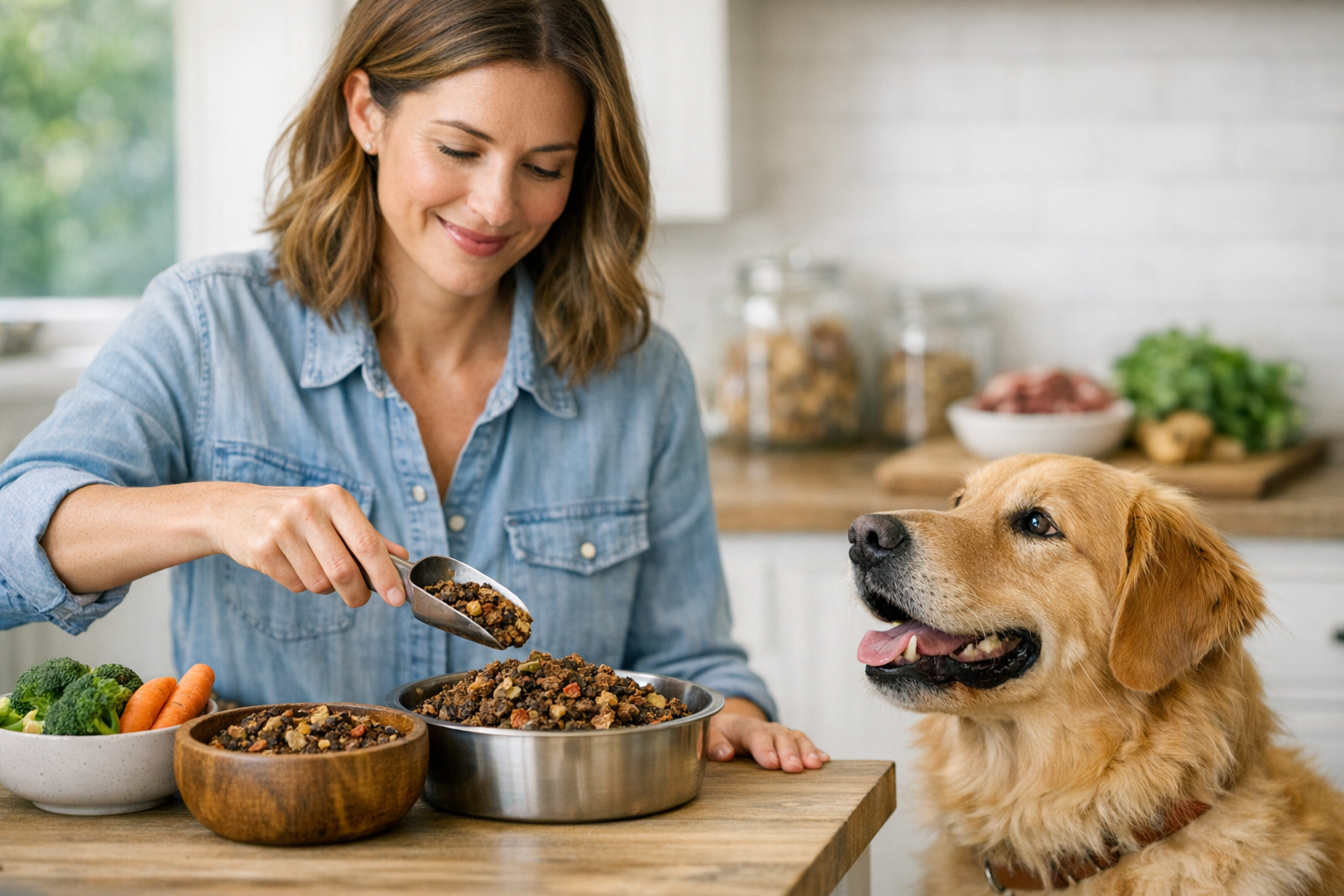
You are standing in the pet food aisle or scrolling through endless pages of options. You hold a bag of standard kibble in one hand and look at a bag of air-dried food in the other. Your dog has been a little less excited about mealtime lately. You want to upgrade their nutrition without the mess of a raw diet or the space requirements of a second freezer. We see this often at BaxterBoo, where pet owners look for that perfect middle ground between convenience and high-quality nutrition. This article covers how air-dried food is made, its nutritional benefits, and whether it fits your dog's lifestyle. Air-dried food is a growing category that offers unique perks for picky eaters and senior dogs. Knowing the facts helps you choose the best bowl for your furry companion. If you’re ready to shop, start with our air-dried dog food collection.
Quick Answer: Air-dried dog food is an excellent, nutrient-dense option that offers the benefits of raw nutrition with the convenience of shelf-stable kibble. It is highly digestible and appeals to picky eaters, though it is more calorie-dense and expensive than traditional dry food.
What Exactly Is Air-Dried Dog Food?
Air-dried dog food is a category of pet nutrition that uses a "low and slow" approach to preparation. Unlike traditional kibble, which is cooked at very high temperatures and pressures through a process called extrusion, air-dried food is gently dried. Manufacturers place raw ingredients like meat, organs, and vegetables into drying chambers. Warm air circulates around the food for several hours. This process slowly evaporates the moisture while leaving the nutritional integrity of the ingredients mostly intact.
The result is a food that has a jerky-like texture. It is often softer and more pliable than hard kibble but not as wet as canned food. Because the heat used is relatively low, the natural enzymes and vitamins in the meat do not break down as much as they do in standard processing. Most air-dried recipes are formulated to be complete and balanced. This means they meet the standards set by the Association of American Feed Control Officials (AAFCO) for a specific life stage.
How the Process Differs From Other Methods
It is easy to confuse air-dried food with other types of alternative diets. You might see freeze-dried, dehydrated, and air-dried foods sitting next to each other on the shelf. While they all aim for high nutrition, the physics behind them are different. If you want to compare methods, take a look at our freeze-dried pet food hub.
Freeze-dried food involves freezing the raw ingredients and then placing them in a vacuum. The moisture turns from ice directly into vapor. This leaves the food very light and usually requires you to add water before serving. Dehydrated food uses a similar air-circulating method but often involves slightly higher temperatures than air-drying. Many dehydrated foods also require rehydration.
Air-dried food is unique because it is ready to serve straight out of the bag. You do not need to add water unless you want to change the texture for a senior dog. It feels more like a treat than a traditional meal. This makes it a popular choice for pet owners who travel or who want a high-value topper for their dog's current meals.
The Main Benefits of Air-Dried Nutrition
The primary reason pet owners switch to this format is the nutritional payoff. When food is cooked at high heat, certain amino acids and vitamins can be damaged. Manufacturers often have to add synthetic vitamins back into kibble to replace what was lost. Air-drying preserves more of the natural nutrients found in the raw meat.
High Digestibility
Because the proteins are not heavily processed or "denatured" by extreme heat, they are often easier for a dog's body to break down. This can lead to smaller, firmer stools and better nutrient absorption. For dogs with sensitive stomachs, a minimally processed protein source can be a relief. For portion planning, our post on how much dry food to feed a dog is a helpful companion read.
Palatability for Picky Eaters
Dogs navigate the world through their noses. Air-dried food retains a strong, meaty aroma that most dogs find irresistible. If you have a dog that turns their nose up at standard kibble, the jerky-like texture and rich smell of air-dried food often win them over. It can be used as a full meal or mixed in as a topper to encourage eating.
Convenience and Safety
Many owners like the idea of a raw diet but worry about the risk of pathogens like Salmonella or E. coli. Air-drying reduces these risks because the consistent application of warm air helps eliminate harmful bacteria. It also offers the shelf-stability of kibble. You do not need to worry about thawing meat or cleaning up raw juices on your kitchen counters.
Key Takeaway: Air-dried food provides the nutritional density of a raw diet with the safety and shelf-stable convenience of traditional kibble.
Potential Downsides to Consider
No dog food is perfect for every single situation. While air-dried food is high in quality, there are a few factors you should weigh before making the switch.
Calorie Density
Because the moisture has been removed, the nutrients and calories are very concentrated. A small scoop of air-dried food can contain significantly more calories than a scoop of kibble the same size. It is very easy to overfeed your dog if you are not careful with measuring. This can lead to unwanted weight gain, especially in less active pets. If you are trying to manage food costs, our guide to discounted dog food may help.
Lower Moisture Content
Dogs that eat air-dried food are not getting much hydration from their meals. Fresh or canned foods are about 70 percent to 80 percent water, while air-dried food is much lower. If your dog does not drink much water on their own, you may need to add some warm water or bone broth to their bowl to ensure they stay hydrated.
Cost
The process of air-drying takes longer and requires higher-quality starting ingredients. This is reflected in the price. Air-dried food is generally more expensive per pound than kibble. However, because it is so nutrient-dense, you often feed smaller portions. At BaxterBoo, we recommend checking the feeding guidelines on the bag to see how long a bag will actually last for your dog's weight.
Vet Tip: Always use a standard measuring cup and follow the feeding guidelines on the packaging. Because air-dried food is so concentrated, even an extra tablespoon per meal can lead to obesity over time. If your dog has a history of kidney issues or stones, talk to your vet about their hydration needs before moving to a dry diet.
Is Air-Dried Food Good for All Life Stages?
Most premium air-dried brands, such as Ziwi Peak or Redbarn, offer formulas for all life stages. However, you must check the bag for the AAFCO statement.
For Puppies
Puppies need a specific balance of calcium and phosphorus for healthy bone growth. This is especially true for large-breed puppies. If an air-dried food is labeled "for maintenance," it is only for adult dogs. Ensure the bag specifically mentions it is for "growth" or "all life stages" if you are feeding a puppy.
For Seniors
Senior dogs often suffer from dental issues or lost teeth. The softer, jerky-like texture of air-dried food is much easier for them to chew than hard, crunchy kibble. The high protein content also helps maintain muscle mass as they age. If the pieces are still too firm, you can easily soften them with a bit of warm water. You can also browse our senior dog food collection for more age-specific options.
Comparing Brands and Ingredients
When shopping for air-dried options, the ingredient list is your best friend. The first few ingredients should be recognizable animal proteins like beef, lamb, or mackerel. Look for brands that include organ meats like heart, liver, and lung. These are nature's multivitamins and provide essential nutrients like taurine and vitamin A. If you’re comparing standout names, see our selection of Ziwi Peak products.
Common ingredients to look for:
- Named animal proteins (chicken, beef, salmon)
- Organ meats (liver, kidney, tripe)
- Green-lipped mussels (for joint support)
- Kelp or other natural mineral sources
- Functional fibers like pumpkin or chicory root
Avoid foods that use vague terms like "meat meal" or "animal fat." You want to see specific sources. High-quality air-dried foods usually avoid fillers like corn, wheat, or soy because the goal is a meat-forward, ancestral-style diet.
How to Transition Your Dog to Air-Dried Food
You should never switch your dog's food overnight. Their digestive systems need time to adjust to the new protein levels and different processing. This is especially true when moving from a high-carb kibble to a high-protein air-dried diet. If your dog is especially sensitive, our sensitive skin dog food recommendations post is a useful follow-up.
Step 1: Start with a small ratio. / Mix about 25 percent air-dried food with 75 percent of their old food for two to three days.
Step 2: Watch for digestive changes. / Monitor their stool. If it stays firm, move to a 50/50 mix for another three days.
Step 3: Increase the new food. / Shift to 75 percent air-dried food and 25 percent old food.
Step 4: Complete the switch. / If your dog is doing well after 7 to 10 days, you can serve 100 percent air-dried food.
Bottom line: A slow transition over 10 days helps prevent stomach upset and allows your dog's gut microbiome to adapt to the nutrient-dense nature of air-dried food.
Managing Health Conditions and Special Diets
If your dog has a chronic health condition, their diet is part of their medical management. Dogs with kidney disease, heart conditions, or severe food allergies may require specific levels of minerals or hydrolyzed proteins. While air-dried food is high in quality, it may not always meet the strict requirements of a therapeutic diet.
Through our pharmacy, BaxterBoo offers a range of prescription pet foods. These include diets from brands like Farmina Vet Life and Royal Canin that are specifically formulated for conditions like urinary stones or weight management. If your veterinarian has prescribed a specific diet, it is important to stick to that plan. You can often use air-dried pieces as a tiny treat or "pill pocket" to make medication time easier, but always clear this with your vet first.
Air-Dried Food as a Topper or Treat
You do not have to feed air-dried food as a full meal to see the benefits. Many pet owners use it as a topper to enhance a high-quality kibble. This is a great way to improve the nutritional profile of your dog's bowl without significantly increasing your monthly budget.
Using it as a training treat is another popular option. Because it is real meat and has a strong scent, dogs will often work harder for air-dried pieces than they will for standard biscuits. Since the pieces are usually small or easy to break, they are perfect for repetitive training sessions.
Storage and Shelf Life
One of the biggest advantages of air-dried food is that it does not require refrigeration. However, it is not indestructible. Once you open the bag, the clock starts ticking.
Most brands recommend using the bag within four to eight weeks of opening. To keep it fresh, keep the bag tightly sealed. Store it in a cool, dry place. Avoid keeping it in a garage or a damp basement, as moisture can cause the food to spoil or mold. If the bag does not have a high-quality seal, you can move the food into an airtight container. For more storage tips, read Does Dry Dog Food Go Bad? Expert Storage Tips for Freshness and shop our dog food storage collection.
Cost-Saving Strategies for Premium Food
We know that feeding a high-protein, air-dried diet is an investment in your dog's long-term health. To help manage the cost, we offer several programs to our customers. Our MVP Rewards programme allows you to earn points on every purchase, which can be used for discounts on future bags.
Additionally, using our Autoship programme can save you money on your first order and ensure you never run out of food. It also grants you a free MVP Gold membership. For brands like NutriSource or PureVita, our Frequent Buyer Program helps you earn free products over time. These programs make it much easier to provide premium nutrition like air-dried food on a consistent budget.
Key Takeaway: Using loyalty programs and recurring deliveries can help offset the higher price point of premium air-dried dog food.
Is It the Right Choice for Your Household?
The decision to switch to air-dried food often comes down to your dog's specific needs and your lifestyle. If you have a highly active dog, a senior with a picky appetite, or you simply want to avoid the processing of kibble, it is a fantastic choice. If you have a dog that struggles with weight or drinks very little water, you will need to be more diligent about portion control and hydration.
Ultimately, the best food is the one that your dog thrives on and that you can afford to feed consistently. Air-dried food offers a bridge between raw and dry, giving you the best of both worlds. It simplifies your routine while maximizing the nutrients in your dog's bowl. If you’re ready for more options, explore our dog food collection.
Summary of Air-Dried Dog Food
- Nutrient retention is high due to low-heat processing.
- The jerky-like texture is excellent for senior dogs and picky eaters.
- It is more calorie-dense than kibble, requiring careful portioning.
- Shelf-stable and convenient for travel or as a topper.
- Safer than raw food due to the elimination of pathogens during drying.
Bottom line: Air-dried dog food is a premium, versatile option that can improve the health and mealtime excitement of almost any dog when fed correctly.
FAQ
Does air-dried dog food need to be refrigerated?
No, air-dried dog food is shelf-stable and can be stored at room temperature in a cool, dry place. The drying process removes enough moisture to prevent spoilage without the need for a fridge or freezer. Just make sure to keep the bag tightly sealed to maintain freshness and prevent the food from becoming too hard.
Can I mix air-dried food with regular kibble?
Yes, many pet owners use air-dried food as a "topper" or "booster" mixed with their dog's standard kibble. This is an excellent way to add high-quality animal protein and natural enzymes to their diet without the cost of a 100 percent air-dried meal. Always remember to adjust the total calories so you are not overfeeding your dog.
Is air-dried dog food the same as jerky treats?
While the texture is similar to jerky, air-dried dog food is a "complete and balanced" meal, whereas jerky treats are not. Jerky treats lack the necessary vitamins, minerals, and taurine required for a dog's daily health. You can use air-dried food as a treat, but you should not use standard dog treats as a meal replacement.
Do I need to add water to air-dried dog food?
You do not have to add water because air-dried food is designed to be fed as-is. However, adding a bit of warm water or bone broth can be beneficial for senior dogs with dental pain or for dogs that do not drink enough water throughout the day. Rehydrating the food can also help release more of the meaty aroma for picky eaters.






