Save 15% on your 1st Autoship learn more

 Email us
 Live Chat
 FAQs
FAQs





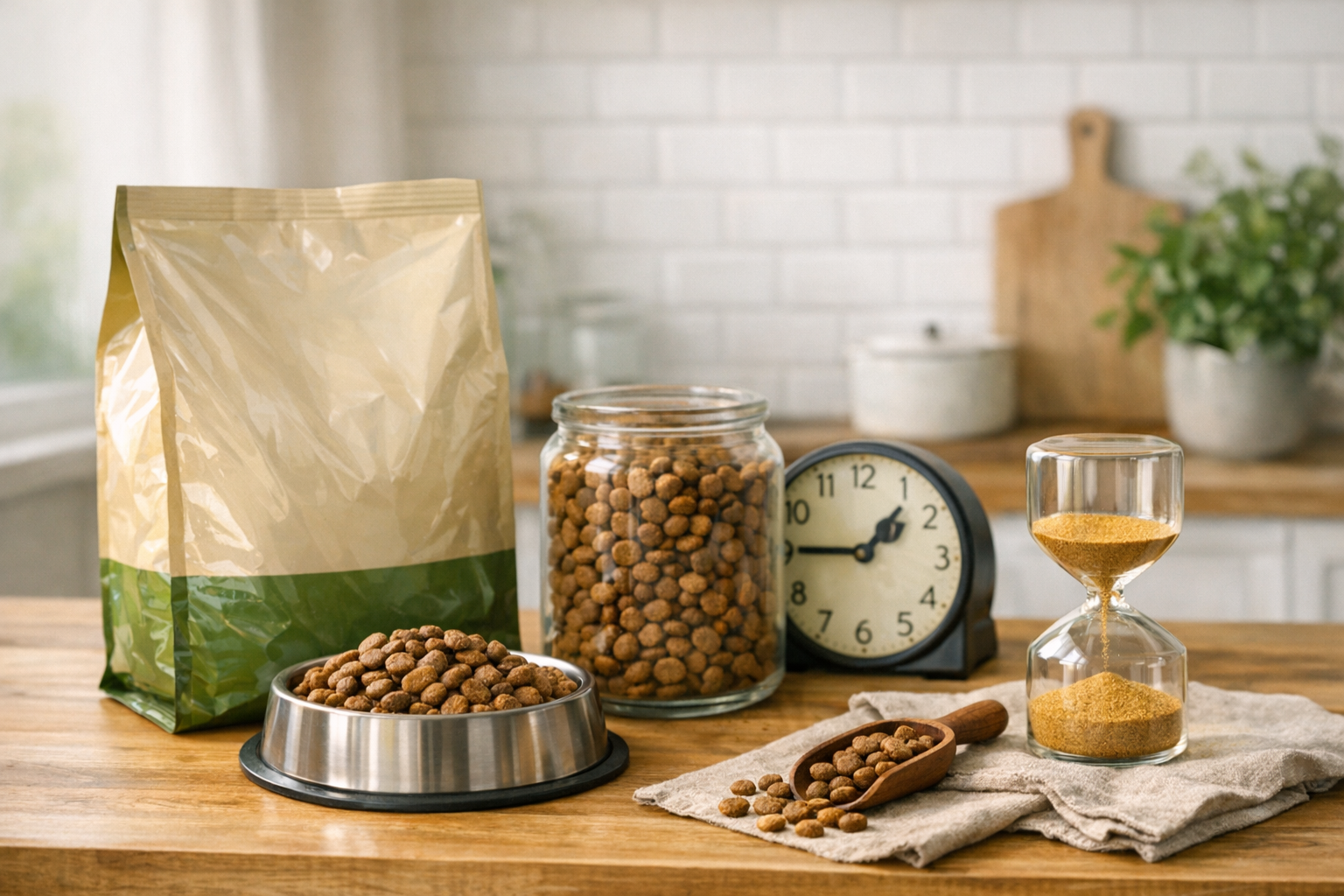
Introduction
You might find yourself staring at a forgotten bag of kibble in the back of your pantry and wondering if it is still safe for your dog to eat. Perhaps you found a great deal on a bulk purchase and want to know how long you can store those extra bags before the quality starts to dip. At BaxterBoo, we know that your dog's nutrition is your top priority. Understanding the shelf life of unopened dry dog food is about more than just avoiding a stale meal. It is about ensuring your pet gets the full nutritional value of every bite. This guide explains how long unopened bags remain fresh, what happens to the ingredients over time, and how you can store your supplies to maximize their life. If you are comparing options, start with our dry dog food category.
Quick Answer: Unopened dry dog food generally lasts between 12 and 18 months from the date of manufacture. However, its actual shelf life depends heavily on the storage environment and the specific preservatives used in the recipe.
Understanding the Manufacture Date and Best By Date
Every bag of dry dog food comes with a date stamp. This is usually called a Best By or Use By date. It is important to remember that this date is not a hard expiration like you might find on a gallon of milk. Instead, it represents the manufacturer's estimate of how long the food will maintain its peak nutritional profile and flavor.
Most commercial kibble brands, including those we carry like our selection of NutriSource products, have an unopened shelf life of about one to one and a half years. This timeline starts from the day the food was produced at the factory. If you buy a bag today, it might already be several months into that window.
Why the Date Matters for Nutrition
The vitamins and minerals added to dog food are not permanent. Over time, these nutrients begin to break down. This process is called degradation. If you feed your dog food that is long past its date, they might not be getting the levels of Vitamin E or B vitamins listed on the label. For a healthy adult dog, a slightly older bag might just be less tasty. For puppies or senior dogs with specific health needs, those missing nutrients are much more important.
Key Takeaway: The Best By date is a guide for nutritional potency and flavor rather than a strict safety cutoff for unopened bags.
The Role of Preservatives in Shelf Life
How long a bag lasts depends largely on how it is preserved. Pet food manufacturers use two main types of preservatives: synthetic and natural.
Synthetic Preservatives
Common synthetic preservatives include BHA, BHT, and ethoxyquin. These are very effective at preventing fats from turning rancid. Bags using these ingredients often have a longer shelf life, sometimes stretching toward the 24-month mark. While they are effective, many pet owners prefer to avoid them in favor of more natural options.
Natural Preservatives
Many premium brands we stock at BaxterBoo use natural preservatives. These include tocopherols (forms of Vitamin E), rosemary extract, and citric acid. Natural preservatives are excellent for your dog’s health, but they do not last as long as synthetic ones. If your dog's food is preserved naturally, you should be more diligent about checking those Best By dates and using the food within the recommended 12 to 18 months.
If you prefer other premium recipes, browse our selection of Acana products or our selection of Orijen products.
| Preservative Type | Common Ingredients | Estimated Unopened Shelf Life |
|---|---|---|
| Synthetic | BHA, BHT, Ethoxyquin | 18 to 24 months |
| Natural | Tocopherols, Rosemary, Citric Acid | 12 to 18 months |
Factors That Shorten Unopened Shelf Life
Even if a bag is sealed, it is not completely immune to its environment. Several external factors can cause the food inside to spoil before the date on the bag.
Heat and Temperature Fluctuations
Heat is the primary enemy of pet food. High temperatures accelerate the oxidation of fats. When fats oxidize, they become rancid. This creates a sour smell and can cause digestive upset. You should always store unopened bags in a cool environment. A garage that reaches 90 degrees in the summer is not a suitable storage spot. Ideally, keep the food in a room that stays below 80 degrees.
Humidity and Moisture
Dry dog food typically has a moisture content of around 10 percent. If the storage area is humid, moisture can occasionally seep through the packaging material over long periods. This can lead to mold growth inside a sealed bag. This is especially true if the bag suffers a tiny puncture or tear that you cannot see.
Light Exposure
While most dog food bags are opaque, some have clear windows or are made of thinner materials. Direct sunlight can heat the bag and damage the integrity of the vitamins. Always keep your back-stock in a dark pantry or a closet.
Vet Tip: If your dog has a chronic health condition or is on a prescription diet, the shelf life is even more critical. Prescription foods available through our pharmacy are formulated with precise nutrient ratios that must remain stable to manage your pet's health effectively.
The Difference Between Opened and Unopened Bags
It is easy to confuse the two, but the rules change completely the moment you break the seal. Once air hits the kibble, the clock starts ticking much faster.
- Unopened: 12 to 18 months in a cool, dry place.
- Opened: 4 to 6 weeks is the ideal window for freshness.
Even if the Best By date is a year away, an opened bag will not stay fresh for a year. Oxidation happens rapidly once the protective seal is gone. If you have a small dog but prefer buying large bags to save money, make sure you can finish that bag within about six weeks. If not, it is better to buy smaller bags more frequently.
For an easy way to keep your household stocked, try our Autoship programme.
Is It Safe to Feed Expired Unopened Food?
Many owners wonder if they can push the limit by a month or two. Generally, if the bag is unopened, stored in a cool place, and is only a few weeks past the date, it is likely safe but less nutritious. However, there are real risks to consider if the food is significantly past its prime.
Rancid Fats
Rancidity is the most common issue. While it might not always make a dog immediately sick, consuming rancid fats over time can lead to inflammation and Vitamin E deficiency. If you open a bag and it smells like old paint or sour oil, throw it away.
Mycotoxins and Mold
If moisture has entered the bag, mold can grow. Some molds produce mycotoxins, which are highly toxic to dogs. Unlike the green mold you see on bread, these can be hard to spot in dark kibble. If the bag feels heavy, damp, or the kibble is clumped together, do not feed it to your dog.
Bacterial Growth
While dry food is processed at high temperatures to kill bacteria like Salmonella, improper storage of an old bag can allow for new bacterial growth if the seal is compromised.
Bottom line: While you might save money by using old food, the potential for a vet visit due to digestive upset or nutrient deficiency makes it a poor trade-off.
Optimal Storage Strategies for Unopened Bags
To ensure your dog's food lasts as long as the manufacturer intended, follow these storage steps. These practices help maintain the quality of the food from the day you bring it home from our warehouse or receive your delivery.
Step 1: Inspect the bag upon arrival.
Look for any small tears, punctures, or grease spots. A grease spot on the outside of the bag often means the internal fats are already breaking down and seeping through.
Step 2: Keep it off the floor.
Storing bags directly on a concrete floor can lead to temperature transfers and moisture wicking. Use a pallet, a shelf, or a dedicated storage bin.
Step 3: Use the original packaging.
Dog food bags are high-tech. They are often made of multiple layers designed to keep out oxygen and moisture. Even if you use a plastic storage bin, it is best to place the entire bag inside the bin rather than pouring the kibble out.
Step 4: Rotate your stock.
If you use our Autoship programme to stay stocked up, always use the oldest bag first. This is called the First-In, First-Out (FIFO) method. It ensures no bag sits in the back of the pantry for too long.
For storage gear that helps, browse our dog food storage collection.
Key Takeaway: Proper storage involves controlling temperature and humidity while keeping the food in its original, engineered packaging.
Signs Your Unopened Dog Food Has Gone Bad
Before you pour that old bag into your dog's bowl, perform a quick check. Even if the bag was sealed, things can go wrong.
- The Sniff Test: Fresh kibble should smell like grain or meat. If it smells sour, metallic, or like "old" crackers, the fats have likely gone rancid.
- Visual Inspection: Look for any signs of grain mites or weevils. These tiny pests can sometimes find their way into even sealed bags if they are stored near other grain products.
- The Texture Test: Kibble should be dry and crunchy. If it feels soft, gummy, or oily to the touch, moisture or heat has compromised the batch.
- Your Dog's Reaction: Dogs have a much better sense of smell than we do. If your dog usually loves their food but suddenly refuses to eat a new bag, trust their nose. They can often smell rancidity before we can.
If you want more freshness guidance, read Does Dry Dog Food Go Bad? Expert Storage Tips for Freshness.
How to Manage Your Food Supply
Managing your dog's food supply effectively prevents waste and ensures freshness. At BaxterBoo, we recommend a few simple habits to keep your pantry organized.
Buy for Your Dog's Size
It is tempting to buy the 40-pound bag because the price per pound is lower. However, if you have a ten-pound terrier, that bag will sit in your house for months. Calculate how much your dog eats daily. Aim to buy a bag size that matches their needs for about four to six weeks of feeding once opened.
Check Dates at Purchase
When shopping, always check the Best By date. If you are buying multiple bags to stock up, ensure the dates provide enough of a window for your dog to finish all of them.
Use Airtight Secondary Storage
If you live in a particularly humid or warm climate, a secondary airtight container is a great investment. We carry various storage solutions designed to create a vacuum seal. These protect against pests and environmental shifts.
If you are comparing freshness timelines, How Long Is Dry Dog Food Good for After Opening? is a helpful next read.
Bottom line: Matching your purchase volume to your dog's actual consumption is the best way to ensure every meal is fresh.
Summary of Storage Recommendations
Following these guidelines will help you avoid the frustration of throwing away expensive dog food.
- Store between 50 and 80 degrees Fahrenheit.
- Keep relative humidity below 15 percent if possible.
- Keep food in the original bag.
- Elevate bags off concrete floors.
- Use the FIFO (First-In, First-Out) method.
If you ever find yourself with a bag that seems questionable, it is always better to err on the side of caution. Your dog's digestive system can be sensitive to the chemical changes that occur in old food. For more shopping ideas, see How Long Does Dry Dog Food Last? Tips for Freshness.
Conclusion
Unopened dry dog food is a convenient and shelf-stable way to provide nutrition, but it is not immortal. While most bags stay fresh for 12 to 18 months, the way you treat that bag in your home makes a significant difference. By keeping your kibble cool, dry, and elevated, you protect the vitamins and fats your dog needs to thrive. If you ever have concerns about your pet's nutritional needs or if they have developed a sensitive stomach from a past feeding issue, we recommend consulting your veterinarian. Our pharmacy is also available for any prescription diet needs your vet might suggest to get your pup back on track.
Key Takeaway: Freshness is the foundation of good nutrition. Monitor your Best By dates and store your bags with care to ensure your dog enjoys every meal.
FAQ
Can I feed my dog food that is one month past the Best By date?
If the bag was unopened and stored in a cool, dry place, it is generally safe to feed shortly after the date. However, the nutritional value may be slightly lower, and the flavor may not be as fresh. Always perform a sniff test for rancidity before serving.
Does the type of bag material affect how long the food lasts?
Yes, bag material matters. Most premium brands use multi-layered bags with foil or specialized plastic linings to block oxygen and moisture. Paper bags without these linings are more susceptible to environmental factors and may not keep food fresh as long as lined bags.
Should I pour unopened dog food into a plastic bin for long-term storage?
It is actually better to keep the food in its original bag and place the entire bag into the plastic bin. The original bag is designed specifically to protect that specific food, and keeping it intact provides an extra layer of defense against plastic leaching and oxidation.
What should I do if I find a small hole in my unopened bag?
If you find a hole in a bag that was supposed to be sealed, you should treat it as an opened bag. The shelf life has been compromised by exposure to air and potential pests. If you just purchased it and noticed the hole, contact the retailer for a replacement.