
 Save 15% on your 1st Autoship learn more

 Email us
 Live Chat
 FAQs
FAQs





Introduction
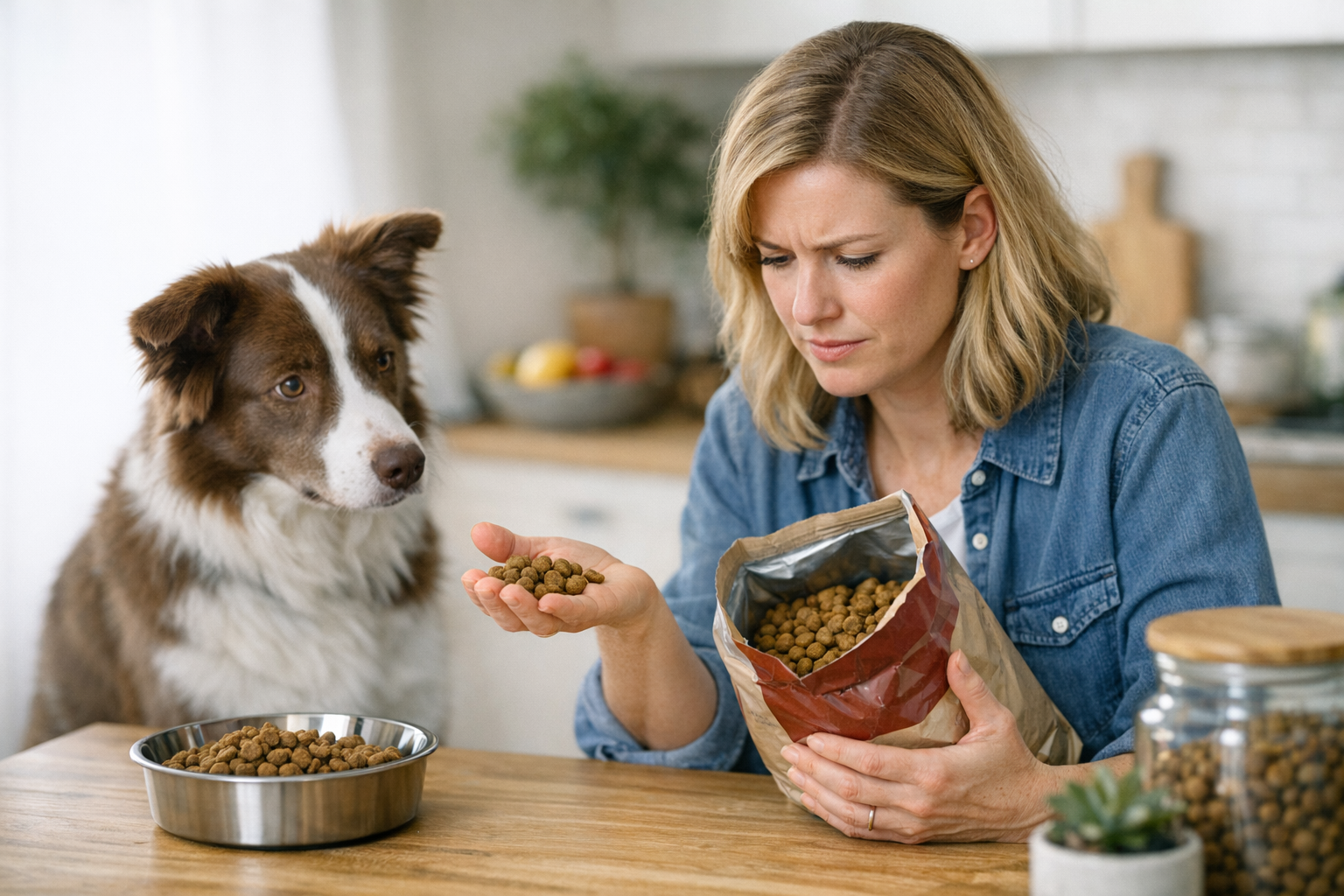
You are standing in your pantry, holding a half-used bag of kibble, and you notice the date stamped on the side passed three weeks ago. It looks fine, and it smells like the same chicken and brown rice recipe your dog usually loves. You might wonder if that date is a hard deadline or just a suggestion from the manufacturer. At BaxterBoo, we know that keeping your pet healthy starts with what goes into their bowl every day, and our dry dog food category is a helpful place to compare options. This article explains the difference between "best by" and expiration dates, how long kibble stays fresh once the seal is broken, and the risks of feeding older food. Our goal is to help you understand the science of food stability so you can make the safest choice for your dog.
Quick Answer: Unopened dry dog food is typically safe to feed for six months to one year past the "best by" date if stored in a cool, dry environment. Once a bag is opened, the clock ticks much faster, and the food should generally be consumed within six to eight weeks to avoid fat oxidation and nutrient loss.
Understanding the Date on the Bag
The dates printed on pet food packaging can be confusing. Most manufacturers use "Best By" or "Best If Used By" rather than a strict expiration date. These labels are not necessarily about immediate safety. Instead, they indicate how long the manufacturer guarantees the food will maintain its full nutritional profile and peak flavor.
When a company like Royal Canin or Farmina formulates a diet, they include specific levels of vitamins, minerals, and fatty acids. Over time, these nutrients naturally begin to break down. A bag that is past its "best by" date might still be safe to eat, but it may no longer provide the exact nutritional balance promised on the label.
Best By vs. Expiration
In the United States, the FDA does not require expiration dates on pet food except for infant formula in the human world, but most reputable brands provide them voluntarily. An expiration date is a more rigid safety marker. A "best by" date is a quality marker. If you see a date labeled "EXP," it is best to treat that as a firm cutoff. If it says "Best By," you usually have a small window of flexibility depending on how the bag was stored.
Nutritional Degradation
Vitamins are sensitive to environmental factors. Even in a sealed bag, certain vitamins like C and B12 lose their potency over months. If you are feeding a senior dog or a puppy with specific growth needs, this loss of potency matters. A food that has lost its vitamin integrity cannot support your dog's immune system or developmental needs as effectively as a fresh bag.
Key Takeaway: The "best by" date is primarily a guarantee of nutritional potency and palatability, while a true expiration date is a warning about food safety and potential spoilage.
How Long Does Unopened Kibble Last?
If the bag is still factory-sealed, it has a much longer shelf life than an opened one. Most dry dog foods are designed to last 12 to 18 months from the date of manufacture. If you find an unopened bag that is a few months past its date, it is likely still safe.
For a deeper look at storage basics, our blog post on How Long Does Dry Dog Food Last? Tips for Freshness is a helpful companion read. Industry standards for pet food pantries and shelters often allow for unopened dry food to be distributed up to one year past the date, provided the packaging is fully intact. At home, a safer cushion is six months. If the bag has been sitting in a hot garage or a damp basement, that window shrinks significantly. Heat and moisture are the primary drivers of spoilage, even for food behind a plastic or paper barrier.
The Role of Preservatives
The type of preservatives used in the food affects how long it stays good. Foods that use synthetic preservatives, such as BHA or BHT, often have a longer shelf life because these chemicals are very stable. Many premium brands we carry, like NutriSource or Stella & Chewy's, use natural preservatives like tocopherols (Vitamin E) or rosemary extract. These are excellent for health but break down faster than synthetic options. If your dog's food uses natural preservatives, you should stick closer to the printed date.
The Six Week Rule for Opened Bags
Once you pull that plastic strip or cut the top of the bag, the countdown changes. Opening the bag exposes the kibble to oxygen, light, and humidity. These three elements trigger a process called lipid oxidation. This is a fancy way of saying the fats in the food start to go rancid.
Most experts recommend finishing a bag of dry dog food within six to eight weeks of opening it. Even if the "best by" date is a year away, the exposure to air begins to degrade the fats immediately. Rancid fats do not just taste bad. They can cause digestive upset and, over time, more serious health issues.
Why Small Bags Might Be Better
It is tempting to buy the largest bag available to save money. However, if you have a small dog that takes three months to finish a 40 pound bag, you are feeding stale food for the last six weeks of that bag. Buying smaller bags that your dog can finish in a month ensures they get the freshest possible nutrients. We offer a wide range of bag sizes to help you match your purchase to your dog's actual appetite.
Vet Tip: If your dog has a sensitive stomach or chronic digestive issues, be extra strict with the six week rule. Fresh food is much easier on the gastrointestinal tract than food that has begun the oxidation process.
Signs That Dry Dog Food Has Gone Bad
You cannot always rely on the date alone. Sometimes a bag is compromised during shipping, or a small tear allows moisture to enter. You should perform a quick sensory check every time you scoop a meal.
The Smell Test
Rancid fat has a very specific odor. It might smell sour, like old paint, or like "wet cardboard." If the food smells different than it did when you first opened the bag, it is time to toss it. Dogs have much more sensitive noses than we do. If your dog suddenly refuses a food they normally love, they might be smelling spoilage that you cannot detect yet.
Visual Cues
Check the kibble for any signs of mold. Mold in dry food often looks like a grey or white fuzz, or it may appear as dark, discolored spots on the kernels. Moisture is the cause here. If you see any signs of insects, such as weevils or moth larvae, the food is contaminated and must be discarded immediately.
Texture Changes
Fresh kibble should feel dry and have a consistent crunch. If the food feels oily, sticky, or unusually crumbly, the fats may have migrated to the surface and oxidized. Moisture can also make kibble feel soft or "leathery." None of these are good signs for your pet's health.
Bottom line: If the food smells sour, looks fuzzy, or your dog refuses to eat it, trust your senses and your dog's nose over the date on the bag.
Risks of Feeding Expired or Spoiled Food
Feeding a single meal of slightly old kibble is unlikely to cause a crisis, but consistent feeding of expired food carries risks. The most immediate concern is gastrointestinal distress. This can manifest as vomiting, diarrhea, or a general lack of appetite.
Bacterial and Fungal Growth
When moisture gets into dry food, it becomes a breeding ground for bacteria like Salmonella or E. coli. It can also host mycotoxins, which are toxic compounds produced by certain molds. Mycotoxins are dangerous because they are not always visible to the naked eye and can cause severe illness or even long term organ damage.
Nutritional Deficiencies
If you regularly feed food that is long past its prime, your dog might not be getting the essential building blocks they need. For example, essential fatty acids like Omega-3 and Omega-6 are highly unstable. Once they oxidize, they no longer support skin and coat health. Over months, this can lead to a dull coat, itchy skin, and decreased immune function.
Proper Storage to Extend Freshness
How you store your food is just as important as the date on the label. Many pet owners make the mistake of pouring the kibble out of the bag and directly into a plastic bin. This is actually one of the worst ways to store dog food.
Keep It in the Original Bag
Pet food bags are highly engineered. They are designed with liners that prevent fat from soaking through and keep oxygen out. When you pour food into a plastic bin, the plastic can leach chemicals into the food, and old fats can get stuck in the pores of the plastic. These old fats then go rancid and contaminate the new food you pour in.
Instead, place the entire bag inside your airtight container. This gives you two layers of protection. It also ensures you have the lot number and expiration date handy in case there is ever a product recall.
Environmental Factors
- Temperature: Store food in a cool place, ideally under 80 degrees Fahrenheit. Avoid the garage or a laundry room where temperatures fluctuate.
- Dryness: Keep the bag off the floor, especially in basements, to prevent moisture from seeping into the bottom of the bag.
- Darkness: If you use a clear container, keep it inside a pantry. Light can accelerate the breakdown of vitamins and fats.
For more storage guidance, our post on How to Keep Dog Food Dry Outside for Freshness and Safety walks through why moisture control matters so much. To keep food fresh, leave it in its original bag, roll the top down tightly, and place it in an airtight container in a cool, dark pantry.
Special Considerations for Prescription Diets
If your dog is on a prescription diet for a health condition like kidney disease, diabetes, or severe allergies, the expiration date is non-negotiable. These diets are carefully balanced to manage specific medical needs. For instance, a kidney support diet may have very precise protein and phosphorus levels. If those nutrients degrade, the food may no longer be effective at managing the condition.
Our pet pharmacy provides a wide variety of prescription foods and medications. If your veterinarian has prescribed a specific diet, we can help you manage your orders so you always have fresh food on hand. Our Autoship programme is particularly helpful for prescription diets. It ensures a new, fresh bag arrives just as you are finishing the old one, so you never have to worry about feeding food that is past its prime.
Vet Tip: Always consult your veterinarian before switching or extending the use of a prescription diet. If you notice your dog's symptoms returning while they are on a prescription food, check the date on the bag. The food may have lost its therapeutic value.
When to Contact Your Veterinarian
If your dog has accidentally consumed a large amount of food that was visibly moldy or very old, keep a close eye on them. While many dogs have "iron stomachs," others are much more sensitive. If you see persistent vomiting, bloody diarrhea, or a significant change in behavior, call your vet.
In some cases, spoiled food can cause food poisoning similar to what humans experience. Your vet can provide supportive care, such as fluids or anti-nausea medication, to help your dog recover. If you are ever unsure about a health symptom or a nutritional need, a quick call to a professional is the best way to keep your pet safe.
Tips for Managing Your Dog's Food Supply
Managing your inventory can prevent you from ever having to deal with expired kibble. It is a few simple habits that make the difference.
- Check Dates Before Buying: When you receive a shipment or pick up a bag at our warehouse, take a second to look at the date. We work hard to ensure our stock is fresh, but it is a good habit for any pet owner.
- The "First In, First Out" Rule: If you keep a backup bag, make sure you use the older one first.
- Clip the Bag: Use a heavy-duty bag clip to seal the original bag inside your storage bin. This minimizes the air that reaches the kibble every time you open the bin.
- Wash the Bin: If you do choose to pour food directly into a container, you must wash it with hot, soapy water and dry it completely before every single refill.
If you want another practical checklist, our article on Does Dry Dog Food Go Bad? Expert Storage Tips for Freshness is a useful next step. And if you are looking for a simple way to keep your pantry stocked, the MVP Rewards programme can help you get more value from the food you buy.
Conclusion
Dry dog food is a convenient and nutritionally dense way to feed your pet, but it is not immortal. While an unopened bag can last several months past its "best by" date, an opened bag is much more vulnerable to the elements. By understanding that air, heat, and moisture are the enemies of your dog's dinner, you can take steps to ensure every meal is as healthy as the first.
- Stick to the six to eight week rule for opened bags.
- Keep kibble in its original packaging.
- Store food in a cool, dry place.
- Watch for changes in smell, appearance, or your dog's appetite.
If you want to ensure your dog always has the freshest food without the hassle of store trips, consider setting up an Autoship order with us. You will save on your first order and earn MVP Rewards on every purchase. Keeping your pet healthy is a team effort, and we are here to help you every step of the way.
FAQ
Can I feed my dog food that is one month past the expiration date?
If the bag is unopened and has been stored in a cool, dry place, it is generally safe to feed one month past the date. However, check the smell and appearance of the kibble as soon as you open it. If the bag has already been open for several weeks, it is better to discard it, as the fats have likely begun to oxidize.
What happens if a dog eats expired dry food?
In many cases, nothing happens, but it can lead to gastrointestinal upset like vomiting or diarrhea. The bigger risk comes from mold or bacterial growth if moisture has entered the bag, which can cause more serious food poisoning. Over the long term, feeding expired food can lead to nutritional deficiencies because vitamins and essential fatty acids degrade over time.
Does unopened dog food really expire?
Yes, unopened dog food will eventually expire. Even though the vacuum seal or sturdy packaging protects it, the nutrients and fats inside will naturally break down over 12 to 18 months. Natural preservatives used in high quality foods break down faster than synthetic ones, so it is important to check the date even on sealed bags.
Is it safe to store dog food in plastic containers?
It is safe as long as you keep the food inside its original bag and then place that bag into the plastic container. If you pour the kibble directly into a plastic bin, the oils can seep into the plastic and go rancid, potentially contaminating future batches of food. If you must pour it in, be sure to wash the container thoroughly with soap and water between every bag.






