
 Save 15% on your 1st Autoship learn more

 Email us
 Live Chat
 FAQs
FAQs





Introduction
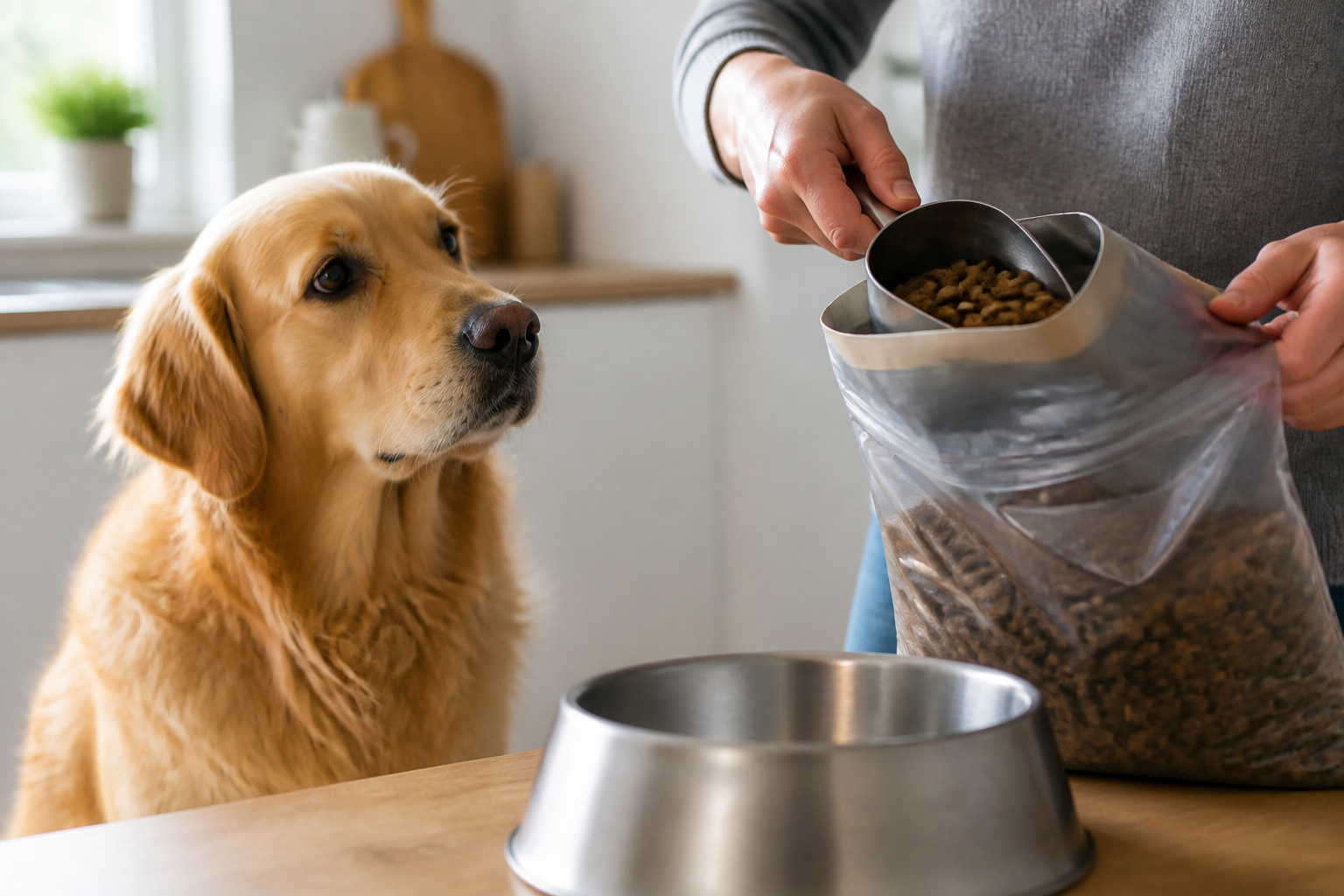
You reach into the pantry and pull out a large bag of kibble that has been open for about a month. As you scoop the pellets into your dog's bowl, you might notice the smell is a bit flatter than usual, or perhaps the texture feels slightly different. Many of us at BaxterBoo have faced this exact moment of hesitation. We want the value of a large bag, but we also want to ensure every meal is as nutritious as the first. Knowing how long dry dog food stays fresh is not just about taste. It is about protecting your dog from rancid fats and bacterial growth. This article covers the ideal timeline for using opened food, the best storage practices, and how to spot when a bag has gone bad.
Quick Answer: Most dry dog food remains at peak freshness for 4 to 6 weeks after the seal is broken. While it may not become toxic immediately after this window, the nutritional value begins to decline and fats can start to turn rancid.
The Reality of the Best By Date
Every bag of dog food comes with a best by or expiration date printed on the packaging. It is a common mistake to assume this date applies to the food even after it is opened. That date is actually a guarantee of freshness for the unopened, factory-sealed bag. Once you cut that seal, oxygen, moisture, and light begin to act on the ingredients.
Oxygen is the primary enemy of kibble. When air hits the food, a process called oxidation begins. This specifically affects the fats and oils that provide energy and coat health for your dog. Over time, oxidation causes these fats to break down and become rancid. This can happen long before the date printed on the bag if the food is not handled correctly.
Manufacturers use natural preservatives like rosemary extract or tocopherols (Vitamin E) to keep the food stable. These are excellent for your dog's health, but they do not last forever once exposed to the environment. Synthetic preservatives might last longer, but many premium brands we carry prefer natural options for better long-term wellness.
Why 4 to 6 Weeks Is the Gold Standard
Most veterinarians and pet nutritionists recommend finishing a bag of dry dog food within six weeks of opening. This timeframe ensures that your dog is getting the full vitamin and mineral profile promised on the label.
After six weeks, several things begin to happen:
- Vitamins start to lose their potency through exposure to air.
- Fats begin to oxidize, which can lead to a sour or "off" smell.
- The crunch or texture of the kibble may change as it absorbs ambient moisture.
- The risk of storage mites or pantry pests increases.
If you have a small dog but prefer buying 40-pound bags to save money, you might be feeding stale food for months. It is often better to buy smaller bags that you can finish within a month. This ensures your dog gets the best possible nutrition in every bowl. For more guidance, read our guide to how much dry food to feed a dog.
Essential Storage Tips for Fresh Kibble
How you store your dog's food matters just as much as how quickly you use it. Proper storage can push the freshness closer to that six-week mark. Improper storage can ruin a bag in just a few days.
Keep the Original Bag
One of the most frequent mistakes pet owners make is dumping the kibble directly into a plastic bin. We recommend keeping the food inside its original bag. Manufacturers spend a lot of money designing these bags to be grease-resistant and moisture-proof.
When you dump food into a plastic container, the oils from the kibble can seep into the plastic over time. These oils can turn rancid and contaminate the next batch of fresh food you pour in. If you want to use a storage bin, place the entire bag inside the bin. This gives you a double layer of protection. You can find more storage guidance in our dog food freshness tips.
Seal it Tight
Every time you finish scooping a meal, squeeze as much air out of the bag as possible. Roll the top down tightly. Use a heavy-duty clip to keep it shut. If you are using a secondary container like a Vittles Vault, make sure the gasket seal is clean and making a full connection. Even a small gap can let in enough humidity to cause problems.
Location Matters
Temperature and humidity are the biggest threats to food safety. Store your dog food in a cool, dry place. A temperature-controlled pantry is much better than a garage or a laundry room.
Garages often experience wild temperature swings. High heat can cause the fats in the food to spoil rapidly. Humidity in a laundry room or basement can lead to mold growth that you might not see until it is too late. Keep the bag off the floor to prevent condensation and keep it away from pests. For additional storage ideas, see how to keep dog food dry for freshness and safety.
Key Takeaway: The best storage setup is the original bag, rolled tightly and clipped, placed inside an airtight container in a climate-controlled room.
How to Tell if Dry Dog Food Has Gone Bad
You cannot always rely on your dog to tell you if their food is bad. Some dogs are highly motivated by food and will eat almost anything. Others might suddenly stop eating, which is often a sign that something is wrong with the meal. Our dry dog food selection offers options to compare when it is time to replace an old bag.
The Smell Test
Fresh kibble usually has a nutty, meaty, or grain-forward scent. When food goes bad, the fats turn rancid. This often creates a smell similar to old paint, wet cardboard, or sour oil. If the bag smells "sharp" or unpleasant when you first open it, trust your nose and do not feed it to your dog.
Visual Cues
Look closely at the kibble. Do you see any signs of fuzzy growth or dark spots? Mold can develop if moisture gets into the bag. You should also check for "webbing" or small insects. Storage mites and grain weevils are attracted to open bags of grain-based food. If the texture looks dusty or the kibble is crumbling into a fine powder, it may be a sign of an infestation.
Changes in Your Dog
If your dog is usually excited for dinner but suddenly turns their nose up at a new bowl, check the food. If they do eat it but experience vomiting or diarrhea shortly after, the food could be the culprit.
Vet Tip: If your dog shows signs of a sudden upset stomach after eating, stop feeding that batch of food immediately. Consult your veterinarian to rule out food poisoning or bacterial infections like Salmonella, which can occasionally occur in improperly stored dry food.
Risks of Feeding Spoiled Food
Feeding stale or rancid food is more than just a matter of bad taste. It can have real consequences for your dog's health.
When fats oxidize, they create free radicals. These can cause oxidative stress in your dog's body over time. Stale food also loses its nutritional density. The levels of essential fatty acids, like Omega-3 and Omega-6, drop significantly. These are vital for healthy skin, a shiny coat, and brain function.
Mold is a more immediate danger. Some molds produce mycotoxins, which are highly toxic to dogs. Even if you only see mold on one corner of the bag, the invisible spores have likely spread through the whole batch. Never try to "scoop around" a moldy patch. Throw the entire bag away. For more information, read does dry dog food go bad.
Maximizing Value and Freshness
We understand that buying in bulk is often the most cost-effective way to shop. You can still save money without sacrificing the quality of your dog's diet.
Try Smaller Bags More Often
If you find yourself throwing away the bottom third of every large bag, you aren't actually saving money. Calculate how much your dog eats in 30 days. Buy the bag size that most closely matches that amount. We carry a wide range of sizes for brands like NutriSource, Acana, and Orijen to help you find that perfect fit.
Use Autoship for Consistency
To ensure you always have fresh food without needing to store 50 pounds at a time, consider our Autoship program. You can set your delivery schedule to match your dog's eating habits. This way, a fresh bag arrives just as the old one is hitting its four-week mark. This eliminates the need for long-term storage and keeps the nutrition levels high.
Manage Multiple Bags
If you feed different formulas, like a rotation diet, the "six-week rule" becomes even more important. It is easy to lose track of when each bag was opened. Use a permanent marker to write the date of opening directly on the bag or on a piece of tape. This takes the guesswork out of kitchen management.
Cleaning Your Storage Gear
If you use a bin or a dedicated scoop, you must clean them regularly. Old fat and crumbs left in the bottom of a bin will contaminate new food.
Step 1: Empty the container completely. Never pour new food on top of old crumbs.
Step 2: Wash the bin and scoop with hot, soapy water.
Step 3: Rinse thoroughly to ensure no soap residue remains.
Step 4: Let the container dry completely. Even a tiny amount of trapped moisture can cause a new bag to mold.
Specialized Diets and Prescription Food
Some dogs require specific diets for health conditions like kidney disease, obesity, or skin allergies. These foods, such as the Farmina Vet Life range, often contain specialized ingredients that are even more sensitive to storage conditions.
If your veterinarian has prescribed a specific diet, maintaining its freshness is part of the treatment plan. Our pharmacy offers a wide selection of prescription pet foods and FDA-approved medications through our partnership with Pet's Choice. Whether your dog is on a prescription diet or needs ongoing medication for chronic health issues, keeping those supplies fresh and properly stored is essential for their recovery and comfort.
Key Takeaway: Proper storage is an extension of your pet's healthcare. Clean gear and airtight seals protect the investment you make in premium and prescription nutrition.
Summary Checklist for Food Freshness
- Aim to use opened dry food within 4 to 6 weeks.
- Keep the food in the original bag to protect the oils and keep lot numbers.
- Place the bag inside an airtight container for extra protection.
- Store the food in a cool, dry pantry rather than a garage.
- Wash your storage bins and scoops between every bag.
- Write the "opened on" date on the bag.
- Trust your nose; if it smells sour or like paint, toss it.
- Check for mold or insects if your dog suddenly refuses to eat.
Proper Disposal of Bad Food
If you realize a bag has gone bad, do not just leave it in an open trash can where your dog or local wildlife might get into it. Seal the bad food in a trash bag and place it in a secure outdoor bin. This prevents your dog from "counter surfing" for spoiled kibble and protects your home from attracting pests that were drawn to the rancid smell.
If you suspect a bag was spoiled or contaminated at the time of purchase, keep the packaging. The lot number and "best by" date are necessary for reporting the issue to the manufacturer. This helps keep other pets safe if there is a production or shipping problem.
The Role of Packaging Technology
Modern pet food bags are impressive pieces of engineering. Many use multi-layer laminates to keep oxygen out and lock freshness in. Some brands even use nitrogen flushing during the bagging process. This replaces the oxygen in the bag with nitrogen before sealing, which keeps the food perfectly fresh until you open it.
Once you break that factory seal, the nitrogen escapes and the "freshness clock" starts ticking. This is why we emphasize the 4-to-6-week window so strongly. You are essentially taking over the job of the packaging the moment you open the bag.
Bottom line: Your dog's health depends on the quality of their food, and that quality is only as good as your storage habits.
Conclusion
Managing your dog's dry food involves more than just keeping the bowl full. By using the food within six weeks and keeping it in its original bag, you protect the vitamins, minerals, and healthy fats your dog needs to thrive. We are proud to offer over 500 trusted brands at BaxterBoo to help you provide the best possible nutrition. If you want to ensure a steady supply of fresh kibble delivered right to your door, our Autoship program is a great way to stay on top of your dog's feeding schedule while saving on every order.
FAQ
Can I store dry dog food in the refrigerator to make it last longer?
While it might seem like a good idea, refrigeration is generally not recommended for dry kibble. The constant change in temperature when you take the bag out to scoop food can cause condensation to form inside the bag. This extra moisture significantly increases the risk of mold growth, which is more dangerous than the food simply going stale.
Is it safe to feed dog food a few days past the Best By date?
If the bag is still factory-sealed and has been stored in a cool, dry place, the food is likely safe for a short period after the best by date, though it may have lost some nutritional potency. However, if the bag is already open and is past both the six-week mark and the best by date, it is much safer to discard it. Always check for off smells or changes in texture before feeding.
Why shouldn't I pour new dog food on top of the old food in a bin?
Old food contains fats that have already begun to oxidize and crumbs that may harbor bacteria or mold spores. When you pour fresh food on top, these old oils and crumbs can "seed" the new batch, causing it to spoil much faster than it would on its own. Always empty and wash your container before adding a new bag.
Does grain-free dog food spoil faster than food with grains?
The presence or absence of grains doesn't usually determine the spoilage rate as much as the fat content and the type of preservatives used. Foods with high levels of fish oils or animal fats may oxidize more quickly if not stored perfectly. Regardless of the ingredients, the six-week rule for opened bags remains the safest guideline for all dry dog food varieties.






