
 Save 15% on your 1st Autoship learn more

 Email us
 Live Chat
 FAQs
FAQs





Introduction
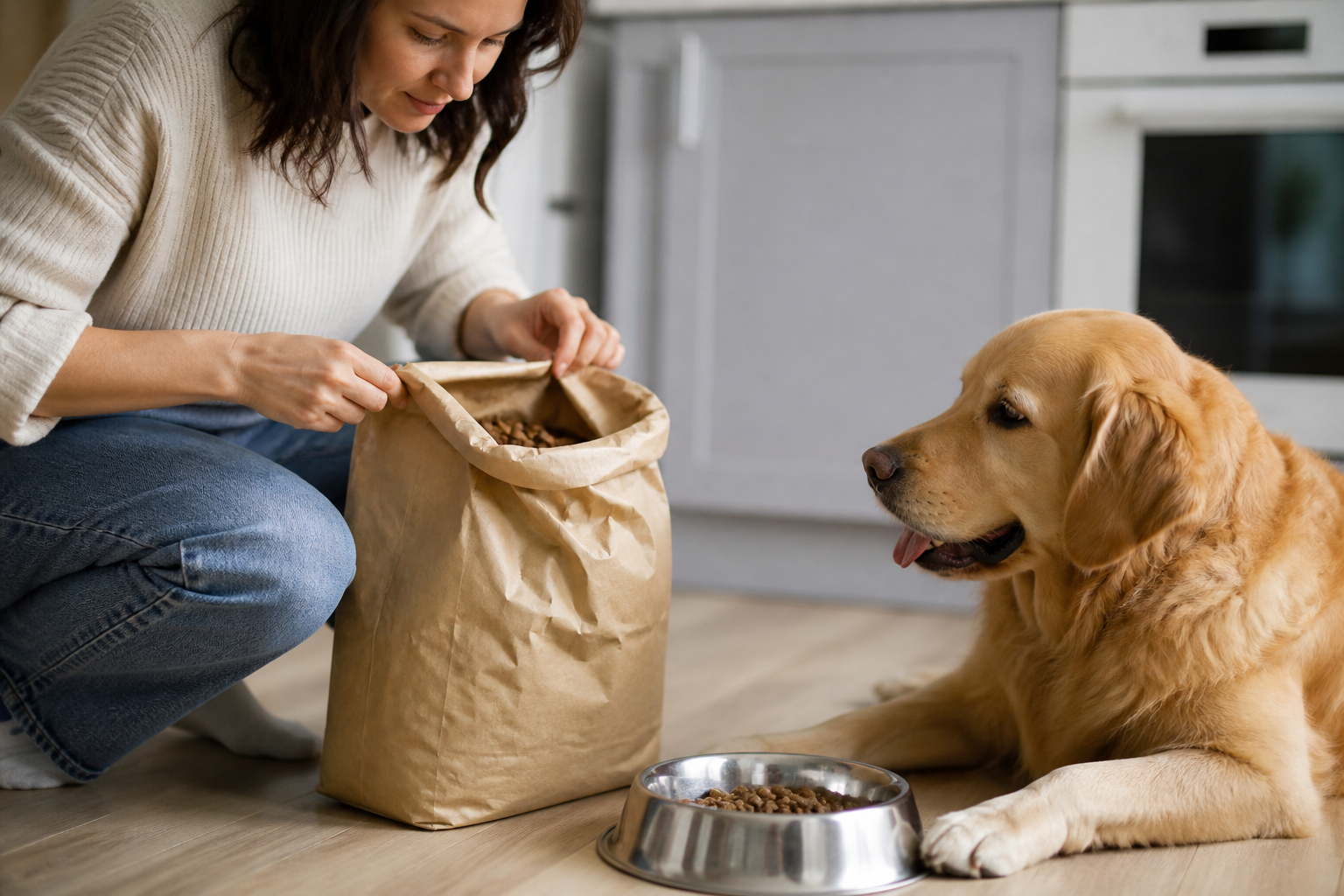
You are reaching for the measuring scoop in a large bag of kibble that has been sitting in the pantry for a few months. As you pour the food into the bowl, you notice the smell is a bit different than when you first opened it. Perhaps your dog is sniffing the bowl and walking away, or maybe you are simply worried that those vitamins and minerals have lost their potency. At BaxterBoo, we know that your dog's nutrition is the foundation of their health. We want to ensure every meal you serve is as fresh and safe as possible. This article covers exactly how long dry dog food stays good after the seal is broken, the signs of spoilage to watch for, and the best ways to store kibble to maximize its shelf life. Understanding these timelines helps you provide your dog with optimal nutrition while avoiding the risks of rancid fats or mold.
Quick Answer: Most dry dog food should be consumed within 4 to 6 weeks once the bag is opened. While the "best by" date on the packaging refers to the unopened shelf life, exposure to oxygen, light, and moisture begins to degrade the quality of the food immediately after the seal is broken.
The Difference Between Best By Dates and Opened Freshness
Many pet owners look at the date printed on the bag and assume the food is safe until that specific day. This is a common misconception. That date, often called a "best by" or "use by" date, is determined by the manufacturer to indicate how long the unopened bag will remain at peak nutritional quality. Most unopened dry dog foods have a shelf life of 12 to 18 months from the date of manufacture.
Once you cut that bag open, the clock starts ticking much faster. Oxygen enters the bag and interacts with the ingredients. This process, known as oxidation, is the primary reason why opened food does not last as long as the date on the bag suggests. Even if the "best by" date is a year away, the food inside can become stale or rancid in a matter of weeks if it is not handled correctly.
Why Six Weeks Is the Golden Rule
Most veterinary nutritionists and food safety experts recommend finishing a bag of dry dog food within six weeks of opening. This timeframe is not just about the crunch or the taste. It is about the chemical stability of the ingredients. Dry food is processed to be shelf stable, but it still contains fats and oils that are sensitive to the environment.
When these fats are exposed to air, they begin to break down. This results in rancidity, which can make the food smell sour or metallic. Beyond the smell, rancid fats can cause digestive upset in dogs. Furthermore, essential vitamins like Vitamin A and Vitamin E begin to lose their potency when exposed to oxygen. If you feed a bag of food that has been open for three or four months, your dog might not be getting the full nutritional profile listed on the label.
Key Takeaway: Aim to buy a bag size that your dog can finish within 4 to 6 weeks. This ensures the fats remain fresh and the vitamins stay potent for the duration of the bag.
How Environmental Factors Affect Your Dog's Food
Several external factors can speed up the rate at which dog food spoils. Controlling these elements is the secret to making that 6-week window as safe as possible.
Temperature and Heat
Heat is one of the biggest enemies of pet food. Storing a bag of kibble in a hot garage or a laundry room that gets humid can cause the fats to turn rancid almost overnight. High temperatures also provide an ideal breeding ground for bacteria and mold. It is best to keep dog food in a climate-controlled area where the temperature stays below 80 degrees Fahrenheit.
Humidity and Moisture
Moisture is dangerous because it leads to mold growth. Some molds produce mycotoxins, which are invisible but highly toxic to dogs. If you live in a humid climate, or if you store your food in a damp basement, the risk of mold increases significantly. Always ensure the storage area is dry and the container is kept off the floor where condensation can occur.
Light Exposure
Sunlight can degrade the quality of the food and the packaging itself. Many high-quality dog food bags have specialized liners designed to block out light and air. If you pour the food into a clear plastic bin and leave it in a sunny spot, you are accelerating the breakdown of nutrients.
For more information about choosing between feeding styles, read our guide to wet and dry food for dogs.
The Importance of the Original Packaging
It is very tempting to pour a new bag of dog food directly into a large plastic or metal bin. However, this is one of the most frequent mistakes pet owners make. We recommend keeping the food inside its original bag, even if you place that bag inside a secondary container.
The bags used by premium brands like NutriSource, Acana, or Orijen are engineered with specific barriers. These liners are designed to keep the oils from seeping out and to keep oxygen from getting in. When you dump the food into a plastic bin, the oils from the kibble can soak into the plastic over time. These oils then turn rancid and can contaminate the next batch of fresh food you pour in.
Additionally, the original bag contains the lot number, the UPC code, and the specific expiration date. This information is vital if there is ever a product recall or if your dog has a reaction to the food and you need to contact the manufacturer.
Step-by-Step: The Best Way to Store Kibble
Step 1: Keep the food in its original bag rather than pouring it out.
Step 2: After each feeding, squeeze as much air out of the bag as possible.
Step 3: Roll the top of the bag down tightly and secure it with a heavy-duty clip.
Step 4: Place the clipped bag inside an airtight plastic or metal container.
Step 5: Store the container in a cool, dark, and dry pantry or closet.
How to Tell if Dry Dog Food Has Gone Bad
You cannot always rely on your eyes to tell if food is spoiled. Bacteria and rancidity are often invisible. You must use all your senses and pay close attention to your dog's behavior.
The Smell Test
Fresh kibble should have a mild, grainy, or meaty scent. If you open the bag and get a whiff of something sour, "off," or like old paint, the fats have likely gone rancid. If the food smells musty or like a damp basement, mold could be present. If the scent changes significantly from the day you first opened the bag, it is safer to dispose of it.
Texture and Appearance
Check the kibble for any signs of moisture or "fuzz" that could indicate mold. If the pieces feel soft, spongy, or sticky, they have absorbed too much humidity. You should also look for signs of insects. Grain mites or weevils can sometimes find their way into poorly sealed bags, leaving behind a fine dust or visible movement.
Your Dog's Reaction
Dogs have a much more sensitive sense of smell than humans do. If your usually enthusiastic eater suddenly sniffs their bowl and walks away, they might be detecting rancidity that you cannot smell yet. Never force a dog to eat food they are rejecting.
If picky eating becomes a pattern, our guide to helping dogs eat dry food may offer another perspective.
Vet Tip: If your dog experiences sudden vomiting, diarrhea, or lethargy after eating from a bag of food that has been open for a while, stop feeding that food immediately and consult your veterinarian. If your dog requires a specialized or prescription diet due to a sensitive stomach or other health issues, our pet pharmacy offers prescription products for dogs with veterinary guidance.
Health Risks of Spoiled Food
Feeding expired or spoiled dry food is more than just a matter of bad taste. It can lead to genuine health problems for your pet.
Bacterial Contamination
Dry food is not sterile. While manufacturers take great care to prevent contamination, pathogens like Salmonella or E. coli can grow if the food is stored in warm, moist conditions. These bacteria can cause severe gastrointestinal distress for your dog and can even be passed to the humans in the household during handling.
Mycotoxins from Mold
As mentioned earlier, mold can produce mycotoxins. These are heat-stable toxins that do not disappear if you try to "pick out" the moldy bits. Ingesting mycotoxins can lead to serious issues, including liver failure or tremors. Because you cannot always see mold spores, throwing away food that has been exposed to moisture is the only safe option.
Nutritional Deficiencies
If you are feeding food where the vitamins have degraded, your dog is essentially eating empty calories. Over time, a lack of essential nutrients can lead to a dull coat, skin issues, or a weakened immune system. This is particularly dangerous for puppies who are in a rapid growth phase or senior dogs who need specific support for their joints and cognitive health.
Tips for Managing Your Dog's Food Supply
Managing the freshness of your dog's food requires a bit of planning, especially if you have a small dog that takes a long time to finish a large bag.
Buy for the Size of the Dog
It is often cheaper to buy the 40-pound bag of dog food, but if you have a 10-pound Chihuahua, that bag might last six months. By the time you get to the bottom of the bag, the food will be stale and nutritionally depleted. Buy the bag size that fits your dog's 4 to 6-week consumption rate, even if the price per pound is slightly higher. The health benefits and lack of waste make it a better value in the long run.
For portion planning, see our article about how much dry food to feed a dog.
Check Dates Before You Buy
When shopping at a retail store, always check the "best by" date on the back or bottom of the bag. At BaxterBoo, we maintain a high turnover of stock in our warehouse to ensure the products reaching your door are as fresh as possible. Choosing a bag with a date at least six months into the future gives you the best starting point.
You can compare formulas and bag sizes in our dry dog food category.
Use the FIFO Method
FIFO stands for "First In, First Out." If you like to keep an extra bag of food on hand, make sure you use the older bag before opening the new one. Never mix old kibble with new kibble. If you have a small amount of food left in a bin and you pour a fresh bag on top of it, the old, rancid crumbs at the bottom will contaminate the new food. Always finish the bag, wash the storage bin with soap and hot water, let it dry completely, and then start the new bag.
Key Takeaway: Proper hygiene and rotation are just as important as the storage container itself. Always wash your storage bins between bags to remove lingering oils and dust.
The Role of Preservatives in Dry Food
To keep kibble fresh for that 12 to 18-month unopened window, manufacturers must use preservatives. There are two main types: natural and synthetic.
Natural Preservatives
Many premium brands use natural preservatives like tocopherols (Vitamin E), citric acid, or rosemary extract. These are effective at slowing down oxidation, but they do not last as long as synthetic options once the bag is opened. This is why high-quality, natural dog foods are even more sensitive to the 6-week rule.
Synthetic Preservatives
Some budget-friendly or long-life foods use synthetic chemicals like BHA, BHT, or ethoxyquin. While these are very effective at preventing rancidity for long periods, many pet owners prefer to avoid them due to concerns about long-term health effects. If you choose a food with natural preservatives, you must be even more diligent about airtight storage.
For alternative food formats, explore our freeze-dried pet food selection.
Special Considerations for High-Fat Diets
Diets designed for high-performance dogs, working breeds, or puppies often have a higher fat content. Because fat is the component that goes rancid, these foods have a higher risk of spoiling quickly. If you are feeding a high-fat diet, pay extra attention to the smell of the food and ensure it is kept in the coolest part of your home.
Bottom line: The higher the fat content in a dog food, the faster it will oxidize once exposed to air.
Managing Multiple Pets and Food Types
If you have a household with both dogs and cats, or dogs on different specialized diets, the storage needs can become complicated. Each type of food has its own requirements. For example, some prescription diets for kidney or liver support may have very specific fat profiles that are highly sensitive to light.
If you are managing a pet with a chronic condition, maintaining food freshness is a critical part of their treatment plan. Our pharmacy partnership through Pet's Choice can help you navigate these needs by providing access to the specific diets and medications your veterinarian recommends. Keeping these sensitive foods in their original bags inside airtight bins is the best way to support your pet's ongoing health management.
Summary of Best Practices
Maintaining the freshness of opened dry dog food does not have to be a chore. It simply requires a consistent routine. By keeping the food in its original bag, sealing it tightly, and storing it in a cool, dry place, you can ensure your dog enjoys every meal. Remember that the 6-week rule is your best guide for safety and nutrition.
- Always keep the kibble in the original manufacturer's bag.
- Seal the bag with a clip and store it inside an airtight bin.
- Keep the storage area cool (under 80 degrees) and dry.
- Wash the storage bin between every new bag of food.
- Buy a bag size that your dog can finish within 4 to 6 weeks.
At BaxterBoo, we are committed to helping you provide the best care for your pets. Whether you are looking for premium kibble, specialized supplements for joint health, or prescription items through our pharmacy, we are here to support you. You can even sign up for our Autoship programme to have fresh food delivered on a schedule that matches your dog's consumption, ensuring you never have to worry about running out or feeding stale kibble. Plus, the MVP Rewards programme lets you earn points on every purchase, making it easier to afford the high-quality nutrition your dog deserves.
FAQ
Can I store dry dog food in the refrigerator or freezer to keep it fresh longer?
While freezing can prevent fats from going rancid, it is generally not recommended for dry dog food. The process of taking the food in and out of the freezer creates condensation inside the bag, which introduces moisture and leads to mold growth. It is much safer to store the food in a cool, dry pantry in an airtight container.
Is it okay to use a plastic storage bin without the original bag?
It is better to keep the food inside the original bag and place that bag inside the bin. Plastic can be porous and absorb the fats from the kibble over time. These trapped oils can turn rancid and contaminate future batches of food. Keeping the bag also ensures you have access to the lot number and expiration date in case of a recall.
My dog's food bag doesn't have a resealable zipper; what should I do?
Many large bags of dog food do not come with built-in zippers. In this case, you should squeeze out as much air as possible, roll the top of the bag down tightly, and use a large, strong clip to keep it shut. Placing this clipped bag into an airtight container provides a second layer of protection against oxygen and pests.
Does grain-free dog food spoil faster than food with grains?
The presence or absence of grains does not typically determine how fast food spoils. Instead, the fat content and the type of preservatives used are the most important factors. However, many grain-free or "natural" diets use natural preservatives like Vitamin E, which do not last as long as synthetic preservatives once the bag is opened, so they should be used within the 6-week window.






