
 Save 15% on your 1st Autoship learn more

 Email us
 Live Chat
 FAQs
FAQs





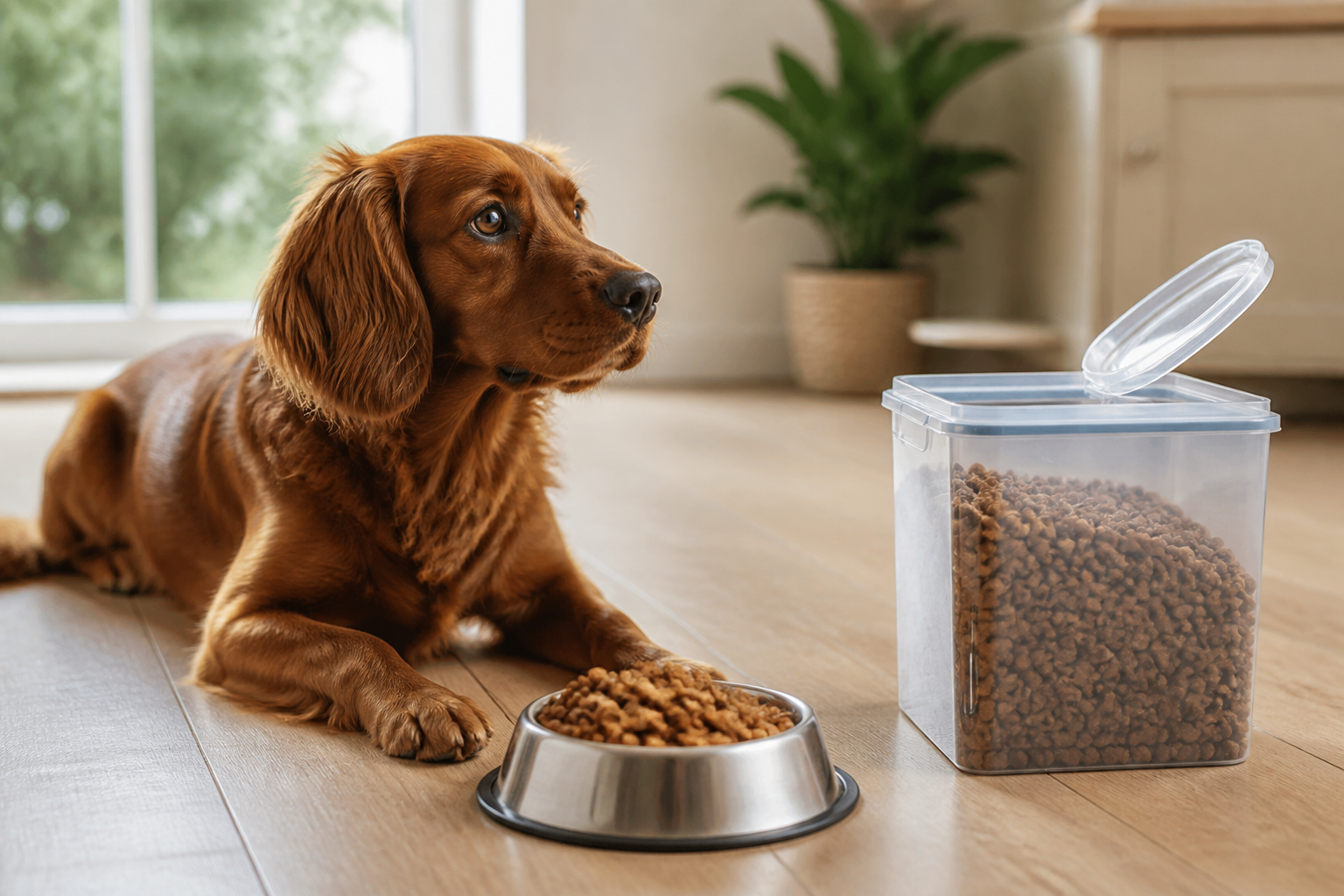
Introduction
You are reaching the bottom of a large bag of kibble that has been sitting in your pantry for a few months. You might notice the smell is a bit different or the texture feels slightly oily. It is a common moment for many pet owners who want to save money by buying in bulk but worry about the safety of their pet's dinner. At BaxterBoo, we have helped pet parents navigate these everyday care questions since 2006. We know that choosing a premium brand is only half the battle. Maintaining the integrity of that food at home is just as vital. This post covers the standard timeline for kibble freshness, the science of why food spoils, and the best ways to keep your dog's meals safe. You will learn how to spot signs of rancidity and how to manage your pantry to ensure every bowl is as nutritious as the first.
The Standard Timeline for Freshness
Most experts and manufacturers agree on a specific window for dry food. Once you break the seal on a bag of kibble, the countdown begins. You should aim to finish the bag within four to six weeks. While dry food looks like it could last forever, it is a perishable product made of biological materials.
The "Best By" date on the packaging refers to the unopened shelf life. Most bags will stay fresh for 12 to 18 months if the seal remains intact. This date is an estimate of when the nutrients will begin to degrade below the levels listed on the label. However, opening the bag introduces the food to its primary enemies: oxygen, moisture, and heat. When comparing options, explore our dry dog food category.
Quick Answer: Opened dry dog food is best when consumed within four to six weeks. While it may not look spoiled immediately after this window, the nutritional quality begins to decline and fats may start to turn rancid.
Why Dry Dog Food Spoils
It is helpful to understand the science behind food spoilage. Dry food goes through a process called oxidation. This happens when the fats in the kibble are exposed to oxygen. Even high quality brands like Orijen or Acana use natural preservatives like tocopherols. These are forms of Vitamin E that help slow down oxidation.
Natural preservatives are better for your dog's health than chemical ones. The trade-off is that they do not last as long once air hits them. When fats oxidize, they become rancid. This does more than just change the taste. It can actually be harmful to your dog's digestive system over time.
Humidity is another major factor. Dry kibble has a very low moisture content, usually around 10 percent. If it is stored in a damp environment, the kibble will absorb moisture from the air. This creates a breeding ground for mold and bacteria. Even if you cannot see the mold, it may be present in small amounts that can cause stomach upset.
Identifying Spoiled Kibble
Your dog's nose is much more sensitive than yours. Often, a dog will stop eating their food because they can smell that the fats have turned. If your usually hungry pup suddenly turns their nose up at a fresh bowl, do not assume they are just being picky. They might be protecting themselves from spoiled food. If this happens often, our guide to helping dogs eat dry food may offer additional ideas.
You can also use your own senses to check for freshness. Give the food a sniff. Fresh kibble should have a mild, nutty, or meaty aroma. If it smells like wet cardboard, paint, or old oil, it is likely rancid. You should also look at the texture. If the kibble feels excessively greasy or if it has become soft and crumbly, it has likely been exposed to too much heat or moisture.
Signs to Watch For
- A strong, sour, or "off" odor that differs from when the bag was first opened.
- Visible mold, which may look like white, green, or black fuzz on the kibble.
- An oily film on the inside of the bag or storage container.
- The presence of grain mites or small insects inside the bag.
- Your dog shows signs of nausea or lethargy after eating.
Vet Tip: If your dog accidentally consumes spoiled food and shows signs of persistent vomiting or diarrhea, consult your veterinarian immediately. They can help rule out food poisoning or bacterial infections like Salmonella.
The Best Storage Methods
How you store the food makes a huge difference in how long it stays "good." Many people pour the kibble directly into a plastic bin. This is actually a common mistake. Plastic bins can develop microscopic scratches over time. These scratches trap fats and food particles that turn rancid and contaminate the new food you pour in.
The gold standard for storage is to keep the food in its original bag. Manufacturers spend a lot of money designing bags that act as a barrier against oxygen and moisture. Roll the top of the bag down tightly and use a heavy duty clip to seal it. Then, place the entire bag inside an airtight container. This provides a double layer of protection. For suitable options, browse our dog food storage and accessories.
Storage location is also important. Keep the container in a cool, dry place. A pantry inside your climate-controlled home is much better than a garage or a laundry room. High heat and humidity in a garage will cause the fats in the food to break down much faster. For more storage guidance, read how to keep dog food dry for freshness and safety.
Storage Checklist
- Keep the food in the original packaging to preserve the lot number and expiration date.
- Place the bag inside a food-grade, airtight plastic or metal container.
- Store the container off the floor in a cool, dark pantry.
- Wash the storage container with soap and hot water every time you finish a bag.
- Ensure the scoop you use is clean and dry before every use.
Managing Your Food Supply
Value is important to every pet owner. We understand the temptation to buy the largest bag available to get the lowest price per pound. However, if you have a single small dog, a 40 pound bag will likely spoil before you reach the bottom. It is often more cost-effective to buy smaller bags that stay fresh for the duration of the feeding period.
If you want the convenience of bulk buying without the risk of spoilage, consider our Autoship programme. This allows you to receive smaller, fresher bags on a regular schedule. You still get a discount, and your dog gets food that has not been sitting open for two months.
Another tip is to date the bag. Use a permanent marker to write the date you opened the bag right on the front. This takes the guesswork out of how long it has been sitting there. If you reach the six-week mark and still have a lot of food left, you may need to adjust your bag size for the next order. For additional portion-planning ideas, see our article about how long dry dog food stays fresh after opening.
Key Takeaway: Proper storage is not just about keeping pests out. It is about slowing down the chemical process of oxidation to keep the food safe and nutritious.
Health Risks of Expired or Spoiled Food
Feeding spoiled food is not just a matter of bad taste. It can lead to real health issues. When vitamins and minerals degrade, your dog is no longer getting the balanced nutrition promised on the label. Over months, this can lead to deficiencies that affect their coat, energy levels, and immune system.
More immediate risks include bacterial contamination. Salmonella and E. coli can grow in food that has been exposed to moisture. These bacteria can make your dog very sick and can even be passed to humans in the household during handling. Rancid fats can also cause irritation to the lining of the stomach and intestines.
For dogs with sensitive stomachs or chronic health conditions, the quality of food is even more critical. Our pet pharmacy offers prescription diets and supplements for pets managing specific health needs through our partnership with Pet's Choice. If your pet requires a specific therapeutic diet like Royal Canin Veterinary Diet or Farmina Vet Life, keeping that food fresh is vital for their treatment plan.
Avoiding Cross-Contamination
Contamination often happens because of the tools we use. If you use a plastic cup as a scoop and never wash it, old fats will build up on the surface. These fats turn rancid and transfer to the fresh kibble every time you scoop. Use a stainless steel or heavy-duty plastic scoop and wash it at least once a week.
Never "top off" your food container. This is the practice of pouring a new bag of food on top of the remnants of an old bag. The old food at the bottom is already starting to oxidize. By mixing them, you are essentially "seeding" the new bag with rancid fats and potentially mold spores. Always finish the old bag completely, wash the container, and let it dry before adding a new bag. For more practical ideas, read our dry dog food storage guide.
Bottom line: Treat your dog's food storage with the same hygiene standards you use for your own kitchen pantry.
Buying Habits and Value
We stock over 500 trusted brands at BaxterBoo because we know every dog has different needs. Whether you prefer the raw-infused kibble from Stella and Chewy's or the limited ingredient diets from NutriSource, the same rules of freshness apply. Premium ingredients deserve premium care at home.
If you find yourself throwing away food because it spoils, you are losing money. Smaller bags might have a higher price per pound, but they provide better value because you use every single kibble. You can also look into the MVP Rewards programme. This helps you earn points on every purchase, which can offset the cost of buying smaller, fresher bags more frequently.
We operate out of a real warehouse in Vernon Hills, Illinois. This means our stock turns over quickly, and we do not have bags sitting on shelves for years. When you order from us, you are getting the freshest possible product straight from our temperature-controlled facility.
Managing Senior Dog Needs
Senior dogs often have a decreased appetite or slower digestion. If you are feeding a senior dog, they may take longer to get through a bag of food. They are also more susceptible to the negative effects of rancid fats or degraded vitamins. For these pets, buying very small bags is the safest choice. For related nutrition guidance, read our guide to choosing food for senior dogs.
If your senior dog is on supplements for joint health or cognitive support, like Cosequin or Senilife, it is even more important that their base diet is stable. Fresh food provides the foundation that allows supplements to work effectively. If you notice your senior pet is becoming pickier, check the age of the food first before assuming it is a health decline.
Vet Tip: If your senior dog stops eating their regular dry food, it could be due to spoilage, but it could also be dental pain or an underlying medical issue. Always have a veterinarian check their teeth and overall health if their eating habits change suddenly.
Step-by-Step: Transitioning to a New Bag
Step 1: Check the date. / Verify the "Best By" date on the new bag and write today's date on the packaging.
Step 2: Inspect the food. / Look for any signs of moisture or odd smells before you serve the first bowl.
Step 3: Clean your container. / If you use an outer bin, wash it thoroughly with warm soapy water and ensure it is completely dry.
Step 4: Place the bag inside. / Keep the kibble in its original bag, roll it down, clip it, and place it inside the airtight bin.
Step 5: Store it properly. / Move the container to a cool, dark area like a kitchen pantry or a climate-controlled closet.
Conclusion
Dry dog food is a convenient and nutritious option for most pets, but it is not a "set it and forget it" product. By keeping your kibble in its original bag, sealing it tightly, and using it within six weeks, you ensure your dog gets the best possible nutrition. At BaxterBoo, we want to help you make the most of the premium brands you choose for your family. Proper storage protects your investment and, most importantly, protects your dog's health. If you are looking for a more convenient way to keep fresh food arriving at your door, consider signing up for our Autoship programme or browsing our dog food storage and accessories.
FAQ
Can I feed my dog food that has been open for three months?
It is generally not recommended to feed kibble that has been open for that long. By the three-month mark, the fats have likely oxidized significantly, and the vitamins have degraded. This can lead to stomach upset or a lack of proper nutrition for your dog.
Should I store dry dog food in the refrigerator to keep it fresh?
While refrigeration can slow down oxidation, it often introduces moisture through condensation. This moisture can lead to mold growth inside the bag. It is better to store the food in a cool, dry, and dark pantry inside a sealed container.
Is it safe to freeze dry dog food?
Freezing can preserve the fats for a longer period, but it has risks. When you take the food out of the freezer, condensation will form on the kibble as it thaws. This moisture can lead to spoilage or mold if the food is not eaten immediately after thawing.
Why does the food smell different at the bottom of the bag?
The food at the bottom of the bag has been exposed to the most oxygen and has sat the longest. It also collects "fines," which are the small crumbs and dust from the kibble. These small particles have more surface area and oxidize much faster than whole kibble.






