
 Save 15% on your 1st Autoship learn more

 Email us
 Live Chat
 FAQs
FAQs





Introduction
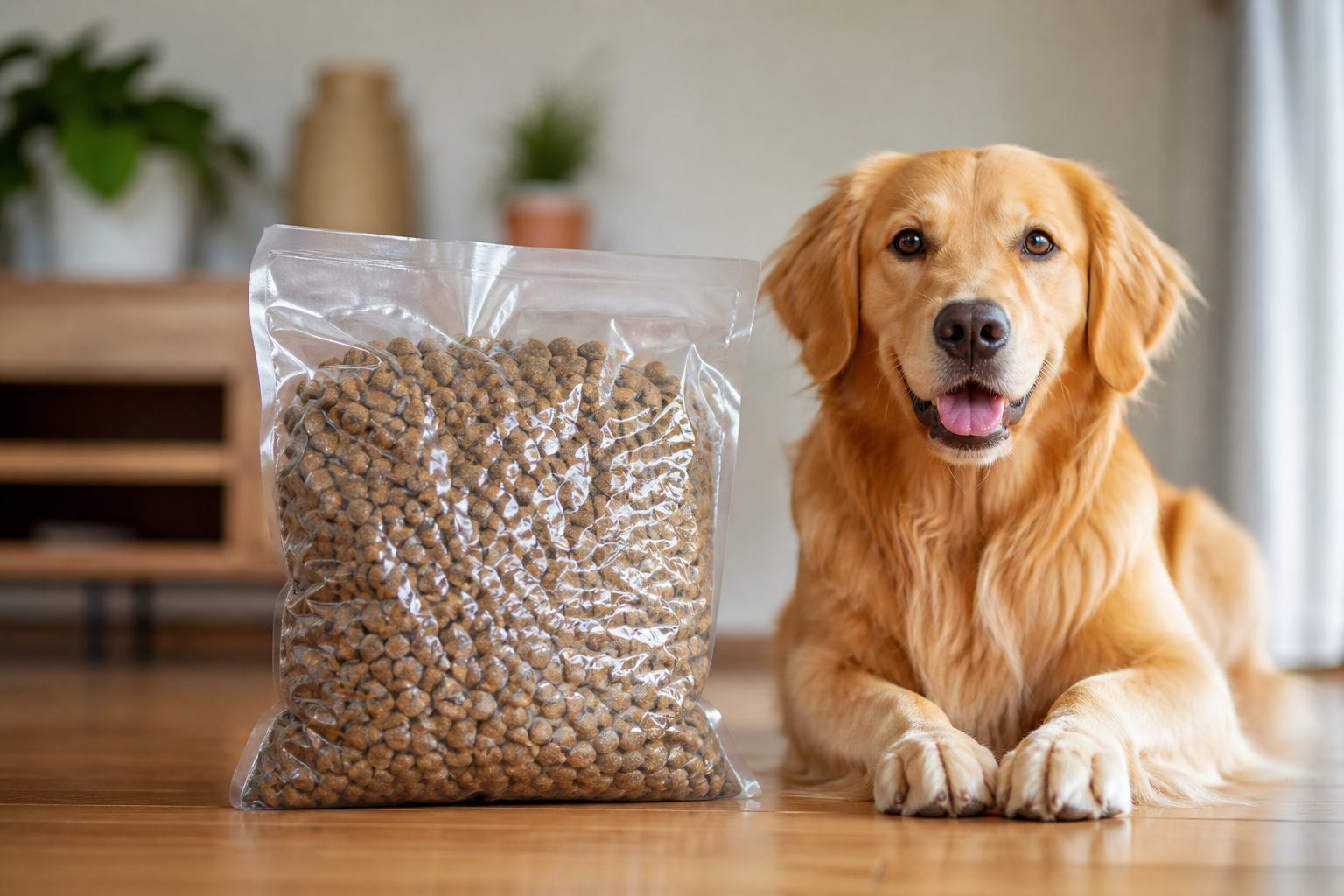
You just hauled a massive 30-pound bag of premium kibble from your car to the kitchen. If you have a small dog, you know that bag might sit open for months. As you scoop the first meal, you might wonder if the last bowl will be just as fresh as the first. Many pet owners turn to vacuum sealing to solve this problem. At BaxterBoo, we see customers looking for ways to keep high-quality food safe and nutritious for as long as possible. This post covers the specific timelines for sealed food and how to maximize its shelf life. We will also explain how to spot spoilage and why air is the enemy of your dog’s dinner. Properly stored, vacuum sealed dry dog food can remain fresh for up to one year.
Quick Answer: Vacuum sealed dry dog food typically lasts 12 months when stored in a cool, dark place. This is a significant increase from the standard six-week window for food in an opened, unsealed bag. Always check for signs of rancidity before feeding.
The Reality of Kibble Shelf Life
Every bag of dog food comes with a "best by" date printed on the packaging. This date is the manufacturer's estimate of how long the food stays at peak nutritional quality while unopened. Most unopened bags are shelf-stable for 12 to 18 months from the date of production. However, everything changes the moment you break that factory seal. If you are comparing formulas, explore our dog food category.
When air hits the kibble, the clock starts ticking fast. Most experts recommend using an opened bag of dry dog food within six weeks. Oxygen causes the fats in the food to break down through a process called oxidation. This leads to a loss of flavor and, more importantly, a loss of nutritional value. Vacuum sealing changes this equation by removing the oxygen entirely.
By pulling the air out and creating an airtight barrier, you stop the oxidation process in its tracks. This can extend the usable life of the food from six weeks to a full year. If you also choose to freeze the vacuum-sealed portions, that timeline can extend even further. For more storage guidance, read how long dry dog food lasts.
Why Oxygen is the Enemy of Dog Food
Dry dog food contains various fats and oils, including essential fatty acids like Omega-3 and Omega-6. These fats are vital for your dog’s skin, coat, and brain health. Unfortunately, fats are highly reactive to oxygen. When oxygen molecules interact with these fats, they turn rancid.
Rancidity does more than just make the food smell like old paint or wet cardboard. It actually alters the chemical structure of the food. These changes can cause digestive upset or long-term health issues if a dog eats spoiled food regularly. This is why a simple plastic bin is often not enough. Even in a bin, the food is sitting in a pocket of air. You can also review the warning signs of spoiled dry dog food.
Key Takeaway: Vacuum sealing is superior to standard bins because it removes the oxygen that causes fats to spoil. It preserves the vital nutrients your dog needs for a healthy life.
How to Vacuum Seal Dry Dog Food Correctly
To get the full year of freshness, you cannot simply toss kibble into a bag and press a button. You need a systematic approach to prevent moisture and contamination. Follow these steps for the best results.
Step 1: Wash your hands and tools. / Use clean scoops and ensure the environment is dry to prevent introducing bacteria or moisture into the bags.
Step 2: Portion the food. / Divide the large bag into smaller portions that your dog can finish in one week. This prevents you from exposing the entire stock to air every time you feed them.
Step 3: Use oxygen absorbers. / Place a food-grade oxygen absorber packet inside each bag before sealing. These small packets soak up any residual air the machine might miss.
Step 4: Seal and label. / Use the vacuum sealer to remove the air. Write the date of sealing and the original expiration date from the bag on the outside of the seal.
Step 5: Store in a dark place. / Place the sealed bags in a climate-controlled area. A pantry is better than a garage or a damp basement. For portion-planning ideas, see how much dry food to feed a dog.
Keep the Original Packaging Information
It is tempting to throw the original bag away once you have portioned everything out. Do not do this. The original bag contains the lot number, the UPC, and the specific manufacturer details. This information is critical if there is ever a product recall. We recommend cutting out the portion of the bag with the lot number and taping it to your storage bin. You can also take a photo of it on your phone for easy access.
Signs Your Dog Food Has Gone Bad
Even with the best vacuum sealing, you must inspect the food before every meal. Dogs are often less picky than humans, but their bodies will react to spoiled ingredients. You should be the first line of defense.
- A Sour or Musty Smell: Fresh kibble usually has a meaty or grain-heavy scent. If it smells like chemicals, paint thinner, or old oil, it is likely rancid.
- A Change in Texture: Spoiled food may feel oily or sticky to the touch. This happens when the fats migrate to the surface as they break down.
- Visible Mold: If moisture was trapped inside the vacuum seal, mold can grow. This looks like white, green, or black fuzz on the kibble bits.
- Pest Activity: Check the bags for tiny holes. Even a vacuum seal can be breached by determined pantry moths or rodents.
Vet Tip: If your dog suddenly refuses to eat a food they usually love, do not force them. They can often smell spoilage long before we can. Feeding spoiled food can lead to vomiting or diarrhea. If these symptoms persist, consult your veterinarian immediately.
Storing Prescription and Specialty Diets
If your dog is on a prescription diet, such as Farmina Vet Life, freshness is even more critical. These foods are formulated with precise nutrient ratios to manage specific health conditions. When these nutrients degrade, the food may no longer support your dog's medical needs effectively. Browse our selection of Farmina dog foods when comparing specialty formulas.
Our pharmacy at BaxterBoo provides FDA-approved medications and prescription pet foods through our partnership with Pet's Choice. If your dog requires a specific diet for weight management, kidney health, or allergies, you want to ensure every calorie counts. Vacuum sealing these expensive diets helps protect your investment in your dog's health. Our pet pharmacy offers prescription products for dogs.
Always check with your vet before changing how you store a prescription diet. Some specific formulations may have different stability requirements. Our pharmacy team can often help answer questions about the specific brands we carry.
The Importance of Temperature and Light
Vacuum sealing handles the oxygen problem, but it does not protect against heat. Dry dog food should be stored in an environment cooler than 80 degrees Fahrenheit. High heat accelerates the breakdown of vitamins and minerals. It can also cause the plastic of the vacuum bag to interact with the food.
Light is another factor that many owners overlook. UV rays can penetrate many types of plastic and degrade the food. This is why we recommend keeping your sealed portions in an opaque bin or a dark cupboard. A kitchen pantry is the gold standard for storage. Avoid the garage, as the temperature swings from day to night are too extreme for long-term food stability. For additional storage advice, read how long dry dog food stays fresh once opened.
Why Bulk Buying and Vacuum Sealing Save Money
Many premium brands carried at BaxterBoo offer better value when you buy the largest bag size. However, the savings disappear if you have to throw away the last five pounds of stale food. Vacuum sealing allows you to take advantage of bulk pricing without risking waste.
You can also use our Autoship programme to ensure you never have too much food sitting around at once. By timing your deliveries to match your dog’s eating habits, you can keep your stock fresh and your pantry manageable. Combined with the MVP Rewards programme, this approach makes high-quality nutrition more affordable for every household.
Key Takeaway: Using vacuum sealing alongside a steady delivery schedule like Autoship ensures your dog always gets the freshest possible nutrition.
Common Mistakes When Sealing Kibble
One common error is trying to seal the kibble while it is still in the original bag. Most dog food bags are lined with foil or specialized paper. Vacuum sealers usually need specific textured plastic bags to create a true airtight bond. Transfer the kibble directly into vacuum-sealing bags for the best results.
Another mistake is sealing huge portions. If you seal a month's worth of food in one giant bag, the vacuum is gone the second you open it. The food inside will then be exposed to air for the next 30 days. Smaller, weekly portions are much more effective. They keep the bulk of your food protected until the very moment you need it. If you are considering other feeding formats, read whether wet or dry food is better for dogs.
Checklist for Perfect Food Storage
- Use BPA-free, food-grade vacuum bags.
- Divide food into 7-day portions.
- Include an oxygen absorber in every bag.
- Store bags in a cool, dark place.
- Label every bag with the original "best by" date.
- Keep the original lot number in case of recalls.
Conclusion
Vacuum sealing is an excellent way to maintain the integrity of your dog's diet. While a standard open bag only lasts about six weeks, vacuum sealing can extend that freshness to 12 months. This process protects essential fats from oxidation and keeps pests out of the kibble. We encourage you to use this method for both standard kibble and specialized prescription diets. At BaxterBoo, we want to help you provide the best care for your pets through quality products and practical advice. If you are managing a chronic health condition with a specific diet, visit our pet pharmacy to see how we can support your pet's wellness journey.
Bottom line: Vacuum sealing dry dog food can safely extend its shelf life to one year if stored in a cool, dark environment.
FAQ
Can I vacuum seal dry dog food that has already been open for a month?
You can, but it will not be as fresh as food sealed immediately after opening. The oxidation process has already started, so the nutritional value will be lower. It is always best to portion and seal the entire bag as soon as you bring it home.
Does vacuum sealing stop the expiration date on the bag?
No, vacuum sealing does not stop time. The "best by" date is based on the chemical stability of the ingredients. Vacuum sealing slows down the degradation caused by air, but it cannot prevent the natural breakdown of vitamins over several years.
Is it better to vacuum seal or freeze dry dog food?
The best method is to do both. Vacuum sealing removes the air, and freezing slows down the chemical processes even further. If you have the freezer space, vacuum-sealed bags can stay fresh for up to two years when frozen.
Can I reuse vacuum-sealed bags for dog food?
It is generally not recommended to reuse the bags unless they are specifically designed for it. Dog food is oily, and those oils can stay in the corners of the bag. These old oils can turn rancid and contaminate the new batch of fresh food you put inside.






