
 Save 15% on your 1st Autoship learn more

 Email us
 Live Chat
 FAQs
FAQs





Introduction
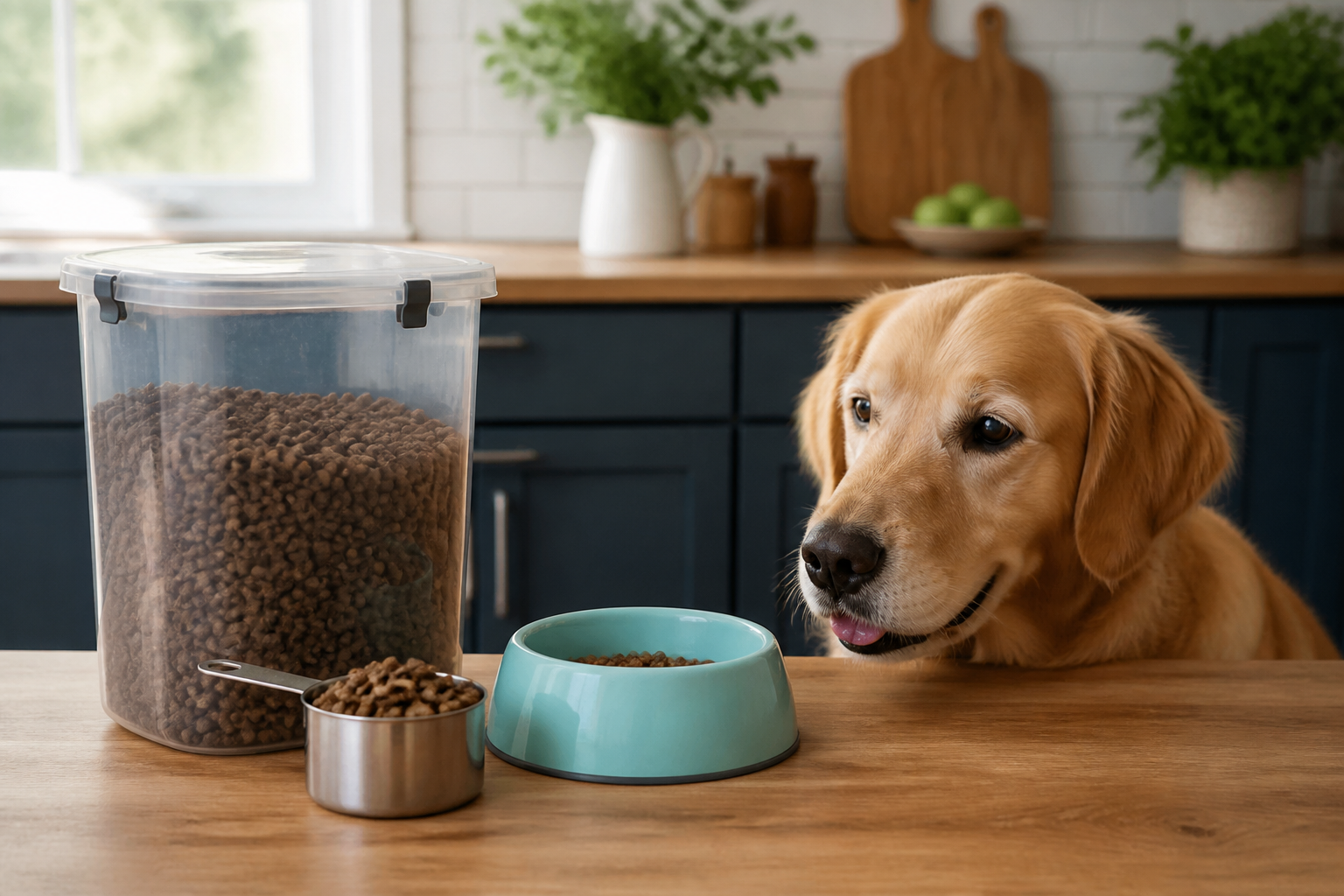
You are standing in your kitchen or at our warehouse in Vernon Hills looking at a medium-sized bag of kibble. You see the number 15 on the front. You wonder if this bag will last through the end of the month or if you will be back for more in a week. At BaxterBoo, we understand that planning your dog's meals is about more than just filling a bowl. It is about budgeting, storage, and ensuring your pet stays at a healthy weight. Knowing the volume of a 15-pound bag helps you set up your Autoship schedule and manage your pet's nutrition. This guide explains the math behind the measurements and helps you determine exactly how many meals are inside.
Quick Answer: Most 15-pound bags of dry dog food contain between 52 and 67 cups of kibble. While the standard average is 4 cups per pound, the density of the specific brand and the size of the kibble will change this number.
The Standard Calculation for Dog Food Volume
When you look at a bag of dry food, you are looking at weight, not volume. However, we measure daily meals by volume using cups. This is where the confusion starts. A 15-pound bag of lead would be very small. A 15-pound bag of feathers would be huge. Dog food falls somewhere in the middle.
Most standard dry dog food has a density that results in about 4 cups per pound. If you use this as your baseline, the math is simple. You multiply 15 pounds by 4 cups to get 60 cups. This is a very common average for many popular brands we carry, including NutriSource and Stella and Chewy's.
However, this number is an estimate. If the kibble is very dense and heavy, you might only get 3.5 cups per pound. This would mean your 15-pound bag has only 52.5 cups. If the kibble is light and airy, you might get 4.5 cups per pound. That would give you 67.5 cups.
Why the Range Matters
Knowing the range helps you avoid running out of food. If you have a large dog eating 4 cups a day, the difference between 52 cups and 67 cups is nearly four days of food. We recommend using the lower end of the estimate when planning your first purchase of a new brand. This ensures you do not have a hungry dog on a Sunday night when the stores are closed.
Factors That Change the Cup Count
Every brand uses a different recipe. These recipes result in different weights and shapes for the kibble. When we stock 500+ brands, we see how much these physical traits vary. You can compare formulas in our dry dog food category.
Kibble Size and Shape
Small bites kibble is designed for tiny mouths. These small pieces pack together very tightly in a measuring cup. There is very little air between the bits. This means a cup of small-breed food often weighs more than a cup of large-breed food.
In contrast, large-breed kibble is often chunky or heart-shaped. These shapes create large air pockets in the measuring cup. You might feel like you are giving a full cup, but you are actually providing less weight in food. This is why a 15-pound bag of large-breed kibble might look much bigger than a 15-pound bag of small-breed kibble.
Ingredient Density
The ingredients themselves play a role in how much a cup of food weighs. High-protein foods with a lot of meat meal tend to be denser. Foods that use a lot of fiber or "air-puffed" grains for weight management might be lighter.
If you are feeding a premium brand like Orijen or Acana, the food is often quite dense. You might find that these bags have fewer cups per pound but higher calories per cup. Always check the calorie count on the back of the bag. This tells you more about the nutritional value than the volume alone. Our dog food selection featuring Orijen and Acana gives you options to compare.
Key Takeaway: Kibble density is the main reason cup counts vary. Small, heavy kibble packs more tightly, while large, airy kibble takes up more space with less weight.
How Long a 15-Pound Bag Lasts
Once you know the approximate cup count, you can figure out your timeline. This is essential for setting up recurring deliveries or joining our Frequent Buyer Program.
| Dog Size | Average Daily Amount | How Long 15 lbs Lasts (Approx.) |
|---|---|---|
| Small (Under 20 lbs) | 1/2 to 1 cup | 60 to 120 days |
| Medium (20 to 50 lbs) | 1 to 2 cups | 30 to 60 days |
| Large (50 to 90 lbs) | 2 to 4 cups | 15 to 30 days |
| Giant (Over 90 lbs) | 4+ cups | 10 to 15 days |
For a medium-sized dog, a 15-pound bag is often the perfect monthly size. It is easy to carry and fits well in standard storage containers. If you have a larger dog, you might find yourself buying these bags twice a month.
The Importance of Accurate Measuring
Inaccuracies in measuring can lead to health problems. We often see pet owners use coffee mugs or plastic scoops that are not true measuring cups. This is a common mistake that leads to overfeeding. For a deeper explanation, read how much a cup of dry dog food weighs.
Use a Dry Measuring Cup
There is a difference between liquid and dry measuring cups. Liquid cups have a spout and are meant to be read at eye level. Dry measuring cups are meant to be filled to the top and leveled off. For dry kibble, you should always use a standard dry measuring cup.
The Level Scoop
When you scoop the food, do not leave a mound on top. A "heaping" cup can contain 20% to 25% more calories than a level cup. Over time, these extra calories add up to significant weight gain. Use a flat edge, like the back of a spoon, to level the top of the cup.
The Scale Method
If you want the most accuracy, use a kitchen scale. Most dog food bags list the weight of a serving in grams. This is the most consistent way to feed. It eliminates the problem of air pockets and kibble shape. If your dog is on a strict weight-loss plan, weighing the food is the best way to ensure success.
Vet Tip: Obesity is a leading cause of joint pain and heart disease in dogs. If you are struggling to keep your dog at a healthy weight, consult your veterinarian. Our pet pharmacy also carries prescription weight management diets through our partnership with Pet's Choice.
Maintaining Freshness and Quality
A 15-pound bag lasts a long time for a small dog. This brings up the issue of freshness. Once a bag of dog food is opened, the fats inside begin to oxidize. This can lead to a loss of nutritional value and a change in flavor.
The 30-Day Rule
As a general rule, we recommend using a bag of dry food within 30 days of opening. If it takes your dog three months to finish a 15-pound bag, you might consider buying smaller 5-pound bags instead. This ensures the food stays fresh and the vitamins remain stable.
Proper Storage
Do not pour the kibble directly into a plastic bin. Plastic can leach chemicals into the food, and old fats can get stuck in the pores of the plastic. Instead, place the entire bag inside a sealed container. This provides a double barrier against pests and air. It also keeps the bag's barcode and expiration date handy. For more ideas, see how to keep dog food dry for freshness and safety.
Storage Environment
Keep the food in a cool, dry place. Avoid storing dog food in a garage or a damp basement. Heat and humidity accelerate the spoiling process. A pantry or a kitchen closet is usually the best spot.
Managing Your Dog's Health and Weight
The number of cups in the bag is only one part of the health equation. The quality of those cups matters more. If you find that your dog is always hungry even though you are feeding the recommended amount, the food might be low in protein or fiber.
Prescription Diets
Some dogs require specialized nutrition for medical conditions. This might include kidney support, allergy management, or digestive health. If your vet prescribes a specific food, our pharmacy provides a convenient way to get these medications and prescription diets delivered. Through our partnership with Pet's Choice, we offer FDA-approved options for chronic health management.
Monitoring Body Condition
Do not rely solely on the chart on the back of the bag. Those charts are designed for active, intact adult dogs. If your dog is older or has been spayed or neutered, they may need less food.
Check your dog's ribs every week. You should be able to feel them easily with light pressure, but they should not be visible. There should be a clear waistline when you look down at your dog from above. If the waist disappears, it is time to slightly reduce the daily cup count.
Planning Your Purchases at BaxterBoo
Managing your dog's food supply should not be a chore. We offer several programs to make this easier for you.
Autoship and MVP Rewards
If you know a 15-pound bag lasts you exactly 45 days, you can set up our Autoship programme. This saves you money on your first order and ensures you never run out. Plus, the MVP Rewards programme lets you earn up to 5% back on your purchases. This is a great way to save on treats and toys while taking care of the essentials.
Frequent Buyer Program
Many of the premium brands we carry participate in our Frequent Buyer Program. This allows you to earn free bags of food over time. It is a simple way to get more value out of the brands you already trust.
Transitioning to a New Bag or Brand
If you are buying a 15-pound bag of a new brand, do not switch all at once. Even if the weight is the same, the ingredients and density are different. A sudden change can cause an upset stomach. Our guide on switching from dry to wet dog food also explains why gradual food transitions matter.
Step 1: Mix 25% of the new food with 75% of the old food for two days.
Step 2: Mix the foods in a 50/50 ratio for another two days.
Step 3: Move to 75% new food and 25% old food for the final two days.
Step 4: Feed 100% of the new food.
During this transition, keep an eye on your dog's digestion. If you notice any issues, slow down the process.
Bottom line: A 15-pound bag of dog food is a versatile size that offers about 60 cups of nutrition, making it a great choice for medium dogs or multi-dog households.
Summary of Feeding Success
Understanding the volume in your dog's food bag is about consistency. When you measure accurately, you protect your dog's health and your own budget. A 15-pound bag is a manageable weight for most owners and provides a fresh supply of food for about a month for many dogs.
- Expect 52 to 67 cups per 15-pound bag.
- Always use a level, dry measuring cup.
- Store the food in its original bag inside a sealed bin.
- Consult your vet for personalized feeding amounts.
If you need help choosing the right formula or managing a specific health condition, our team is here to help. From premium kibble to prescription diets through our pharmacy, we have the resources to keep your pet thriving.
FAQ
How many cups are in a 15-pound bag of small breed dog food?
Small breed kibble is usually denser and smaller, so it often leans toward the higher end of the scale. You can expect about 60 to 67 cups in a 15-pound bag of small breed food. Because the pieces are tiny, they fill the measuring cup with very few air gaps.
How many days will a 15 lb bag of dog food last for a 50 lb dog?
A 50-pound dog typically eats about 2 to 2.5 cups of food per day. If a 15-pound bag has roughly 60 cups, it will last between 24 and 30 days. This makes a 15-pound bag a very convenient monthly purchase for medium-sized dogs.
Is it cheaper to buy 15 lbs or a larger bag?
Generally, the price per pound decreases as the bag size increases. However, for smaller dogs, a 15-pound bag is often better because it stays fresh until the end. Buying a 40-pound bag for a tiny dog may lead to the food going stale or spoiling before it is finished.
Does kibble shape change how many cups are in 15 lbs of food?
Yes, kibble shape significantly impacts volume. Irregularly shaped kibble, like stars or large triangles, creates more air space in the measuring cup. This results in fewer cups per 15-pound bag compared to a bag of small, round, dense kibble.






