
 Save 15% on your 1st Autoship learn more

 Email us
 Live Chat
 FAQs
FAQs





Introduction
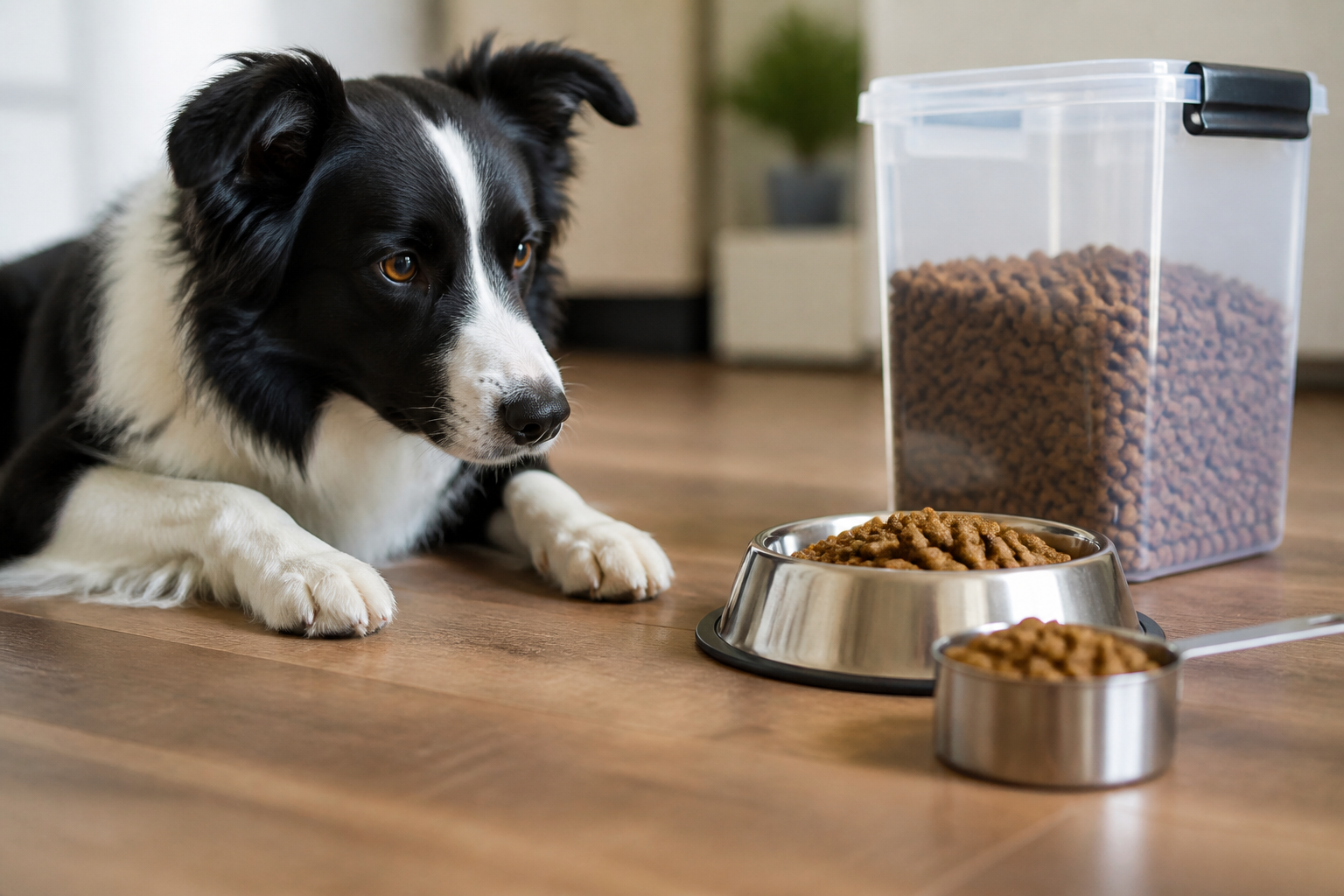
You are standing in the pet aisle or looking at your pantry shelf with a brand new 4-pound bag of kibble. You need to know how long this bag will last or if it will fit into that new airtight container you just bought. Many dog owners prefer these smaller bags to keep the food fresh for a single small dog. However, the bag is labeled by weight, while your feeding instructions are listed in cups. This mismatch often leads to a quick math session in the middle of the kitchen.
At BaxterBoo, we know that accurate feeding is the foundation of a healthy life for your pet. Understanding the volume of your dog food helps you plan your budget and manage your dog's weight. This guide explains the calculation for 4-pound bags and explores why different brands vary in volume. We will also look at the best ways to measure your pet's meals to ensure they get exactly what they need.
Quick Answer: On average, there are about 16 cups of dry dog food in a 4-pound bag. This estimate is based on the standard rule that one pound of kibble equals roughly 4 cups. Most bags will range between 12 and 20 cups depending on the size and weight of the individual pieces.
The Quick Calculation: How Many Cups are in 4 Pounds?
The most common question for any bag size is the conversion from weight to volume. Most standard dry dog foods have a density that allows for 4 cups of food per pound. If you use this general rule, a 4-pound bag contains approximately 16 cups of food. This is a helpful starting point for your weekly meal planning. If you are comparing formulas, browse our dog food category to explore different options.
If your dog eats one cup of food per day, a 4-pound bag should last roughly 16 days. If you have a smaller dog eating only half a cup per day, that same bag can last for an entire month. Knowing this number helps you decide when to set up your next order. It also helps you determine if you should take advantage of our Autoship programme to ensure you never run out.
However, it is important to remember that this is an estimate. Kibble is not a uniform product like water or flour. The shape of the kibble and the ingredients used will shift the weight. Some brands are very light and airy, while others are dense and heavy. This means the 16-cup rule can fluctuate significantly depending on what you are feeding.
Key Takeaway: While 16 cups is the standard average for 4 pounds of kibble, the actual volume usually falls between 12 and 20 cups depending on the brand.
Why Kibble Density Changes Your Total Cup Count
Density is the reason why one bag of food might look much fuller than another bag of the same weight. If you have ever noticed that a bag of grain-free food looks smaller than a bag with grains, you are seeing density in action. High-protein, meat-heavy foods are often denser. This means they weigh more even if they take up less space in the bag.
Kibble size also plays a massive role in how many cups you get. Think about the difference between a small-breed kibble and a large-breed kibble. Small kibble pieces are tiny and round. They pack closely together in a measuring cup with very little air between them. Large kibble pieces are often chunky or X-shaped. They leave large gaps of air in the cup.
- Small Kibble: This typically results in fewer cups per pound because the pieces are dense and pack tightly.
- Large Kibble: This often results in more cups per pound because the irregular shapes create air pockets in your measuring tool.
- Light/Airy Kibble: Some brands use a process that makes the kibble more porous. These take up more room and may give you closer to 5 cups per pound.
- Freeze-Dried Raw: If you are using a brand like Stella & Chewy's or Vital Essentials, the weight-to-volume ratio changes entirely. These foods are extremely light and will have a much higher cup count per pound.
Bottom line: The size and shape of the kibble determine how much air is in your measuring cup, which changes the total cup count in the bag.
Measuring Your Dog Food the Right Way
Accuracy in the kitchen translates to health in the kennel. Many owners grab a random coffee mug or a plastic stadium cup to scoop out dinner. This is one of the easiest ways to accidentally overfeed your dog. A standard measuring cup is 8 ounces by volume. A random mug could be 12 or 16 ounces. This means you could be feeding double the calories without realizing it.
We recommend using a dedicated dry measuring cup for your dog food. These are the flat-topped cups typically used for baking. They allow you to level off the top so you are not giving a "heaping" scoop. A heaping scoop can add 20 percent more calories to every meal. Over a month, those extra calories lead to weight gain that strains your dog's joints and heart. For more detail, read how much a cup of dry dog food weighs.
Step 1: Choose a standard 8-ounce dry measuring cup. / Do not use liquid measuring cups with spouts, as these are harder to level accurately.
Step 2: Scoop the food loosely into the cup. / Do not pack the kibble down, as this increases the calorie count per serving.
Step 3: Level the top of the food. / Use a flat edge or your hand to ensure the food is flush with the rim of the cup.
Step 4: Check the weight with a scale occasionally. / If you want perfect accuracy, use a digital kitchen scale to measure the food in grams.
Vet Tip: If your dog is struggling with weight management, stop measuring by volume and start measuring by weight in grams. A digital scale is the most accurate way to ensure your dog receives the exact calorie count recommended by your veterinarian.
Planning Your Budget with 4-Pound Bags
Buying a 4-pound bag is a popular choice for owners of small dogs like Chihuahuas or Pomeranians. It is also common for people who want to rotate flavors frequently. However, smaller bags often have a higher price per pound than large bulk bags. Knowing exactly how many cups are in that 4-pound bag helps you see if the convenience is worth the cost.
If you are feeding a medium or large dog, a 4-pound bag will disappear very quickly. A dog eating 4 cups a day will finish that bag in just four days. In these cases, 4-pound bags are better served as a "to-go" bag for travel or camping. For a small dog eating half a cup a day, that bag is a perfect monthly supply.
To maximize your value, we recommend looking into the MVP Rewards programme. This allows you to earn points on every bag, regardless of size. If you find that the 4-pound bag is your preferred size, you can also use our Autoship program. This ensures a fresh bag arrives just as you are reaching those last few cups.
Key Takeaway: 4-pound bags are ideal for small breeds or travel, providing roughly a two-week to one-month supply for dogs eating one cup or less per day.
Health and Portion Control: Why the Math Matters
Precision is not just about saving money. It is a vital part of preventative healthcare. Canine obesity is a growing concern in the United States. It leads to secondary issues like diabetes, kidney disease, and decreased mobility. When you know there are 16 cups in a bag, and you feed exactly one cup a day, you can track your dog's health more effectively.
If you notice your dog is gaining weight but you are "only feeding one scoop," the problem is often the scoop itself. If your "one cup" is actually 1.2 cups because of a heavy hand, your dog is getting an extra 60 to 100 calories daily. For a 10-pound dog, that is a massive percentage of their daily needs.
Always refer to the feeding chart on the back of your specific bag. Brands like NutriSource, Open Farm, or Acana have very different calorie counts per cup. One cup of a high-calorie puppy food is not the same as one cup of a senior weight-management formula. Use the 16-cup estimate to plan your purchases, but use the bag's specific instructions to plan the meals. You can also review how many grams are in a cup of dry dog food for another approach to portion control.
Vet Tip: Always consult your veterinarian before significantly changing your dog's portion sizes. They can help you calculate the exact number of calories your dog needs based on their current body condition score rather than just their weight.
Managing Prescription Diets and Specialized Nutrition
Some dogs require very specific measurements because of chronic health conditions. If your dog has been diagnosed with kidney issues, urinary stones, or severe allergies, your vet may prescribe a specific diet. These prescription foods, such as the Farmina Vet Life range, are formulated with precise nutrient ratios. In these cases, measuring correctly is a matter of medical necessity.
Our pet pharmacy offers a wide selection of prescription pet foods and medications through our partnership with Pet's Choice. When you are dealing with a prescription diet, the density of the kibble is even more important to monitor. These foods are designed to achieve a specific medical outcome. Overfeeding a prescription diet can interfere with the treatment your vet has planned.
If your dog is on medication for a condition like heart disease or thyroid issues, their appetite might change. Tracking how many cups are in your bag allows you to notice quickly if your dog is eating less than usual. This can be an early warning sign that you need to check in with your vet.
Bottom line: For dogs on prescription diets, precise measurement ensures that the therapeutic benefits of the food are not compromised by overfeeding or underfeeding.
Storing Your Dog Food to Maintain Freshness
One of the best reasons to buy a 4-pound bag is freshness. Once a bag of dog food is opened, the fats inside begin to oxidize when exposed to air. This can lead to a loss of nutritional value and a change in flavor that might make your dog refuse the food. A smaller bag ensures that the food is consumed quickly, long before it has a chance to go stale. For additional storage guidance, read does dry dog food go bad.
To keep those 16 cups of food as fresh as possible, keep the kibble in its original bag. The bags are designed with barriers to protect against oxygen and moisture. You can place the entire bag inside an airtight plastic or metal container for extra protection against pests. This double-layer approach is the gold standard for pet food storage.
- Avoid Heat: Store the bag in a cool, dry place. Avoid cupboards near the oven or in a damp garage.
- Seal it Tight: Use a bag clip to seal the original packaging after every meal.
- Wash the Bin: If you pour the food directly into a container, wash the container with soap and water between every bag. Old fats can settle at the bottom and spoil the new food.
At BaxterBoo, we ship our food directly from our climate-controlled warehouse in Vernon Hills, Illinois. This ensures that when your 4-pound bag arrives, it is as fresh as possible. Whether you are buying a premium brand like Orijen or a specialized diet, proper storage at home keeps that quality intact until the very last cup.
FAQ
How many days will a 4-pound bag of dog food last for a small dog?
If a small dog eats 1/2 cup per day, a 4-pound bag containing roughly 16 cups will last for 32 days. If the dog eats 1 cup per day, the bag will last for about 16 days. Always check the specific kibble density, as a very light kibble might last a few days longer.
Is it more accurate to measure dog food by weight or by volume?
Measuring by weight using a digital scale is significantly more accurate than using a measuring cup. Volume measurements can vary based on how tightly the kibble is packed and the size of the pieces. Weight ensures your dog gets the same amount of calories in every meal regardless of kibble shape.
Why does my 4-pound bag of grain-free food look smaller than my old brand?
Grain-free foods are often denser and contain more heavy protein sources, which weigh more than the lighter carbohydrates found in other foods. This means the same 4 pounds of weight takes up less physical space in the bag. You may find there are only 12 to 14 cups in a dense grain-free bag compared to 16 or 18 in a lighter formula.
Can I use a liquid measuring cup to measure my dog's dry kibble?
Liquid measuring cups are designed for fluids and have a spout that makes it difficult to level off dry ingredients. While they can work in a pinch, they often lead to overfilling. It is better to use a flat-topped dry measuring cup or a dedicated pet food scoop for better accuracy.






