
 Save 15% on your 1st Autoship learn more

 Email us
 Live Chat
 FAQs
FAQs





Introduction
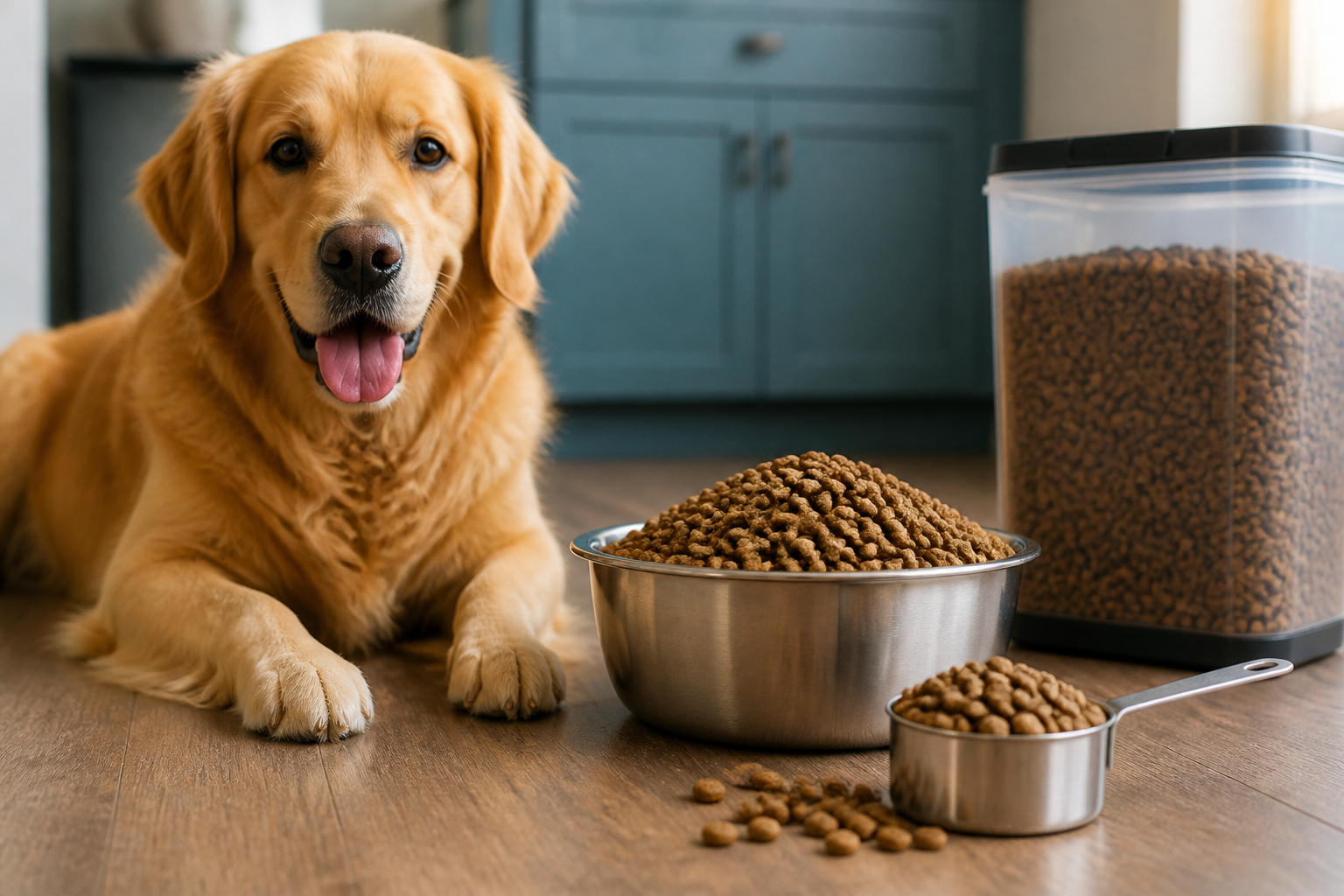
You are standing in the pet food aisle or looking at your online cart, staring at an 8-pound bag of premium kibble. You know your dog needs two cups of food a day, but you are not sure if this bag will last two weeks or a full month. This is a common puzzle for pet owners who want to balance freshness with their budget. At BaxterBoo, we talk to pet parents every day who are trying to master their dog's feeding schedule. This post covers the math of kibble density, why bag sizes matter, and how to measure portions like a pro. Understanding how many cups are in that 8-pound bag helps you plan your orders and keep your dog at a healthy weight.
The Short Answer for an 8-Pound Bag
If you need a quick estimate for your planning, the math is relatively simple. Most standard dry dog foods contain about 4 cups of kibble per pound. Using this average, an 8-pound bag of dry dog food contains approximately 32 cups. This is the number most people use when they are setting up recurring deliveries or calculating their monthly costs.
However, this is not a universal rule that applies to every single brand. The actual volume can range from 3.5 cups to 4.5 cups per pound depending on the specific recipe. If you have a bag with 3.5 cups per pound, your 8-pound bag will yield 28 cups. If the kibble is very small and light, reaching 4.5 cups per pound, you might get up to 36 cups.
Quick Answer: There are approximately 32 cups of dry kibble in an 8-pound bag of dog food. This estimate is based on the industry standard of 4 cups per pound. Variations in kibble size and density mean the actual amount usually falls between 28 and 36 cups.
Why Weight and Volume Are Different
One of the most confusing parts of pet care is the difference between weight and volume. When you buy an 8-pound bag, you are buying weight. When you feed your dog two "cups," you are measuring volume. In the world of measurement, a "cup" is 8 fluid ounces. This refers to the space the food takes up, not how much it weighs on a scale.
A cup of lead weighs much more than a cup of feathers. Dog food works the same way. A cup of heavy, meat-dense kibble might weigh 5 ounces. A cup of light, airy, "healthy weight" kibble might only weigh 3 ounces. This is why you cannot always assume that 8 ounces of weight equals one cup of volume. This distinction is the primary reason why different brands have different cup counts in the same size bag. For a deeper explanation, read our guide to how many grams are in a cup of dry dog food.
Factors That Change Your Cup Count
Several physical factors change how much space kibble takes up in your measuring cup. If you switch brands or even just switch flavors within the same brand, you might notice the bag lasts for a different amount of time.
Kibble Size and Shape
The physical dimensions of the kibble are the biggest factors in volume. Think about filling a jar with golf balls versus filling it with sand. The sand has very little air between the grains, so it fills the space completely. The golf balls leave large gaps of air.
Small breed kibbles are often tiny and round. They pack together tightly in a measuring cup with very little air between them. This usually means you get more cups out of a pound. Large breed kibbles are often big chunks or heart shapes. These shapes leave big gaps of air in the cup. You might find that a large-kibble brand only gives you 3.5 cups per pound because you are "measuring" a lot of air.
Density and Ingredients
What the food is made of changes its weight. Formulas that use a lot of heavy meat meals tend to be denser. Grain-heavy foods or "weight loss" formulas are often puffed with air or fiber to make the dog feel full. These lighter foods will take up more space. If the food is less dense, you will get more cups out of an 8-pound bag, but each cup might contain fewer calories.
Moisture Content
Even dry kibble has a small amount of moisture, usually around 10 percent. If a food is slightly more moist, it will be heavier. If it is extremely dry, like a freeze-dried raw or a dehydrated food, it will be much lighter. An 8-pound bag of freeze-dried food will contain significantly more cups than an 8-pound bag of traditional baked kibble. If you are comparing these formats, see our guide to how much freeze-dried dog food to feed your pet.
Key Takeaway: Kibble volume is determined by the "air-to-food" ratio in your measuring cup. Smaller, rounder kibbles pack more tightly and result in more cups per bag than large or irregular shapes.
How Long Will 8 Pounds of Food Last?
Once you know that an 8-pound bag has roughly 32 cups, you can determine your shopping schedule. This is particularly helpful if you want to use our Autoship programme to save money and ensure you never run out of food.
- Toy Breeds (5 to 10 lbs): These dogs often eat about 1/2 to 3/4 cups per day. An 8-pound bag could last between 42 and 64 days.
- Small Breeds (10 to 20 lbs): These dogs usually eat 1 to 1.5 cups per day. An 8-pound bag will likely last 21 to 32 days.
- Medium Breeds (20 to 50 lbs): At 1.5 to 3 cups per day, this bag will only last 10 to 21 days.
- Large Breeds (50+ lbs): For a large dog eating 3 to 5 cups per day, an 8-pound bag is very small. It will only last 6 to 10 days.
For most owners of medium or large dogs, an 8-pound bag is considered a "trial size" or a bag for short trips. If you have a small dog, 8 pounds is often the perfect size because it stays fresh for the month it takes to finish it.
The Danger of the "Eyeball" Method
We see many pet owners who do not use a standard measuring cup. They use a coffee mug, a plastic stadium cup, or a scoop that came with a different brand of food. This is one of the easiest ways to accidentally overfeed your dog.
A standard coffee mug often holds 12 to 14 ounces, which is nearly two "cups" in the pet food world. If the bag says to feed two cups, and you provide two coffee mugs, you are nearly doubling the recommended calories. Over time, this leads to weight gain and joint stress. Using a proper, leveled-off dry measuring cup is the only way to ensure your 8-pound bag lasts as long as the math suggests it should.
Steps for Accurate Measuring
Step 1: Get a standard dry measuring cup. / Use the metal or plastic kind used for baking. Step 2: Scoop the food loosely. / Do not pack it down or shake it to settle the kibble. Step 3: Level the top. / Use a flat edge like a butter knife to scrape off excess kibble so it is flush with the rim.
Vet Tip: Obesity is a leading cause of health issues in dogs, including diabetes and ligament tears. If you find it difficult to measure correctly with a cup, consider using a digital kitchen scale to weigh the food in grams for perfect accuracy every time.
Feeding for Health and Weight Management
Maintaining a healthy weight is about more than just counting cups. It is about the quality of those calories. Some dogs have medical conditions that require specific calorie counts or restricted ingredients. If your veterinarian has diagnosed your dog with a condition like kidney disease, urinary crystals, or severe obesity, they may recommend a prescription diet.
Our pet pharmacy offers a wide range of FDA-approved medications and prescription pet foods. We partner with Pet's Choice to provide these specialized diets, including brands like Farmina Vet Life. These foods are designed with specific densities to help manage health through nutrition. If your dog is on a prescription diet, the density of the kibble is strictly controlled. This makes your "cups per pound" calculation much more consistent over time.
Why Freshness Matters with Smaller Bags
You might wonder why anyone would buy an 8-pound bag when 30-pound bags are often cheaper per pound. The answer is freshness. Once a bag of dog food is opened, the fats in the food begin to oxidize. This means they start to go rancid when exposed to air.
Most experts recommend finishing a bag of dog food within 30 to 45 days of opening it. If you have a small dog that only eats a cup a day, a 30-pound bag would sit open for four months. By the end of that time, the food may have lost its nutritional potency or developed a smell that makes your dog refuse to eat. Buying an 8-pound bag for a small dog ensures they get fresh, tasty kibble every single day. For more storage guidance, read how long dry dog food stays fresh once opened.
To keep your food as fresh as possible, keep it in the original bag. Fold the top down tightly and use a clip. You can place the entire bag inside an airtight plastic container for extra protection. This keeps the oils from seeping into the plastic of the bin and prevents pests from finding the stash.
Planning Your Purchases with MVP Rewards
Knowing your dog's daily cup count allows you to shop smarter. If you know that an 8-pound bag of Farmina or Orijen lasts exactly 28 days, you can time your orders perfectly. At BaxterBoo, we want to make that process rewarding. Our MVP Rewards programme allows you to earn up to 5 percent back on these purchases.
If you combine your knowledge of portion sizes with our Frequent Buyer Program, you can earn free bags of food even faster. Many premium brands offer a "buy 10, get one free" deal. By tracking your 8-pound bag usage, you can see exactly when that free bag will be coming your way.
Bottom line: Accuracy in measuring saves you money and protects your dog's health by preventing the slow creep of weight gain.
Managing Multiple Dogs
If you have multiple dogs of different sizes, the 8-pound bag math gets a bit more complicated. You might have a senior dog on a specialized diet and a puppy on a growth formula. In this case, you are managing two different bag sizes and two different densities.
Keep a small whiteboard or a note on the fridge that lists the daily cup count for each dog. If the senior dog needs 1.5 cups and the puppy needs 2 cups, you are using 3.5 cups a day from your supplies. In this scenario, an 8-pound bag of the puppy food would last about 9 days. This helps you realize that for the puppy, you might need a larger bag, while the senior dog stays on the 8-pound bag for freshness.
When to Consult Your Veterinarian
The guidelines on the back of the bag are just a starting point. They are based on an "average" dog, but your dog might be anything but average. A highly active dog who runs miles every day will need more than the standard 32 cups in that 8-pound bag would suggest. A senior dog who sleeps most of the day will need less.
If you notice your dog is gaining weight even though you are following the bag's instructions, talk to your vet. They can help you calculate the exact number of calories your dog needs. This is especially important if you are using supplements for joint health or skin issues. We carry a variety of supplements from brands like Cosequin and Zesty Paws that can support your dog’s wellness alongside their diet.
Conclusion
Calculating how many cups are in 8 pounds of dry dog food is the first step toward better pet parenting. While 32 cups is the general average, remember that kibble size, shape, and density play huge roles in the final count. By measuring accurately and choosing the right bag size for your dog's needs, you ensure every meal is fresh and nutritionally sound.
- An 8-pound bag usually contains 28 to 36 cups.
- Small kibble packs tighter and provides more cups per pound.
- Always use a standard dry measuring cup and level it off.
- Finish bags within 45 days to maintain freshness and nutritional value.
The best next step for your feeding routine is to check your dog's current weight and compare it to the feeding chart on your bag. If you need a specialized diet or ongoing medication, visit our pet pharmacy to see our full range of prescription options through our Pet's Choice partnership.
FAQ
Does the shape of the kibble really change how many cups are in the bag?
Yes, kibble shape significantly impacts volume. Irregular shapes like stars, triangles, or large chunks create more air pockets in a measuring cup, meaning you get fewer cups per pound. Uniform, small, round kibbles pack together more closely, which usually results in a higher cup count for the same weight of food.
Is an 8-ounce measuring cup the same as 8 ounces of dog food?
No, these are different measurements. An 8-ounce cup measures volume (how much space the food takes up), while 8 ounces of dog food measures weight. Depending on the density of the kibble, 8 ounces of weight could actually take up 1.5 or 2 cups of volume. Always follow the instructions on the bag to see if they recommend feeding by volume or by weight.
How long will an 8-pound bag stay fresh after I open it?
Once a bag is opened, the fats and oils are exposed to oxygen and begin to degrade. For the best nutritional quality and flavor, you should aim to finish an 8-pound bag within 30 to 45 days. If it takes your dog longer than two months to finish an 8-pound bag, you may want to look for even smaller packaging or ensure you are using a high-quality airtight storage container.
Should I use a liquid or dry measuring cup for kibble?
You should always use a dry measuring cup for dry dog food. Liquid measuring cups have a spout and extra space at the top to prevent spilling, which makes it very difficult to get an accurate, level measurement of solid kibble. A dry measuring cup allows you to level off the top with a straight edge, ensuring you provide the exact amount of calories your dog needs every time.






