Save 15% on your 1st Autoship learn more

 Email us
 Live Chat
 FAQs
FAQs





Introduction
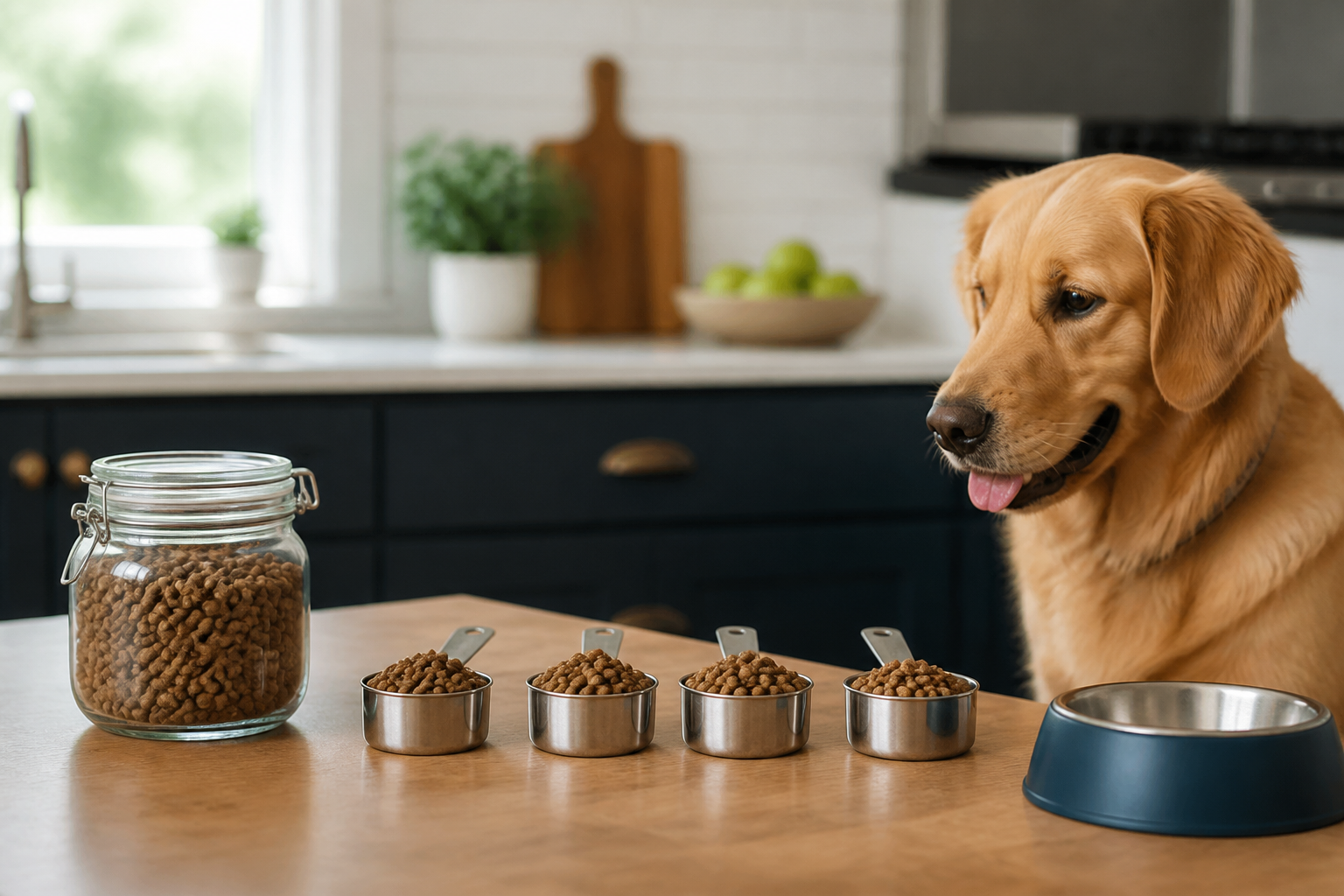
Lugging a heavy bag of kibble from the car to your pantry is a workout every pet owner knows well. You might look at that 30 pound bag and wonder exactly how many days of meals it actually holds. At BaxterBoo, we hear this question often from owners trying to manage their budget or set up a regular feeding schedule. If you’re comparing options, our dog food category is a helpful place to start. This article breaks down the math of kibble weight versus volume and explains why different brands vary. Knowing these numbers helps you keep your dog at a healthy weight and ensures you never run out of food unexpectedly. We will look at standard conversions, the impact of kibble size, and how to calculate the lifespan of your next bag of dog food.
The Standard Ratio for Dry Dog Food
The most common question is whether there is a universal conversion for dog food weight. While every brand is slightly different, there is a helpful industry standard you can use for your initial planning.
Quick Answer: Most dry dog food brands average about 4 cups of kibble per pound. For a standard 30 pound bag, you can expect to find roughly 120 cups of food inside.
This 4:1 ratio is a reliable starting point for most medium sized kibble. If you are buying a 5 pound bag, you are looking at about 20 cups. A 10 pound bag yields 40 cups, and a 20 pound bag gives you 80 cups. This simple math allows you to look at the feeding guidelines on the back of the bag and estimate how many days that bag will last before you need a refill.
Factors That Change the Cup Count
While the four-cups-per-pound rule is a great baseline, it is not a perfect law. Several factors can cause this number to shift up or down. If you notice your bag is running out faster or slower than expected, one of these variables is likely the cause.
Kibble Size and Shape
The physical size of the individual kibble pieces plays a massive role in how many cups fit in a pound. Small breed formulas often have tiny, round pellets. These pieces pack together tightly in a measuring cup with very little air between them. Because they are so dense, you might find that a pound of small-breed kibble actually contains closer to 4.5 or 5 cups.
On the other hand, large-breed kibble is often shaped into big chunks or triangles. These larger shapes do not fit together perfectly. They create large pockets of air in your measuring cup. Because of this extra space, a pound of large-breed food might only fill 3 or 3.5 cups.
Ingredient Density
What the food is made of also matters. Formulas that are high in heavy proteins and fats tend to be heavier by volume. A cup of a high-protein, meat-first food like Orijen may weigh more than a cup of a "light" or high-fiber diet.
Weight management foods are often designed to be less dense. They use air or fiber to help the dog feel full without adding excess calories. This means the kibble is lighter. You might get more cups per pound with a weight management formula than you would with a standard adult maintenance diet.
Moisture Content
Dry dog food is not completely dry. It usually contains about 10 percent moisture. If a food has a slightly higher moisture content, it will be heavier. If a food is extremely dry or freeze-dried, it will be much lighter. Brands like Stella & Chewy's that offer freeze-dried raw options will have a much different weight-to-volume ratio than a traditional baked or extruded kibble.
Calculating Cups by Bag Size
To help you plan your next order or trip to the store, we have broken down the estimated cup counts for the most common bag sizes. These estimates use the standard 4 cups per pound ratio.
- 5 Pound Bag: Approximately 20 cups.
- 10 Pound Bag: Approximately 40 cups.
- 15 Pound Bag: Approximately 60 cups.
- 20 Pound Bag: Approximately 80 cups.
- 24 Pound Bag: Approximately 96 cups.
- 30 Pound Bag: Approximately 120 cups.
- 40 Pound Bag: Approximately 160 cups.
If you want a convenient way to keep bulk food organized, our dog food storage and accessories collection is worth a look. If you have a small dog eating half a cup per day, a 10 pound bag will last you about 80 days. If you have a large dog eating 4 cups per day, that same 10 pound bag will only last 10 days. This highlights why larger households often prefer the 30 or 40 pound bags to keep the pantry stocked.
Key Takeaway: Kibble size and density significantly impact volume. A 10 pound bag of small-breed food may contain more cups than a 10 pound bag of large-breed kibble.
Professional Tips for Accurate Feeding
Using a standard measuring cup is better than guessing, but even measuring cups can be inaccurate. Most people scoop the food and end up with a "heaping" cup. This can add 10 to 20 percent more calories to every meal. Over time, this leads to weight gain and joint stress.
Vet Tip: Precise portioning is the easiest way to manage your dog's weight and long-term health. If your dog is struggling with weight issues or a chronic condition, consult your veterinarian to determine their exact caloric needs. They may recommend a prescription diet or a specific feeding schedule to help your pet stay lean.
For a deeper look at freshness, our post on how long dry dog food stays fresh once opened is a helpful next step. For the most accurate results, consider using a kitchen scale. Most dog food bags list the weight in grams per cup. Weighing the food removes the guesswork of kibble size and air pockets. It ensures your dog gets the exact amount of nutrition they need every single time.
Choosing the Right Measuring Tool
Avoid using coffee mugs or plastic stadium cups to measure food. These are rarely accurate 8-ounce measurements. Use a dedicated stainless steel or BPA-free plastic measuring cup designed for dry ingredients. We recommend keeping one inside the food bin so it is always ready at mealtime.
How to Determine How Long Your Food Will Last
You can use a simple four-step process to plan your feeding schedule and budget. This prevents those late-night trips to the store because the bag is suddenly empty.
Step 1: Note the total weight of your dog food bag in pounds.
Step 2: Multiply that weight by 4 to get the estimated number of cups in the bag.
Step 3: Check your dog’s daily feeding amount (for example, 2 cups per day).
Step 4: Divide the total cups by the daily amount to find the number of days the bag will last.
If you find that your bag lasts exactly 30 days, it is the perfect time to set up our Autoship programme. This ensures a fresh bag arrives just as you are reaching the bottom of the current one. It also saves you the heavy lifting of carrying those large bags from a retail store to your home.
Managing Health Through Nutrition
At BaxterBoo, we know that nutrition is not just about filling a bowl. It is about managing health. If your dog has specific health needs like kidney disease, diabetes, or severe allergies, they may need a prescription diet.
Our pharmacy carries prescription pet foods for specific health needs. These diets are specifically formulated to manage medical conditions. Because these foods are often more expensive and precise, knowing exactly how many cups are in a bag is even more important for your household budget.
Storing Your Dog Food for Freshness
How you store your food can actually change its density over time. If food is left in an open bag, it can absorb moisture from the air. This makes the kibble heavier and can eventually lead to mold. If food sits in a very tall bin, the weight of the food on top can crush the kibble at the bottom. This turns the last few pounds into "kibble dust" or fines.
Our dog food storage and accessories collection includes practical options for keeping food organized and fresh.
- Keep the food in its original bag if possible.
- Place the bag inside an airtight container.
- Store the container in a cool, dry place like a pantry.
- Avoid storing food in a garage where temperatures fluctuate.
Proper storage keeps the fat in the kibble from going rancid. It also keeps the kibble at a consistent weight and volume from the first cup to the last.
Transitioning to a New Bag or Brand
When you reach the end of a bag, it is a great time to evaluate your dog's health. Are they maintaining a good weight? Is their coat shiny? If you decide to switch brands or formulas, do not do it all at once.
Even if the "cups per pound" is the same, the ingredients will be different. A sudden change can cause an upset stomach. Mix the old food with the new food over a period of 7 to 10 days. Start with 25 percent new food and slowly increase the ratio. If you are planning a food change, our guide on switching from dry to wet dog food is a useful companion read.
Bottom line: A consistent measurement routine combined with proper storage ensures your dog stays healthy and your food stays fresh.
Conclusion
Calculating how many cups are in a pound of dry dog food is the first step toward better pet management. While 4 cups per pound is the standard, always keep an eye on your dog's body condition and adjust as needed. Whether you are shopping online or planning ahead, we want to help you make informed choices for your pet.
- A 30 pound bag usually contains 120 cups.
- Kibble size and density can change your specific count.
- Measuring by weight is more accurate than measuring by volume.
- Prescription diets are available through our pharmacy for specific health needs.
Key Takeaway: Proper portion control is one of the most effective ways to extend your dog's life and prevent obesity-related health issues.
If you want to make every purchase more rewarding, our MVP Rewards programme is a smart next step. If your dog needs a specialized diet, our veterinary diet guide can help you compare options. Our team at BaxterBoo is always here to help you find the right food and the right tools for your pet's unique needs.
FAQ
How many cups of dog food are in a 30 pound bag?
A 30 pound bag of dry dog food typically contains about 120 cups of kibble. This is based on the average ratio of 4 cups per pound. If the kibble is very large or very small, this number may range between 110 and 130 cups.
How many cups of dog food are in a 20 pound bag?
You will usually find about 80 cups of dog food in a 20 pound bag. This estimate works well for standard adult maintenance kibble. If you are feeding a high-fiber or weight-management diet, the cup count might be slightly higher due to the lower density of the kibble.
Does a cup of small kibble weigh the same as a cup of large kibble?
No, a cup of small kibble usually weighs more than a cup of large kibble. Small pieces fit together more tightly, leaving less empty air space in the measuring cup. This means there is more actual food by weight in a cup of small pellets than in a cup of large chunks.
Is it better to measure dog food by weight or by the cup?
Measuring by weight using a kitchen scale is much more accurate than using a measuring cup. Volume measurements can change based on how tightly you pack the cup or the shape of the kibble. Weight remains constant, ensuring your dog gets the exact amount of calories recommended by your veterinarian.