
 Save 15% on your 1st Autoship learn more

 Email us
 Live Chat
 FAQs
FAQs





Introduction
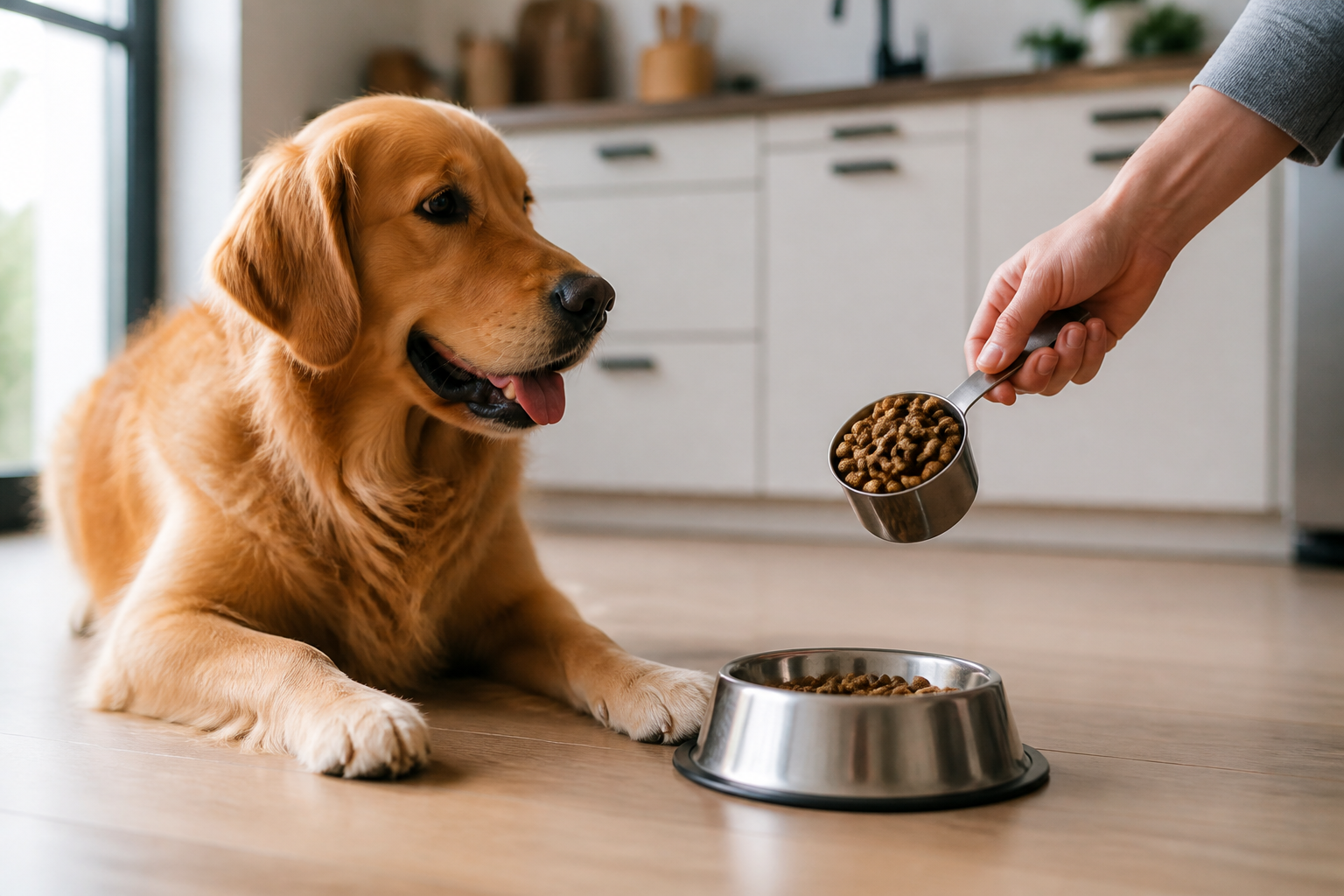
You are standing in the pet food aisle or looking at your screen, trying to decide if that twenty pound bag of kibble will last through the month. Maybe you just bought a new airtight container and want to know if a full bag will fit inside without overflowing. Understanding how many cups of dry dog food are in a pound is about more than just storage. It is the first step in mastering portion control and ensuring your dog stays at a healthy weight. At BaxterBoo, we talk to pet owners every day who are trying to balance the math of nutrition with the reality of a busy schedule. This guide explains the conversion from weight to volume and why different brands like NutriSource or Stella and Chewy's might fill your measuring cup differently.
Quick Answer: On average, one pound of dry dog food equals about 4 cups of kibble. This can range from 3.5 to 4.5 cups depending on the size, shape, and density of the specific formula you are feeding.
Why Weight and Volume Are Not the Same
The biggest hurdle in pet nutrition is the difference between weight and volume. A pound is a measurement of weight. A cup is a measurement of volume. If you fill a cup with lead weights, it will be very heavy. If you fill that same cup with feathers, it will be very light. Dog food works the same way.
Kibble density varies significantly between brands and even between different recipes within the same brand. For example, a high protein, grain free kibble like those from Orijen or Acana is often denser than a weight management formula. Weight management foods are frequently "puffed" with extra fiber or air to help a dog feel full while eating fewer calories. This means a cup of diet food might weigh less than a cup of high performance food.
When you see a feeding recommendation on a bag, it is usually based on standard eight ounce measuring cups. However, the manufacturer calculated those recommendations based on the weight of the food. If your dog needs ten ounces of food per day, you cannot simply use a ten ounce water glass to measure it. You need to know how the specific density of your kibble translates to the scoops you provide. For more detail, read our guide to how much a cup of dry dog food weighs.
The General Rule of Thumb for Kibble
Most standard dry dog foods follow a fairly predictable pattern. For the majority of adult maintenance kibbles, you can expect the following:
- 1 pound of dry dog food = Approximately 4 cups
- 5 pounds of dry dog food = Approximately 20 cups
- 10 pounds of dry dog food = Approximately 40 cups
- 20 pounds of dry dog food = Approximately 80 cups
These numbers are excellent for general planning. If you know your dog eats two cups of food per day, a twenty pound bag should last you roughly forty days. This helps you plan your Autoship orders or your trips to our dry dog food category so you never run out at the last minute.
Key Takeaway: While 4 cups per pound is the standard average, always check the specific calorie density on your bag to ensure your dog is getting the right amount of energy.
Factors That Change the Cup Count
If every bag of dog food had exactly 4 cups per pound, feeding would be simple. However, several physical characteristics of the kibble can change this number.
Kibble Shape and Size
The physical geometry of the food matters. Small, round kibbles like those often found in puppy formulas or small breed foods pack together tightly. There is very little air space between the individual pieces. Large, heart shaped or triangular kibbles have more "void space" in the measuring cup. You might find that a bag of large breed food contains fewer cups per pound because the pieces simply take up more room without adding more weight.
Moisture Content and Air
Extruded dry foods are cooked under pressure and then dried. Some brands use a process that creates a very porous, light kibble. Others, like Carna4 or certain baked options, are much denser. Freeze dried raw coated kibbles, such as those from Stella and Chewy's, might also have a different weight profile due to the concentrated nature of the raw coating.
Fat and Protein Levels
Generally, foods with higher fat content are denser. Fat is heavy. Ingredients like chicken meal or beef meal are concentrated proteins that add weight without much volume. On the other hand, recipes with high amounts of beet pulp or cellulose for fiber will be lighter. Comparing formulas from our Orijen selection can help illustrate how food types and recipes vary.
Bag Size to Cup Conversion Table
To help you visualize your next purchase, here is a breakdown of common bag sizes and their estimated cup counts.
| Bag Weight (Lbs) | Estimated Total Cups | Estimated Days of Food (2 cups/day) |
|---|---|---|
| 4 lbs | 14 to 18 cups | 7 to 9 days |
| 5 lbs | 17 to 22 cups | 8 to 11 days |
| 10 lbs | 35 to 45 cups | 17 to 22 days |
| 15 lbs | 52 to 67 cups | 26 to 33 days |
| 20 lbs | 70 to 90 cups | 35 to 45 days |
| 25 lbs | 87 to 112 cups | 43 to 56 days |
| 30 lbs | 105 to 135 cups | 52 to 67 days |
The Importance of Precise Measuring
While knowing how many cups are in a pound helps with shopping, being precise with daily meals is what keeps your dog healthy. Research has shown that pet owners using various scoops, coffee mugs, or "eyeballing" it can overfeed by as much as 20 percent. Over time, those extra kibbles lead to weight gain.
Vet Tip: If your dog is struggling with weight management or has a condition like diabetes that requires strict caloric control, stop measuring by volume. Instead, use a digital kitchen scale to weigh the food in grams or ounces. This is the only way to be 100 percent accurate every time.
If your dog is already overweight, your veterinarian might suggest a prescription weight management diet. Our dog healthcare category offers products for related wellness needs. For additional guidance, see our article about how many grams are in a cup of dry dog food.
Step-by-Step: How to Calculate Your Bag's Longevity
If you want to be more precise than the "4 cups per pound" rule, you can do a quick test at home.
Step 1: Check the bag weight. / Look for the net weight at the bottom of the bag, usually listed in pounds and kilograms. Step 2: Measure one pound. / Use a kitchen scale to weigh out exactly 16 ounces of the food. Step 3: Count the cups. / Use a standard 8 ounce dry measuring cup to see how many cups that one pound of food fills. Step 4: Multiply. / Multiply that number by the total pounds in the bag to find the total cup count.
This little bit of homework ensures you know exactly when you will need to reorder. It also helps you see if your current storage container is actually big enough for the bag size you prefer. Our guide to how many cups are in 24 pounds of dry dog food provides another example of planning by bag size.
Tools for Better Feeding
Using the right gear makes a big difference in how easily you can manage your dog's diet.
- Standardized Scoops: Don't use a random cup from the kitchen. Use a dedicated pet food scoop that has clear measurement lines for half and quarter cups.
- Digital Scales: This is the gold standard for accuracy. It eliminates the problem of "heaping" versus "level" cups.
- Airtight Storage: Once you know how many cups fit in your bag, get a container that seals tightly. This keeps the fats in the food from going rancid and prevents pests from getting in.
- Feeding Toys: If your dog eats too fast, take those measured cups and put them into a Kong or a slow feeder. This turns mealtime into mental exercise.
Why Calorie Density Matters More Than Weight
While we are focusing on cups and pounds, the real number that matters for your dog's health is the calorie count. On every bag of food, you will see a "Metabolizable Energy" (ME) statement. This is usually written as kcal/kg or kcal/cup.
One cup of a high calorie puppy food might have 500 calories. One cup of a senior "lite" food might only have 300 calories. If you switch brands and keep the cup count the same, you might accidentally double your dog's calorie intake or leave them starving.
Always look at the kcal/cup count when you change foods. If you are moving from a food with 400 kcal/cup to one with 450 kcal/cup, you will need to feed slightly less than you did before. If your dog has ongoing health issues that make weight management difficult, consult your vet about a specific nutrition plan. We carry several brands known for clear labeling and high quality ingredients, such as Farmina and our Open Farm products, which make these calculations easier.
Feeding Different Life Stages
The density and "cups per pound" can change based on the life stage the food is designed for.
Puppies
Puppy food is often small and very calorie dense. Because puppies have small stomachs but huge energy needs, the kibble is designed to pack a lot of punch into a small volume. You might find that puppy food bags have a higher cup count per pound because the small kibble size allows for very tight packing in the bag.
Seniors
Senior dogs often need fewer calories but higher quality protein to maintain muscle mass. Some senior foods use larger, airier kibble to help the dog feel like they are eating a full meal without the heavy calorie load. This might result in a lower cup count per pound. If your senior dog is experiencing joint stiffness alongside weight issues, our pharmacy carries a range of mobility aids and supplements that can be integrated into their daily routine.
High Activity Dogs
Working dogs or those participating in agility often eat performance formulas. These are dense and heavy with fats. You will likely find these bags have a very standard 3.5 to 4 cups per pound because the kibble is solid and heavy.
Bottom line: The specific recipe and life stage of the food determine how much physical space a pound of kibble occupies.
Budgeting and Value
Many pet owners look at a large bag of food and see a high price tag. However, calculating the price per cup is a much better way to see the true value. A cheaper bag of food might be less calorie dense, meaning you have to feed four cups a day to keep your dog full. A more premium, dense food like Ziwipeak or Orijen might only require two cups a day.
Even if the premium bag costs more, it might last twice as long as the budget brand. When you do the math on cups per pound, you can see that the "expensive" food often costs the same per meal as the cheaper alternative. Plus, higher quality ingredients usually mean better digestion and fewer vet visits in the long run.
Managing Multiple Dogs
If you have multiple dogs of different sizes, the math gets a little more complex. We recommend keeping a small whiteboard near your food storage. Note down the total cups in the bag and subtract the daily total for all your dogs. This prevents that "empty bag surprise" on a Sunday evening.
If your dogs are on different diets, like one on a standard diet and another on a prescription diet from our pharmacy, keeping their scoops separate is vital. Even a small amount of the wrong food can upset a dog with severe allergies or medical conditions.
Conclusion
Understanding how many cups of dry dog food are in a pound is a practical skill that helps you manage your pet's health and your household budget. While the average is 4 cups per pound, the physical characteristics of the kibble will always cause some variation. By using the right tools and staying consistent with your measurements, you can ensure your dog stays at their ideal weight.
Whether you are shopping for a new puppy or managing the needs of a senior pet, BaxterBoo is here to provide the quality food and supplies you need. For those managing chronic health conditions, our pharmacy partnership offers a convenient way to get prescription diets delivered right to your door.
- Start with the 4 cups per pound rule for planning.
- Use a dry measuring cup or a kitchen scale for daily meals.
- Adjust portions based on your dog's activity level and body condition.
- Consult your veterinarian if your dog's weight changes unexpectedly.
Key Takeaway: Proper portioning is the easiest way to prevent obesity and support a long, active life for your dog.
FAQ
Does one pound of dog food always equal two cups?
No, one pound of dry dog food almost never equals exactly two cups. Because dog food is much lighter than water, one pound of weight usually fills about 3.5 to 4.5 cups of volume. If you use a liquid measuring cup, remember that sixteen ounces of weight is not the same as sixteen fluid ounces of volume for dry kibble.
How many cups are in a 30 pound bag of dog food?
A 30 pound bag of dry dog food contains approximately 105 to 135 cups of kibble. The exact amount depends on the brand and the size of the kibble pieces. Most owners find that a 30 pound bag lasts a medium sized dog about two months if they are eating two cups per day.
Why does my new brand of dog food have a different scoop size?
Different brands have different calorie densities and kibble weights. A high protein, dense kibble might require a smaller scoop because it contains more calories per gram than a light or high fiber food. Always follow the feeding chart on the specific bag you are currently using rather than relying on a scoop from a previous brand.
Is it better to weigh dog food or use a measuring cup?
Weighing dog food on a digital scale is much more accurate than using a measuring cup. Measuring cups can be inconsistent depending on how tightly the kibble is packed or if the cup is "heaping" or "level." Weighing the food ensures your dog gets the exact same amount of calories at every meal, which is the best way to maintain a healthy weight.






