
 Save 15% on your 1st Autoship learn more

 Email us
 Live Chat
 FAQs
FAQs





Introduction
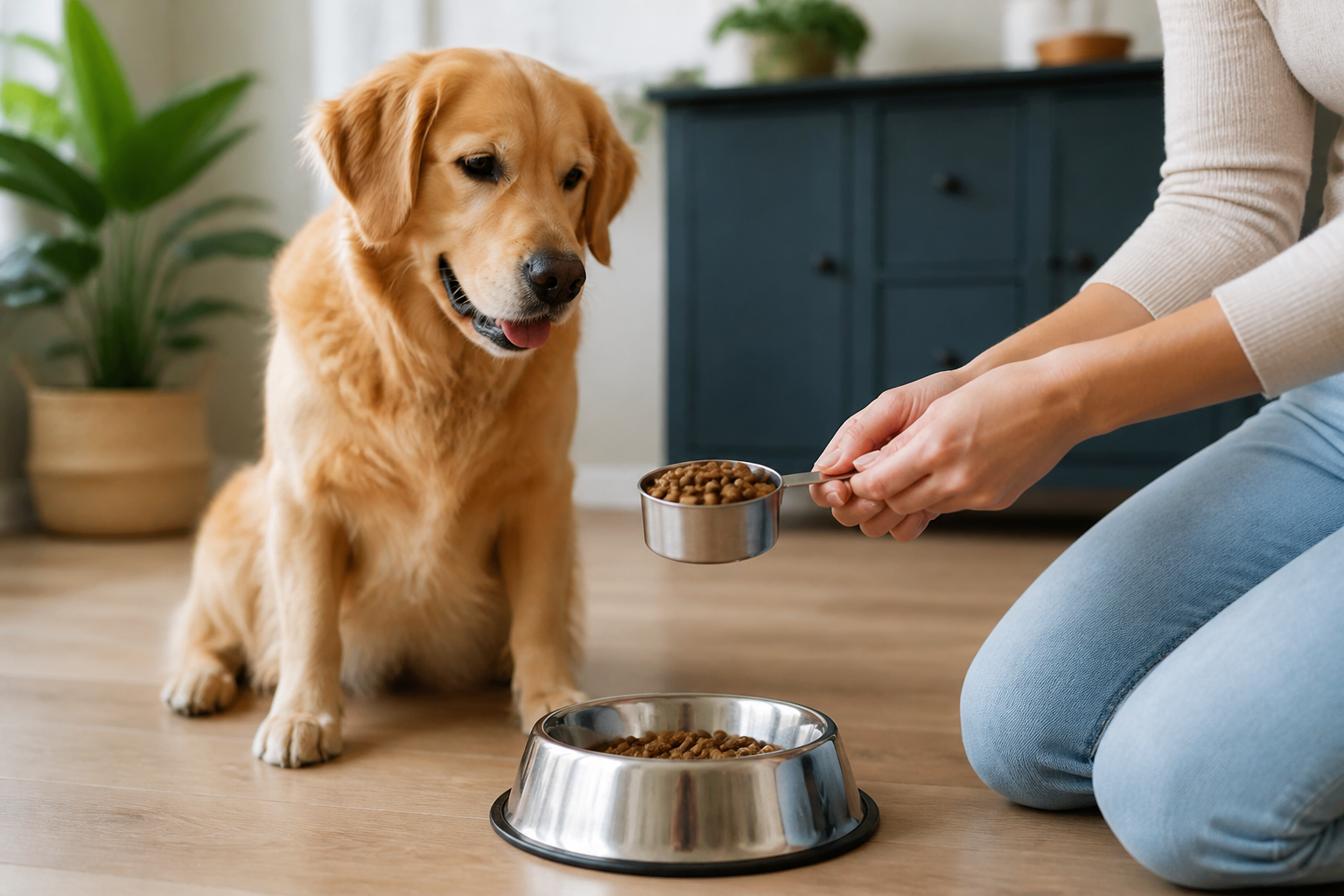
You are standing in your kitchen with a measuring scoop in one hand and a hungry dog staring at your every move. You want to ensure your companion gets enough energy for their daily walks, but you also worry about the health risks associated with overfeeding. At BaxterBoo, we hear these concerns from pet owners every day. Determining the exact amount of kibble your dog needs can feel like a guessing game because no two dogs are exactly alike. This post covers how to read feeding charts, how to adjust for life stages, and why your dog's activity level is a major factor in their nutrition. Finding the right balance is the most effective way to support a long and healthy life for your dog.
The Foundation of Feeding Guidelines
Every bag of dry dog food comes with a feeding chart. This is usually a grid that matches your dog's weight to a specific range of cups or grams. While these charts are helpful, they are not a one size fits all solution. Manufacturers base these numbers on the average calorie needs of a moderately active adult dog. If your dog is more active or less active than the average, the number on the bag might not be perfect for them.
The feeding chart should be viewed as a starting point. It provides a baseline recommendation based on the calorie density of that specific formula. Because different brands have different calorie counts per cup, you cannot use the same measurement if you switch from a budget brand to a nutrient-dense premium brand. A single cup of one food might contain 350 calories, while another contains 450 calories.
Quick Answer: Start by looking at the weight-based feeding chart on your dog's specific food bag. Use the lower end of the recommended range for less active dogs and the higher end for high-energy dogs, then adjust based on their body condition.
Why Quality Matters
The quality of the ingredients in your dry food also impacts how much you need to feed. Premium foods often contain more bioavailable nutrients. This means your dog's body can use more of what they eat, which often results in smaller serving sizes and smaller stools. When you feed a food with more fillers, you may find you have to feed a larger volume to meet their basic nutritional needs.
We carry over 500 trusted brands that focus on high-quality proteins and balanced fats. When you choose a brand like NutriSource or Open Farm, the nutrient density is higher than many grocery store brands. This often makes the cost per serving more comparable than the initial bag price might suggest.
Factors That Influence Portion Size
Your dog’s individual metabolism and lifestyle play a huge role in how they process calories. If you have two dogs of the same breed and weight, they might still require different amounts of food.
Activity Level
This is the most common reason pet owners need to adjust the amount of food they provide. An active dog that goes for daily three mile runs or plays fetch for an hour will burn significantly more calories than a dog that prefers napping on the couch. Working dogs or those competing in agility may need up to 50 percent more food than a sedentary dog of the same size.
Metabolism and Genetics
Just like humans, some dogs naturally have a faster metabolism. Certain breeds, such as Sighthounds, are known for having high metabolic rates. On the other hand, breeds like Basset Hounds or Bulldogs might be prone to weight gain even with moderate portions.
Spay and Neuter Status
It is a well documented fact that spaying or neutering can slightly lower a dog's metabolic rate. Once a dog is altered, their body requires fewer calories to maintain its weight. If you do not adjust their food intake after the procedure, you might notice them starting to put on extra pounds within a few months.
Key Takeaway: Portions are not permanent. You must adjust the amount you feed based on seasonal activity changes, aging, and whether your dog has been spayed or neutered.
Feeding for Life Stages
A dog's nutritional requirements change drastically as they move from the rapid growth of puppyhood into their senior years. Using a life stage specific food is the best way to ensure they get the right balance of proteins and minerals.
Puppies
Puppies are growing machines. They require significantly more calories, protein, and fat per pound of body weight than adult dogs. Because they have small stomachs, they cannot handle one large meal. Most puppies should be fed three to four times a day to maintain steady energy levels and support bone development.
For large breed puppies, growth must be controlled. If a large breed puppy grows too fast, it can put excessive strain on their developing joints. This is why feeding a specific large breed puppy formula is so important. These formulas have a specific calcium to phosphorus ratio designed to slow growth to a healthy pace.
Adult Dogs
Once a dog reaches physical maturity, which is usually around 12 months for small dogs and up to 24 months for giant breeds, their needs stabilize. Most adult dogs do well with two meals per day. At this stage, the goal is maintenance. You want to provide enough calories to keep them at their ideal weight without allowing them to become overweight.
Senior Dogs
As dogs age, their activity levels typically drop. Their metabolism also slows down. Senior dogs are at a higher risk for obesity, which can worsen joint pain or mobility issues. Senior specific foods often have lower calorie counts but higher quality protein to help maintain muscle mass. Some also include added supplements like glucosamine to support aging joints.
Vet Tip: If your senior dog is struggling with mobility or has a chronic health condition that requires a specialized diet, consult your veterinarian. Our pet pharmacy carries prescription medications and diets that may be part of your veterinarian’s recommendations.
The Importance of Measuring Correctly
One of the biggest mistakes pet owners make is using a random coffee mug or a plastic cup to scoop food. These are rarely accurate and can lead to significant overfeeding. If a mug holds 1.25 cups instead of a level 1 cup, you are feeding 25 percent more than you intended every single day.
Step 1: Get a standard 8 ounce measuring cup. / This is the "cup" referred to on all dog food labels in the United States.
Step 2: Use a level scoop. / Avoid "heaping" scoops, as these add hidden calories that accumulate over time.
Step 3: Consider a kitchen scale. / Measuring by weight in grams is the most accurate way to feed your dog, as the density of kibble can vary between bags.
Step 4: Account for treats. / If you are doing heavy training with treats, you must reduce the amount of dry food you give at mealtime.
For more detail on measuring kibble accurately, read our guide to how much a cup of dry dog food weighs.
Bottom line: Accuracy in measurement is the easiest way to prevent accidental weight gain in your dog.
Assessing Your Dog's Body Condition
Since feeding charts are just estimates, you need a way to tell if the amount you have chosen is working. The best way to do this is through a body condition score. You can do this at home with a simple "hands on" test.
The Rib Test
You should be able to feel your dog's ribs easily without pressing hard. They should feel like the back of your hand when your fingers are flat. If you have to poke through a layer of fat to find the ribs, your dog is likely overweight. If the ribs are highly visible and feel like your knuckles when you make a fist, they may be underweight.
The Waistline
Look at your dog from above. They should have a visible "waist" behind the ribcage. From the side, their abdomen should "tuck up" rather than hanging level with the chest. A dog that looks like a rectangular block from above is likely carrying too much weight.
For another practical explanation, see our guide to how to tell if you are feeding your dog the right amount.
Managing Weight and Special Health Needs
Obesity is a major health crisis for pets in the US. It leads to diabetes, heart disease, and increased inflammation in the joints. If your dog needs to lose weight, simply cutting their current food in half can lead to nutritional deficiencies. Instead, we recommend moving to a weight management formula or a prescription diet designed for satiety.
Our dog pharmacy offers a wide range of prescription pet foods and medications for dogs with chronic conditions. Whether your dog needs a diet for kidney support, skin allergies, or weight loss, we can help you fulfill those prescriptions easily. Our partnership with Pet's Choice ensures that these medical grade foods are handled with the same care as any other medication.
The 10 Percent Rule for Treats
Treats are an important part of the bond we share with our pets, but they should never make up more than 10 percent of your dog's daily caloric intake. If you are feeding 1,000 calories of food, no more than 100 calories should come from treats. When you give a large biscuit or a chew, remember to take a few tablespoons of kibble out of their dinner bowl to compensate.
Note: If your dog is consistently losing weight despite eating the recommended amount, or if they are gaining weight on a very small portion, it is time for a veterinary visit. Underlying issues like thyroid problems or parasites can affect how they process their food.
Feeding Schedules and Frequency
How often you feed is almost as important as how much you feed. For most healthy adult dogs, two meals per day spaced about 12 hours apart is the standard. This helps keep their blood sugar stable and prevents them from becoming overly hungry and searching for "scraps" throughout the day.
Free Feeding vs. Scheduled Feeding
Free feeding is the practice of leaving a bowl of food out all day for the dog to graze on. While this is convenient for owners, we generally do not recommend it. Free feeding makes it impossible to track exactly how much your dog is eating. It also makes it harder to notice if your dog has a sudden loss of appetite, which is often the first sign of illness. Scheduled feedings create a routine and allow you to monitor their intake closely.
Using Puzzle Feeders
If your dog gulps their food down in seconds, they may not feel full. Using a slow feeder bowl or a puzzle toy can extend mealtime from 30 seconds to 10 minutes. This provides mental stimulation and gives their brain time to register that they have actually eaten.
- Standard slow feeder bowls
- Stuffable rubber toys
- Snuffle mats for dry kibble
- Rolling treat dispensers
Transitioning to a New Food
Whenever you change your dog's food or significantly change their portion size, you should do it gradually. A sudden change in kibble brand can lead to upset stomachs or diarrhea.
To transition safely, mix 25 percent of the new food with 75 percent of the old food for a few days. Gradually increase the ratio of new food over the course of a week until they are eating 100 percent of the new formula. This gives their digestive enzymes time to adjust to the new ingredients.
For additional guidance, read our article about how many cups of dry dog food to feed per day.
Key Takeaway: A slow transition over 7 to 10 days prevents digestive upset and helps your dog accept the new flavor or texture.
Why Choose BaxterBoo for Your Dog's Nutrition?
We understand that you want the best for your dog without the confusion of marketing gimmicks. Since 2006, we have been curating a selection of products that we truly believe in. From premium dry foods to specialized supplements for joint and skin health, our goal is to provide value without compromising on quality.
When you shop with us, you can take advantage of our MVP Rewards program to earn money back on every purchase. If you find a food your dog loves, our Autoship program is a great way to save money and ensure you never run out of kibble. Plus, with our hybrid model, you get the expertise of a local warehouse store with the convenience of fast home delivery.
Summary of Feeding Success
Getting your dog's portion size right is a dynamic process. It requires regular check-ins and a willingness to adjust the scoop as your dog ages or as the seasons change. By using the feeding chart as a guide and the body condition score as your metric, you can keep your dog at their healthiest weight.
- Use a standard 8 ounce measuring cup for every meal.
- Adjust portions for activity level and age.
- Monitor your dog's waistline and ribs monthly.
- Limit treats to 10 percent of your daily diet.
- Consult your vet for any sudden weight changes.
Bottom line: Your dog's food requirements will change throughout their life, so stay observant and adjust their bowl accordingly to support their long-term wellness.
For those managing specific health conditions or requiring prescription diets, we invite you to explore our pharmacy section. Our partnership with Pet's Choice makes it simple to get the medications and therapeutic foods your vet recommends. Keeping your dog healthy has never been more convenient.
FAQ
How do I know if I am feeding my dog too much?
The clearest sign of overfeeding is a loss of a visible waistline and difficulty feeling the ribs. If your dog is lethargic or seems to have less stamina on walks, they may be carrying extra weight from too many calories. You can also monitor their stools; consistently soft stools can sometimes be a sign that a dog is being overfed.
Is the amount on the dog food bag for each meal or for the whole day?
The guidelines provided on dog food packaging are almost always the total amount recommended for a 24 hour period. If the bag says to feed 2 cups and you feed your dog twice a day, you should give 1 cup in the morning and 1 cup in the evening. Always double check the label to see if it specifies "per day" to avoid accidentally doubling their intake.
Should I feed my dog more in the winter?
If your dog spends a significant amount of time outdoors in cold weather, they may need more calories to maintain their body temperature. However, most indoor pets are actually less active in the winter because walks are shorter and there is less outdoor play. For the average house pet, you may actually need to slightly decrease their food in the winter to prevent weight gain.
Why is my dog always acting hungry even though I feed the recommended amount?
Some breeds are naturally more food motivated, but constant hunger can also be a sign that their food is not nutrient dense enough or that they are processing it too quickly. Using a slow feeder or adding low calorie "bulkers" like plain canned pumpkin or green beans can help them feel fuller. If the hunger is sudden and intense, consult your vet to rule out medical issues like diabetes or parasites.






