
 Save 15% on your 1st Autoship learn more

 Email us
 Live Chat
 FAQs
FAQs





Introduction
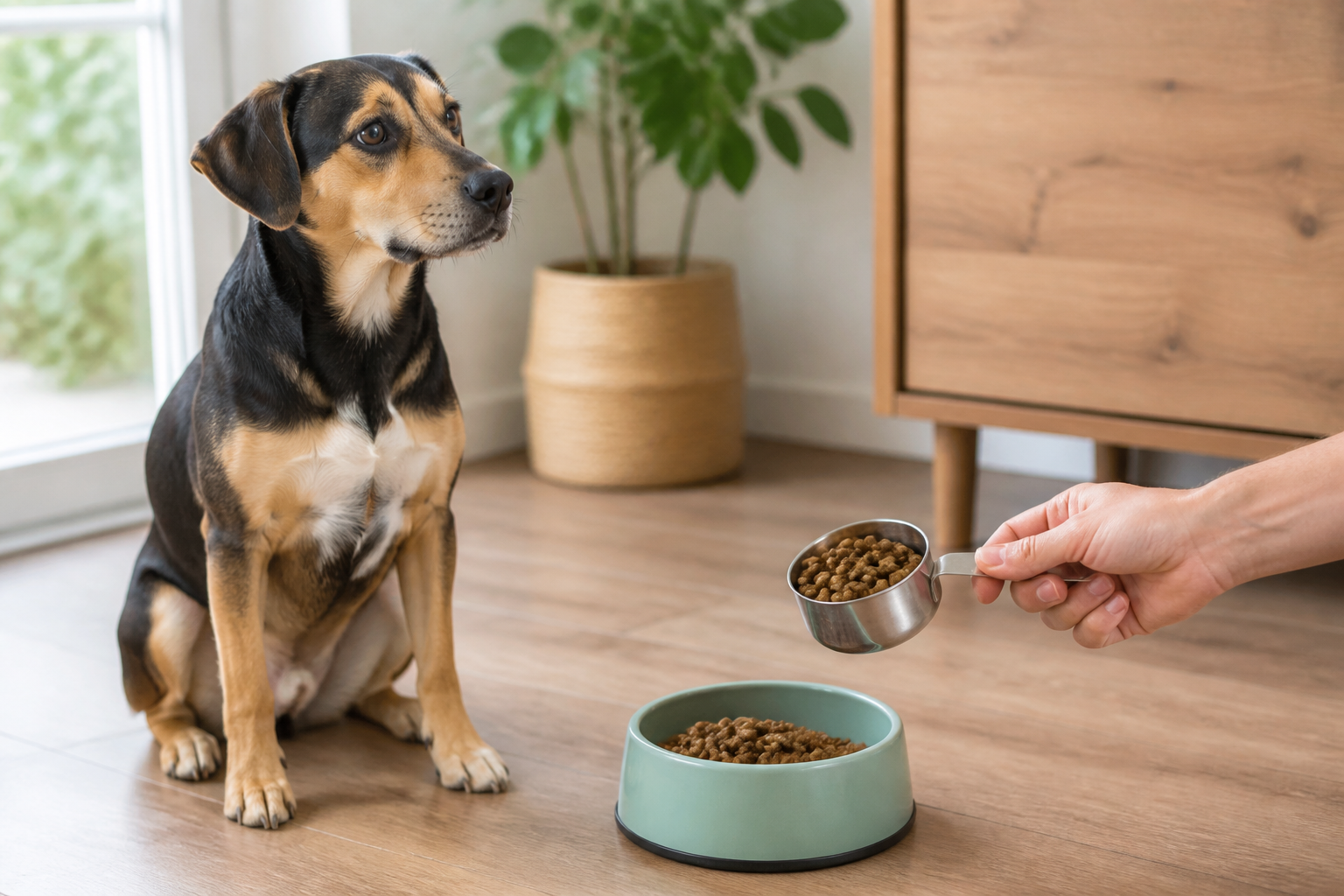
Standing in the kitchen with a measuring scoop in one hand and a bag of kibble in the other is a familiar scene for many pet owners. You want to ensure your dog gets enough energy to stay active without adding unnecessary weight that could strain their joints. For a dog weighing 25 pounds, the answer is not always a single number. At BaxterBoo, we understand that every dog is an individual with unique metabolic needs. While a 25 pound dog is often considered a small or medium breed, their activity level and life stage play massive roles in their daily portion sizes. This guide covers how to calculate the right amount of dry food for your pet and how to adjust for their lifestyle. Finding the perfect balance helps your companion live a long and healthy life.
The Basic Math of Canine Calories
Calculating the right amount of food starts with understanding calories. Most pet owners think in terms of cups, but pet food manufacturers measure energy in kilocalories (kcal). A 25 pound dog usually needs between 500 and 750 calories per day to maintain their weight. This range is wide because a young, energetic dog burns through fuel much faster than a senior dog who prefers the couch.
To find the specific number for your pet, you can look at the Resting Energy Requirement (RER). This is the basic amount of energy a dog needs to perform essential functions like breathing and digestion while at rest. For a 25 pound dog, the RER is approximately 430 calories. Most active adult dogs need about 1.6 times their RER. This brings the total to roughly 680 calories per day.
Quick Answer: A typical 25 pound adult dog requires between 1.5 and 2 cups of dry food per day. This assumes the food contains around 350 to 400 calories per cup. Always check the specific calorie count on your bag of kibble for accuracy.
Why One Cup of Food Is Not Like the Other
One common mistake is assuming that a cup of one brand is equal to a cup of another. Dry dog food varies significantly in density and ingredient quality. A high protein, grain free kibble might be very calorie dense. You might only need to feed 1.25 cups of a premium brand. A budget brand with more fillers might require 2 full cups to provide the same energy.
Always look for the calorie content statement on the back of the bag. It is usually listed near the guaranteed analysis. It will say something like "3,650 kcal/kg" or "380 kcal/cup." Using this number is the only way to be precise. If you switch brands, you must re-calculate the portion. Even a small difference of 50 calories per cup can lead to weight gain over several months for a 25 pound dog. For more accurate portioning, see our guide to measuring grams in a cup of dry dog food.
Factors That Change the Daily Scoop
The 25 pound weight mark is just a starting point. Several lifestyle factors will dictate whether you stay at the low end or the high end of the feeding range.
Life Stage and Age
Puppies are growing rapidly and require significantly more energy than adults. A 25 pound puppy that is still growing might need twice as many calories as an adult of the same weight. They need high levels of protein and fat to support bone and muscle development. Conversely, senior dogs often have slower metabolisms. They may need fewer calories and more fiber to feel full without gaining weight.
Activity Levels
An active dog that goes for hour long walks or plays fetch daily will need more food. If your dog is a working dog or competes in agility, their needs might increase by 20 percent or more. A sedentary dog that mostly stays indoors needs a tighter leash on their portions.
Spay and Neuter Status
Research shows that spayed or neutered dogs often have lower metabolic rates. The hormonal changes can make them more prone to weight gain. If your dog was recently fixed, monitor their weight closely. You might need to reduce their daily intake by about 10 percent to maintain their ideal body condition.
Key Takeaway: The feeding chart on the back of the bag is a starting point, not a rule. You must adjust the amount based on your dog's age, energy level, and whether they have been spayed or neutered.
How to Read a Feeding Chart Correctly
Every bag of dry food sold in the United States must have a feeding guide. These charts usually list the dog's weight in one column and the total daily amount of food in another. For a 25 pound dog, you will often find a range, such as 1 and 1/3 to 1 and 3/4 cups. You can compare formulas in our dog food category.
| Activity Level | Estimated Calories | Estimated Cups (400 kcal/cup) |
|---|---|---|
| Sedentary / Senior | 500 - 550 kcal | 1.25 - 1.4 cups |
| Typical Adult | 650 - 700 kcal | 1.6 - 1.75 cups |
| Highly Active | 800 - 900 kcal | 2.0 - 2.25 cups |
Remember that the amount listed is the total for the entire day. If you feed your dog twice a day, you must divide that number in half. Feeding a 25 pound dog 2 cups in the morning and 2 cups at night would be a massive overfeeding.
Monitoring Your Dog's Weight at Home
The most accurate way to tell if you are feeding the right amount is by looking at your dog. Weight can fluctuate, so pet owners should use the Body Condition Score (BCS) system. This is a visual and physical assessment of your dog's fat levels. For more guidance, read this practical guide to pet weight management and body condition scoring.
Step 1: The Rib Check. Place your hands on your dog's ribcage. You should be able to feel the ribs easily under a thin layer of fat. If you have to press hard to find them, your dog may be overweight. If the ribs are visible and poking out, they may be underweight.
Step 2: The Waist Profile. Look at your dog from above. They should have a noticeable waistline that tucks in behind the ribs. If they look like a solid rectangle from above, they are likely carrying too much weight.
Step 3: The Tummy Tuck. Look at your dog from the side. The abdomen should slope upward from the end of the ribcage toward the hind legs. A flat or sagging belly is a sign that it is time to cut back on the kibble.
Vet Tip: If your dog experiences sudden weight loss or gain without a change in their diet, consult your veterinarian. Underlying health issues like thyroid problems or diabetes can cause weight fluctuations that require medical attention rather than just a diet change.
The Role of Treats in the Daily Budget
Treats are a wonderful way to bond with your pet, but they contain calories too. Many owners forget to factor in the biscuits, dental chews, and table scraps given throughout the day. For a 25 pound dog, even a few extra treats can represent a large portion of their daily needs.
Follow the 10 percent rule. Treats should never make up more than 10 percent of your dog's total daily calories. If your dog needs 650 calories, only 65 of those should come from treats. If you have a big training session planned, set aside a portion of their daily kibble to use as rewards instead of adding extra high calorie treats. For more ideas about portion control, explore this guide to the 10 percent treat rule.
- Measure your dog's food with a standard measuring cup.
- Avoid using a random coffee mug or scoop.
- Keep a consistent feeding schedule to regulate digestion.
- Log the number of treats given by everyone in the household.
Health Conditions and Specialized Diets
Sometimes, a standard dry food is not enough. Dogs with specific health needs might require prescription diets. This is common for pets with kidney issues, urinary stones, or severe allergies. These foods are formulated with precise nutrient levels that are often only available through a veterinarian.
Our pet pharmacy for dogs carries prescription pet foods and medications through our partnership with Pet's Choice. If your veterinarian has prescribed a specific diet for weight management or a chronic condition, you can easily manage those needs with us. Having access to a real pharmacy ensures your dog gets exactly what the doctor ordered to stay healthy.
Transitioning to a New Amount or Brand
If you realize you have been overfeeding your 25 pound dog, do not cut their food in half overnight. A sudden change can cause digestive upset or make your dog feel constantly hungry and frustrated. Instead, reduce the portion by about 10 percent every few days until you reach the target amount.
The same rule applies when switching to a new brand of dry food. Mix the new food with the old food over a period of 7 to 10 days. Start with 25 percent new food and 75 percent old food. Slowly increase the ratio of the new kibble. This gives the healthy bacteria in your dog's gut time to adjust to the new ingredients.
Bottom line: Gradual changes prevent stomach upset and help your dog adjust to new caloric levels without stress.
Feeding Schedules for a 25 lb Dog
Most adult dogs do best with two meals per day. This helps keep their blood sugar levels stable and prevents them from becoming overly hungry. For a 25 pound dog, you might feed 3/4 of a cup at 7:00 AM and another 3/4 of a cup at 6:00 PM.
Some owners prefer "free feeding," where food is left out all day. This is generally not recommended for 25 pound dogs, as many breeds in this weight range are prone to overeating. Scheduled mealtimes also help you monitor exactly how much your dog is eating. A sudden lack of interest in a scheduled meal is often the first sign that a dog is feeling unwell. For additional guidance, read how many cups of dry dog food to feed per day.
Using Technology and Tools for Better Feeding
If you have a busy schedule, an automatic feeder can ensure your dog gets the right amount at the right time. However, make sure the feeder is calibrated correctly. Some feeders dispense by volume, which can change if the kibble size or shape is different.
We also recommend using a digital kitchen scale for the most accuracy. Grams are more precise than cups. If you know your dog needs 150 grams of a specific food per day, you can weigh it out perfectly every time. This eliminates the "heaping scoop" error that often leads to accidental weight gain.
Long Term Health and Prevention
Maintaining the correct weight for your 25 pound dog is about more than just appearance. Overweight dogs are at a higher risk for many health problems. These include osteoarthritis, high blood pressure, and respiratory issues. Keeping your dog lean can actually extend their lifespan by up to two years.
Regular vet checkups are essential. Your vet can help you determine your dog's ideal weight and adjust their diet as they age. They can also screen for any issues that might affect how your dog processes their food. If your dog needs ongoing health support, our dog health category is a great resource for exploring related options.
Conclusion
Feeding your 25 pound dog the right amount of dry food is a balancing act between calories, activity, and life stage. Start with a baseline of 1.5 to 2 cups of high quality kibble and adjust based on your dog's body condition. Always prioritize nutrient dense foods and keep treats to a minimum. By staying consistent and monitoring their weight, you are providing the foundation for a vibrant, energetic life.
- Use a standard measuring cup or scale for every meal.
- Monitor your dog's body condition score monthly.
- Adjust portions for age, activity, and neuter status.
- Consult your vet for any sudden weight changes.
Key Takeaway: Proper nutrition is the most effective form of preventative medicine you can provide for your pet every single day.
To make sure you never run out of your dog's favorite healthy kibble, consider signing up for our Autoship programme. You will save on your first order and earn MVP Gold membership for continued rewards on every purchase.
FAQ
Is 2 cups of dry food too much for a 25 lb dog?
For many 25 pound dogs, 2 cups may be on the higher end, especially if the kibble is calorie dense. If your dog is highly active or a growing puppy, 2 cups might be appropriate. However, for a sedentary adult, 1.5 cups is usually a safer starting point. Always check the kcal per cup on your specific bag of food to be sure.
How many calories does a 25 lb dog need daily?
An average adult dog weighing 25 pounds needs approximately 600 to 750 calories per day. This number can drop to 500 calories for seniors or less active dogs. Conversely, very active dogs or nursing mothers may need significantly more. It is best to calculate the specific calorie needs based on your dog's unique lifestyle.
How often should I feed my 25 lb dog?
Most veterinarians recommend feeding an adult 25 pound dog twice per day. This schedule helps manage hunger and maintains steady energy levels throughout the day. Puppies in this weight range may require three or four small meals to support their growth. Consistency in timing also helps with regular digestion and bathroom habits.
Should I adjust the food amount if I give my dog treats?
Yes, you should definitely adjust their meal portions if you provide treats. Treats should account for no more than 10 percent of your dog's daily caloric intake. If you give a large dental chew or several biscuits, reduce the amount of dry food at their next meal. This prevents the "hidden calories" from causing gradual weight gain over time.






