Save 15% on your 1st Autoship learn more

 Email us
 Live Chat
 FAQs
FAQs





Introduction
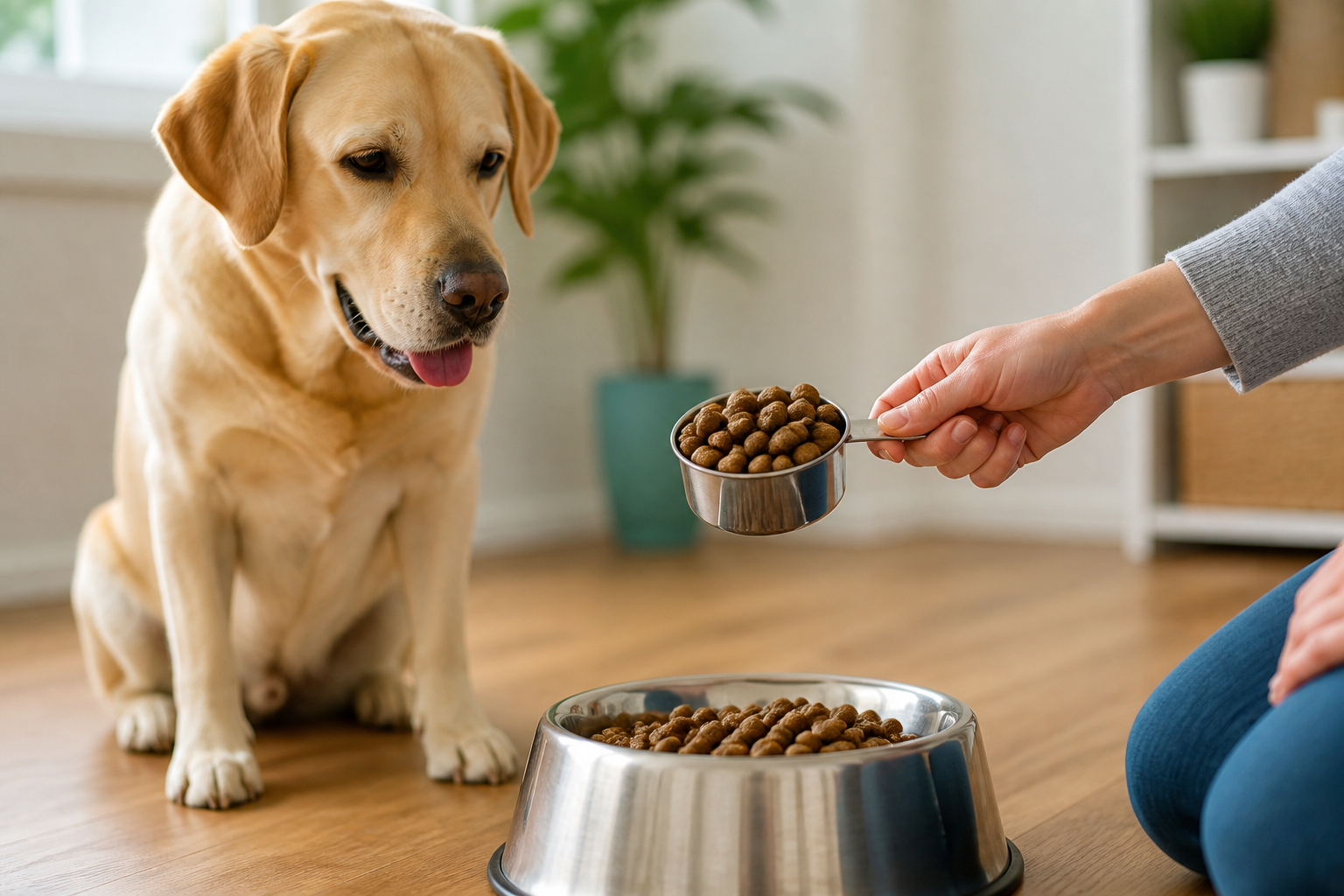
Standing in your kitchen with a plastic scoop in one hand and a hungry 60 lb dog at your feet can feel like a guessing game. You look at the back of the heavy kibble bag and see a wide range of measurements that might not seem to fit your dog's specific lifestyle. Every dog has a unique metabolism, and a generic chart cannot account for whether your pet is a high energy athlete or a professional napper. At BaxterBoo, we know that getting the portion size right is about more than just filling a bowl. It is one of the most effective ways to manage long term health and energy levels. This guide explains how to calculate the perfect daily intake for your 60 lb companion. We will break down calorie requirements, activity factors, and how to read a label like an expert. Finding the right balance ensures your dog stays at an ideal weight for years to come.
Quick Answer: A 60 lb adult dog typically requires between 2.5 and 4.5 cups of dry food per day. The exact amount depends on the calorie density of the specific kibble brand and your dog's daily activity level.
The Basic Calories a 60 lb Dog Needs
To understand how much food to put in the bowl, we first have to understand the energy requirements of the animal. Weight is a starting point, but calories are the actual currency of nutrition. A 60 lb dog is generally considered a large breed, though some leaner medium breeds might also hit this mark. Their bodies require a specific amount of fuel just to keep their heart beating and their organs functioning.
Veterinarians refer to this as the Resting Energy Requirement (RER). For a 60 lb dog, the RER is approximately 900 to 1,000 calories per day. This is the amount of energy they would burn if they simply lay on the rug all day. However, most dogs are more active than that. They walk, play, and follow you from room to room.
Most moderately active adult dogs need about 1.4 to 1.6 times their RER. This means your 60 lb dog likely needs between 1,250 and 1,500 calories daily. If your dog is a working animal or an athlete, that number can climb significantly higher. On the other hand, if your dog is older or has a very slow metabolism, they might need closer to the RER baseline.
Key Takeaway: Focus on total daily calories rather than just the number of cups. Different brands vary in calorie density, meaning one cup of a premium food like Orijen might have significantly more energy than one cup of a standard grocery brand.
Why the Number of Cups Varies by Brand
One of the most confusing parts of pet ownership is switching between brands. You might find that one brand tells you to feed 3 cups, while another suggests 4.5 cups for the same weight. This happens because the calorie density per cup is not standardized across the industry.
Kibble is made using different ingredients and processing methods. A food that is high in fats and proteins will have a higher calorie count per cup. A food that uses more fiber or "air" in the kibble shape will have a lower calorie count. Most high quality dry dog foods range from 350 to 500 calories per cup.
When you look at the packaging for brands like NutriSource or Acana, look for the "kcal/cup" listing. This is usually located near the guaranteed analysis or the ingredient list. If the food is 450 calories per cup, your 60 lb dog only needs about 3 cups. If the food is 320 calories per cup, they will need closer to 4.5 cups to get the same amount of energy.
Common Calorie Densities
- Low calorie (300-340 kcal/cup): Often found in weight management or senior formulas.
- Average calorie (350-400 kcal/cup): The standard for most maintenance adult dog foods.
- High calorie (410-500 kcal/cup): Typical for performance, puppy, or high protein diets like Stella & Chewy's.
Factors That Change the Daily Portion
While 60 lbs is a specific number on the scale, the dog attached to that weight is an individual. Several factors will require you to adjust the amount of dry food you provide.
Activity Level and Lifestyle
This is the single biggest factor in the feeding equation. A 60 lb dog that goes on a three mile run every morning has very different needs than one that only goes for a quick stroll around the block. Working dogs, such as those used for hunting or agility, can require up to twice the calories of a sedentary pet. If your dog is highly active, you may need to lean toward the higher end of the feeding guidelines.
Life Stage and Age
Puppies are metabolic engines. If you have a 60 lb puppy that is still growing, they require much more protein and energy than an adult of the same weight. Conversely, senior dogs often have slower metabolisms and may be less active. A 60 lb senior dog might start gaining weight on the same amount of food they ate as a three year old. For more on portioning younger dogs, see our guide on how much dry dog food to feed a puppy.
Spay and Neuter Status
It is a documented fact that spaying or neutering can slightly lower a dog's metabolic rate. The hormonal changes mean the body requires less energy to maintain itself. If your dog has recently been fixed, monitor their weight closely. You may need to reduce their daily portion by 10% to prevent unwanted weight gain.
Breed and Genetics
Some breeds are known as "easy keepers," meaning they gain weight very easily on very little food. Breeds like Basset Hounds or certain retrievers may fall into this category. Other breeds, like Boxers or some shepherd mixes, might have higher resting metabolisms. We carry specialized brands like our selection of Royal Canin products that offer breed specific formulas to help address these metabolic differences.
Vet Tip: Always consult your veterinarian before making major changes to your dog's calorie intake. They can assess your dog's current health and provide a precise caloric goal tailored to their medical history and body condition score.
How to Read a Dog Food Label Correctly
The feeding chart on a bag of kibble is a helpful suggestion, but it is not a rule. Most manufacturers provide a range based on weight categories. For a 60 lb dog, you might see a recommendation for "51 to 75 lbs." This is a broad range that can lead to overfeeding if you are not careful.
Step 1: Find the calorie content. / Locate the kcal/cup on the back of the bag.
Step 2: Check the weight category. / Look for the 60 lb mark or the range that includes it.
Step 3: Start at the lower end. / It is usually safer to start with the smaller suggested amount and increase it if your dog seems too thin.
Step 4: Measure with a real cup. / Use a standard 8 oz measuring cup rather than a random scoop or coffee mug to ensure accuracy.
At BaxterBoo, we recommend choosing foods with high quality protein sources at the top of the ingredient list. Our selection of Open Farm products provides clear nutritional breakdowns that make these calculations much easier for pet owners.
Body Condition Scoring for a 60 lb Dog
Since every dog has a different frame, 60 lbs looks different on every breed. A 60 lb Greyhound will look very different from a 60 lb English Bulldog. Instead of obsessing over the number on the scale, you should learn to evaluate your dog's body condition visually and by touch.
The Rib Test
Place both hands on your dog's ribcage. You should be able to feel the ribs easily under a thin layer of skin and muscle. You should not have to "dig" through fat to find them. If you cannot feel the ribs at all, your dog is likely overweight. If the ribs are visibly protruding and you can see the individual bones from a distance, your dog may be underweight.
The Waist and Tuck
Look at your dog from above. They should have a visible waistline that tapers in behind the ribs. From the side, look at the underline of the belly. It should "tuck up" as it moves toward the back legs. A straight or sagging line from the chest to the back often indicates that the dog is carrying too much weight.
Bottom line: A 60 lb dog is at a healthy weight when you can feel their ribs easily and see a clear waistline from above.
Managing Weight and the Role of the Pharmacy
If your 60 lb dog has drifted into the "overweight" category, simply cutting back on their current food might not be enough. Severe calorie restriction on standard kibble can sometimes lead to nutritional deficiencies. This is where prescription diets become very useful.
Our pharmacy carries FDA-approved medications and prescription pet foods through our partnership with Pet's Choice. If your veterinarian determines that your dog needs a therapeutic weight management diet, we can fulfill that prescription for you. These foods are specifically formulated to help dogs feel full while consuming fewer calories. You can explore our pet pharmacy for more specialized options.
Prescription diets are also vital for dogs with chronic conditions like kidney disease or severe allergies. These conditions can affect how a dog processes nutrients. Managing these needs often requires a precise balance that only a prescription diet can provide. We make it easy to get these specialized foods delivered to your door, ensuring your dog never misses a meal.
Feeding Schedules and Frequency
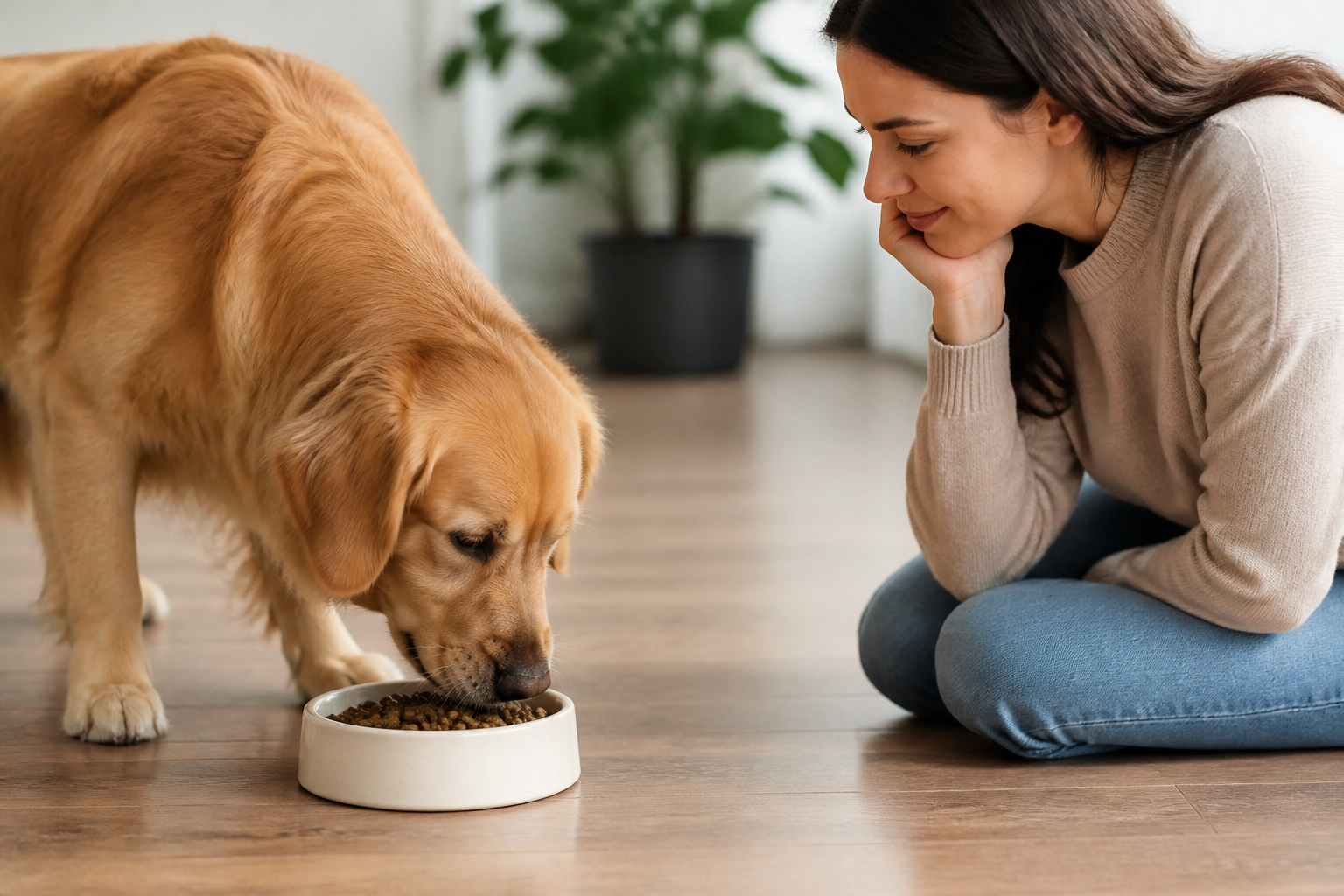
How often you feed your 60 lb dog can be just as important as how much you feed them. Most adult dogs do best on a twice daily schedule. Splitting the total daily amount into two meals helps regulate blood sugar and keeps the dog from feeling excessively hungry between feedings.
For a 60 lb dog, you might feed 1.5 to 2 cups in the morning and the same amount in the evening. This routine also helps you monitor their appetite. If a dog that usually loves food suddenly skips a meal, it is an immediate signal that something might be wrong.
Some owners prefer "free feeding," where food is left out all day. We generally advise against this for a 60 lb dog. Large breeds are often prone to overeating, and free feeding makes it impossible to track exactly how much they are consuming. It also makes it harder to manage weight if you have multiple pets in the house. If you want recurring refills for your dog's staple food, our Autoship programme can help keep mealtime on schedule.
Note: If your dog is a "fast eater" who gulps down their 60 lb portion in seconds, consider using a slow feeder bowl. This can help prevent digestive upset and reduce the risk of bloat, which is a concern for larger dogs.
The Impact of Treats and Toppers
When people ask how much dry food for a 60 lb dog, they often forget to count the extras. Treats, dental chews, and table scraps all contain calories. If you are feeding the full recommended amount of kibble and then giving several large treats throughout the day, your dog is likely overeating.
The "10% rule" is a good standard to follow. Treats should make up no more than 10% of your dog's daily caloric intake. If your 60 lb dog needs 1,300 calories, only 130 of those should come from treats. If you give a high calorie dental chew or a scoop of wet food as a topper, you must reduce the amount of dry kibble accordingly.
Healthy Treat Options
- Green beans or carrots: Very low calorie and provide a nice crunch.
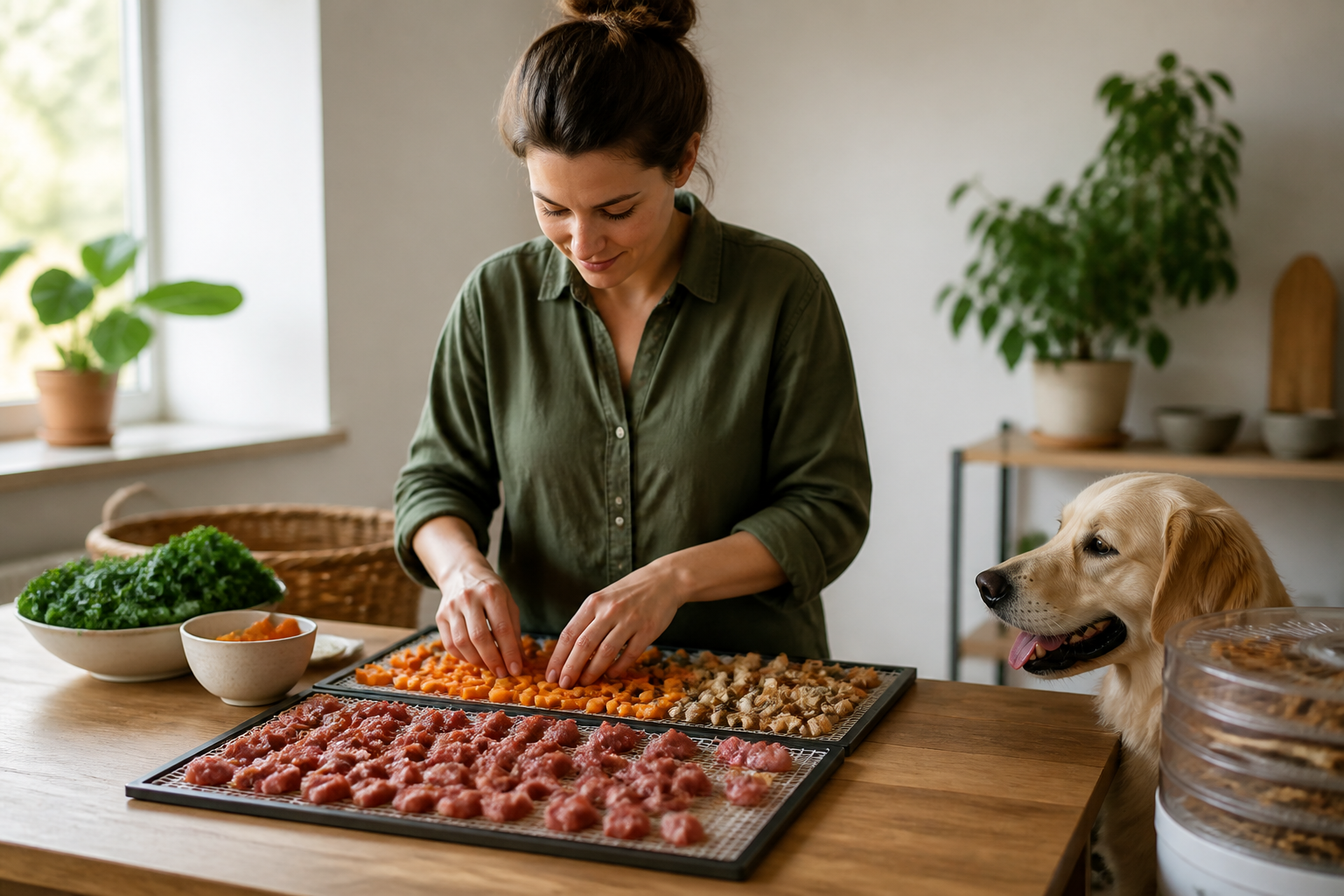
- Freeze-dried liver: High value for training but calorie dense, so use small pieces.
- Dehydrated sweet potato: A good source of fiber but watch the portion size.
If treats are part of your daily routine, our dog treats category is a good place to compare lighter options.
Transitioning to a New Feeding Amount
If you have realized that your dog needs more or less food, do not make the change all at once. A sudden shift in the amount of food can cause gastrointestinal upset or leave your dog feeling frustrated.
Step 1: Calculate the new goal. / Determine exactly how many cups of your current food your dog should be eating.
Step 2: Adjust by small increments. / Increase or decrease the total daily amount by about 10% every few days.
Step 3: Watch the stool. / Changes in portion size can sometimes affect digestion. If the stool becomes loose, slow down the transition.
Step 4: Re-evaluate in two weeks. / It takes time for a dog's body to adjust. Do not expect to see a weight change in forty-eight hours.
For a step-by-step approach to changing formats without upsetting digestion, our guide to feeding freeze-dried dog food offers a helpful comparison.
Supporting Long Term Health Beyond the Bowl
Feeding the right amount of dry food is a cornerstone of health, but it works best when combined with other wellness habits. For a 60 lb dog, joint health is a common concern as they age. Carrying extra weight puts significant stress on the hips and knees. By keeping your dog lean, you are directly supporting their mobility.
In addition to proper portions, consider adding supplements like Cosequin or Zesty Paws if your dog shows signs of stiffness. These can be integrated into their daily routine easily. We also offer a wide selection of mobility aids and orthopedic beds to support your dog as they grow.
If your dog has ongoing health needs like allergies or heart health concerns, our dog healthcare category is a helpful resource. Through our partnership with Pet's Choice, we offer a wide range of medications that can be shipped alongside your favorite food. This one stop approach helps you stay on top of all your dog's health requirements.
Managing Picky Eaters and Appetite Changes
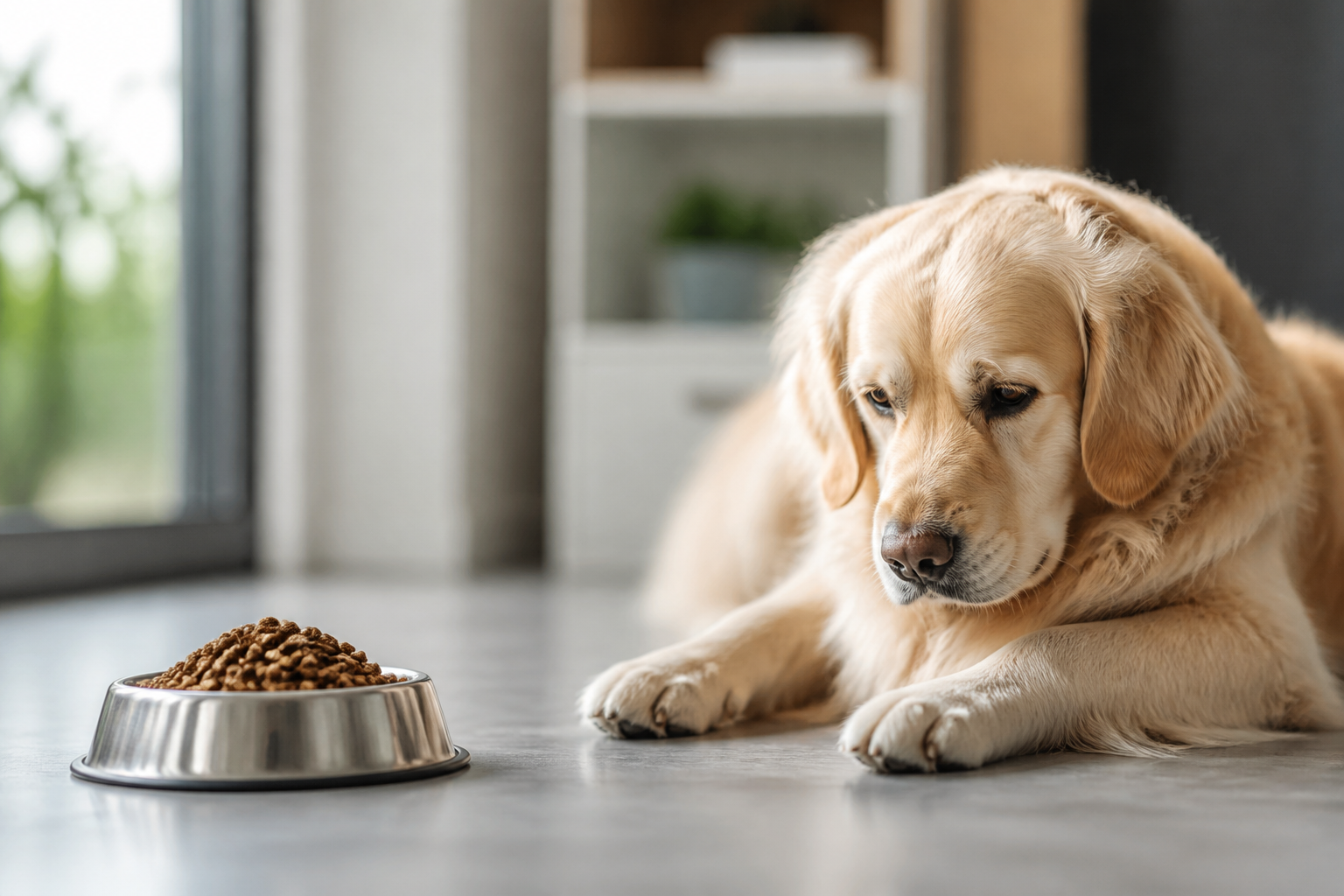
Sometimes the problem is not how much to feed, but getting the dog to eat the 60 lb portion you have measured out. Picky eating can be a challenge, especially if you have recently switched to a higher quality, more nutrient dense food.
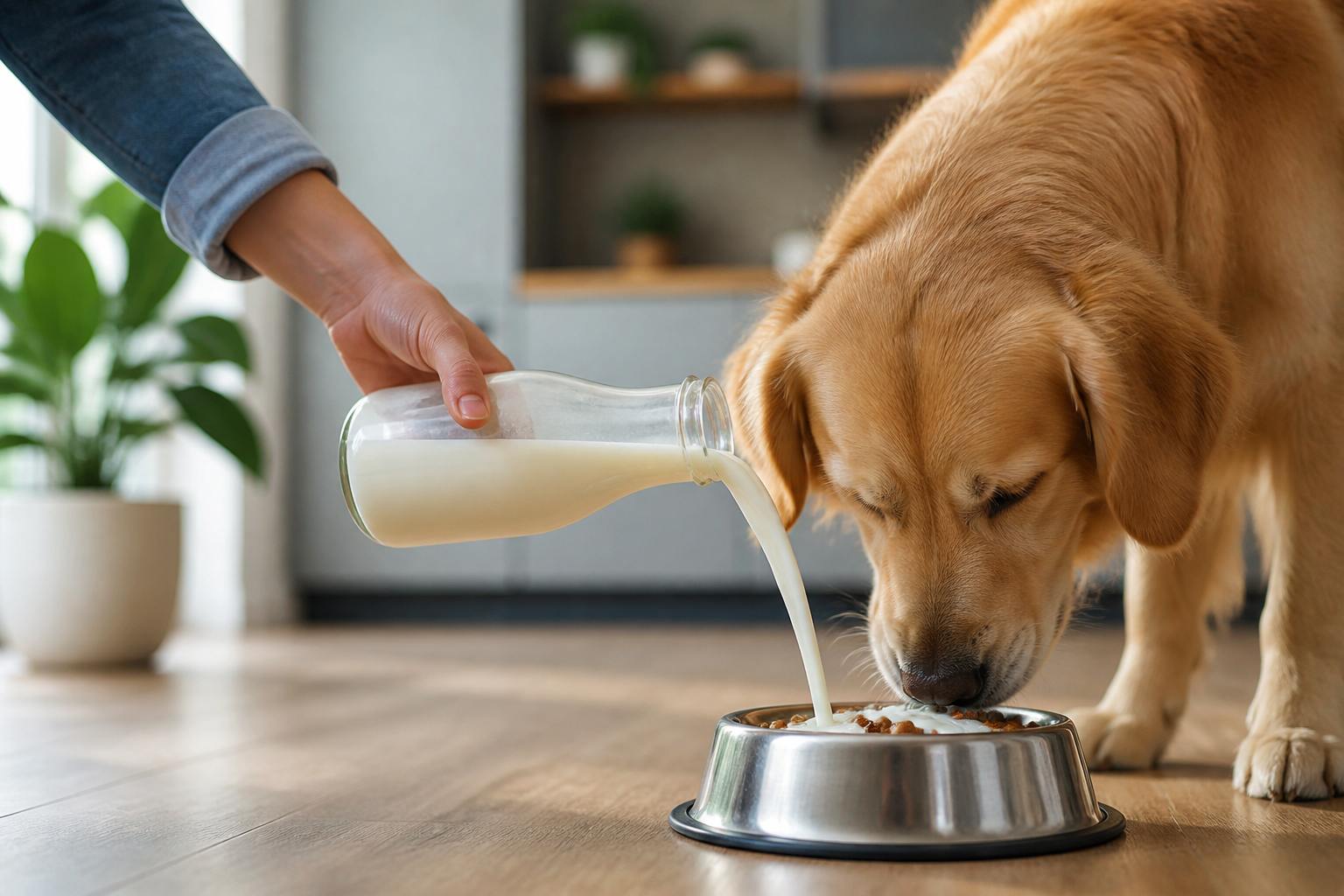
If your dog is healthy but disinterested in their dry food, try adding a small amount of warm water or a low sodium broth. This can enhance the aroma and make the texture more appealing. You can also try a high quality topper from brands like Stella & Chewy's to add a boost of flavor.
For more ideas on encouraging a reluctant eater, our blog post on getting dogs to eat their dry food is a natural next step.
However, if your 60 lb dog suddenly stops eating or shows a significant decrease in appetite for more than twenty-four hours, consult your veterinarian. An abrupt change in eating habits can be a symptom of an underlying health issue that requires professional diagnosis.
Conclusion
Determining how much dry dog food for a 60 lb dog requires a mix of math and observation. While a standard 3 to 4 cup daily portion is a common baseline, your dog's activity level, age, and metabolism are the true deciding factors. By understanding the calorie density of your chosen brand and monitoring your dog's body condition, you can provide the exact nutrition they need to thrive. We are here to help you every step of the way with a curated selection of premium foods and a dedicated pharmacy for specialized needs.
- Start with the calorie count on the bag rather than just the cup recommendations.
- Adjust portions based on activity levels and life stages.
- Use the "Rib Test" regularly to ensure your dog stays at a healthy weight.
- Count treats and toppers as part of the daily calorie total.
Key Takeaway: Proper feeding is a dynamic process. As your dog ages or the seasons change, their caloric needs will shift. Regularly checking their weight and adjusting their scoop size will keep them healthy and active.
To make your life easier, consider signing up for our MVP Rewards programme and our Autoship programme for recurring delivery. You can set your dog's favorite food for repeat shipment and save on your orders while earning more back on the purchases you already make.
FAQ
How many cups of dry food does a 60 lb dog need daily?
Most 60 lb adult dogs need between 3 and 4 cups of dry food per day, but this depends on the calorie density of the food. If the food is very calorie dense, like a performance formula, they may only need 2.5 cups. If it is a lower calorie weight management formula, they may need up to 4.5 cups.
Is 4 cups of food too much for a 60 lb dog?
For some dogs, 4 cups might be exactly right, especially if they are highly active or if the food has a lower calorie count. However, for a sedentary or older dog, 4 cups of a high protein kibble could lead to weight gain. Always check the kcal/cup on your specific bag of food to determine if 4 cups aligns with your dog's caloric needs.
How many calories should a 60 lb dog eat to lose weight?
A 60 lb dog typically needs about 1,300 to 1,500 calories to maintain their weight. To encourage healthy weight loss, a veterinarian might recommend reducing that intake to around 1,000 to 1,100 calories. It is important to work with a professional to ensure your dog still receives proper levels of vitamins and minerals during a diet.
Can I feed my 60 lb dog once a day?
While it is possible to feed a dog once a day, most experts recommend splitting the daily portion into two meals. This helps prevent hunger, regulates blood sugar levels, and may reduce the risk of bloat in larger breeds. Feeding twice a day also allows you to use smaller, more manageable portions that are easier for the dog to digest.