
 Save 15% on your 1st Autoship learn more

 Email us
 Live Chat
 FAQs
FAQs





Introduction
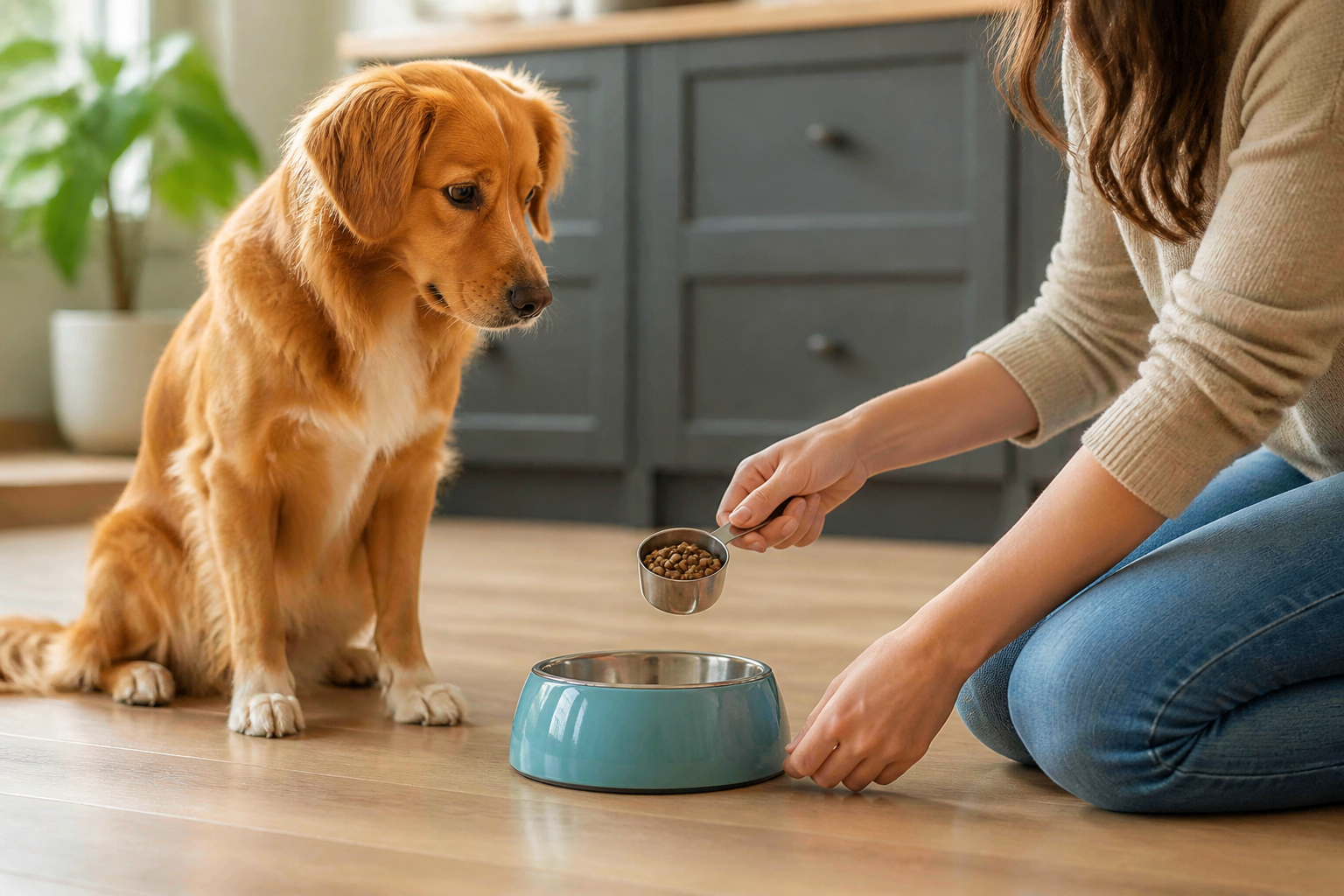
You are standing in your kitchen with a measuring cup in one hand and a bag of kibble in the other. Your dog is sitting at your feet, watching every movement with an intensity that suggests they have not eaten in days. You look at the feeding chart on the back of the bag, but it provides a wide range that feels more like a guess than a guide. A 40 lb dog sits right in the middle of the weight spectrum, making it difficult to decide if they need the lower or upper end of the recommendation.
At BaxterBoo, we know that getting the portion size right is about more than just a full belly. It is one of the most effective ways to manage your pet's long term health and mobility. This guide covers how to calculate specific calorie needs, how to read labels correctly, and why activity levels change the math. We want to help you move away from guesswork and toward a precise routine that keeps your medium sized dog lean and energized.
Quick Answer: A typical 40 lb adult dog usually requires between 2 and 2 2/3 cups of dry food per day. This amount varies based on the calorie density of your specific kibble and your dog’s activity level. Always check the kcal/cup measurement on your food bag for the most accurate calculation.
Understanding the 40 lb Dog Profile
A 40 lb dog is often considered the "sweet spot" of the canine world. They are sturdy enough for hiking and outdoor adventures, yet small enough to fit comfortably on the sofa. Breeds in this weight range include everything from athletic Border Collies and energetic Beagles to smaller Labradors or sturdy mixed breeds. Because this weight covers such a wide variety of body types and energy levels, a single feeding chart rarely fits every dog perfectly.
The first step in determining a portion size is acknowledging that weight is just a number. A 40 lb dog that spends all day running on a farm has vastly different nutritional needs than a 40 lb dog that naps while you work from home. Metabolism, age, and even the thickness of their coat can play a role in how many calories they burn just to maintain their body temperature.
The Basic Math of Canine Calories
To get a precise answer, we have to look at calories rather than just cups. Every brand of dry dog food has a different caloric density. One cup of a high performance formula might have 500 calories, while a weight management formula might only have 300 calories in that same cup. If you switch brands but keep the measurement the same, you could accidentally overfeed or underfeed your dog significantly.
Most adult dogs weighing 40 lbs require approximately 900 to 1,200 calories per day to maintain their current weight. This is known as the Maintenance Energy Requirement. To find the exact number of cups your dog needs, look for the "kcal/cup" listing on your bag of food. It is usually located near the ingredient list or the guaranteed analysis.
| Activity Level | Estimated Daily Calories | Estimated Cups (at 400 kcal/cup) |
|---|---|---|
| Inactive / Senior | 850 - 950 kcal | 2 - 2 1/4 cups |
| Typical Adult | 1,000 - 1,100 kcal | 2 1/2 - 2 3/4 cups |
| Highly Active / Working | 1,200 - 1,400 kcal | 3 - 3 1/2 cups |
Key Takeaway: Calorie needs are dynamic. Use the bag’s recommendation as a starting point, but adjust based on whether your dog is a couch potato or a marathon runner.
For help comparing formulas with different calorie densities, browse our adult dog food selection.
Factors That Influence Daily Portions
Determining how much dry food to pour depends on several variables that change throughout your dog's life. It is not a "set it and forget it" calculation. You should revisit your dog's portion sizes at least twice a year or whenever their lifestyle changes significantly.
Life Stages: From Puppy to Senior
Age is the most significant factor in metabolic rate. If your 40 lb dog is still a puppy reaching their full adult size, they are building bone, muscle, and organ tissue. This process requires a high concentration of calories and specific nutrients. Puppies often need to eat more frequently and in higher quantities relative to their body weight than adults do.
As dogs enter their senior years, their metabolism naturally slows down. They may also become less active due to joint stiffness or decreased energy. For a senior dog, you might need to reduce their portion size by 10% to 20% to prevent weight gain. Excess weight puts unnecessary strain on aging joints, making mobility more difficult as they age.
Activity and Exercise
Exercise is the primary driver of calorie burning. A dog that goes for a thirty minute walk around the block does not need extra food. However, if you spend the weekend hiking several miles or playing intense games of fetch, your dog may need a slight increase in their portion for that day. Working dogs or those participating in agility trials often require specialized high calorie diets to maintain their muscle mass.
Spay and Neuter Status
The metabolic rate of a dog often drops after they are spayed or neutered. Hormonal changes can lead to a decrease in the energy they burn at rest. Many pet owners notice their dog putting on weight shortly after their procedure. If your dog has recently been fixed, monitor their weight closely and be prepared to reduce their daily cups of kibble by a small amount.
Vet Tip: If your 40 lb dog is struggling to maintain a healthy weight despite portion control, consult your veterinarian. They can rule out underlying health issues like thyroid problems and may suggest a prescription weight management diet.
How to Read a Dog Food Label Correctly
The feeding chart on the back of a bag of kibble is a starting point, not a rule. These charts are regulated by AAFCO and are designed for an "average" dog. The problem is that very few dogs are perfectly average. Most charts provide a range, such as "2 to 3 cups for dogs 30 to 50 lbs." This leaves a lot of room for error.
When you look at the label, pay attention to the specific calorie count per cup. If you are feeding a nutrient dense food like Stella and Chewy's or Orijen, you will likely feed less volume than you would with a brand that uses more fillers. High quality foods often have a higher bioavailability, meaning your dog's body can actually use more of what is in the bowl, resulting in smaller stools and better energy levels.
For another explanation of calorie density and portion measurement, read how many grams are in a cup of dry dog food.
The Problem with the "Scoop"
Using a random plastic cup or an old coffee mug to measure food is one of the leading causes of pet obesity. These containers are rarely exactly 8 ounces. Even a small overage of a quarter cup per day can lead to significant weight gain over a year for a 40 lb dog. We recommend using a standardized measuring cup or, even better, a digital kitchen scale to measure food by weight in grams for total precision.
Monitoring Your Dog's Body Condition
The scale is only one tool for tracking health. Because muscle is denser than fat, two 40 lb dogs can look very different. To know if you are feeding the right amount, you should perform a Body Condition Score (BCS) check at home every two weeks.
For a broader overview of portions, feeding charts, and body condition, see our guide to feeding dry food for daily health.
The Rib Test
Stand over your dog and look down at them. You should see a visible waistline behind the ribs, creating an hourglass shape. Next, run your hands along their sides. You should be able to feel their ribs easily under a thin layer of skin, similar to how the back of your hand feels when you make a fist. If you have to press hard to find the ribs, your dog is likely carrying excess fat.
The Abdominal Tuck
Look at your dog from the side while they are standing. Their chest should be deeper, and their belly should slope upward toward their hind legs. This is called an abdominal tuck. If their belly hangs low or is level with their chest, it is a sign that they are overweight and their portion size should be trimmed back.
Bottom line: A consistent amount of food delivered at the same times each day creates a healthier, more relaxed dog. Precision in portioning is the most effective tool you have for weight management.
Transitions and Routine Consistency
Dogs thrive on predictability. Inconsistent feeding does more than just affect their weight; it can disrupt their digestion and lead to begging behaviors. When a dog knows exactly when and how much they will be fed, they are often calmer throughout the day.
Dividing the Daily Amount
For most 40 lb adult dogs, feeding twice a day is ideal. This keeps their blood sugar stable and prevents them from getting overly hungry, which can lead to "wolfing" down food and causing gas or bloating. If your dog requires 2 1/2 cups of food per day, give 1 1/4 cups in the morning and 1 1/4 cups in the evening.
Switching Foods
If you decide to change brands or formulas, never do it all at once. Even high quality brands like Farmina or Open Farm have different ingredient profiles that can upset a dog's stomach if introduced too quickly. Follow a simple transition plan over seven to ten days:
- Days 1-3: 75% old food, 25% new food.
- Days 4-6: 50% old food, 50% new food.
- Days 7-9: 25% old food, 75% new food.
- Day 10: 100% new food.
For more guidance, read our guide to switching a dog to a new food.
Treats and the 10 Percent Rule
It is easy to forget that treats have calories too. If you are training a new dog or simply enjoy giving a midday snack, those calories must be subtracted from the daily meal total. A common mistake is feeding the full amount of kibble plus several large biscuits or dental chews.
Treats should never make up more than 10% of your dog's total daily calorie intake. If your 40 lb dog needs 1,000 calories a day, no more than 100 of those calories should come from treats. For dogs that need to lose weight, try using a portion of their daily kibble as training rewards instead of high calorie store bought treats.
Browse our dog treats category for options that can fit into a measured daily routine.
Managing Health Conditions and Specialty Diets
Sometimes, the "standard" amount of food needs to be adjusted for medical reasons. Dogs with allergies, joint issues, or metabolic conditions may require specialty formulas that differ from standard adult maintenance kibble. For example, a dog with joint issues might benefit from a diet higher in omega fatty acids and glucosamine, which can sometimes be more calorie dense.
If your veterinarian prescribes a specific medical diet for conditions like kidney health or severe allergies, accuracy becomes even more critical. Our pet pharmacy carries a wide range of FDA approved medications and prescription pet foods through our partnership with Pet's Choice. Whether your dog needs a specific weight management formula or a hydrolyzed protein diet, we can help you manage those ongoing health needs with home delivery.
For additional information about veterinary diets, read this guide to veterinary diet food.
Checklist for Successful Feeding
- Use a standardized measuring cup or a digital scale for every meal.
- Check the "kcal/cup" on every new bag of food you buy.
- Perform a rib test every two weeks to monitor body condition.
- Adjust portions based on the 10% treat rule.
- Keep a consistent schedule to regulate digestion and behavior.
Supporting Your Dog's Health with BaxterBoo
Feeding the right amount of food is a simple yet powerful way to show your dog you care. By focusing on calories rather than just volume, you ensure your 40 lb companion gets exactly the fuel they need without the risks of obesity. At BaxterBoo, we have been helping pet owners find the best products for their dogs since 2006.
Whether you are looking for high quality dry food from brands like NutriSource and Acana or need to fill a prescription through our pharmacy partnership, we are here to support your pet's wellness journey. Staying consistent with their diet today means more healthy, active years together in the future. Consider signing up for our Autoship programme to save on your favorite brands and ensure you never run out of the food your dog loves.
Key Takeaway: Proper portioning is the foundation of a long, healthy life. Start with a baseline, observe your dog's body, and adjust as they age or their activity levels change.
FAQ
How many cups of food should a 40 lb dog eat if they are active?
An active 40 lb dog, such as one that goes on daily runs or long hikes, may need between 2 3/4 and 3 1/2 cups of dry food per day. This depends heavily on the calorie count of the food, so you should check the label for the kcal per cup. Always monitor their weight and increase the portion slightly if they begin to look too lean or lose muscle mass.
Can I just follow the chart on the back of the dog food bag?
The chart on the bag is a helpful starting point, but it is a general estimate for an average dog. It does not account for your dog's specific metabolism, neuter status, or exact exercise routine. Use the lower end of the recommendation first and adjust based on your dog's body condition after two to three weeks of consistent feeding.
What should I do if my 40 lb dog is always acting hungry?
If your dog is at a healthy weight but acts hungry, try dividing their food into three smaller meals or using a slow feeder bowl to make mealtime last longer. You can also add low calorie "bulkers" like plain canned green beans or a little bit of water to their kibble to help them feel fuller. If the hunger is sudden and intense, a vet visit is recommended to rule out metabolic issues.
Does a senior 40 lb dog need less food than an adult?
Yes, most senior dogs require about 20% fewer calories than they did in their younger years. Their metabolism slows down, and they generally move less, meaning they burn fewer calories throughout the day. Switching to a senior specific formula can help because these foods are often lower in calories but higher in joint supporting nutrients and fiber.






