
 Save 15% on your 1st Autoship learn more

 Email us
 Live Chat
 FAQs
FAQs





Introduction
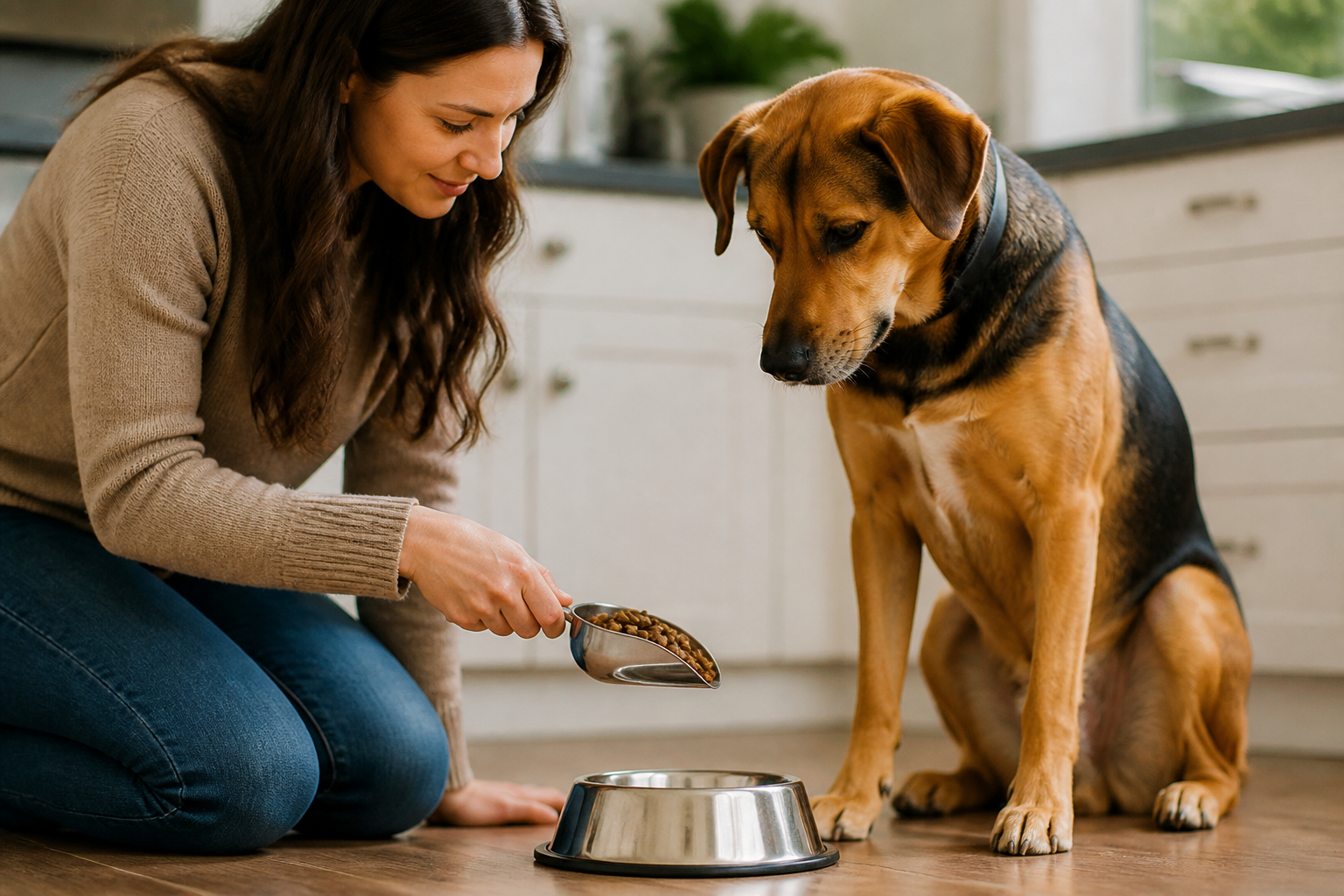
You are standing in the kitchen with a scoop in one hand and a bag of kibble in the other. Your dog is sitting nearby, watching the bowl with a wagging tail and hopeful eyes. You look at the feeding chart on the back of the bag, but the range is wide. One column says two cups, while another suggests nearly three. You want to ensure your pet gets enough energy for your morning walks without accidentally causing unhealthy weight gain. At BaxterBoo, we know that every dog is an individual with unique metabolic needs. This guide will help you move past the generic charts to find the exact portion your medium sized companion needs to thrive. We will cover caloric math, the impact of activity levels, and how to adjust for age and health.
Quick Answer: A typical 40 lb adult dog usually requires between 2 and 2 2/3 cups of dry food per day. This amount depends heavily on the calorie density of your specific kibble and your dog's activity level. Always verify the kcal/cup measurement on your food bag to ensure precision.
The Baseline: General Estimates for a 40 lb Dog
Determining the right amount of food starts with understanding your dog's daily caloric needs. A 40 lb dog is often considered the perfect middle ground in the canine world. They are sturdy enough for hiking but small enough to fit on most sofas. Because they sit right in the center of the size spectrum, their metabolic needs can vary significantly between breeds.
Most adult dogs of this weight require approximately 900 to 1,200 calories per day. This is a starting point rather than a rigid rule. If you use a standard high quality dry food, you will find that most brands contain between 350 and 450 calories per cup. You can begin exploring our dog food category for formulas with different calorie densities.
Understanding Caloric Density
Not all kibble is created equal. One cup of a weight management formula might only have 300 calories. Meanwhile, a high performance active dog formula could have 500 calories in that same cup. This is why measuring by volume alone can be misleading for many owners.
To find the most accurate amount, look for the kcal/cup listing on your dog food packaging. This is usually located near the ingredient list. Once you have this number, you can divide your dog's daily calorie needs by the calories per cup to find your daily portion. For more detail about measurement differences, read our guide to how much a cup of dry dog food weighs.
The Importance of a Standard Measuring Cup
Precision is the enemy of weight gain. Many owners use a random plastic cup or an old coffee mug to scoop food. These items are rarely exactly 8 ounces. Even a small overage of a quarter cup per day can lead to significant weight gain over a year for a 40 lb dog. Use a standardized measuring cup for every meal to keep portions consistent.
Key Takeaway: Calorie counts vary wildly between brands. Always check the kcal per cup on your specific bag rather than assuming all dry foods are the same.
Factors That Change the Daily Amount
Every dog has a unique metabolic fingerprint. Some dogs can eat quite a bit and stay lean, while others seem to gain weight easily. When you calculate food for a 40 lb dog, you must account for their specific lifestyle.
The Impact of Activity Levels
The difference between a weekend warrior and a daily hiker is significant. If your dog spends most of the day napping while you work from home, their caloric needs will be at the lower end of the spectrum. An extra half cup of food for a sedentary dog is essentially pure surplus that will be stored as fat.
If you have an active breed like a Border Collie or a spirited mix that plays fetch for an hour every day, they will burn through calories quickly. These dogs often require more than the standard recommendation to maintain their muscle mass and energy levels. Our article on how much dry food to feed a dog for daily health offers additional guidance on activity and portions.
Life Stages: From Puppyhood to Senior Years
Age plays a massive role in how much fuel a dog requires. If your 40 lb dog is still a puppy, they may need significantly more food than an adult. Puppies are building bone, muscle, and brain tissue. This is an energy intensive process that requires calorie dense formulas.
As dogs enter their senior years, their metabolism naturally slows down. They may also become less active due to joint stiffness or decreased stamina. For a senior dog, you might need to reduce their portion size by 10% to 20% to prevent obesity. Carrying extra weight puts unnecessary strain on aging joints.
Spaying and Neutering
Altering a dog changes their hormonal balance and can slow their metabolism. Studies generally show that spayed or neutered dogs require fewer calories than intact dogs. Many owners notice their dog gaining weight shortly after their procedure. If your dog has been fixed, keep a closer eye on their waistline and be prepared to trim their daily portions slightly.
Vet Tip: If your 40 lb dog is struggling with sudden weight changes or seems lethargic, consult your veterinarian. They can rule out underlying health issues like thyroid dysfunction or diabetes that might be affecting how your dog processes food.
Assessing Your Dog's Body Condition
The scale is only one part of the story. While 40 lbs is a helpful number, it does not tell us if that weight is healthy muscle or excess fat. To truly know if you are feeding the right amount, you need to look at your dog’s body condition.
The Rib Test
You should be able to feel your dog's ribs without pressing hard. This is the gold standard for assessing a dog's weight at home. Stand over your dog and look down at them. You should see a visible waist behind the ribs. From the side, their abdomen should have a slight tuck upward toward the hind legs.
Monitoring Weight Shifts
Consistency is key to noticing changes before they become problems. We recommend checking your dog's body condition once a week. This is about awareness rather than obsession. Small adjustments are much easier to manage than a major diet.
If you notice your dog is looking a bit round, try reducing their daily food by just 10%. For a dog eating 2.5 cups, this means removing about a quarter cup total from their daily intake. Stick with this new amount for two weeks and see if their condition improves. You can also review how many grams are in a cup of dry dog food when you want to measure portions by weight.
Bottom line: Your dog's waistline is a better indicator of feeding accuracy than the number on a scale.
Choosing the Right Food for a 40 lb Dog
The quality of the food you choose determines how much you need to put in the bowl. Higher quality foods often have higher bioavailability. This means your dog's body can use more of the ingredients, leading to smaller portions and less waste in the yard.
Premium Ingredients and Nutrient Density
Brands like Farmina, Orijen, and Acana focus on high protein and low glycemic index ingredients. Because these foods are nutrient dense, the recommended serving size for a 40 lb dog might be smaller than a budget brand full of fillers. At BaxterBoo, we handpick brands that prioritize real meat and whole foods to ensure your dog gets the most out of every bite.
Specialty Diets and Prescription Needs
Some dogs require more than just standard kibble. If your 40 lb dog has chronic allergies, kidney issues, or severe joint problems, a prescription diet may be necessary. These foods are formulated with precise levels of minerals and proteins to manage specific health conditions.
Through our partnership with Pet's Choice, our pet pharmacy offers FDA approved prescription pet foods. If your veterinarian has prescribed a specific diet like Royal Canin Veterinary Diet or Farmina Vet Life, you can fulfill those needs directly through us. This ensures your dog gets the medical nutrition they need with the convenience of home delivery.
Using Toppers and Treats
Do not forget to account for the extras. If you add a scoop of wet food or a handful of treats to your dog's day, you must subtract those calories from their dry food portion. Treats should never make up more than 10% of your dog's total daily calories. Our dog treats category can help you compare options for training and occasional rewards.
Common treats and their impact:
- A medium sized dental chew: 60-100 calories.
- One tablespoon of peanut butter: 90-100 calories.
- A small biscuit: 15-30 calories.
Establishing a Successful Feeding Routine
Dogs thrive on a predictable schedule. Inconsistent feeding does more than just affect their weight. It can affect their behavior and digestion. When a dog knows exactly when and how much they will be fed, they are often calmer and less prone to begging.
Dividing the Daily Total
Most veterinarians recommend feeding an adult dog twice a day. This keeps their blood sugar stable and prevents them from getting overly hungry. If a dog gets too hungry, they might wolf down their food, which can lead to gas or more serious digestive upset.
For a 40 lb dog requiring 2.5 cups of food:
- Morning meal: 1.25 cups
- Evening meal: 1.25 cups
Safe Storage for Freshness
Dry food contains fats that can spoil when exposed to air and light. Many owners dump the kibble directly into a plastic bin. However, it is actually better to keep the food in its original bag and place the entire bag inside a sealed container. The bags are designed to keep the food fresh and prevent the fats from seeping into the plastic.
Transitioning to a New Food
If you decide to switch your dog's brand or formula based on their caloric needs, do it slowly. A sudden change can cause stomach upset. Follow this seven day plan:
- Days 1-2: 25% new food, 75% old food.
- Days 3-4: 50% new food, 50% old food.
- Days 5-6: 75% new food, 25% old food.
- Day 7: 100% new food.
The Role of Weight Management and Health
Maintaining an ideal weight is one of the most important things you can do for your dog's longevity. Obesity is linked to a variety of health problems in medium sized dogs, including heart disease and mobility issues. Our dog healthcare category includes wellness products for dogs with changing health needs.
When to Seek Professional Help
If your dog is 40 lbs but should be 35 lbs, a simple reduction in food might not be enough. Your vet can help you create a safe weight loss plan. Rapid weight loss can be dangerous for dogs, so it must be done under professional supervision.
For dogs managing chronic pain from joint issues, weight management is even more critical. Our pharmacy carries a range of medications and supplements that can support your dog during their wellness journey. Whether they need a prescription NSAID for inflammation or a specialty joint supplement like Cosequin, we provide easy access to the supplies your vet recommends.
MVP Rewards and Autoship
Staying consistent with your dog's diet is easier when you never run out of food. Our Autoship program allows you to set a recurring delivery schedule so the bag arrives before the bowl is empty. This not only saves you money on your first order but also grants you a free MVP Gold membership. Our MVP Rewards program helps you earn up to 5% back on every purchase, making it more affordable to provide premium nutrition to your 40 lb dog.
Bottom line: A 40 lb dog's health depends on the balance between quality nutrition and precise portion control.
Practical Steps for a Healthy 40 lb Dog
To keep your dog in peak condition, follow these simple daily habits. These steps help you stay in tune with your dog's body and ensure your diet remains effective.
- Measure every meal: Use a dry measuring cup rather than a liquid one or a random scoop.
- Check the ribs weekly: Ensure you can feel them without having to push through a layer of fat.
- Adjust for activity: If you went for a five mile hike, they might need an extra quarter cup. If it rained and you stayed inside, stick to the lower end of the range.
- Count the treats: If you are training with high value rewards, reduce the dinner portion accordingly.
- Keep water fresh: Proper hydration is essential for digesting dry kibble.
Conclusion
Finding the right amount of dry food for your 40 lb dog is a blend of science and observation. While a standard range of 2 to 2 2/3 cups is a great starting point, your dog's age, activity, and health status will ultimately determine the perfect portion. By focusing on high quality brands and maintaining a consistent schedule, you provide the foundation for a long and healthy life.
At BaxterBoo, we are committed to helping you navigate every stage of your pet's journey. From our expertly curated selection of over 500 brands to our full service pharmacy and Pet's Choice partnership, we have the tools you need to care for your dog with confidence. Whether you are stocking up on a favorite brand like NutriSource or fulfilling a prescription diet, our team is here to support you.
Explore our dog food category today to find the perfect formula for your companion, and consider signing up for our Autoship program to ensure their healthy routine never misses a beat.
FAQ
How many calories does a 40 lb dog need per day?
Most healthy adult dogs weighing 40 lbs need between 900 and 1,200 calories daily to maintain their weight. This number can drop significantly for senior dogs or rise for very active working breeds. Always consult your veterinarian for a specific calorie target if your dog is struggling with weight management.
Can I just follow the feeding chart on the back of the bag?
The chart on the bag is a helpful baseline, but it is designed for an average dog with a typical activity level. It often provides a range, such as 2 to 3 cups, which can be a huge difference for a 40 lb dog. You should start in the middle of the recommended range and adjust based on your dog's body condition and weight trends.
Why is my 40 lb dog always acting hungry even after eating?
Some dogs are naturally highly food motivated and will act hungry regardless of how much they have eaten. However, if your dog is eating a lower quality food with lots of fillers, they may not feel satiated. Switching to a high protein, nutrient dense kibble or adding a small amount of fiber rich vegetables like green beans can help them feel full longer.
Should I change how much I feed my dog in the winter?
If your dog spends a lot of time outside in the cold, they may burn more calories just to keep their body temperature stable. Conversely, if your winter routine involves fewer walks and more indoor time, you may actually need to decrease their food to prevent weight gain. Monitor their body condition closely as the seasons change to decide if a portion adjustment is necessary.






