
 Save 15% on your 1st Autoship learn more

 Email us
 Live Chat
 FAQs
FAQs





Introduction
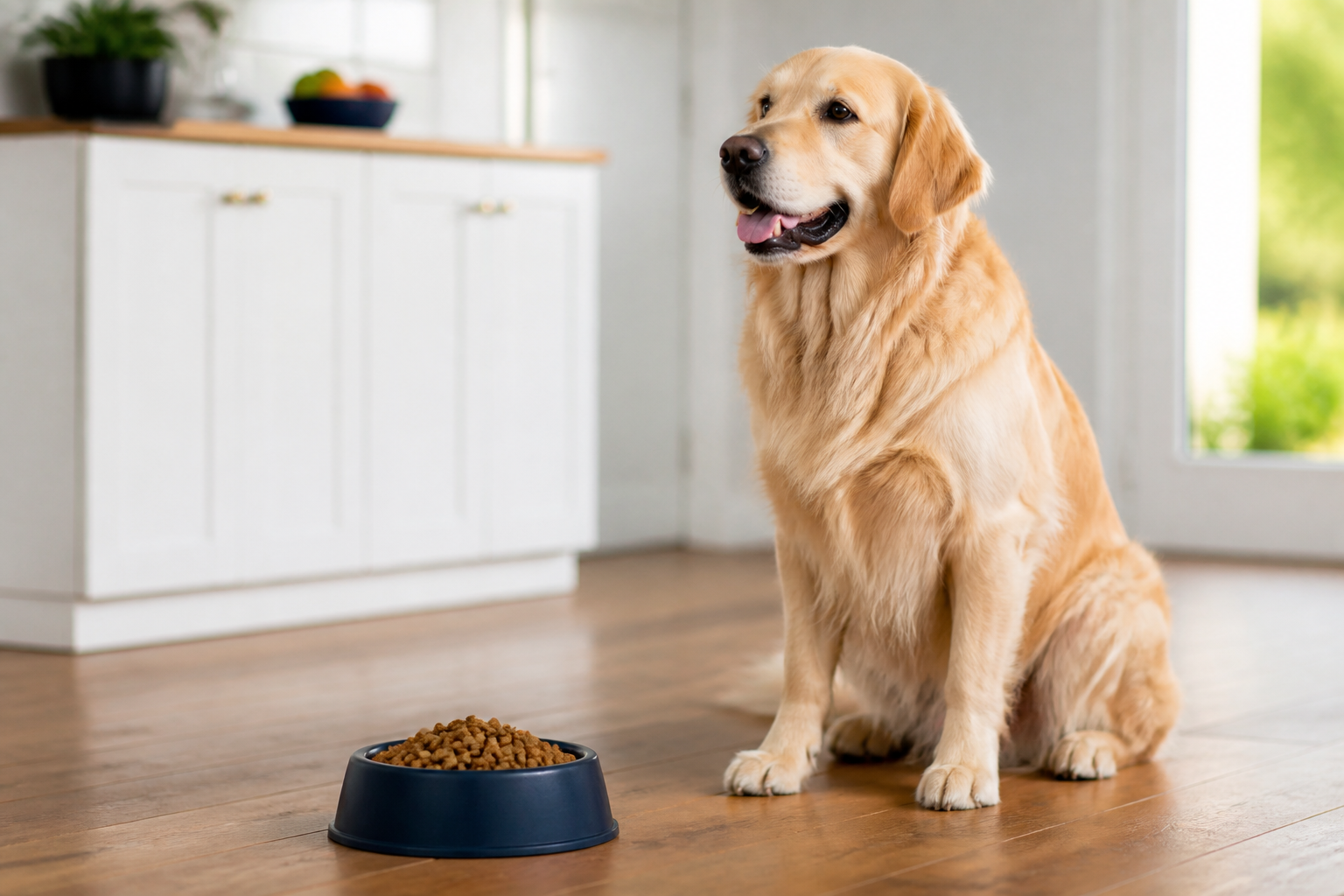
You are standing in your kitchen holding a plastic measuring scoop. Your dog is sitting at your feet. They are watching every move you make with intense focus. You know your dog weighs exactly 50 pounds. You also know that feeding them the right amount is the best way to keep them healthy. At BaxterBoo, we see this situation every day with our customers. Owners want to avoid the health risks of obesity while ensuring their pet has enough energy for a walk in the park.
Determining the exact amount of kibble is not as simple as reading one number. Factors like age, activity level, and the specific brand of food play a massive role. This guide breaks down the math behind the bowl. We will help you understand how to use feeding charts and caloric density to keep your 50-pound companion in peak condition.
The General Rule for a 50 Pound Dog
Most adult dogs weighing 50 pounds require between 2 and 3 cups of dry food per day. This is a very broad starting point. If you feed a calorie-dense food, the amount will be on the lower end. If the food has more fillers or lower fat content, the amount will be higher.
The goal is to provide enough calories to maintain a healthy weight. A 50-pound dog is usually considered a medium-to-large breed. This weight class often includes breeds like Border Collies, female Golden Retrievers, or standard Australian Shepherds. Each of these breeds has a different metabolic rate.
Quick Answer: A typical 50-pound adult dog needs about 2.25 to 2.75 cups of standard dry kibble daily. This assumes the food contains roughly 350 to 400 calories per cup. Always adjust based on your dog's specific activity level and body condition.
Why Calorie Density Matters
Not all cups of dog food are created equal. This is the biggest mistake pet owners make when measuring meals. One brand might have 320 calories per cup. Another premium brand might have 480 calories per cup.
If you switch brands and keep using the same scoop, you could accidentally overfeed or underfeed your dog. Premium brands like Orijen or Acana often have higher calorie counts. This means you feed less volume to reach the same nutritional goals. Value brands often require larger portions because they have lower caloric density.
Understanding the Label
Look for the "Calorie Content" statement on your dog food bag. It is usually listed near the ingredient list or the guaranteed analysis. It will show "kcal/kg" and usually "kcal/cup."
- Low Calorie: Under 350 kcal/cup
- Moderate Calorie: 350 to 400 kcal/cup
- High Calorie: Over 400 kcal/cup
If your 50-pound dog needs 1,200 calories a day, they would need almost 4 cups of low-calorie food. However, they would only need 2.5 cups of a high-calorie formula.
Key Takeaway: Always check the calories per cup before deciding on a portion size. Do not rely on the same measuring scoop when switching between different brands or formulas.
For calorie-dense options, compare formulas in our dog food category.
Factoring in Activity Levels
Your dog's lifestyle is the most important variable. A 50-pound dog that sleeps on the sofa all day has very different needs than a working dog. We often categorize activity into three main levels.
The Couch Potato (Low Activity)
These dogs get less than 30 minutes of intentional exercise per day. They mostly move around the house or the yard. Their metabolism is slower. They may only need about 1,000 to 1,100 calories per day. This usually equates to about 2 to 2.25 cups of food.
The Average Companion (Moderate Activity)
This dog gets one or two good walks a day. They might play fetch for 20 minutes in the evening. Most 50-pound family pets fall into this category. They generally need about 1,200 to 1,300 calories. This translates to roughly 2.5 to 2.75 cups of dry food.
The Athlete or Working Dog (High Activity)
These dogs are on the move for hours. They might go for long runs, hikes, or participate in agility training. Their caloric needs can spike significantly. An active 50-pound dog may need 1,500 calories or more. You might find yourself feeding 3.5 cups or more just to maintain their weight.
| Activity Level | Estimated Daily Calories | Estimated Cups (400 kcal/cup) |
|---|---|---|
| Low Activity | 1,050 kcal | 2.5 cups |
| Moderate Activity | 1,250 kcal | 3 cups |
| High Activity | 1,500+ kcal | 3.75+ cups |
Bottom line: Be honest about your dog's daily movement to avoid accidental weight gain.
Life Stages and Feeding Volumes
Age changes how a dog processes nutrients. A 50-pound dog might be a growing puppy, a stable adult, or a slowing senior. Each stage requires a different approach to the bowl.
Puppies at 50 Pounds
If your 50-pound dog is still a puppy, they are likely a large breed like a Great Dane or a Mastiff. They are still building bone and muscle. Puppies need more calories per pound of body weight than adults. They also need specific calcium-to-phosphorus ratios.
You must use a large breed puppy formula. These puppies often eat much more than an adult dog of the same weight. You might be feeding 4 or 5 cups of food spread across three meals.
For additional guidance on young dogs and dry food, read our puppy dry food weaning guide.
Adult Dogs
Adult dogs are in the maintenance phase. The goal here is stability. Most of the feeding charts you see on bags are designed for healthy adult dogs with moderate activity. At this stage, you are mostly adjusting for energy expenditure.
Senior Dogs
As dogs age, their metabolism naturally slows down. They often become less active due to joint stiffness or lower energy. A 50-pound senior dog might only need 80% of the calories they needed as a young adult.
Senior-specific foods often have fewer calories but higher quality protein to maintain muscle. If you notice your senior dog is putting on weight, it is time to trim the portions.
Vet Tip: Senior dogs often benefit from supplements for joint health. If you notice your senior dog struggling to get up or losing muscle mass, consult your veterinarian. They can help determine if a prescription diet or a specific supplement is necessary.
The Role of Metabolism and Spay/Neuter Status
Individual metabolism plays a role that numbers cannot always predict. Just like humans, some dogs naturally burn calories faster. Two dogs of the same breed and weight may need different amounts of food to stay lean.
Spay and neuter status also matters. Neutered dogs generally have lower energy requirements. Research shows that a dog's metabolic rate can drop by 20% to 30% after being fixed. If your dog was recently neutered or spayed, watch their waistline closely. You may need to reduce their food by a small amount to prevent weight creep.
How to Assess Your Dog's Weight
The scale is helpful, but the ribs tell the real story. We recommend using a Body Condition Score (BCS) system at home. This is a simple hands-on test you can do during a belly rub.
Step 1: Stand above your dog and look down. You should see a noticeable waistline behind the ribs. If your dog looks like a solid rectangle, they are likely overweight.
Step 2: Run your hands along their side. You should be able to feel the ribs easily under a thin layer of fat. If you have to press hard to find the ribs, your dog is carrying too much weight.
Step 3: Look at your dog from the side while they are standing. The belly should tuck up toward the hind legs. A flat or sagging belly line is a sign that it is time to cut back on the kibble.
Key Takeaway: Visual and physical checks are more accurate than the number on the scale. Adjust food amounts by 10% if your dog loses their waistline or if their ribs become too prominent.
For a related approach to portion control and body condition, see our pet weight management guide.
The Danger of Treats and Table Scraps
Treats are often the hidden culprit in weight gain. Many owners measure the kibble perfectly but forget about the extras. A medium-sized milk bone can have 40 to 60 calories. A few of those a day can equal half a cup of food.
If you give your dog treats for training or rewards, you must subtract those calories from the dinner bowl. We suggest the 10% rule. No more than 10% of your dog's daily calories should come from treats.
- Use small pieces of plain carrots or green beans as low-calorie rewards.
- Subtract a small handful of kibble from their meal to use as training rewards throughout the day.
- Avoid fatty table scraps like bacon or cheese drippings.
Measuring for Accuracy
Most people use a generic plastic cup or an old coffee mug to scoop food. These are rarely accurate. A "cup" in pet food terms is a standard 8-ounce measuring cup.
For the best results, use a kitchen scale. Most pet food labels list the weight in grams for a serving. Measuring by weight is much more consistent. A scoop of food might be packed tightly or loosely, but 100 grams is always 100 grams. This small change can prevent you from overfeeding by a few hundred calories every week.
Switching to a New Food
When you find a brand that works for your dog, stay with it. If you must switch, do it slowly. A 50-pound dog has a sensitive digestive system. A sudden change can cause upset stomachs or loose stools.
Step 1: Mix 25% of the new food with 75% of the old food for two days.
Step 2: Move to a 50/50 mix for the next two days.
Step 3: Feed 75% of the new food and 25% of the old food for two days.
Step 4: Transition to 100% of the new food.
During this week, keep a close eye on their stools. If they remain firm, the transition is successful. If you notice issues, slow the process down.
For another perspective on changing diets gradually, read our guide to switching from dry to wet dog food.
Managing Weight with Prescription Diets
Sometimes, a standard bag of kibble is not enough to manage a dog's weight. If your 50-pound dog is significantly overweight, they may need a therapeutic diet. These foods are formulated to keep a dog feeling full while providing fewer calories.
Our pharmacy at BaxterBoo offers a variety of FDA-approved prescription foods. Through our partnership with Pet's Choice, we carry brands like Farmina Vet Life and Royal Canin Veterinary Diet. These formulas are designed for specific health needs. These might include weight management, joint support, or digestive issues.
If your veterinarian recommends a prescription diet, you can easily manage those orders through us. We handle the script verification so you can get the food delivered to your door. This is a practical step for owners of senior dogs or dogs with chronic health conditions.
The BaxterBoo Difference in Quality
At BaxterBoo, we handpick the brands we carry. We do not just stock what is popular. We look for high-quality ingredients and trusted manufacturing processes. Brands like NutriSource, Stella and Chewy's, and Dr. Marty's offer excellent nutrition for a 50-pound dog.
Whether you are looking for grain-free options or ancient grain formulas, we have curated a selection that prioritizes pet health. We operate as a real warehouse in Vernon Hills, Illinois. This means we know our inventory inside and out. Our team understands that every dog is an individual. We want to help you find the specific bag that makes your dog's coat shine and their energy levels soar.
Explore our NutriSource selection for formulas suited to different life stages and dietary needs.
Using MVP Rewards and Autoship
Feeding a 50-pound dog means you will be buying a lot of food over their lifetime. We want to make that process more affordable. Our MVP Rewards program allows you to earn up to 5% back on your purchases. These points add up quickly when you are buying large bags of premium kibble.
We also offer an Autoship program. This is the easiest way to ensure you never run out of food. You can set your delivery schedule based on how fast your dog eats.
- Save on your first Autoship order.
- Receive a free MVP Gold membership.
- Adjust or cancel your schedule at any time.
This program is perfect for the 50-pound dog owner. You know exactly how much they eat and when the next bag should arrive. It takes the guesswork out of your monthly shopping.
Learn more about our Autoship programme and the MVP Rewards programme before setting up recurring deliveries.
Summary of Feeding for Success
Managing the diet of a 50-pound dog requires a balance of science and observation. Start with the guidelines on the bag. Adjust for your dog's specific activity level. Watch their body condition rather than just the scale.
If you are dealing with health issues like allergies or obesity, work closely with your vet. They can guide you toward the right specialized diet or medication. Our pharmacy is always here to support those needs with professional service and competitive pricing.
Bottom line: A 50-pound dog is a big responsibility, but the right feeding routine makes it easy to keep them healthy for years to come.
FAQ
How many cups of food should a 50 lb dog eat a day?
Most 50-pound adult dogs eat between 2 and 3 cups of dry food daily. This depends heavily on the calorie count of the specific kibble. A high-protein, high-calorie brand will require smaller portions, while a weight-control formula might require more volume. Always check the label for the "kcal/cup" measurement.
Is 3 cups of food too much for a 50 lb dog?
It depends on the food's caloric density and the dog's activity level. For a highly active dog or a brand with lower calories, 3 cups might be perfect. However, for a sedentary dog eating a calorie-dense premium food, 3 cups could lead to weight gain. Use the Body Condition Score to see if your dog is maintaining a healthy waistline at that amount.
How many calories does a 50 lb dog need daily?
An average 50-pound dog with moderate activity needs roughly 1,200 to 1,300 calories per day. This number drops to about 1,000 for senior dogs or those with low activity. Highly active working dogs may need 1,500 calories or more to keep their weight stable. Your veterinarian can provide a more precise calculation based on your dog's specific health.
How often should I feed my 50 lb adult dog?
Most veterinarians recommend feeding an adult dog two meals per day. Splitting the daily portion into a morning and evening meal helps with digestion and keeps energy levels stable. It also prevents the dog from becoming overly hungry and searching for scraps. For dogs prone to bloating, smaller and more frequent meals may be suggested by a professional.






