
 Save 15% on your 1st Autoship learn more

 Email us
 Live Chat
 FAQs
FAQs





Introduction
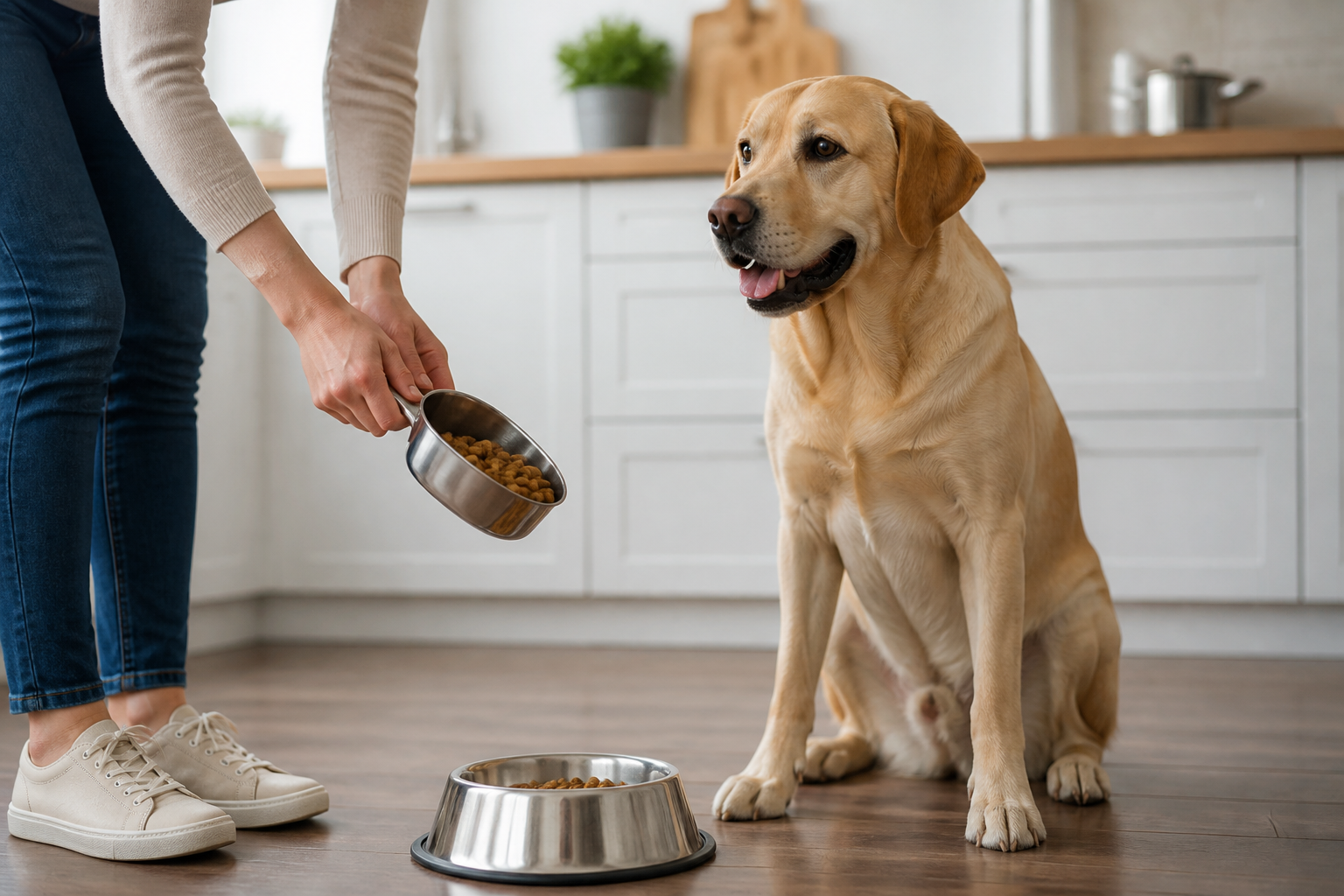
Standing in your kitchen with a plastic scoop in hand can feel like a guessing game. You look at your 60 pound dog, then at the bag of kibble, and wonder if those broad feeding charts actually apply to your pet. One day your dog seems lean and energetic. The next day, you might worry they are getting a little too soft around the middle. Getting the portion size exactly right is one of the most important things you can do for their long term health.
At BaxterBoo, we see this struggle often with medium and large breed owners. Whether you are managing a high energy athlete or a couch loving senior, the right amount of food prevents obesity and supports joint health. This guide will help you move past the vague suggestions on the back of the bag. We will show you how to calculate the exact needs of your 60 pound dog based on their lifestyle, age, and the specific calorie density of their food.
The Basic Math of Calories and Weight
The first thing to understand is that weight is only one part of the nutritional equation. While 60 pounds is our baseline, two dogs at this exact weight can have completely different energy requirements. A dog that spends its afternoon hiking requires significantly more fuel than one that prefers napping on the rug.
To find the right amount of food, we have to look at kilocalories (kcal). This is the scientific term for the energy found in dog food. Most commercial dry dog foods contain between 300 and 450 kcal per cup. If you feed a calorie dense performance kibble, you will need to give your dog much less volume than if you use a weight management formula. For more options, browse our dog food category.
Quick Answer: A typical 60 pound adult dog usually needs between 3 and 5 cups of dry kibble per day. This depends heavily on the calorie density of the food and the dog's activity level. Most standard adult kibbles require about 3.5 cups to meet the daily needs of a moderately active dog.
Calculating the Resting Energy Requirement
Veterinarians often start with a formula called the Resting Energy Requirement (RER). This is the number of calories a dog needs just to keep their body functioning while at rest. For a 60 pound dog, the RER is roughly 900 to 1,000 calories per day.
However, your dog is not just resting. They are walking, playing, and maintaining their body temperature. Most adult dogs with moderate activity need about 1.4 to 1.6 times their RER. This brings the total daily requirement for a healthy 60 pound dog to approximately 1,300 to 1,500 calories. For additional guidance on measuring portions, read how many cups of dry dog food to feed per day.
Converting Calories to Cups
Once you know the daily calorie goal, you must look at your specific bag of food. Look for the kcal/cup listing on the packaging. This is usually found near the ingredient list or the guaranteed analysis.
| Calorie Density (kcal/cup) | Approximate Daily Amount (Cups) |
|---|---|
| 300 kcal/cup (Lower calorie/Weight care) | 4.5 to 5 cups |
| 350 kcal/cup (Average adult kibble) | 3.5 to 4 cups |
| 400 kcal/cup (Higher calorie/Active) | 3 to 3.5 cups |
| 450 kcal/cup (Performance/High protein) | 2.5 to 3 cups |
Why Bag Guidelines Are Often Generalizations
You might notice that the chart on the back of your dog food bag suggests a larger amount than what we have listed. Pet food companies often provide broad ranges to ensure that even the most active dogs get enough nutrients. If you follow those guidelines without adjusting for your dog's actual lifestyle, you might unintentionally overfeed them.
The guidelines are a starting point, not a strict rule. They do not know if your 60 pound dog is a young, energetic Labrador or an older, sedentary Basset Hound. If you notice your dog gaining weight while following the bag instructions, it is perfectly normal to reduce the portion.
Key Takeaway: Calories vary wildly between brands like NutriSource, Open Farm, or Farmina. Always measure based on the specific energy density of your current kibble rather than a generic cup count.
Factors That Influence Your Dog's Portion Size
A 60 pound dog is often right on the border between medium and large breeds. Because of this, their metabolism can vary based on several factors. You should consider these variables when deciding whether to lean toward the higher or lower end of the feeding range.
Activity Level and Lifestyle
This is the biggest differentiator. A working dog or a dog that runs several miles a day has a much higher metabolic demand. Their muscles require more fuel to recover and perform. Conversely, if your dog's primary exercise is a short stroll around the block, their caloric needs will be on the lower end of the spectrum.
Life Stage and Age
Puppies and young adults under two years old are often metabolic engines. They are still building bone density and muscle. They tend to burn through calories quickly. As dogs enter their senior years, their metabolism naturally slows down. A 60 pound senior dog may need 20 percent fewer calories than they did in their prime to maintain the same healthy weight.
Spay or Neuter Status
It is a well observed fact in pet care that spaying or neutering can slightly lower a dog's metabolic rate. The hormonal changes often mean the body requires less energy to maintain itself. Many owners find they need to trim back portions by about 10 percent after these procedures to prevent unwanted weight gain.
Environmental Conditions
The weather actually matters. Dogs that spend a lot of time outdoors in very cold climates burn calories just to stay warm. If you live in a region with harsh winters and your dog is active outside, you might need to increase their dry food portion during the winter months. You can then scale it back once spring arrives.
The Importance of Precise Portions
Inconsistent feeding is a leading cause of weight fluctuations. Using a random coffee mug or eyeballing the amount in the bowl makes it impossible to track exactly how much your dog is eating. Small errors add up quickly.
An extra quarter cup of food every day can result in several pounds of weight gain over a year for a 60 pound dog. We recommend using a standard measuring cup or, even better, a kitchen scale. Measuring by weight in grams is the most accurate way to ensure your dog gets the exact same amount of nutrition every single morning and evening. Learn more about how much a cup of dry dog food weighs.
Vet Tip: If your dog is struggling with weight management or has a chronic condition like diabetes or kidney disease, precise portions are vital. Our pharmacy offers a wide selection of prescription pet foods through our partnership with Pet's Choice. Always consult your veterinarian before switching to a prescription diet to ensure it meets your dog's specific medical needs.
How to Tell if Your 60 Pound Dog is at a Healthy Weight
Since every dog has a different frame, 60 pounds looks different on every breed. A 60 pound Greyhound will look very thin, while a 60 pound Bulldog might look quite fit. Instead of relying only on the scale, you should use the rib test and a visual body condition assessment. Our dog health category offers additional products for supporting your pet's overall care.
The Rib Test
Place your hands on your dog's ribcage with your palms flat. You should be able to feel the ribs easily without having to press through a thick layer of fat. The ribs should feel like the back of your hand when you make a fist: distinct but not protruding. If you have to dig to find the ribs, your dog is likely carrying extra weight.
The Waist and Tuck
Look at your dog from above while they are standing. They should have a visible waist where their body narrows behind the ribcage. Then, look at them from the side. Their abdomen should tuck up toward their hind legs rather than running in a straight, flat line from the chest to the tail.
- Underweight: Ribs, spine, and pelvic bones are easily visible. Very deep tuck and narrow waist.
- Ideal Weight: Ribs are easily felt but not seen. Clear waist from above and tuck from the side.
- Overweight: Ribs are difficult to feel under a layer of fat. No visible waist from above. Abdomen is rounded rather than tucked.
Managing Health Concerns Through Nutrition
For many dogs, the standard feeding routine needs adjustment to handle specific health issues. This is especially true as dogs reach that 60 pound mark, which puts more stress on their joints than smaller breeds.
Joint Health and Mobility
Heavier dogs are more prone to joint stiffness and mobility issues. Brands like Cosequin and Zesty Paws offer supplements that can help, but weight control is the best defense. Keeping your 60 pound dog at a lean weight reduces the physical load on their hips and knees. If your vet recommends a specific mobility diet, these are often available as prescription options.
Skin and Food Sensitivities
If your dog has itchy skin or digestive upset, the amount of food is just as important as the ingredients. Overfeeding can sometimes worsen inflammatory responses. Many owners of 60 pound dogs find success with limited ingredient diets from brands like Stella and Chewy's or The Honest Kitchen.
Chronic Health Conditions
If your dog is managing a condition like heart disease or allergies, their nutritional needs become more complex. Our pharmacy carries FDA approved medications and specialized prescription diets to support these ongoing health needs. Working closely with your vet allows you to tailor the calorie count to your dog's specific metabolic requirements during treatment.
Transitioning to a New Feeding Routine
If you realize you have been overfeeding or underfeeding your 60 pound dog, do not change their portion size overnight. Drastic changes can lead to digestive upset or a very grumpy, begging pet.
Step 1: Determine the goal portion. / Use the calorie math we discussed or consult your vet to find the ideal number of cups for your specific kibble.
Step 2: Adjust in small increments. / Increase or decrease the daily total by no more than 10 percent every few days.
Step 3: Observe for two weeks. / It takes time for a dog's body to respond to a change in calories. Do not rush to make another change until you see how their weight and energy levels react.
Step 4: Maintain consistency. / Once you find the sweet spot, keep the timing and the amount the same every single day.
Bottom line: Gradual changes are easier on your dog's digestive system and help prevent the "begging" behaviors associated with sudden calorie cuts.
The Role of Storage and Freshness
How you store your dry food also impacts its nutritional value. Dry food contains fats and oils that can go rancid if exposed to too much air, heat, or light. If the food loses its nutritional integrity, your dog may not be getting the full benefit of the calories you are measuring out.
We recommend keeping kibble in its original bag but placing that bag inside an airtight container. The bags are designed to provide a moisture barrier. Storing the food in a cool, dry place ensures the vitamins and minerals remain stable. If you find you are buying very large bags that take more than six weeks to finish, consider buying smaller bags more frequently. This ensures the food is always fresh when it hits the bowl.
Feeding Schedule: How Often to Feed?
For a 60 pound dog, a twice daily feeding schedule is usually ideal. Feeding once in the morning and once in the evening helps maintain steady blood sugar levels throughout the day. It also reduces the likelihood of your dog becoming overly hungry and scavenging for scraps.
Some owners of large breeds prefer three smaller meals to help prevent bloat, a serious condition where the stomach twists. While the total daily amount of food stays the same, splitting it into three portions can be easier on the digestive system for some deep chested dogs.
The Impact of Treats and Scraps
It is easy to forget that treats have calories too. If you are training a 60 pound dog, those small rewards add up. A good rule of thumb is the 10 percent rule: treats should never make up more than 10 percent of your dog's total daily caloric intake.
If you give your dog a large chew or several biscuits, you should reduce their dinner portion accordingly. This is a common area where weight creep happens. Owners measure the kibble perfectly but forget about the high calorie dental chew or the peanut butter inside a Kong toy. Explore our dog treats category for reward options.
- Training Treats: Use tiny, low calorie bits for repetitive training.
- Vegetables: Many dogs enjoy green beans or carrots as crunchy, low calorie snacks.
- Consistency: Ensure everyone in the household is on the same page about how many treats the dog gets.
Using Programs to Stay Consistent
Managing the nutrition of a 60 pound dog is a long term commitment. To make this easier, we offer several programs to help you save money and stay stocked. Our Autoship program is a great way to ensure you never run out of your dog's specific formula. You can schedule recurring deliveries and save on your orders.
Plus, when you sign up for Autoship, you receive a free MVP Gold membership. Our MVP Rewards program allows you to earn up to 5 percent back on your purchases. For a dog eating 4 cups of premium food a day, these savings add up quickly. We also have a Frequent Buyer Program for many participating brands, which helps you earn free products over time.
When to Consult Your Veterinarian
While feeding charts and calorie calculators are helpful, they are no substitute for professional medical advice. If your dog is losing weight despite eating a normal amount, or if they are gaining weight while on a strict diet, there may be an underlying health issue.
Conditions like thyroid imbalance or parasites can drastically change how a dog processes food. Your vet can perform blood work and a physical exam to ensure your dog is healthy enough for their current diet. They can also provide a specific target weight if your dog needs to lose a few pounds safely. For more information about weight-focused feeding, read what is the best dry dog food for overweight dogs.
Vet Tip: Sudden changes in appetite or weight should always be discussed with a veterinarian. If your dog needs ongoing health management or prescription medications, our pharmacy is here to help with convenient home delivery.
Summary of Feeding a 60 Pound Dog
Feeding your dog the right amount is a balance of science and observation. By understanding the calorie density of your food and adjusting for your dog's specific lifestyle, you can ensure they stay at a healthy weight for years to come.
- Start with the calorie count on the bag rather than just the cup suggestions.
- Aim for roughly 1,300 to 1,500 calories for a moderately active adult.
- Use the rib test weekly to monitor their body condition.
- Account for treats and snacks in the total daily calorie budget.
- Adjust portions as your dog ages or their activity level changes.
Maintaining a healthy weight is the kindest thing you can do for your dog's joints and heart. With the right tools and a consistent routine, you can take the guesswork out of mealtime.
FAQ
How many cups of dry food does a 60 lb dog need?
Most 60 pound dogs require between 3 and 4.5 cups of dry food per day. The exact amount depends on the calorie density of your specific brand, as some foods have 300 calories per cup while others have over 450. Always check the bag for the kcal per cup measurement to be sure.
Is 4 cups of food too much for a 60 pound dog?
For many 60 pound dogs with moderate activity, 4 cups is a standard and healthy amount. However, if you are using a high protein performance food, 4 cups might lead to weight gain. If your dog is very sedentary or a senior, you may need to reduce this to 3 cups.
How many times a day should I feed my 60 lb dog?
A twice daily feeding schedule is recommended for most adult dogs of this size. This helps keep their energy levels stable and prevents them from getting too hungry between meals. Some owners of deep chested breeds choose to feed three smaller meals to help support healthy digestion.
Should I follow the feeding chart on the dog food bag exactly?
The chart on the bag is a general guideline intended for a wide range of dogs. It is usually a good starting point, but you should adjust the amount based on your dog's body condition. If your dog is gaining weight on the recommended amount, it is okay to reduce the portion by 10 percent.






