
 Save 15% on your 1st Autoship learn more

 Email us
 Live Chat
 FAQs
FAQs





Introduction
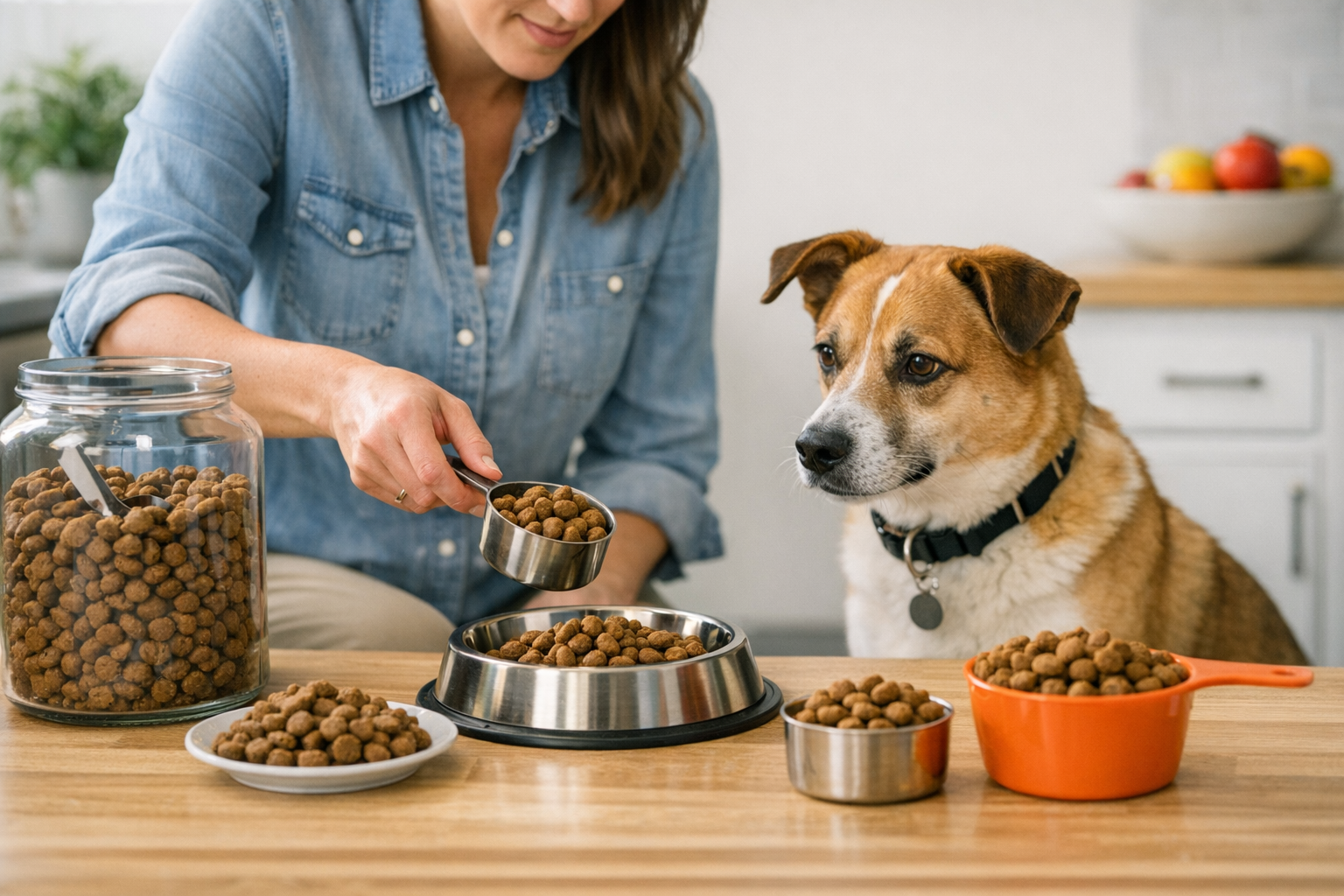
You are standing in the kitchen with a measuring scoop in one hand and a bag of kibble in the other. Your dog is sitting patiently at your feet, watching every move. You want to make sure you are giving them exactly what they need to stay healthy without overdoing it. Finding the right balance is one of the most important parts of daily pet care. Most 30 lb dogs need a specific range of calories to maintain their energy, joint health, and organ function. At BaxterBoo, we have helped pet owners navigate these nutritional choices since 2006. This guide will help you determine the ideal daily portion for your medium sized dog. We will look at calorie density, activity levels, and how to adjust for different life stages.
Quick Answer: Most 30 lb dogs need between 1.5 and 2.5 cups of dry food per day. This range varies based on the calorie count of your specific kibble and how many miles your dog walks each day.
The Baseline for a 30 lb Dog
A 30 lb dog typically falls into the medium breed category. This weight class often includes breeds like Beagles, Cocker Spaniels, or some smaller herding dogs. These dogs have unique metabolic needs compared to tiny toy breeds or giant dogs. While the bag of food gives you a general range, it is often based on a very broad average. If you are shopping for options, our dog food category is a good place to compare different formulas.
Most healthy, active adult dogs at this weight require roughly 700 to 900 calories per day. This is a baseline for maintenance. If your dog is sedentary or has been neutered, that number might drop toward 600 calories. If they are an athlete or a working dog, they might need 1,000 calories or more.
Why Cups Are Not a Universal Measurement
The biggest mistake owners make is assuming all "cups" of food are the same. One brand of dry food might have 320 calories per cup. Another premium brand like Stella & Chewy's or Farmina might have 450 or even 500 calories per cup. If you want to browse one of those brands, our selection of Stella & Chewy's products is a helpful example of how much variety a single brand can offer.
If you switch brands but keep the same measuring scoop, you could accidentally increase or decrease your dog's intake by 30 percent. Always look for the "kcal/cup" or "kcal/kg" listed on the nutritional label. This number tells you the true energy density of the food.
The Basic Math for Portions
To find the right amount, you first need to know the calorie count on your bag. Once you have that, you can divide your dog’s daily calorie goal by that number.
Step 1: Identify your dog's daily calorie needs with your vet.
Step 2: Find the kcal/cup on your dry food packaging.
Step 3: Divide the daily need by the kcal/cup.
Step 4: Split that total into two or three meals.
Key Takeaway: Always calculate portions based on calories rather than volume to ensure your dog receives consistent energy levels across different brands.
Factors That Change Daily Intake
No two dogs are identical even if they both weigh exactly 30 lbs. Several internal and external factors will change how much food should end up in the bowl.
Activity Level and Exercise
This is the most significant variable for a healthy adult dog. A 30 lb dog that walks three miles a day burns significantly more fuel than one that only goes for a quick stroll around the block. Working breeds like Border Collies often have a higher resting metabolic rate. They burn calories even when they are just hanging out.
Spaying and Neutering
Fixed dogs often have a slower metabolism than intact dogs. Hormonal changes after these procedures can reduce the amount of energy the body requires to function. Many owners find they need to reduce food intake by about 10 percent after their dog is spayed or neutered to prevent weight gain.
Metabolism and Genetics
Individual metabolism varies. Just like people, some dogs can eat a lot and stay lean, while others seem to gain weight just by looking at a treat. Breeds like Beagles are notorious for being "easy keepers," meaning they gain weight very easily and require strict portion control.
Comparing Dry Food Calorie Densities
To help you visualize why the brand matters, look at how calories vary across different types of dry food. These are general estimates based on common product types we see at BaxterBoo.
| Food Type | Average Calories Per Cup | 30 lb Dog Daily Serving (Approx) |
|---|---|---|
| Standard Grocery Kibble | 330 kcal | 2.25 to 2.5 cups |
| Premium Grain-Free Kibble | 420 kcal | 1.75 to 2 cups |
| High-Protein Performance Food | 480 kcal | 1.5 to 1.75 cups |
| Weight Management Formula | 280 kcal | 2.5 to 3 cups |
As you can see, the difference between a performance food and a weight management food is massive. Feeding three cups of performance food to a 30 lb dog would lead to rapid weight gain.
Bottom line: You cannot rely on a single measurement scoop for every brand of food you buy.
Life Stage and Age Considerations
A dog’s nutritional needs are not static. They change as the dog moves from a growing puppy to a busy adult and finally into their senior years. If you want a related deep dive on serving sizes, our dry dog food grams guide breaks down why weighing food can be more accurate than scooping.
Feeding a 30 lb Puppy
If your dog is currently 30 lbs but is still a puppy, they need much more food than an adult. Puppies are building bone, muscle, and brain tissue. They require higher levels of protein and fats. A 30 lb puppy that will eventually be 60 lbs as an adult might need twice as many calories as a 30 lb adult dog.
The Needs of Senior Dogs
As dogs age, they often become less active. Their metabolism slows down, and they may start to lose muscle mass. Senior dogs often benefit from foods that are lower in calories but higher in quality protein to maintain those muscles. Brands like NutriSource or PureVita offer specific formulas designed for these life transitions. You can explore more through our NutriSource selection.
Monitoring Cognitive and Joint Health
Older dogs also need specific nutrients like Omega-3 fatty acids and glucosamine. These support the brain and the joints. Sometimes, a senior dog might lose their appetite or have trouble chewing hard kibble. In these cases, adding a little warm water to the dry food can make it more palatable and easier on the teeth.
Vet Tip: If your senior dog is suddenly losing weight or refusing their favorite dry food, consult your veterinarian. This could signal dental issues or an underlying metabolic condition that needs professional diagnosis.
Using Body Condition to Adjust Portions
The scale is a good tool, but your eyes and hands are even better. Veterinarians use a Body Condition Score (BCS) to tell if a dog is at a healthy weight. This is usually a scale from 1 to 9.
The Rib Test
You should be able to feel your dog's ribs easily under a thin layer of fat. You should not be able to see them protruding through the skin. If you have to press hard to find the ribs, your dog is likely overweight.
The Waistline and Tuck
Look at your dog from above. They should have a visible waist behind the ribs. From the side, their stomach should "tuck up" toward the hind legs. If your 30 lb dog looks like a cylinder from above, it is time to trim back the portions.
Making Adjustments
If you notice your dog is gaining too much "fluff," reduce their daily intake by 10 percent. Monitor them for two weeks. If they are still gaining, reduce by another 5 percent. Do not make drastic cuts all at once, as this can cause digestive upset or make your dog feel constantly hungry.
Key Takeaway: Visual checks of your dog's waistline and ribs are more accurate than relying solely on a feeding chart or a scale.
The Role of Treats and Toppers
Many owners forget to count the calories that come from outside the food bowl. If you are training your 30 lb dog with high-value treats, those calories add up quickly. For more ideas, our dog treats category is a useful next stop.
- A medium sized dental chew can have 100 calories.
- A single pig ear can have over 200 calories.
- Table scraps can easily add 150 calories to a day.
If your dog gets 200 calories in treats but their daily limit is 800, you must reduce their dry food by 25 percent. A common rule is that treats should never make up more than 10 percent of total daily calories.
Healthy Toppers
If you use toppers like wet food or freeze-dried bits from brands like Stella & Chewy's, you must account for them. Toppers are great for picky eaters, but they are calorie dense. Use them to replace a portion of the kibble rather than adding them on top of a full serving.
Training Rewards
For heavy training sessions, use a portion of your dog's daily kibble as the reward. This keeps their intake stable. If you must use high-value treats, look for low-calorie options or break larger treats into tiny, pea-sized pieces.
Managing Health Conditions and Weight
Sometimes a 30 lb dog needs more than just a standard dry food. Chronic conditions like allergies, kidney issues, or obesity require a more targeted approach.
Prescription Diets and the Pharmacy
If your veterinarian recommends a specific therapeutic diet, we can help. Our pet pharmacy offers FDA-approved medications and prescription pet foods through our partnership with Pet's Choice. Whether your dog needs a Farmina Vet Life formula for weight management or a Royal Canin Veterinary Diet for skin issues, our pharmacy handles the verification with your vet directly. This ensures your pet gets exactly what the doctor ordered delivered right to your door.
Allergies and Sensitive Stomachs
Food sensitivities can make it hard to find the right amount of food. If your dog has an upset stomach, they may not be absorbing nutrients efficiently. Switching to a limited ingredient diet from brands like Acana or Zesty Paws supplements can support healthy digestion and skin health.
When to See a Vet
Weight changes that happen quickly are a red flag. If your dog is eating the same amount but losing weight, or if they are suddenly always hungry, a vet visit is necessary. These can be signs of thyroid issues, diabetes, or parasites.
Vet Tip: Never put your dog on a restrictive weight-loss diet without professional guidance. Rapid weight loss can be dangerous. Your vet can provide a safe caloric target and monitor your dog's health during the transition.
Practical Feeding Schedule Tips
How you deliver the food is almost as important as how much you give. A consistent routine helps with digestion and behavior.
Dividing the Daily Total
For most 30 lb dogs, two meals a day is the standard. This keeps their blood sugar stable and prevents them from getting too hungry between meals. Some dogs with high energy or sensitive stomachs may do better with three smaller meals.
Step 1: Determine the total daily volume of dry food.
Step 2: Divide that total into equal halves or thirds.
Step 3: Feed at the same times every day, such as 7:00 AM and 6:00 PM.
Step 4: Remove any uneaten food after 20 minutes to discourage grazing.
Use Proper Measuring Tools
Do not use a coffee mug or a plastic cup from a fast-food restaurant. These are not accurate. Use a standard 8 oz measuring cup designed for cooking. For even more accuracy, use a kitchen scale to weigh the food in grams. This is the most precise way to ensure your dog gets the exact same amount every day.
Hydration and Dry Food
Dry food has very little moisture. Always ensure your dog has access to fresh, clean water. Some owners like to add a splash of water or low-sodium broth to the kibble. This can help with hydration and make the food smell more appetizing.
Choosing the Right Gear
The way your dog eats can affect their health. For a 30 lb dog, a medium sized bowl is usually perfect. If your dog gulps their food down in seconds, consider a slow-feeder bowl. These bowls have ridges and mazes that force the dog to eat more slowly. This prevents gas and reduces the risk of bloat, which is a serious medical emergency.
If you like the convenience of automatic reordering, our Autoship programme can help you stay stocked without extra trips. At BaxterBoo, we stock a wide variety of bowls, storage containers, and measuring scoops to make feeding time easier. Keeping your dry food in an airtight container is essential. It prevents the fats in the food from going rancid and keeps pests away. Proper storage also preserves the vitamins and minerals that your dog needs to thrive. For long-term value on regular purchases, the MVP Rewards programme can also be worth a look.
Conclusion
Feeding your 30 lb dog is not just about filling a bowl. It is about understanding their unique energy needs and adjusting for their lifestyle. By focusing on calorie density and monitoring their body condition, you can help them maintain a healthy weight for years to come. Remember to account for treats and consult your veterinarian whenever you make major changes to their diet. We are here to support you with a curated selection of premium brands and a full-service pharmacy for your pet's medical needs. If you want another quick refresher on everyday feeding, our guide to making dry dog food more appealing can help picky eaters, too.
- Calculate your dog's daily calorie needs based on activity.
- Read the kcal/cup on your dry food bag every time you buy a new brand.
- Adjust portions based on the "rib test" and visual waistline.
- Include the BaxterBoo pharmacy in your plan if your vet prescribes a therapeutic diet.
Bottom line: Accurate measurement and consistent monitoring are the best ways to ensure your 30 lb dog stays at their ideal weight.
FAQ
Is 2 cups of dry food too much for a 30 lb dog?
It depends entirely on the calorie density of the food. If the food has 450 calories per cup, 2 cups might be too much for a sedentary dog. However, if the food is a weight management formula with 250 calories per cup, 2 cups might actually be too little. Always check the bag's specific calorie count first.
How many times a day should a 30 lb dog eat?
Most veterinarians recommend feeding an adult 30 lb dog twice per day. This helps manage hunger and prevents spikes in blood sugar. Puppies at this weight may require three to four smaller meals to support their rapid growth and higher energy requirements.
Can I mix different brands of dry food?
Mixing brands is possible, but it makes calculating calories much more difficult. If you do mix foods, you need to find the calorie count for both and do the math for the specific ratio you are using. It is generally easier to stick to one consistent brand to avoid digestive upset and ensure nutritional balance. If you are deciding whether dry food alone is enough for your pet, our dry food nutrition guide is a useful follow-up.
What should I do if my 30 lb dog is always acting hungry?
If your dog is at a healthy weight but always acting hungry, try adding low-calorie fiber to their meal. Steamed green beans or a spoonful of plain canned pumpkin can help them feel full without adding many calories. Always rule out medical issues with your vet if the hunger is a sudden or extreme change. If you are storing kibble for longer periods, our guide to dry dog food storage can help you keep it fresh.






