
 Save 15% on your 1st Autoship learn more

 Email us
 Live Chat
 FAQs
FAQs





Introduction
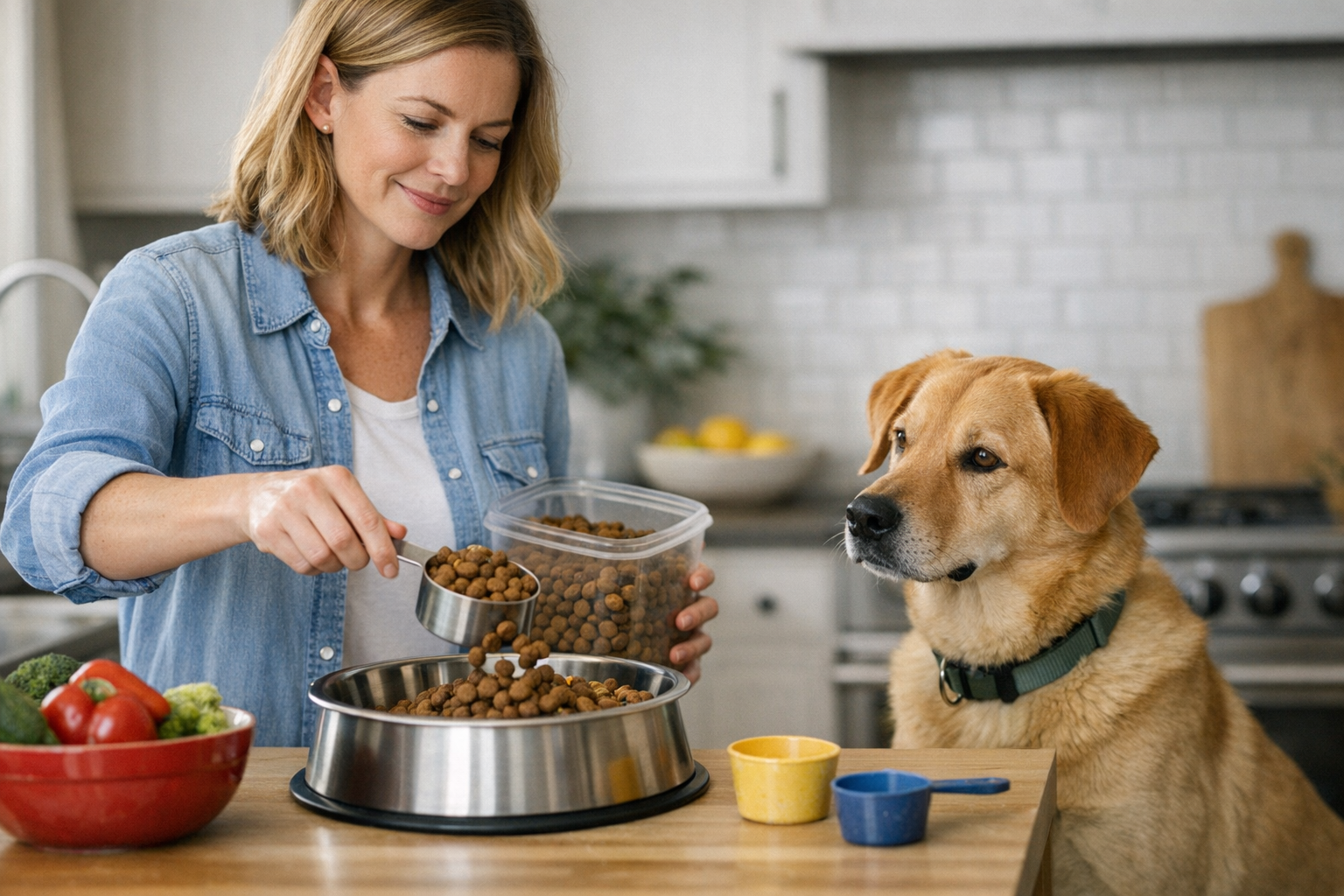
Standing over a dog bowl with a plastic scoop in hand is a ritual most of us perform twice a day. You look at the heavy bag, check the tiny print on the feeding chart, and then look at your 60 lb dog. It is easy to feel like you are just guessing at every mealtime. One day your dog seems extra hungry, and the next, you wonder if those suggested portions are making them look a bit too round.
At BaxterBoo, we believe that feeding your dog should be the simplest part of your day. We want to move away from the confusion of generic charts and help you find a precise routine. This guide explains exactly how much dry food a 60 lb dog needs based on their activity, age, and specific food type. We will help you move from guesswork to a consistent, healthy plan for your pet. If you want to browse options while you read, start with our dry dog food category.
Quick Answer: A typical 60 lb adult dog usually needs between 2.5 and 4.5 cups of dry food per day. The exact amount depends heavily on the calorie count of your specific kibble and how active your dog is on a daily basis.
Understanding Calorie Density and Kibble Math
The most important thing to know is that weight is only one part of the feeding puzzle. While 60 lbs is our baseline weight, two dogs at this size can have very different nutritional requirements. To find the right amount of food, we have to look at kilocalories, often written as kcal. This is the scientific measurement of the energy found in dog food.
Most commercial dry dog foods contain between 300 and 450 kcal per cup. If you feed a high-calorie performance kibble, you will need to give your dog a much smaller volume. If you use a weight management formula, the volume will be higher. Always look for the kcal per cup listing on your bag near the ingredient list or the guaranteed analysis.
The Calorie Density Breakdown
Below is a general guide to how many cups a 60 lb dog might need based on the energy density of the food.
| Calorie Density of Food | Daily Amount for 60 Lb Dog |
|---|---|
| Low Calorie (300 kcal/cup) | 4.5 to 5 cups |
| Average Calorie (350 kcal/cup) | 3.5 to 4 cups |
| High Calorie (400 kcal/cup) | 3 to 3.5 cups |
| Performance (450 kcal/cup) | 2.5 to 3 cups |
Every brand we carry, from NutriSource to Acana, has a different calorie profile. Never assume that one cup of a new brand is the same as one cup of your old brand. This is a common mistake that leads to accidental weight gain when families switch foods.
Key Takeaway: Calories vary wildly between different brands and recipes. Always measure based on the specific energy density of your current bag rather than a generic cup count.
Why the Bag Guidelines Might Be Wrong
You might notice that the chart on the back of your dog food bag suggests a larger amount than what your dog seems to need. Pet food companies often provide broad ranges to ensure that even the most active dogs get enough nutrients. If you follow those guidelines blindly, you might unintentionally overfeed a dog with a slower metabolism.
The guidelines on the bag are a starting point, not a strict rule. They do not know if your 60 lb dog is a young, energetic Boxer or an older, sedentary Basset Hound. Most of these charts are based on an intact, active adult dog. If your dog is spayed or neutered, their caloric needs may actually be 20 percent lower than the bag suggests.
How Activity Level Changes the Portion
Activity level is the biggest differentiator for a 60 lb dog. This weight class often includes high-energy breeds like Labrador Retrievers or active mixed breeds. A working dog or a pet that runs several miles a day has a much higher metabolic demand. Their muscles require more fuel to recover and perform at their best.
Conversely, if your dog's primary exercise is a 15-minute stroll around the block, their caloric needs will be lower. Dogs that spend most of the day lounging on the couch burn very few calories. For these pets, even a small extra scoop of food can lead to obesity over time.
The Couch Potato vs. The Athlete
- Low Activity: These dogs get less than 30 minutes of exercise a day. They generally need closer to 1,100 to 1,200 calories daily.
- Moderate Activity: These dogs enjoy a daily walk and some playtime. They usually require about 1,300 to 1,400 calories.
- High Activity: These are working dogs or canine athletes. They may need 1,600 calories or more to maintain their weight.
If you find your dog is always hungry but gaining weight, you might consider a high-fiber food. This helps them feel full without adding unnecessary calories. We often recommend looking into specific weight support recipes from brands like Royal Canin or Farmina Vet Life if weight becomes a concern.
Bottom line: Adjust your dog's portion size based on their actual daily movement rather than the maximum recommendation on the food packaging.
Life Stages and Nutritional Needs
Your dog’s age determines what kind of fuel their body requires. A 60 lb puppy, a 60 lb adult, and a 60 lb senior dog all have unique needs. Puppies are metabolic engines. They are building bone density and muscle, and they burn through calories very quickly.
As dogs enter their senior years, their metabolism naturally slows down. A senior dog may also be managing joint stiffness, which makes them less active. Feeding a senior dog the same amount of food they ate as a three-year-old is a quick way to cause joint stress from weight gain.
Feeding a 60 Lb Puppy
If you have a 60 lb puppy, they are likely a large breed that is still growing. Large breed puppies need a specific balance of calcium and phosphorus to ensure their bones do not grow too fast. Growth that happens too quickly can lead to skeletal issues later in life.
For more puppy-focused guidance, you can also read our dry dog food puppy feeding guide.
Feeding a 60 Lb Senior
Senior dogs often benefit from foods with lower calories but higher quality protein. This helps them maintain muscle mass without putting on fat. Many senior formulas also include glucosamine and chondroitin for joint support. Brands like Cosequin or Zesty Paws offer supplements that can be added to the bowl to help these older dogs stay mobile.
Vet Tip: If your dog is reaching their senior years or managing a health condition, consult your veterinarian for a specific caloric goal. They can help you determine if your dog needs a prescription diet or a senior-specific formula to stay healthy.
The Importance of Precise Portions
Inconsistent feeding is a leading cause of weight fluctuations. Using a random coffee mug or eyeballing the amount in the bowl makes it impossible to track exactly how much your dog is eating. Small errors add up over time. An extra quarter-cup of food every day can result in five pounds of weight gain over a year for a 60 lb dog.
We recommend using a standard measuring cup for every single meal. If multiple people in your house feed the dog, make sure everyone is using the same tool. Consistency is the only way to know if a change in your dog's weight is due to their diet or a medical issue.
Managing Treats and Scraps
Treats should never make up more than 10 percent of your dog's daily calories. If you are giving treats for training, you must subtract those calories from their dinner bowl. A 60 lb dog can easily eat 200 calories in treats without you realizing it. This is why many owners feel they are feeding the "right" amount of kibble but their dog is still gaining weight.
- Use high-quality, low-calorie treats like those from Kong or Real Meat Co.
- Break treats into tiny pieces for training.
- Consider using a portion of their daily kibble as training rewards.
- Avoid high-fat human table scraps.
If you want to keep training treats in the mix, take a look at our dog treats category.
Evaluating Your Dog's Weight at Home
Since 60 lbs looks different on every breed, you should not rely solely on the scale. A 60 lb Boxer should look very different from a 60 lb Basset Hound. You should use a visual and physical check to determine if your dog is at their ideal weight.
The Rib Test
Place your hands on your dog's ribcage with your palms flat. You should be able to feel the ribs easily without having to press hard. The ribs should feel like the back of your hand when you make a fist. If you have to dig through a layer of fat to find the ribs, your dog is likely overweight.
The Waist and Tuck
Look at your dog from above. They should have a visible waist where their body narrows behind the ribcage. Then, look at them from the side. Their abdomen should tuck up toward their hind legs rather than running in a straight line from the chest to the tail. If your dog looks like a cylinder from above, it is time to trim the portions.
Key Takeaway: Physical checks like the rib test are more accurate for daily monitoring than a bathroom scale.
Health Conditions and Prescription Diets
Sometimes, the standard dry food from the grocery store is not enough to manage a dog's health. Many 60 lb dogs deal with chronic issues like skin allergies, kidney disease, or urinary stones. In these cases, your veterinarian might recommend a prescription diet.
Our BaxterBoo pharmacy carries FDA-approved prescription pet foods through our partnership with Pet's Choice. These diets, such as Farmina Vet Life, are formulated to manage specific medical conditions under the guidance of a vet. If your dog has a persistent health issue, a specialized diet might be the most important part of their treatment plan. You can explore our pet pharmacy when your veterinarian recommends a prescription option.
Prescription foods are more than just nutrition; they are a form of medical management. They often have strictly controlled mineral levels or hydrolyzed proteins to help dogs who cannot digest standard kibble. Because we operate as a real pharmacy, we can help you get these specialized foods delivered right to your door with a valid prescription.
Bottom line: If your dog is struggling with a health condition, a prescription diet from our pharmacy can provide the targeted nutrition they need to thrive.
How to Transition to a New Feeding Amount
If you realize you have been overfeeding or underfeeding your 60 lb dog, do not change their portion size overnight. Drastic changes can lead to digestive upset or a very grumpy, begging pet.
Step 1: Calculate the new goal amount. / Determine the ideal number of cups based on the calories in your kibble and your dog's activity level.
Step 2: Adjust in small increments. / Increase or decrease the daily total by about 10 percent every few days.
Step 3: Monitor for two weeks. / It takes time for a dog's body to respond to a change in calories. Do not make another change until you see how their weight reacts.
Step 4: Maintain the new routine. / Once you find the sweet spot where your dog is energetic and at a healthy weight, keep the amount the same every day.
If you want more practical nutrition tips, our guide on how to help a dog reach a healthy weight is a useful next step.
Feeding Schedules: How Often Should They Eat?
Most 60 lb adult dogs do best with two meals per day. Feeding once in the morning and once in the evening helps keep their blood sugar stable. It also prevents them from becoming overly hungry and scavenging for scraps during the day.
Some owners prefer to feed three smaller meals, which can be helpful for dogs prone to digestive upset or those that eat too quickly. If your dog gulps their food, consider using a slow feeder or a treat-dispensing toy to make mealtime last longer. This can help prevent bloat, which is a serious concern for larger, deep-chested dogs.
The Role of Storage and Freshness
How you store your dry food affects its nutritional value. Dry food contains fats and oils that can go rancid if exposed to air and heat for too long. Always keep the food in a cool, dry place. If possible, keep the kibble in its original bag and place that bag inside a sealed container. The bags are designed to keep the food fresh and provide a barrier against moisture.
Fresh food tastes better and ensures your dog is getting all the vitamins and minerals listed on the label. If a bag has been open for more than six weeks, the nutritional quality may start to decline. Buying a bag size that your 60 lb dog can finish in about a month is usually the best approach.
For more storage advice, read our dry dog food freshness guide.
Making Feeding Convenient with Autoship
We know that life gets busy and it is easy to forget to check the bottom of the dog food bag. To help you stay consistent, we offer our Autoship programme. This ensures you never run out of your dog's favorite food and allows you to set a delivery schedule that matches how much they eat.
By using Autoship, you also earn a free MVP Gold membership. This gives you extra savings and helps you manage your pet’s needs without the stress of a last-minute trip to the store. Consistency is key to your dog's health, and having their food arrive exactly when you need it makes that much easier.
You can also check out the MVP Rewards programme for another way to save on repeat purchases.
Conclusion
Feeding a 60 lb dog is about more than just filling a bowl. It requires a balance of understanding their activity, monitoring their body condition, and knowing the energy density of their food. Whether you are using a standard kibble or a prescription diet from our pharmacy, the goal is to keep your dog at an ideal weight for a long, happy life.
- Measure food with a standard cup for every meal.
- Adjust portions based on real daily activity levels.
- Monitor weight using the rib test and visual checks.
- Consult your vet for specific health or senior needs.
Key Takeaway: Proper portion control is the most effective way to prevent obesity and support your dog's long-term wellness.
To get started with a consistent routine, we invite you to explore our wide selection of premium dry dog food and health supplies. You can also sign up for our MVP Rewards programme to earn back on every purchase. If your dog needs specialized care, our pharmacy team is here to help you fulfill your veterinarian's recommendations with ease.
FAQ
How many cups of dry food should a 60 lb dog eat a day?
Most 60 lb adult dogs eat between 2.5 and 4 cups of dry food daily. This number depends on the specific calorie count of the food, which varies by brand. A very active dog will need more, while a senior or less active dog will require less to maintain a healthy weight.
Is 4 cups of food too much for a 60 lb dog?
Four cups might be appropriate if the food is lower in calories or if the dog is extremely active. However, for many high-quality, calorie-dense kibbles, 4 cups could lead to weight gain for a 60 lb pet. Always check the kcal per cup on your bag and consult your vet to find the right balance.
How many calories does a 60 lb dog need daily?
An average 60 lb adult dog with moderate activity typically needs about 1,300 to 1,500 calories per day. This number changes based on age, metabolism, and whether the dog has been spayed or neutered. Senior dogs or those with low activity levels may only need 1,100 calories to stay fit.
How often should I feed my 60 lb dog?
It is usually best to feed a 60 lb dog twice a day, once in the morning and once in the evening. This schedule helps maintain steady energy levels and prevents the dog from becoming too hungry between meals. Some owners of deep-chested breeds choose three smaller meals to help support healthy digestion.






